















Can real-time analytics catch problem gambling before it escalates?

There's a growing concern about the impact of problem gambling, making it vital to explore innovative solutions. Real-time analytics harness data to monitor gambling behaviors, allowing operators to identify at-risk individuals early. By analyzing patterns such as frequency of play and bet sizes, these analytics can provide actionable insights, enabling timely interventions. This post researchs into the capabilities of real-time analytics in detecting potential gambling issues, examining their effectiveness in preventing harm before it escalates.
Key Takeaways:
- Real-time analytics can identify risky gambling behavior patterns, enabling timely intervention.
- Integration of data analytics tools enhances the ability to monitor and respond to potential gambling issues.
- Proactive measures based on analytics can lead to improved player well-being and reduce harm associated with gambling.
Understanding Problem Gambling
Definition and Scope of Problem Gambling
Problem gambling is characterized by persistent and recurrent maladaptive gambling behavior that disrupts personal, social, or vocational pursuits. It affects individuals across all demographics and can lead to severe financial, emotional, and interpersonal issues. The World Health Organization recognizes it as a mental health disorder, necessitating a comprehensive understanding of its complexity and range.
The Psychology Behind Gambling Addiction
Gambling addiction is often influenced by a combination of emotional, cognitive, and social factors. Individuals may engage in gambling as a means to escape from stress or past traumas, while cognitive distortions, such as the illusion of control and overconfidence, exacerbate their behavior. Advanced neurobiological studies reveal that gambling activates the brain's reward system similarly to substance abuse, fostering compulsive behavior.










This addiction is rooted in both psychological and biological components. Cognitive-behavioral patterns, such as chasing losses or the belief in hot streaks, reinforce gambling habits. Additionally, neurotransmitters such as dopamine play a critical role in reinforcing the pleasure derived from winning, compelling individuals to gamble again, despite negative consequences.
Risk Factors for Developing Problem Gambling
Numerous risk factors contribute to the likelihood of developing problem gambling behaviors. These include genetic predisposition, personal history of substance abuse, and environmental influences. Socioeconomic status and access to gambling venues also play significant roles in shaping gambling behavior.
- Genetic susceptibility and family history.
- Early exposure to gambling activities.
- Co-occurring mental health disorders.
- Stressful life events or trauma experiences.
- Peer pressure and social influences.
After identifying these factors, treatment programs can be tailored to address the specific needs of vulnerable individuals to mitigate the risks associated with gambling behaviors.
Understanding these risk factors is imperative for prevention and intervention strategies. For instance, individuals with family histories of gambling issues may benefit from increased awareness and education. Moreover, recognizing societal influences, such as the normalization of gambling in entertainment, can lead to more effective public health campaigns aimed at reducing risk.
- Involvement in social circles that gamble frequently.
- Financial instability or high stress levels.
- Lack of social support systems.
- Presence of cognitive distortions that minimize perceived risk.
- Access to online gambling platforms at a young age.
After acknowledging these factors, the implementation of preventative measures through education and community support can greatly reduce the prevalence of problem gambling and its consequences.
The Importance of Real-Time Analytics
Definition of Real-Time Analytics
Real-time analytics refers to the process of collecting and analyzing data as it becomes available to make immediate, informed decisions. This approach allows organizations to monitor ongoing activities and trends, resulting in timely insights that can drive actions to mitigate risks, optimize processes, and improve customer experiences.
Applications of Real-Time Analytics in Various Fields
Real-time analytics finds its applications across numerous industries, including finance, healthcare, retail, and entertainment. In finance, it enables rapid fraud detection; in healthcare, it can monitor patient vitals; while in retail, it supports dynamic pricing strategies. The gaming industry increasingly utilizes these analytics to identify shifts in player behavior and assess gambling patterns.
For instance, in the financial sector, organizations employ real-time analytics to track transaction anomalies, allowing immediate intervention in cases of fraudulent activity. In healthcare, real-time monitoring systems provide alerts for critical patient conditions, improving response times. The gaming industry leverages these insights to tailor interventions for at-risk players, potentially reducing the negative impacts of gambling on individuals.
The Role of Data in Behavioral Predictions
Data plays a pivotal role in predicting behavioral trends by establishing patterns that indicate potential issues. By analyzing historical and present data points, companies can develop predictive models that flag users showing signs of problem gambling, allowing for preemptive action.
This predictive capability is enhanced by machine learning algorithms that can process vast amounts of player behavior data, identifying correlations between betting patterns and risk factors. For example, a sudden increase in betting volume or frequency may trigger alerts, allowing operators to intervene before a player descends into problematic gambling behaviors. This reliance on data, when executed effectively, serves as a preventive measure, enhancing the overall integrity of the gaming environment.
Technologies Enabling Real-Time Analytics
Machine Learning Algorithms
Machine learning algorithms play a pivotal role in real-time analytics by identifying patterns and anomalies in gambling behavior. By analyzing historical data, these algorithms can predict potential problem gambling situations, allowing operators to intervene early. For instance, algorithms can flag users whose betting behavior suddenly escalates, prompting alerts for further analysis.
Data Collection Methods
Various data collection methods gather crucial information on user behavior, including transaction logs, web tracking, and surveys. Using these methods, operators gain insights into gambling patterns, time spent gaming, and monetary exchanges.
Advanced data collection techniques utilize software tools to continuously monitor user interactions and betting trends in real-time. Transaction logs record every financial activity, while web tracking technologies gather data on session lengths and page visits. Combined with user surveys, which provide qualitative insights into gambling experiences, these methods create a comprehensive dataset that enhances the predictive capabilities of real-time analytics.
User Engagement Tracking Technologies
User engagement tracking technologies capture behavioral metrics that indicate potential gambling issues. These technologies monitor interactions such as session duration, frequency of play, and engagement with responsible gambling tools to inform risk assessments.
By employing methods like clickstream analysis and heat mapping, these technologies allow operators to visualize user activity on their platforms. This data illuminates patterns of excessive engagement and can trigger alerts when a user exceeds predefined thresholds. Ultimately, by focusing on user engagement, operators can better understand individual tendencies, leading to actionable insights that help prevent gambling problems before they escalate.
Real-Time Analytics in Gambling Environments
Identifying At-Risk Behaviors
Real-time analytics enables operators to monitor player behavior continuously, identifying patterns indicative of problem gambling. By analyzing metrics such as session length, bet frequency, and financial transactions, operators can detect significant deviations from typical behavior that may suggest an increased risk of gambling addiction.
Case Studies of Successful Interventions
Several gambling establishments have successfully implemented real-time analytics to intervene with at-risk players, leading to significant reductions in problematic gambling behaviors. These case studies demonstrate the potential of data-driven approaches in promoting responsible gambling.
- Casino A: Implemented real-time monitoring and identified a 35% reduction in high-risk betting behavior after targeted interventions.
- Online Platform B: Utilized analytics to spot early signs of problem gambling, resulting in a 50% decrease in self-exclusion requests within a year.
- Gambling Operator C: Introduced alerts and personalized messages to players, which led to a 40% improvement in user engagement with responsible gaming resources.
- Retail Casino D: Adopted analytics to track spending patterns, achieving a 30% reduction in players reaching critical loss thresholds.
These examples showcase how real-time analytics can shift the focus from reactive measures to proactive interventions, enabling operators to engage directly with at-risk individuals and encourage healthier gambling behaviors tailored to specific needs.
Challenges in Implementation
Implementing real-time analytics in gambling environments faces several hurdles, including data privacy concerns, technological limitations, and the need for staff training. These challenges can hinder effective data utilization and impede the overall success of intervention strategies.
Moreover, the integration of real-time analytics requires significant investment in technology and infrastructure, often creating resistance from stakeholders. Ensuring compliance with regulations on data handling remains a complex issue, as operators must balance player protection with the necessity of data collection for effective analytics. Inadequate staff understanding of analytics tools may lead to underutilization, affecting the overall outcomes of responsible gaming initiatives.
Ethical Considerations
Privacy Concerns for Gamblers
Real-time analytics often require extensive data collection, raising significant privacy issues for gamblers. Individuals may feel uncomfortable knowing their gaming habits are being closely monitored, which can erode trust between players and operators. The sensitive nature of gambling behavior necessitates strict measures to ensure personal information remains confidential and is only used for intended purposes, safeguarding the rights of the gambler.
Potential for Misuse of Data
Data collected for analytics purposes can be vulnerable to misuse, potentially leading to harmful outcomes for gamblers if it falls into the wrong hands. Unauthorized access could result in targeted marketing strategies, coercive practices, or discrimination against individuals showing signs of problem gambling. It is necessary for operators to employ robust data security measures to prevent exploitation and protect vulnerable individuals.
Concerns over misuse of data extend beyond just privacy to potential manipulation of individuals' gambling behaviors. For instance, targeted communications based on analytics might encourage excessive play or undermine attempts to self-regulate. This highlights the necessity for ethical guidelines that govern how data is utilized and shared—ensuring that insights derived from analytics serve to protect rather than exploit gamblers.
Regulatory Frameworks Governing Analytics
Regulatory frameworks surrounding gambling analytics are in their infancy, with various jurisdictions establishing guidelines aimed at protecting both operators and consumers. These regulations dictate how data can be collected, shared, and used, ensuring that real-time analytics fosters responsible gaming practices without infringing on individual rights.
The effectiveness of regulatory frameworks rests on their adaptability as technology and gambling trends evolve. Countries like the UK and Australia have begun to implement measures that balance innovation with player protection, advocating for transparency in data usage while mandating responsible gambling protocols. Continuous monitoring and updates to these regulations are necessary to address the fast-paced nature of digital gambling environments, ultimately aiming to enhance player safety while utilizing advancements in analytics.
Collaboration Between Stakeholders
Gamblers, Operators, and Regulators
Effective collaboration among gamblers, operators, and regulators is crucial for addressing problem gambling. Operators can leverage real-time analytics to monitor player behavior, while regulators set standards and guidelines for responsible gaming. Gamblers must also engage actively in their own health, utilizing available tools to recognize and manage their risks. This triad interaction fosters a unified approach to ensuring safety in gambling environments.
Role of Support Organizations
Support organizations play a pivotal role in mitigating problem gambling by offering resources, counseling, and training for both gamblers and industry personnel. They provide crucial services, including hotlines and educational programs, aiming to raise awareness and promote healthy gambling behaviors.
By equipping gamblers with knowledge and support, these organizations bridge the gap between treatment and prevention. For instance, organizations like Gamblers Anonymous provide peer support, while others offer therapy and educational materials aimed at identifying risky gambling patterns. This integrated approach empowers individuals to seek help early and encourages operators to implement responsible gaming measures based on the insights gained from support organizations.
Building a Comprehensive Support System
A comprehensive support system must encompass prevention, intervention, and recovery strategies tailored to different stakeholders. This involves creating an ecosystem where gamblers can access immediate assistance, while operators receive training on responsible practices, and regulators enforce effective policies.
A successful support system integrates resources from various stakeholders, ensuring that help is accessible at all stages of gambling behavior. For instance, partnerships between operators and local non-profits can lead to community workshops on responsible gambling. Additionally, leveraging technology, such as mobile apps that provide real-time support and alerts, enhances accessibility and responsiveness. Establishing a network of collaboration promotes a proactive stance against problem gambling and supports those affected more efficiently.
Future Directions in Problem Gambling Prevention
Technological Advancements
Advancements in artificial intelligence and machine learning are driving new methods for detecting problematic gambling behaviors. Tools that analyze player data in real-time can identify patterns indicative of potential gambling addiction, enabling early intervention strategies. These innovations are vital for creating personalized support systems that cater to individual gambling behaviors.
Evolving Regulatory Landscape
The regulatory framework surrounding gambling is continuously adapting to address emerging challenges related to problem gambling. Governments and organizations are increasingly recognizing the importance of incorporating responsible gambling measures into their policies. Compliance is shifting towards the use of data analytics to ensure operators actively monitor and mitigate gambling risks.
Recent regulations, such as the UK's introduction of stricter advertising standards and mandatory self-exclusion tools, demonstrate a growing commitment to fighting problem gambling. These measures are supported by data-driven insights that compel operators to prioritize player safety. Additionally, various jurisdictions are exploring taxation incentives for operators who implement effective harm reduction strategies, reinforcing the need for a robust regulatory approach that holds stakeholders accountable.
Increasing Public Awareness and Education
Initiatives aimed at increasing public awareness about the realities of problem gambling are vital for prevention efforts. Campaigns that educate the public about risks and signs of harmful behavior empower individuals to seek help and support.
Programs like the “Responsible Gambling Council” in Canada emphasize education, offering tools and resources for both gamblers and their families. By providing accessible information via websites and community outreach, these organizations foster a proactive approach towards recognizing and addressing gambling issues. The impact of these educational efforts can lead to more informed decisions and a societal shift towards prioritizing mental health in gambling contexts.
To wrap up
Upon reflecting, real-time analytics emerge as a powerful tool in identifying and addressing problem gambling behaviors early. By leveraging data-driven insights, operators can monitor patterns indicative of gambling-related issues, facilitating timely interventions. These analytics not only enhance responsible gaming initiatives but also protect vulnerable individuals from the escalating risks associated with gambling addiction. Ultimately, integrating real-time analytics into gambling platforms represents a proactive step towards fostering safer gaming environments and supporting those in need.
FAQ
Q: How do real-time analytics work in monitoring gambling behavior?
A: Real-time analytics track user behavior through data points such as betting frequency, amounts, and session duration. This helps identify patterns that may indicate problem gambling.
Q: Can real-time analytics detect early signs of problem gambling?
A: Yes, real-time analytics can highlight changes in behavior, such as increased spending or prolonged gaming sessions, allowing for early intervention.
Q: What measures can be taken once real-time analytics identify potential problem gambling?
A: Operators can implement responsible gambling tools like alerts, self-exclusion options, and personalized messages to encourage users to take breaks or seek help.
Q: How effective are real-time analytics in preventing gambling addiction?
A: While not foolproof, real-time analytics improve the chances of intervention by providing timely data that can prompt users to reconsider their habits before escalation.
Q: Are there any limitations to using real-time analytics for problem gambling intervention?
A: Limitations include reliance on user data accuracy, potential privacy concerns, and the need for users to respond positively to interventions for them to be effective.

Anna Amstill
I am an avid Blogger and Writer with more than 6 years of experience with Content Writing. An Online Marketing expert specializing in Blog writing, Article writing, Website content, SEO specific Keyword content and much more. Education B.A. - business management, York University, Canada, Graduated 2016.
Related Posts


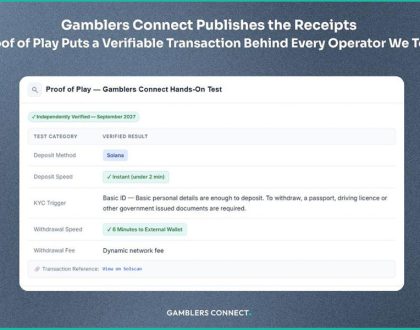
Gamblers Connect launches Proof of Play for transparent operator reviews
September 21, 2026

Germany’s gambling blocking system struggles with obvious targets
September 19, 2026
Gambling Commission reports growth across Great Britain’s gambling market
September 18, 2026

Ygam reports stronger impact as youth gambling harm prevention expands
September 14, 2026


Kongebonus launches complaints centre for Norway’s online casino players
September 8, 2026

GGL gambling enforcement raises questions over licence transparency
September 7, 2026