Holding Suppliers and Payment Providers Accountable

According to credible sources, Pragmatic Play recently made the decision to stop supplying its games to unlicensed operators in the UK—a move that appears to reflect growing industry recognition that regulators are no longer tolerating non-compliance. This decision follows the UK Gambling Commission's (UKGC) review of Evolution Malta Holding Limited’s operating license, a signal of the regulator's intent to hold suppliers accountable for their role in enabling illegal gambling.
Regulators such as the UKGC and Swedish Gambling Authority (Spelinspektionen) are leading the charge in disrupting the supply chain that fuels unlicensed operations. Spelinspektionen’s actions against Hacksaw Studios AB and Panda Bluemoon Ltd highlight the severe consequences of neglecting compliance obligations. Hacksaw Studios was fined 2,600,000 SEK (€226,000) for supplying game software to unlicensed operators, while Panda Bluemoon faced a 700,000 SEK (€61,000) fine for similar violations. These cases emphasize that merely implementing geoblocks or other surface-level restrictions is insufficient—suppliers must take full responsibility for ensuring their products are not accessed by unlicensed platforms.
Payment Providers: The Enablers of Illegal Operations
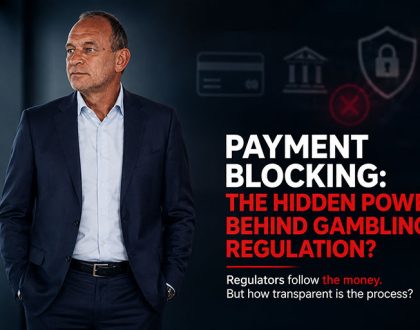
While targeting game suppliers is essential, regulators must not overlook the financial enablers that keep illegal gambling websites afloat. Many unlicensed platforms rely on European-licensed payment processors, including Electronic Money Institutions (EMIs) and banks based in jurisdictions like Estonia, Latvia, Cyprus and the UK, to facilitate transactions. These payment providers act as the lifeblood of illegal gambling, enabling deposits, withdrawals and other financial operations while turning a blind eye to regulatory breaches.


The solution? Regulators must impose heavy fines, suspend licenses, or entirely ban payment providers that knowingly or negligently process transactions for illegal operators. Without reliable financial infrastructure, unlicensed platforms would crumble, unable to attract players or process funds. It’s time to cut off the oxygen supply for these operations.
Lessons from Offshore Jurisdictions
Efforts to fine operators in offshore jurisdictions such as Curacao, Tobique, Costa Rica and Kahnawake have proven largely ineffective due to lax enforcement and regulatory gaps in those regions. These jurisdictions often serve as safe havens for unlicensed operators, making it difficult for European regulators to hold them accountable.
However, game suppliers and payment providers operating within Europe offer a more effective target for enforcement. With physical offices, legal registrations and operational licenses, these entities are far more accessible to European regulators. By focusing enforcement efforts on suppliers and financial institutions, regulators can disrupt illegal gambling at its roots.
A Call to Action for Unified Enforcement
The UKGC, Spelinspektionen and other European regulators—including those in Malta, Germany, Italy, Spain and the Netherlands—must work together to create a unified, cross-border strategy against unlicensed gambling. This collaboration should focus on:
- Fining and penalizing suppliers that provide software or infrastructure to unlicensed operators, regardless of where those operators are based.
- Cutting off financial access by aggressively targeting payment providers that facilitate illegal gambling transactions.
- Promoting transparency, requiring suppliers and payment processors to disclose their partnerships and ensure compliance with local regulations.
Ending the Era of Excuses
Game suppliers and payment providers have long relied on plausible deniability to evade accountability. However, regulators are making it clear that ignorance is no longer an excuse. Suppliers like Pragmatic Play have taken a step in the right direction, but broader industry action is needed. Payment providers, in particular, must recognize that they are just as culpable as the operators they enable.
The message is simple: if you knowingly support illegal gambling, you will be held accountable. Regulators are drawing a hard line and those who fail to adapt will face significant financial and reputational consequences.
This is the dawn of a new era in online gambling regulation—one where the integrity of the industry takes precedence over profit margins and where accountability is no longer optional. It’s time for suppliers and payment providers to clean up their act and start contributing to a safer, more transparent global gambling ecosystem. The regulators have spoken and it’s time for the industry to listen.
FAQ's
What led Pragmatic Play to stop supplying games to unlicensed UK operators?
Pragmatic Play made this decision in response to the growing recognition that regulators, like the UKGC, are no longer tolerating non-compliance from suppliers.
What actions did Spelinspektionen take against Hacksaw Studios and Panda Bluemoon?
Spelinspektionen fined Hacksaw Studios 2,600,000 SEK and Panda Bluemoon 700,000 SEK for supplying game software to unlicensed operators.
Why are payment providers crucial in the fight against illegal gambling?
Payment providers enable illegal gambling websites by processing transactions, making them a key target for regulators seeking to stop unlicensed operations.
What can regulators do to prevent financial enablers of illegal gambling?
Regulators can impose fines, suspend licenses, or ban payment providers that knowingly process transactions for unlicensed operators.
Why is enforcement in offshore jurisdictions like Curacao ineffective?
Offshore jurisdictions often have weak enforcement and regulatory gaps, making it difficult for European regulators to hold illegal operators accountable.
How can European regulators more effectively target illegal gambling?
By focusing on European-based suppliers and financial institutions, regulators can more effectively disrupt illegal gambling due to their accessibility and legal accountability.
What is the role of collaboration between European regulators in combating unlicensed gambling?
A unified strategy among European regulators can focus on fining suppliers, cutting off financial access, and promoting transparency to combat illegal gambling more effectively.
What measures can regulators take to ensure transparency in the gambling industry?
Regulators can require suppliers and payment processors to disclose their partnerships and ensure compliance with local regulations.
Why is ignorance no longer an excuse for suppliers and payment providers in the gambling industry?
Regulators are now holding suppliers and payment providers accountable for enabling illegal gambling, making it clear that plausible deniability is no longer acceptable.
What consequences do suppliers and payment providers face for supporting illegal gambling?
They can face significant financial penalties and reputational damage if they are found to knowingly support illegal gambling operations.

Michael
With nearly 30 years in corporate services and investigative journalism, I head TRIDER.UK, specializing in deep-dive research into gaming and finance. As Editor of Malta Media, I deliver sharp investigative coverage of iGaming and financial services. My experience also includes leading corporate formations and navigating complex international business structures.