















Responsible Gaming Laws in Europe
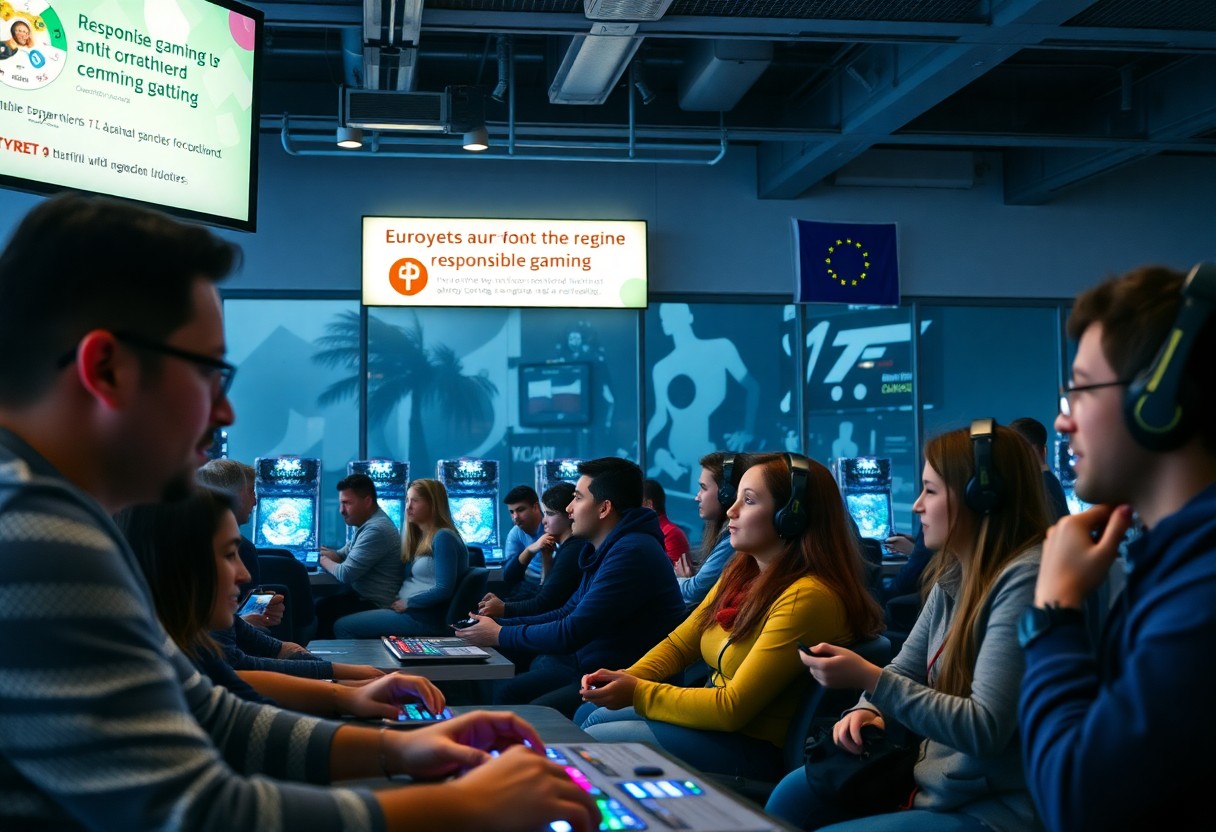
With the increasing recognition of the importance of player protection, many European markets are implementing responsible gaming laws to foster safer gaming environments. These regulations aim to mitigate the risks associated with gambling addiction and promote awareness among players. As governments and regulatory bodies prioritize responsible practices, the landscape of gaming is shifting, driving operators to adopt measures that ensure the well-being of their customers. This post explores the evolution and impact of responsible gaming laws across various European countries, highlighting trends and best practices shaping the future of gaming.
The Historical Context of European Gaming Regulations
To understand the roots of contemporary responsible gaming laws in Europe, it is necessary to examine the historical context of gambling regulations across the continent. The development of legal frameworks has evolved significantly over time, influenced by social, economic, and political factors that shaped public perceptions of gambling. Early gambling laws were primarily aimed at controlling and restricting gambling activities to stave off potential abuses and moral dilemmas associated with the practice. These regulations largely emerged in reaction to the rising popularity of gambling, reflecting regional societal values and concerns over the integrity of gaming activities.
Early Gambling Legislation and Control Measures
The first formal legislation addressing gambling in Europe can be traced back several centuries. In the early 16th century, many countries implemented various measures to curb illegal gambling and unauthorized betting, often associated with organized crime or exploitation of vulnerable populations. The introduction of lotteries, regulated by the government, marked a significant development as states started to see the financial potential of gambling revenues. These measures set the tone for subsequent legislation, establishing a pattern of control through stringent licensing requirements, operational standards, and oversight mechanisms.





















Evolution of Responsible Gaming Concepts
Before the turn of the 21st century, the concept of responsible gaming was still relatively nascent in the European context. The rise of online gambling in the late 1990s triggered a re-evaluation of existing laws as regulators sought approaches to address emerging concerns related to accessibility and player protection. This period marked a shift towards incorporating principles of player safety and welfare in legislative frameworks, prompted by the need to safeguard consumers from potential gambling-related harm.
Historical developments played a significant role in shaping the concept of responsible gaming across Europe. As gambling became more mainstream, increases in problem gambling cases prompted policymakers to initiate measures for player protection. This led to various campaigns and programs focused on education, self-exclusion, and support services for individuals experiencing gambling challenges. Consequently, responsible gaming evolved from being a peripheral consideration to a core element of legislative frameworks in several European jurisdictions, ultimately influencing modern gaming regulations and their emphasis on player welfare.
Key Components of Modern Responsible Gaming Laws
It is vital to explore the core aspects of modern responsible gaming laws that have been implemented across various European markets. These laws focus on minimizing the potential harms associated with gambling while promoting a safe and enjoyable environment for players. This is achieved through the incorporation of various player protection mechanisms, self-exclusion programs, and sampling of cooling-off periods to ensure individuals can manage their gambling activities effectively.
Player Protection Mechanisms
Against the backdrop of rising concerns over problem gambling, implementing comprehensive player protection mechanisms has become a priority for many European jurisdictions. These mechanisms typically include mandatory age verification procedures, limits on deposit and betting amounts, and promotional material that highlights responsible gambling practices. They aim to empower players with the necessary tools to gamble responsibly while providing a safety net for those who may be at risk.
Self-exclusion Programs and Cooling-off Periods
The introduction of self-exclusion programs and cooling-off periods plays a significant role in promoting responsible gaming. These initiatives provide players with the option to temporarily or permanently exclude themselves from gambling activities if they feel their behavior is becoming problematic. By allowing individuals to take a step back from gambling, such programs serve as effective measures for enhancing player awareness and safeguarding against potential gambling-related harms.
Even more, self-exclusion programs are often complemented by cooling-off periods that encourage players to take breaks from their gambling routines. These pauses can vary in duration, providing individuals the time they need to reflect on their gambling behaviors without the risk of impulsive decisions. By incorporating these facilities into the gaming framework, lawmakers are taking significant strides toward protecting players and fostering a more responsible gambling culture.
Major European Regulatory Frameworks
Assuming that the European gaming landscape is becoming increasingly complex, various regulatory frameworks have emerged to address the diverse needs of stakeholders while promoting responsible gaming. Countries across Europe have begun to put in place comprehensive laws and regulations designed to safeguard players, ensure fairness, and maintain the integrity of the gaming industry. This chapter will explore some of the most influential regulatory frameworks, including guidelines from the UK Gambling Commission and requirements set by the Malta Gaming Authority.
UK Gambling Commission guidelines
Beside the various regulations that govern the UK gambling industry, the UK Gambling Commission (UKGC) has established an extensive set of guidelines centered on promoting responsible gaming. These guidelines emphasize the importance of player protection, requiring operators to implement policies that prevent underage gambling and provide resources for those who may develop gambling-related harms. Operators are mandated to conduct risk assessments regularly and put measures in place to mitigate any identified risks, contributing to a safer gaming environment.
Malta Gaming Authority requirements
Around the Mediterranean, the Malta Gaming Authority (MGA) has also played a significant role in shaping responsible gaming practices within Europe. The MGA sets stringent regulatory requirements for operators, including provisions for player protection, transparency in operations, and promotional strategies that encourage responsible gambling. Among the responsibilities placed on operators is the provision of support for users who may experience gambling issues, ensuring that they have access to tools that help manage their gameplay effectively.
Regulatory compliance is not only about adhering to existing laws; it also encompasses a commitment to continuous improvement in responsible gaming measures. The Malta Gaming Authority takes this sentiment seriously, regularly reviewing its regulations to address emerging trends and challenges within the industry. By fostering an environment of accountability and trust, the MGA enhances player security and upholds the integrity of the gaming sector in Malta and beyond.
The Technological Implementation of Responsible Gaming
Once again, technology is playing a vital role in shaping the landscape of responsible gaming across European markets. As regulatory bodies increasingly emphasize the importance of player protection, operators are compelled to implement advanced technological solutions to monitor and manage gaming behavior. These innovations encompass various tools and systems designed not only to enhance player safety but also to comply with the evolving legislative requirements in different jurisdictions. The integration of technology into responsible gaming protocols not only bolsters player confidence but also facilitates a more sustainable gaming environment.
Digital Verification Systems
Behind this wave of technological advancement are digital verification systems that streamline the age and identity verification processes for players. These systems utilize advanced algorithms and databases to ensure that only eligible individuals can engage in gambling activities, thereby safeguarding vulnerable demographics, particularly minors. As European markets increasingly adopt stringent age verification regulations, digital verification systems are becoming indispensable assets for operators looking to comply while maintaining seamless user experiences.
Automated Monitoring Tools
Alongside digital verification systems, automated monitoring tools are emerging as key components of responsible gaming initiatives. These tools are designed to analyze player behavior in real-time, identifying patterns that may indicate problematic gaming habits. By leveraging artificial intelligence and machine learning algorithms, automated monitoring systems can detect early signs of dependency, enabling operators to intervene proactively. This not only helps protect players but also fosters a culture of accountability within the industry.
In fact, the implementation of automated monitoring tools has been shown to significantly enhance the effectiveness of responsible gaming measures. By continuously assessing player activity, these tools allow for tailored messages or notifications to be sent to individuals who exhibit high-risk behaviors, thereby encouraging them to take a break or seek support. This personalized approach not only aids in the prevention of gaming-related harm but also instills a sense of responsibility within the gaming community, supporting the idea that gaming can be enjoyed safely and sustainably. As technology continues to advance, the capacity for more nuanced and effective monitoring solutions will likely evolve, further bolstering responsible gaming efforts across the continent.
Impact on Operators and Market Dynamics
Your business strategy as an operator in the European gaming landscape is increasingly influenced by the proliferation of responsible gaming laws. Compliance with these regulations often necessitates significant changes to operational protocols, resulting in heightened costs associated with legal advice, technology upgrades, and employee training programs designed to ensure adherence to new standards. As regulators impose stricter controls over marketing practices, age verification, and player data management, operators must allocate substantial resources to remain compliant and mitigate potential fines or reputational damage.
Compliance costs and operational adjustments
The financial implications for operators cannot be understated. Many operators find themselves investing extensively in compliance departments and enhanced customer service infrastructures that are capable of handling player inquiries regarding responsible gaming measures. The need for regular audits, updated software solutions, and comprehensive reporting systems adds layers of operational complexity and expense. As markets adapt to these regulations, operators must recalibrate their business models to incorporate these ongoing costs seamlessly.
Market consolidation and industry response
Above all, the evolving regulatory landscape is shaping competitive dynamics within the European gaming sector, prompting a trend toward market consolidation. Smaller operators often lack the necessary resources to meet stringent compliance demands, placing them at a disadvantage compared to larger, more established firms. This has led to a flurry of mergers and acquisitions as companies seek to bolster their market positions and expand their operational capabilities. The consolidation trend also allows larger operators to leverage economies of scale, spreading compliance costs over a broader revenue base, ultimately enabling more sustainable business practices.
In fact, as the industry landscape evolves amid these regulatory pressures, we are witnessing an uptick in strategic partnerships between operators and technology providers. By collaborating with specialized firms that offer compliance solutions or responsible gaming tools, operators can not only streamline their compliance processes but also enhance customer experience. Such collaborations can drive innovation and create a competitive edge, positioning firms well within an increasingly challenging regulatory environment. The response to these regulations will undoubtedly shape the future market structure and define the pathways for growth across European gaming jurisdictions.
Cross-Border Harmonization Efforts
EU-wide initiatives
Now, the European Union has taken significant steps toward the harmonization of responsible gaming laws across its member states. By launching various initiatives designed to foster cooperation, the EU aims to establish a consistent framework that addresses the challenges posed by cross-border online gambling. These initiatives include the establishment of expert working groups and informal networks that facilitate the exchange of best practices, research findings, and data on responsible gaming measures. This collaborative approach ensures that the diverse needs of each market are respected while moving toward a unified regulatory landscape.
On a broader scale, the EU has recognized the importance of aligning responsible gaming efforts with digital advancements. With the increasing prevalence of online gambling platforms, regulators are tasked with improving consumer protection and reinforcing responsible behavior among players. As part of this initiative, the EU continues to engage stakeholders, including industry representatives and civil society organizations, to develop guidelines that promote responsible gaming and reduce the potential for gambling-related harm across member nations.
International cooperation frameworks
The rise of responsible gaming laws is not limited to the European Union; international cooperation frameworks have emerged to encourage the adoption of best practices among countries worldwide. As online gambling transcends borders, countries must collaborate to address regulatory challenges and promote responsible gaming. Various international organizations, including the Council of Europe and the International Association of Gaming Regulators, are working together to establish standards and recommendations that foster the protection of players regardless of jurisdiction.
And as regulators engage in these international partnerships, they are able to share relevant data, research insights, and effective strategies that can be adapted to local contexts. This collective approach not only strengthens the overall commitment to responsible gaming but also enhances understanding of the potential risks associated with gambling. By aligning efforts across borders, the global community stands to create a safer environment for players while fostering more sustainable and responsible gaming practices. Through these frameworks, stakeholders can build stronger relationships and pave the way for consistent policies that ultimately benefit players and the industry alike.
Final Words
Ultimately, the rise of responsible gaming laws across European markets reflects a significant shift towards prioritizing player welfare in an ever-evolving gambling landscape. These regulations aim to mitigate the risks associated with gambling, ensuring that operators provide safe environments by implementing measures that promote informed choices and protect vulnerable populations. As various countries develop and refine their legislation, it is clear that a unified approach is emerging, acknowledging the need for standardized practices that not only benefit consumers but also enhance the credibility of the gaming industry as a whole.
The growing focus on responsible gaming is not just a response to societal concerns; it is indicative of an increasing recognition of the economic impacts that gambling can have. By fostering a culture of responsibility, governments and regulatory bodies can help to stabilize market practices, thereby encouraging sustainable growth within the sector. Ultimately, the establishment and enforcement of responsible gaming laws is a vital step towards creating a balanced framework that supports both players and operators, paving the way for a more ethical gambling environment across Europe.
FAQs
What are responsible gaming laws in Europe?
Responsible gaming laws in Europe are regulations designed to promote safer gambling environments by implementing measures to prevent addiction and protect players.
Why are responsible gaming laws important?
These laws help minimize problem gambling, protect vulnerable individuals, and ensure fair and transparent gaming practices.
Which European countries have strict responsible gaming regulations?
Countries like the UK, Germany, Sweden, and Malta have some of the most stringent responsible gaming laws in Europe.
What is self-exclusion in gambling?
Self-exclusion allows players to voluntarily ban themselves from gambling for a specific period to manage their gambling habits.
How does the UK Gambling Commission promote responsible gaming?
The UKGC enforces guidelines requiring operators to implement age verification, deposit limits, and self-exclusion programs.
What role does the Malta Gaming Authority (MGA) play in responsible gaming?
The MGA regulates operators, ensuring they provide player protection tools, fair gaming policies, and responsible gambling initiatives.
How has technology improved responsible gaming?
Digital verification systems and AI-powered monitoring tools help detect problem gambling behaviors and enforce responsible gaming policies.
What are cooling-off periods in gambling?
Cooling-off periods are short breaks players can take to temporarily stop gambling and prevent impulsive betting behavior.
What are the penalties for operators not complying with responsible gaming laws?
Non-compliance can result in hefty fines, license revocation, and legal action from regulatory authorities.
What is the future of responsible gaming in Europe?
With advancing technology and stricter regulations, responsible gaming will continue evolving to enhance player protection and industry integrity.

Michael
With nearly 30 years in corporate services and investigative journalism, I head TRIDER.UK, specializing in deep-dive research into gaming and finance. As Editor of Malta Media, I deliver sharp investigative coverage of iGaming and financial services. My experience also includes leading corporate formations and navigating complex international business structures.
Related Posts






Italy reconsiders gambling ad ban to boost football funding
April 10, 2026

KSA flags Unibet operator Optdeck for AML non‑compliance
April 10, 2026