















Slovakia publishes report on illegal online gambling
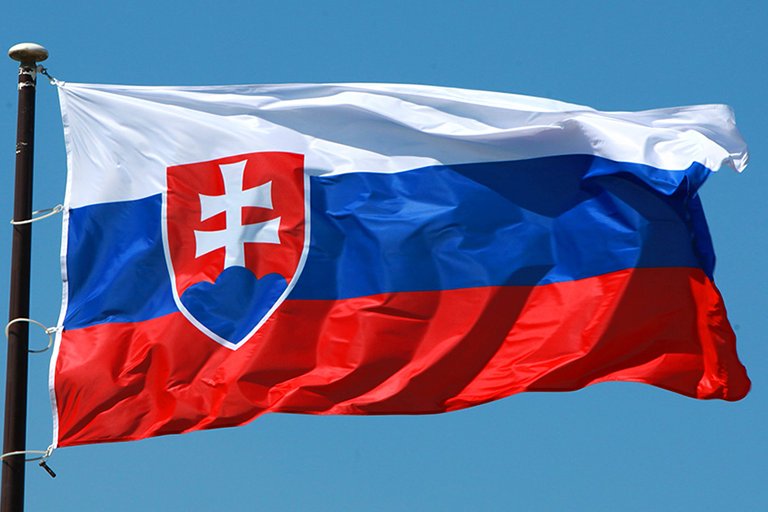
The Institute for Gambling Regulation in Slovakia (IPRHH) has released the country’s first comprehensive study on illegal gambling, marking a significant milestone in understanding the impact of unlicensed gaming on society and the national economy. The study, named The Black Book of Illegal Gambling, was formally unveiled at Einpark in Bratislava and is now available for public access online.
This landmark publication provides an unprecedented insight into the structure, operation, and social consequences of illegal gambling activities in Slovakia, with particular attention to unlicensed online platforms. By exploring the methods used by illegal operators, the report underscores the risks to players and the substantial financial losses incurred by the state.
Key findings from the study
The research draws upon a nationally representative survey conducted by the IPRHH in collaboration with the Slovak Academy of Sciences. Among its most striking results:





















- 23.7% of players – approximately 296,000 Slovak residents – admitted to gambling on unlicensed platforms.
- 24.1% of players could not identify whether the gambling sites they used were licensed under Slovak law.
- Younger users and individuals with lower education levels were disproportionately represented among illegal gambling participants.
- 13.1% of respondents reported engaging in illegal gambling because they were registered in the national Register of Excluded Persons (RVO), which should prevent them from accessing licensed platforms.
“These sites ignore every safeguard that licensed operators must follow,” explained Dávid Lenčéš, Executive Director of IPRHH. “There are no limits, no identity checks, and no protection against addiction. And if you lose money, you have no legal recourse.”
The findings provide a clear view of the extent and reach of illegal gambling in Slovakia, showing that vulnerable populations face heightened risks and emphasizing the pressing need for regulatory actions to protect citizens and preserve government revenue.
Why players turn to illegal platforms
The report also investigated the motivations behind players’ use of unlicensed gambling websites. Survey respondents cited several key factors:
- Higher bonuses (32.5%)
- Better odds (29.5%)
- Easier registration (29.1%)
- Wider game selection (27.4%)
- Despite the risks associated with illegal platforms, the research revealed concerning trends in player awareness:
- Only 42.2% of players actively verify whether a gambling operator holds a Slovak license.
- Nearly 43.2% of participants are unable to tell the difference between advertisements for licensed and unlicensed gambling platforms.
These findings suggest that, in addition to enforcement measures, public education is essential to reduce participation in illegal gambling.
Economic and social implications
Illegal gambling imposes substantial costs on Slovakia’s economy. The report estimates that the country loses hundreds of millions of euros annually in uncollected taxes, revenue that could otherwise fund critical public services such as healthcare, education, and addiction prevention programs.
Moreover, unlicensed operators often exploit vulnerable individuals, including those struggling with problem gambling or listed on the national Register of Excluded Persons (RVO). This not only increases personal financial harm but also places additional burdens on social support systems and healthcare providers.
“The financial and social toll of illegal gambling is significant,” Lenčéš noted. “Players are exposed to unsafe conditions, and the state loses vital resources that could improve the wellbeing of all citizens.”
Policy recommendations and regulatory strategy
To combat illegal gambling effectively, the IPRHH recommends a multi-faceted approach, combining enforcement, financial oversight, and public awareness initiatives. Key measures include:
- More effective blocking of unlicensed websites to prevent access from within Slovakia.
- Enhanced cooperation with banks and payment providers to restrict financial transactions linked to illegal operators.
- A national public awareness campaign to educate players on the risks of unlicensed platforms and promote responsible gambling.
- Stable conditions for licensed operators who contribute to the economy, ensuring a competitive but regulated market.
Lenčéš also warned against excessively high taxation of legal operators:
“If governments dramatically increase taxes on licensed operators, they risk pushing players further into the illegal market. Regulation should protect the public, not unintentionally support criminal ecosystems.”
By emphasizing balanced regulation and proactive measures, Slovakia aims to curb illegal gambling without discouraging responsible participation in licensed platforms.
About IPRHH
Established in 2024, the Institute for Gambling Regulation (IPRHH) aims to advance transparent, responsible, and effective gambling oversight in Slovakia. Under the leadership of Executive Director Dávid Lenčéš, former Chairman of the Slovak Gambling Regulatory Authority, the institute addresses contemporary challenges in the gaming sector, including digitalization, illegal gambling, and player protection.
IPRHH’s work emphasizes data-driven research, international cooperation, and public outreach to enhance both the regulatory framework and the safety of players. The publication of The Black Book of Illegal Gambling represents a significant step forward in understanding and mitigating the risks posed by illegal gambling operations.
International relevance and future outlook
Although the study focuses on Slovakia, its findings resonate with trends across Europe, where unlicensed online gambling has become increasingly prevalent. Countries with mature regulatory systems face similar challenges in ensuring that players engage only with licensed operators and that illegal platforms are effectively deterred.
IPRHH’s report is likely to serve as a reference for policymakers and regulators internationally, providing a model for data collection, analysis, and evidence-based policy recommendations. The forthcoming English version of the report is expected to broaden its reach and impact, enabling cross-border collaboration in combating illegal gambling.
Accessing the report
The complete report, The Black Book of Illegal Gambling, can be downloaded for free in Slovak. An English translation is currently in preparation and will provide broader access for international audiences.
For press or interview requests, parties may reach out via email at [email protected].
Conclusion
Slovakia’s first comprehensive study of illegal gambling underscores the urgent need for coordinated regulatory, financial, and educational measures. By identifying the scale of illegal activity, the profile of users, and the economic consequences, the IPRHH provides policymakers with actionable insights to protect players and recover lost public revenue.
The report highlights a critical balance: effective regulation and responsible taxation are essential to prevent players from turning to illegal operators, while promoting a safe and sustainable gambling environment that benefits both society and the economy.
FAQs
What is the Black Book of Illegal Gambling?
It is Slovakia’s first comprehensive report detailing illegal gambling operations, focusing on unlicensed online platforms and their societal impact.
Who conducted the study?
The study was conducted by the Institute for Gambling Regulation in Slovakia (IPRHH) in cooperation with the Slovak Academy of Sciences.
How many Slovaks participate in illegal gambling?
The report indicates that 23.7% of players, roughly 296,000 individuals, admitted to gambling on unlicensed platforms.
Why do players use unlicensed gambling sites?
Players cited higher bonuses, better odds, easier registration, and a wider selection of games as primary motivations.
What are the risks of illegal gambling?
Illegal platforms lack safeguards, including identity verification and addiction protections, and players have no legal recourse if they lose money.
How does illegal gambling affect Slovakia’s economy?
Illegal gambling results in hundreds of millions of euros in lost tax revenue, which could otherwise support public services.
What recommendations does the IPRHH provide?
The institute suggests blocking unlicensed websites, cooperation with banks, public awareness campaigns, and maintaining stable conditions for licensed operators.
Who is Dávid Lenčéš?
Dávid Lenčéš is the Executive Director of IPRHH and former Chairman of the Slovak Gambling Regulatory Authority.
Is the report available in English?
The report is currently available in Slovak, with an English version in preparation.
How can the public access the report?
The Black Book of Illegal Gambling is available for free download on the IPRHH website.

Claire
A highly motivated, results-driven, enthusiastic and ambitious writer. I can offer you well researched and high-quality article writing on any topic for your website or blog and can as well re-write your existing web content.
Related Posts





Onlyplay launches Hot Dunk basketball slot with free spins
April 10, 2026



Italy reconsiders gambling ad ban to boost football funding
April 10, 2026