Corporate Tax Benefits for Foreign Investors in Germany
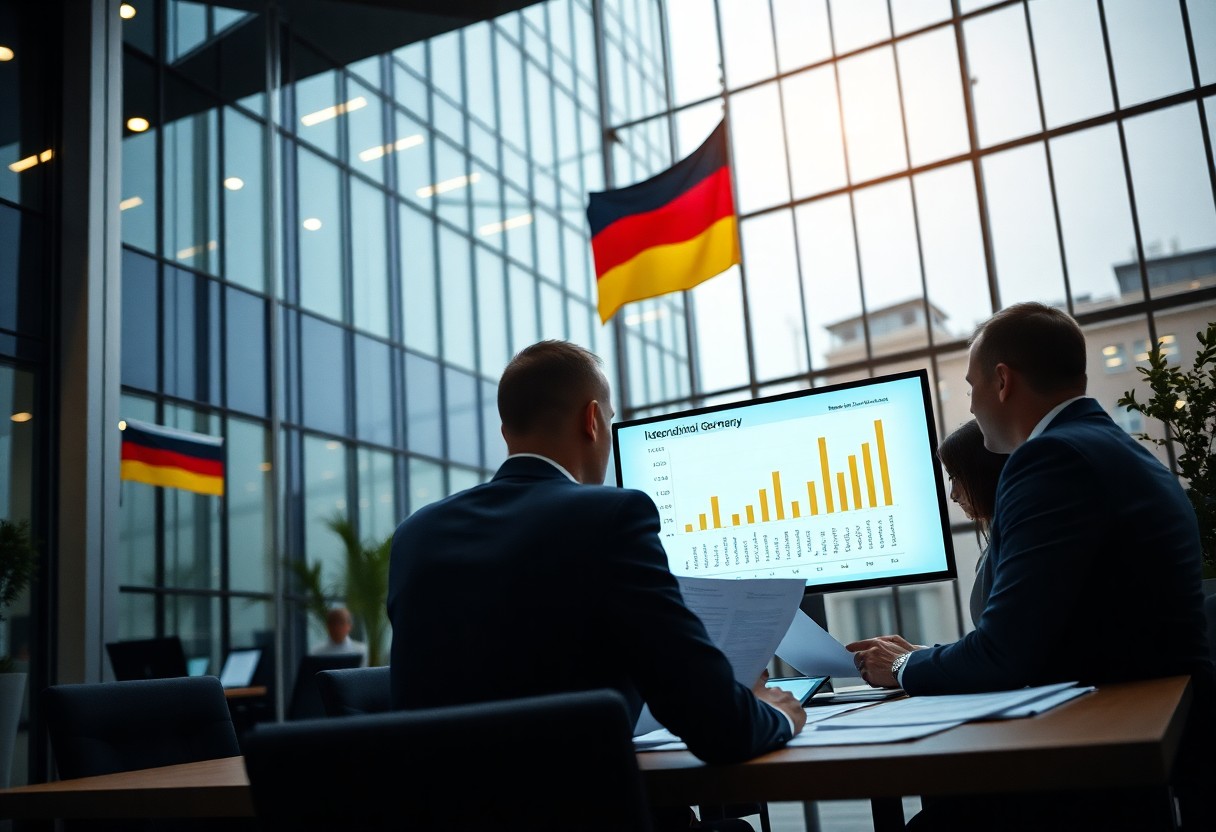
With Germany's robust economic landscape, you may find it an attractive destination for your investments. The country offers various corporate tax benefits that can enhance your financial returns while ensuring a stable business environment. As a foreign investor, understanding these tax advantages can significantly affect your decision-making process and overall success in the German market. This post will guide you through the key corporate tax incentives available to you, helping you capitalize on Germany's thriving business sector.
Understanding Corporate Taxation in Germany
While navigating the business landscape in Germany, it is important to understand the intricacies of corporate taxation. The country's tax system is robust and designed to be efficient, but it requires foreign investors to familiarize themselves with various regulations and requirements to ensure compliance and optimize their tax strategies. Understanding these elements is vital to your business's success and can significantly influence your investment decisions in Germany's thriving business sector.
Key Regulations Governing Corporate Taxation
At the core of corporate taxation in Germany are several key regulations that you must be aware of. These laws dictate not only the rates but also how tax obligations are fulfilled and how losses are carried forward. Familiarizing yourself with these regulations will greatly aid you in optimizing tax relief opportunities and ensuring your compliance with various legal requirements.





















Adherence to Germany's Corporate Tax Act is vital, as it outlines the specific corporate tax obligations and entitlements. Additionally, the Fiscal Code provides a thorough framework for tax procedures and compliance that all corporations must follow. Understanding these regulations is important for minimizing exposure to penalties that could arise from non-compliance.
Hence, as a foreign investor, understanding these regulations is imperative to developing a comprehensive tax strategy that aligns with your corporate objectives in Germany. Doing so not only ensures compliance but also helps you in optimizing your overall tax position.
Overview of the Corporate Tax System
Taxation in Germany primarily falls under federal and state jurisdiction, forming a complex structure that governs how corporations are taxed. Different types of taxes apply depending on the nature and structure of your business. It is important to be aware of both national regulations and any additional state-level taxation that may apply in the specific regions where your company operates.
| Aspect | Details |
| Corporate Income Tax Rate | 15% on net profits |
| Trade Tax | Varies by municipality, typically between 7% and 17% |
| Value Added Tax (VAT) | Standard rate of 19%, reduced rate of 7% for specific goods/services |
| Tax Filing Requirements | Annual corporate tax return must be submitted |
| Tax Year | Generally aligned with the calendar year |
Types of Corporate Taxes
In Germany, your corporation may be subject to various types of taxes beyond just corporate income tax. The two most significant types are the corporate income tax and trade tax. The corporate income tax is uniformly applied at a rate of 15%, while trade tax rates differ based on local municipalities. In addition to these, your corporation can also encounter value-added tax (VAT), which impacts your operations depending on your business model.
- Corporate Income Tax – 15% on profits
- Trade Tax – Variable rates based on location
- Value Added Tax (VAT) – 19% standard or 7% reduced rate
- Solidarity Surcharge – An additional 5.5% on corporate income tax
- Corporate Tax Return – Mandatory annual submission required
Knowing the various taxes applicable to your business can help you navigate the financial landscape more effectively.
| Tax Type | Rate/Details |
| Corporate Income Tax | 15% |
| Trade Tax | 7-17% (municipality-dependent) |
| Value Added Tax (VAT) | Standard 19%, reduced 7% |
| Solidarity Surcharge | Additional 5.5% on corporate tax |
| Property Tax | Varies by location |
Foreign Investments in Germany
One of the main engines driving economic growth in Germany is foreign investment. The country has established itself as a global economic powerhouse, attracting considerable amounts of foreign direct investment (FDI). The increasing presence of foreign capital in Germany's business sector not only bolsters the economy but also enhances job creation, technological innovation, and competitiveness. As an investor, understanding the importance of your contributions to the German economy is crucial in recognizing how your involvement can facilitate and encourage further economic development.
Importance of Foreign Investment in the German Economy
Foreign investments have a significant impact on the German economy. They bring in capital inflow, which aids in the development of various sectors, and help companies to scale their operations, thus driving innovation. The presence of international businesses fosters a competitive landscape, leading to improved products and services that can benefit consumers and stakeholders alike. As an investor, your role as a catalyst for economic progress can transform industries and create lasting value for the economy.
Furthermore, foreign investments contribute to the diversification of economic activities across regions in Germany. You will find that many regions benefit from specialized skills and knowledge transfer associated with international investments. This synergy between foreign and local businesses strengthens the overall economic fabric, allowing for resilience and sustainable growth. As you participate in the growing landscape of foreign investments, you contribute to building a robust and dynamic market environment.
Key Sectors Attracting Foreign Investment
Investments in Germany are concentrated in several key sectors, including manufacturing, information technology, renewable energy, and healthcare. The country's industrial base is one of the most advanced in the world, providing a fertile ground for foreign companies looking to expand their operations. As an investor, you will find that the technological landscape in Germany is supported by strong research institutions and universities, which create opportunities for collaboration and innovation. These sectors not only offer substantial returns on investment but also present opportunities to be part of pioneering advancements.
In addition to these traditional sectors, emerging industries such as fintech and e-mobility are gaining traction in Germany. As an investor, you should keep an eye on these trends, as they represent the future of the German economy. With a strong push towards sustainability and digitalization, there's considerable potential in aligning your interests with these growth areas, ensuring that you remain relevant in a rapidly evolving marketplace.
Trends in Foreign Direct Investment (FDI)
Sectors that are experiencing increased foreign direct investment (FDI) include technology, automotive, and health services. Your investment in these areas not only provides lucrative opportunities but also reflects broader economic trends within the country. The focus on digital transformation and green technologies is shaping the investment landscape, attracting foreign capital that seeks to leverage these advancements. As an investor, you will want to consider how these trends can impact your strategy and decisions.
Investment in FDI has shown resilience, even in uncertain times, highlighting Germany's stable regulatory environment and skilled workforce as key attractions. You can take comfort in knowing that by investing in Germany, you are part of a robust market that draws eager participation from international investors. Keep abreast of evolving trends and shifts in FDI preferences as they may present new avenues for your investments.
Corporate Tax Benefits for Foreign Investors
Now, as a foreign investor looking to establish or expand your business in Germany, it is imperative to understand the range of corporate tax benefits that you can leverage to optimize your investment portfolio. Germany, known for its robust economy and stability, offers various tax incentives aimed at attracting foreign direct investment. These incentives are structured to support businesses in their initial development phases and encourage innovation, ultimately fostering a favorable business environment.
Overview of Tax Incentives Available
Overview of the tax incentives available in Germany reveals a comprehensive framework designed to promote foreign investment. One of the key benefits is the reduced corporate tax rate for certain industries or regions, often tied to specific investment amounts or job creation targets. Additionally, the country offers investment grants, allowances for research and development (R&D) activities, and tax exemptions for specific business activities, which are all aimed at enhancing the financial feasibility of setting up operations.
Furthermore, certain sectors, such as renewable energy and technology, may qualify for additional tax benefits, including subsidies and grants for innovation-related investments. By understanding these incentives, you can better position your business to take full advantage of the financial advantages that Germany offers.
Double Taxation Agreements (DTAs)
Beside the direct incentives, Germany has entered numerous Double Taxation Agreements (DTAs) with various countries, designed to prevent the same income from being taxed in more than one jurisdiction. These treaties are a vital element in minimizing tax liabilities that may arise for foreign investors, making Germany a more attractive destination for your investments. By ensuring that you are not taxed on the same income in both Germany and your home country, DTAs help facilitate smoother cross-border investments and operations.
A significant benefit of DTAs is the reduction or elimination of withholding taxes on dividends, interest, and royalties, which can lead to substantial savings on cross-border payments. Consequently, when you engage with partners or subsidiaries in different countries, understanding the implications of DTAs becomes vital for effective financial planning and cost management.
Special Economic Zones and Their Benefits
Benefits of Special Economic Zones (SEZs) in Germany further enhance the attractiveness for foreign investors. These designated areas often come with tailored incentives such as significant tax reductions, simplified administrative procedures, and infrastructure support, all aimed at fostering economic activities. By establishing your business in an SEZ, you can benefit from a conducive environment that promotes efficiency, productivity, and growth potential.
In fact, many SEZs offer specific advantages such as lower corporate tax rates and exemptions from certain local taxes, which can lead to remarkable overall savings for your business. As you navigate Germany's business landscape, capitalizing on these zones can provide a strategic edge and facilitate quicker entry into the German market.
The Role of Investment Promotion Agencies
Unlike many other countries, Germany is home to a robust network of Investment Promotion Agencies (IPAs) that play a fundamental role in facilitating foreign investments. These agencies are dedicated to attracting and retaining foreign capital, providing a wealth of resources and support to ensure your business can thrive in the German market. Navigating the regulatory landscape and identifying opportunities for investment can often be daunting; however, the presence of these agencies simplifies the process significantly and adds tremendous value to your investment journey.
Key Agencies Supporting Foreign Investors
Investors can leverage the expertise of key agencies such as the German Trade & Invest (GTAI), which is the government agency responsible for supporting foreign investments. GTAI provides tailored support by offering comprehensive information about market entry, legal requirements, and regulatory frameworks specifically designed for foreign investors. Additionally, state-level agencies also operate to provide localized support and insights, ensuring that you have access to relevant information no matter where you plan to invest in Germany.
Another vital agency is the Federal Ministry for Economic Affairs and Energy. This ministry plays an important role in developing policies that favor foreign investments while also overseeing initiatives that streamline the investment process. Your interactions with these agencies can significantly reduce the time and resources required to establish your business presence in Germany.
Services Offered by Investment Promotion Agencies
Foreign investors benefit from various services provided by investment promotion agencies that are tailored to meet your specific needs. These services include comprehensive market analysis, assistance with finding local partners, and guidance on financing options. The agencies also assist you in understanding the legal and regulatory frameworks, enabling a smooth entry into the German market.
Agencies also offer tailored support in navigating bureaucratic processes, such as permits and licenses, which can often be time-consuming. By providing access to valuable resources, training programs, and networking opportunities, they ensure you have the tools you need to succeed. Moreover, some IPAs may even help facilitate introductions to local suppliers or industry-specific organizations, thereby enhancing your business development capabilities in Germany.
Case Studies of Successful Foreign Investments
By examining case studies of successful foreign investments in Germany, you can glean insights into effective strategies and best practices. The following examples illustrate how various companies have established themselves in the German market, benefiting from both the services offered by investment promotion agencies and the conducive business environment:
- Amazon: Invested €1 billion in Germany in 2020, creating over 5,000 jobs, primarily in logistics and technology.
- Siemens: Expanded its operations in Germany with a €600 million investment, focusing on digital industries and creating approximately 2,000 new jobs over five years.
- BMW: Invested €500 million in a new plant in Leipzig, resulting in the creation of 1,200 new jobs while enhancing their electric vehicle production capabilities.
- Alibaba: Launched their European hub in Frankfurt, marking an initial investment of €140 million which is expected to grow and create 1,500 jobs.
This focus on specific successful examples provides a better understanding of how foreign investments can flourish in Germany. The aforementioned case studies highlight the attractiveness of the German market and the support mechanisms in place that help facilitate the establishment of successful businesses.
This in-depth look at successful foreign investments can give you confidence as you consider entering Germany's business sector. Utilizing the available resources and learning from the experiences of others can provide a solid foundation for your investment initiatives and help maximize your opportunities for success.
Understanding the Tax Filing Process in Germany
Many foreign investors may find the tax filing process in Germany daunting, but understanding the steps involved can simplify your experience. Germany has a comprehensive tax system that mandates strict adherence to rules and regulations, ensuring that businesses operate within legal frameworks while maximizing available benefits. Knowing how to navigate the tax landscape can enhance your investment experience and help you align with best practices expected in the German market.
Steps for Registering a Business
Between selecting your business structure and finalizing the registration paperwork, the process of registering a business in Germany involves several key steps. First, you need to decide on the legal form of your business, whether it will be a sole proprietorship, partnership, or corporation. Once you decide, you can gather the necessary documentation, including a business plan and personal identification, to initiate your registration at the local trade office (Gewerbeamt).
After filing your registration, you will receive your business permit, which is important for tax purposes. Your next step will involve applying for a tax number at your local tax office (Finanzamt). It's important to communicate effectively with the tax authorities to ensure your business is properly registered under the tax regulations, which will provide you access to various company benefits and incentives available to foreign investors.
Corporate Tax Returns and Deadlines
Below, you will find important information related to filing corporate tax returns in Germany. Corporate tax returns must be submitted annually, typically within five months following the close of your financial year. However, if you engage a tax consultant, this deadline may be extended to up to seven months, allowing you more time to prepare accurate reports. Deadlines are strictly enforced, and failing to meet them can result in penalties and interest charges.
Steps to submit your corporate tax return include filing your annual financial statements and any necessary supporting documents. It's important to stay organized and keep comprehensive records throughout the year to facilitate this process.
Important Documentation Required
Around the time of your business registration and tax return submission, you will need to gather various documents to ensure compliance. Your annual financial statements, which include your balance sheet, profit and loss account, and the notes to the financial statements, are fundamental. Being precise in your documentation is vital as these documents provide a clear overview of your business's financial health and form the basis for your tax calculation.
Consequently, you must also keep meticulous records of income, expenses, and any supporting documentation related to deductions or credits you plan to claim. This thoroughness not only helps you adhere to German tax regulations but also enhances your credibility as an investor in the German market.
Tax Structures and Rates
For foreign investors looking to navigate the German business landscape, understanding the tax structures and rates is necessary to optimizing your financial performance. Germany features a multi-faceted tax system that can influence your investment decisions. You'll find different taxes applicable at the corporate level, including corporate income tax, local trade taxes, and value-added tax (VAT), each of which plays a significant role in the overall taxation landscape.
Corporate Tax Rate Overview
Any foreign investor should start by familiarizing themselves with the corporate tax rate in Germany, which is currently set at 15%. This rate applies to your company's taxable profits and acts as a baseline for your tax liabilities. In addition to this federal rate, you'll need to account for the solidarity surcharge, which is an additional 5.5% levied on the corporate tax amount, effectively raising the total tax rate to approximately 15.825%.
Any discussion of corporate taxes in Germany should also include the effective tax rate, which varies depending on local trade taxes. Different municipalities set their own trade tax rates, which can range from 7% to 17%, with the average typically around 14%. This can lead to significant variability in the overall tax burden depending on where you decide to establish your business.
Local Trade Taxes
Around Germany, local trade taxes are an necessary factor for foreign investors to consider when planning their business operations. These taxes, known as Gewerbesteuer, are applied to the profits of businesses operating locally. The local municipalities have the authority to set their trade tax rates, leading to differences across regions, which may impact your decision on where to set up your business.
At a fundamental level, local trade taxes can add a layer of complexity to your tax planning. Given the local variations, you may want to conduct a thorough analysis of the municipalities where you are considering establishing your operations in order to accurately project your overall tax liabilities.
Value Added Tax (VAT) Implications
Added to the corporate tax landscape are Value Added Tax (VAT) considerations, which are necessary for any business engaging in the sale of goods or services in Germany. The standard VAT rate is currently set at 19%, with a reduced rate of 7% applicable to specific categories such as food and certain cultural services. Understanding these rates is vital as they can affect pricing strategies and profit margins for your business.
Consequently, your investment and operational strategies may need to reflect the implications of VAT. If you intend to sell products or services within Germany, proper VAT registration and compliance are mandatory to avoid potential penalties. Additionally, you can reclaim VAT on eligible business expenses, which could enhance your cash flow management and improve your overall financial standing in the German market.
Incentives for Research and Development (R&D)
After establishing your business in Germany, you may find that the country offers a range of incentives to support your research and development (R&D) initiatives. These incentives can significantly enhance your investment, making it easier for you to innovate and grow within the competitive landscape. Germany recognizes the importance of R&D in fostering economic development and competitiveness, which is why it has implemented several tax benefits specifically tailored for foreign investors engaging in R&D activities.
Special Tax Benefits for R&D Activities
At the core of Germany's incentives for R&D are special tax benefits designed to relieve your financial burdens. As a foreign investor, you can take advantage of tax deductions on eligible R&D expenses, which typically include personnel costs, material expenses, and overheads directly connected to your R&D projects. These deductions can offset your taxable income, allowing for potential savings that can be reinvested into further innovations or other aspects of your business.
Additionally, certain federal and state-level tax credits may also be available, further enhancing the financial advantages of your R&D endeavors. By taking full advantage of these benefits, you stand to significantly increase the return on your R&D investments, making Germany an attractive option for your company.
Government Grants and Funding Programs
On top of tax incentives, the German government provides a variety of grants and funding programs specifically aimed at supporting R&D efforts. These initiatives are designed not only to promote innovation but also to encourage foreign investors like you to contribute to the nation's technological advancements. You may qualify for direct funding from federal institutions or EU programs, providing additional financial resources to pursue your R&D objectives.
This support can come in many forms, such as non-repayable grants, low-interest loans, or subsidies for specific R&D projects. Engaging with local chamber of commerce or technology transfer offices can help you find suitable funding options that align with your business goals and technological pursuits.
Impact of Innovation on Tax Benefits
Before you begin on your R&D activities in Germany, it's beneficial to understand how your innovations can influence the range of tax benefits available to you. The more groundbreaking your research, the higher the potential for tax reliefs you can access, as the German tax system places a strong emphasis on fostering advanced technology development. This dynamic can serve as a compelling incentive to push the boundaries of your current projects.
Moreover, the success of your innovations can lead to increased revenues, which may further enhance your eligibility for additional tax incentives as your business expands. Understanding this relationship can help you strategically plan your R&D investments in a way that maximizes both innovation and financial rewards.
But while you may be eager to take advantage of these tax benefits, it is important to ensure that your R&D activities meet the eligibility criteria defined under German law. By staying informed and compliant, you can leverage these incentives to their fullest extent, ultimately driving your business towards sustainable growth and success in the German market.
Regional Considerations for Investors
Once again, when delving into the landscape of corporate tax benefits in Germany, it is necessary to consider the various regional dynamics. Germany boasts a diverse array of economic zones, each presenting unique advantages for foreign investors. Grasping these regional distinctions can significantly enhance your investment strategy, guiding you toward the most beneficial location for your business operations.
Overview of Economic Zones in Germany
Across the country, Germany's economic zones are characterized by distinct features that cater to different sectors and industries. The central regions, like Bavaria and Baden-Württemberg, are known for their innovative technologies and R&D activities, while northern areas, such as Hamburg and Bremen, excel in logistics and maritime industries. You will find that regions like Saxony or Thuringia often promote their competitive labor costs and incentives for startups, making them attractive for emerging businesses.
Comparison of Tax Benefits by Region
Besides the economic advantages, it is valuable to assess the tax benefits offered in different regions. The table below summarizes key tax incentives across major regions in Germany:
| Region | Tax Benefits |
|---|---|
| Bavaria | Low corporate tax rates, extensive grants for R&D |
| North Rhine-Westphalia | Incentives for industrial investments and workforce training |
| Saxony | Attractive offers for startups and tech companies |
| Hessen | Favorable investment conditions for financial services |
Investors seeking to maximize their returns should probe deeper into the specific tax policies of these regions. The table below provides additional insights on other relevant incentives offered by various federal states:
| Region | Additional Incentives |
|---|---|
| Thuringia | Support for technology transfer and innovation projects |
| Baden-Württemberg | Grants for environmental technology investments |
| Berlin | Startup-friendly regulations and tax deductions |
| Brandenburg | Aid for renewable energy investments |
Local Market Dynamics and Their Influence
Local market dynamics play a significant role in shaping your investment decisions in Germany. Understanding the consumer behavior, purchasing power, and industry-specific trends in each region will aid you in tailoring your business strategy effectively. Markets in metropolitan areas tend to exhibit higher consumer demand and diverse talent pools, while rural areas may offer lower operational costs and specialized opportunities.
Indeed, regional market conditions can greatly affect your operational success. Factors such as local competition, supply chain logistics, and strategic partnerships should not be overlooked. By aligning your business model with the characteristics of the local market, you can position yourself for success and leverage the regional advantages to boost your company's performance in Germany's robust economy.
Financial Instruments and Mechanisms for Foreign Investors
Your decision to invest in Germany's business sector can be bolstered by a variety of financial instruments and mechanisms designed to facilitate access to capital and streamline your investment process. Understanding these options can be crucial in navigating the complexities of the German marketplace while maximizing your returns.
Access to Loans and Credits
Beside traditional banking institutions, foreign investors in Germany can benefit from a range of specialized financial products aimed at easing access to loans and credits. Various banks and financial institutions in Germany offer favorable loan terms, particularly for sectors that the government actively promotes, such as green energy and technology. As a foreign investor, you may also find tailored financial services designed to meet the unique needs of international clients.
Importantly, local banks can provide you with insight into regional funding opportunities, helping you identify potential subsidies and grants available to foreign investors. Collaborating with local financial advisors or institutions further enhances your access to a diversified portfolio of credit instruments, which can be pivotal in scaling your business operations in Germany.
Equity Financing Options
Around the landscape of investment, equity financing options represent another vital channel through which you can fund your business ventures in Germany. Various mechanisms exist, from venture capital and private equity to crowdfunding platforms, catering to a wide array of industries. These equity financing methods not only provide crucial funding but also often come with strategic value through the guidance and expertise of investors.
In addition to traditional equity financing, Germany has seen a rise in innovative financing options, including impact investing and social venture capital, which focus on generating social or environmental benefits alongside financial returns. Such opportunities can align with your own corporate social responsibility goals while allowing you to attract investors with similar values.
Public-Private Partnerships
The establishment of public-private partnerships (PPPs) can also provide foreign investors with a significant opportunity for collaboration and funding in Germany's business sector. These partnerships enable a constructive dialogue between public entities and private enterprises, facilitating access to crucial resources and infrastructure. As a foreign investor, engaging in PPPs can offer benefits such as shared investment risk and enhanced access to government contracts, among other potential advantages.
Financing through public-private partnerships can also mean accessing substantial government incentives and support initiatives. These arrangements can amplify your investment's reach and impact while ensuring that you are operating in alignment with local priorities and regulatory frameworks, ultimately strengthening your business case in the German market.
Compliance and Regulatory Issues
All foreign investors aiming to capitalize on Germany's business sector must navigate a complex web of compliance and regulatory frameworks. Understanding these regulations is not only necessary for lawful operation but can also significantly impact the success of your investments. In adherence to local laws, you will encounter various requirements, from tax obligations to labor laws and environmental regulations, which can vary depending on the region and industry focused on.
Navigating the Compliance Landscape
For many investors, comprehending the compliance landscape can be daunting due to the multifaceted nature of German regulations. This complexity can arise from the interaction of federal, state, and local laws, each with specific procedures and requirements. Engaging with local legal experts or compliance advisors can greatly simplify this process, ensuring that you meet all obligations and reduce the risk of penalties or legal challenges.
Key Challenges for Foreign Investors
Navigating the German regulatory environment presents unique challenges for foreign investors. One of the primary hurdles is the language barrier, which can hinder your understanding of local laws and regulations. Additionally, differences in business practices, cultural expectations, and the rigorousness of compliance can add layers of complexity that may not exist in your home country.
Even minor missteps in compliance can lead to significant repercussions, including fines, sanctions, or disruptions in operations. As a foreign investor, you may find yourself grappling with bureaucratic processes that differ from what you're accustomed to. To mitigate these risks, it's advisable to actively engage with local chambers of commerce and industry networks that can provide guidance and resources tailored to your specific business context.
The Role of Legal Advisors in Compliance
Any successful investment strategy in Germany will involve collaboration with legal advisors who specialize in compliance and regulatory issues. These professionals can provide insights into local laws, assist with contract negotiations, and ensure that your operations remain compliant with all regulatory requirements. By forming a partnership with legal experts, you not only enhance your understanding of the legal landscape but also build a network of support for your business endeavors.
But, it's necessary to choose legal advisors who are familiar with both the local environment and international business practices. This dual expertise will equip you to navigate the complexities of compliance more effectively while also aligning your investment strategy with best practices in governance and risk management. Selecting the right advisor can provide peace of mind, allowing you to focus on your core business objectives without being sidetracked by regulatory issues.
Impact of International Trade Policies
Not only does Germany offer an attractive corporate tax environment, but it is also significantly influenced by a myriad of international trade policies. As an investor, your understanding of these policies is crucial in navigating the landscape of foreign investment. Trade agreements can reduce barriers to entry, enhance market access, and create collaborative opportunities that are beneficial for your business interests in Germany.
Current Trade Agreements Affecting Foreign Investment
Impact of existing trade agreements on your investment strategy cannot be overstated. Germany is a member of the European Union, which has established various trade agreements with numerous countries, elevating potential for foreign investors like you. These agreements often result in reduced tariffs, greater market access, and efficient supply chains, enhancing the likelihood of successful business operations in Germany.
Additionally, Germany's participation in free trade agreements (FTAs) fosters a stable economic environment for foreign businesses. By leveraging these agreements, you can partake in cross-border trade, making your investment more fruitful while minimizing bureaucratic hurdles and increasing competitiveness in the German market.
Tariffs and Non-Tariff Barriers
Among the various elements that can influence your investment in Germany, understanding tariffs and non-tariff barriers is vital. While tariffs refer to the taxes imposed on imported goods, non-tariff barriers can include quotas, licensing requirements, and technical standards set by governments. Your ability to navigate these aspects can play a significant role in the overall success of your investments.
In fact, knowing the specific tariffs and non-tariff barriers applicable to your products can help you optimize your supply chains and reduce costs. By actively researching and adapting to these regulations, you can streamline your operations, improve profitability, and gain a competitive advantage in the German market.
Effects of Brexit on German Corporate Tax Benefits
International trade has undergone significant changes following Brexit, with varying impacts on corporate tax benefits for foreign investors in Germany. As the UK has now separated from the EU, its differences in trade policies may affect your investment decisions. For instance, regulatory divergences could create uncertainty, leading you to reconsider your approach to the German market.
Moreover, Brexit may result in altered supply chain dynamics. If your business traded with the UK, you might experience increased costs or delays due to new customs checks and tariffs. This situation presents an opportunity for investing in German supply chains, where you could benefit from a more streamlined process and favorable tax conditions in the EU, particularly Germany.
Another consideration is the potential shift in investor focus due to Brexit. Some investors may choose to relocate their operations to Germany to maintain access to EU markets. This trend can lead to increased competition and possibly influence corporate tax policies, creating both opportunities and challenges for you as an investor in this evolving landscape.
Sector-Specific Tax Benefits
To understand the full range of corporate tax benefits available for foreign investors in Germany's business sector, it is imperative to explore the incentives specific to different industries. By aligning your investment decisions with these sector-specific advantages, you can optimize your tax strategy while contributing to Germany's vibrant economy.
Manufacturing Sector Incentives
The manufacturing sector in Germany is renowned for its precision and innovation. As a foreign investor, you can benefit from various tax incentives aimed at enhancing production capabilities and encouraging sustainable practices. This includes investment grants, tax exemptions on machinery, and a reduction in energy taxes, which are significant factors in driving down operational costs.
Additionally, if your manufacturing investment leads to job creation or significantly contributes to an area marked for economic growth, you may qualify for further tax deductions and financial support from regional development agencies. Leveraging these benefits can help you maximize returns on your investment while fostering a positive business environment.
Technology and Innovation Sector Incentives
With Germany positioned as a leader in research and development, the technology and innovation sector offers an array of tax incentives designed to stimulate growth and attract foreign investment. You can take advantage of subsidies specifically aimed at R&D activities, as well as generous deductions for innovative projects and technology-related expenditures.
Furthermore, initiatives such as the Research Grant Program provide funding opportunities that can significantly ease the financial burden of developing new technologies. Your company could also potentially benefit from partnerships with universities and research institutions, facilitating knowledge transfer and boosting your innovation capacity.
Even as Germany embraces digital transformation, the government continues to support initiatives that encourage the adoption of new technologies through various tax incentives. These can include accelerated depreciation for digital assets, grants for cyber-security improvements, and subsidies for companies undertaking substantial digitalization projects, all of which can enhance your competitive edge in the market.
Service Sector Tax Benefits
At the forefront of Germany's economy, the service sector encompasses a wide array of fields, including finance, healthcare, and consulting. As a foreign investor in this sector, you can benefit from specific tax reductions and exemptions. For instance, investments in businesses that enhance community welfare or promote environmental sustainability may qualify for favorable tax treatment, allowing you to lower your overall tax burden.
Additionally, targeted incentives for investments in digital services or the establishment of shared service centers can improve operational efficiency. By strategically positioning your service business in Germany, you can tap into a skilled workforce and benefit from networking opportunities that can further advance your business goals.
To maximize your advantages in the service sector, consider aligning your organizational objectives with Germany's focus on digital transformation and sustainability. By doing so, you can not only take full advantage of available tax benefits but also align your business practices with global trends, thereby enhancing your market standing and long-term profitability.
Case Studies of Successful Foreign Investors in Germany
Keep in mind that numerous foreign investors have successfully navigated the German business landscape, leveraging the corporate tax benefits to enhance their market presence. Here's a detailed look at some noteworthy case studies:
- Volkswagen AG (USA): In 2021, Volkswagen reported a revenue increase to €250 billion, significantly driven by its operations in Germany, where it benefited from tax incentives aimed at boosting electric vehicle production.
- BMW AG (UK): BMW made significant investments in its German facilities that totaled €1.5 billion in 2022, allowing the company to capitalize on reduced tax rates for R&D expenses.
- Siemens AG (India): Siemens expanded its manufacturing operations in Germany, investing approximately €400 million in 2020, which allowed it to take advantage of favorable depreciation rules.
- Amazon (USA): With a reported revenue of €25 billion in 2022, Amazon's operations in Germany benefit from favorable tax treatment on logistics and supply chain innovations.
- BASF (China): The chemical giant invested €800 million in a new plant in Ludwigshafen, benefiting from tax incentives for environmentally sustainable projects.
Profiles of Successful Investment Ventures
One of the most compelling stories among foreign investors in Germany is that of Tesla. The electric vehicle manufacturer broke ground on its Gigafactory Berlin in 2020, with an investment of around €5 billion. Tesla Project aimed to produce up to 500,000 vehicles per year and create over 12,000 jobs. Tax incentives in the form of grants and reduced corporate tax rates have significantly improved the financial outlook for Tesla's venture in Germany.
Another excellent example is the German operations of Google. The tech giant has operations in Munich and Berlin, with investments exceeding €1 billion in data center expansion over the past few years. These initiatives have not only created thousands of jobs but have also allowed Google to benefit from Germany's tax credits for technology and innovation, boosting its competitive edge in the European market.
Analysis of Tax Strategies Employed
By examining the tax strategies of successful foreign investors in Germany, you will find that many have consistently leveraged available incentives designed to attract foreign capital. For instance, both Volkswagen and BMW utilize R&D allowances, allowing them to substantially reduce their taxable income each year. Additionally, these companies have engaged in profit repatriation strategies, ensuring that their earnings can be recycled into further developments or innovation initiatives in Germany.
But what truly sets these investors apart is their focus on long-term planning. Companies typically work with tax advisors following state and federal guidelines to maximize their eligibility for tax incentives. This foresight allows them to not only save on taxes but also re-strategize based on changes in taxation laws or emerging opportunities in different sectors, thereby optimizing their overall investment approach.
Lessons Learned from Foreign Investors
Against the backdrop of these case studies, you can glean valuable insights into the lessons learned from foreign investors in Germany. Firstly, the importance of understanding the local tax landscape cannot be overstated. Engaging with local legal and financial experts can guide you toward the most beneficial practices and available incentives tailored to your business needs. Furthermore, foreign investors have benefitted from maintaining a strong relationship with government bodies, which can be advantageous when it comes to navigating regulatory frameworks and tax incentives.
Considering the experiences of these successful investors, adaptability stands out as a key lesson. As the market and tax environment evolve, being flexible and prepared to pivot can significantly enhance your investment strategy. The ability to adjust your business approach based on regulatory changes, economic trends, or technological advancements can provide you with a competitive advantage in Germany's dynamic business sector.
Future Outlook for Foreign Investment and Taxation in Germany
Despite the evolving global economic landscape, Germany remains a vibrant hub for foreign investment, particularly in its business sector. As you look towards the future of investment opportunities, understanding the potential shifts in taxation policies is crucial for making informed decisions. The German government has shown a willingness to adapt its tax framework to align with international standards, which may impact your investment strategy in the coming years.
Anticipated Changes in Tax Legislation
Beside the ongoing discussions around digital taxation and environmental sustainability, Germany is likely to introduce modifications in its corporate tax structure. These changes may aim to simplify compliance and attract more foreign investors like yourself. It is anticipated that policies will lean towards reducing the tax burden on businesses, particularly those that engage in innovative and sustainable practices.
Furthermore, as Germany seeks to position itself as a leader in green technology and digital transformation, you may find that new incentives related to research and development, as well as renewable energies, could emerge. These incentives will not only encourage investment but also align with global trends towards sustainability, allowing you to benefit from both fiscal advantages and contribute positively to the economy.
Emerging Trends in Global Investment
Among the significant shifts in global investment patterns, a noticeable increase in interest towards sustainable and socially responsible investments is making waves. Investors like you are increasingly prioritizing not just returns, but also the environmental and social impact of their investment choices. As Germany boosts its efforts to foster an eco-friendly business environment, you can expect to find more opportunities aligning with these values.
Even in uncertain economic times, the push for digitalization and technological innovation continues to reshape the investment landscape. This trend opens doors for foreign investors seeking involvement in Germany's growing tech ecosystem, ranging from startups to established companies in IT and automation. By participating in these endeavors, you position yourself at the forefront of transformative industries that reflect global investment philosophies.
Germany's Position in the Global Economy
Germany's economic strength is reflected in its robust industrial base and a reputation for high-quality products. As a foreign investor, your involvement in this marketplace offers substantial opportunities. Germany's strategic geographic location at the heart of Europe enhances your potential to tap into not only local markets but also other European economies. With a well-developed infrastructure, including transport and logistics, Germany remains an attractive destination for foreign capital.
Germany is actively addressing the challenges posed by global shifts such as geopolitical tensions and technological advancements. By fostering innovation and adhering to strong regulatory frameworks, the country aims to maintain its competitive edge. As you evaluate your investment options, you can take confidence in Germany's proactive approach to economic stability and growth, ensuring a favorable environment for future endeavors.
Conclusion
The corporate tax benefits for foreign investors in Germany's business sector present a compelling opportunity for you to enhance your portfolio while contributing to a vibrant economy. By understanding the favorable tax structures and incentives available, you can strategically position your investments for maximum returns. The German government actively encourages foreign investment, offering attractive measures that can minimize your tax burden and promote a sustainable business environment.
Engaging with the German business landscape allows you to tap into a well-regulated and robust market, where the prospects are ripe for growth. By leveraging the various incentives available, you not only fortify your business's foundation but also pave the way for long-term success. As you consider your investment strategies, keep the significant advantages of operating within Germany's tax framework in mind to fully realize the potential of your foreign investments.
FAQs
What is the corporate income tax rate in Germany?
The corporate income tax rate in Germany is 15% on net profits.
What types of taxes apply to foreign investors in Germany?
Foreign investors in Germany are subject to corporate income tax, trade tax, VAT, and solidarity surcharge, among others.
What is the trade tax rate in Germany?
The trade tax rate in Germany varies by municipality, typically ranging from 7% to 17%.
How does the VAT system work in Germany?
The standard VAT rate in Germany is 19%, with a reduced rate of 7% for certain goods and services.
What is a Special Economic Zone (SEZ) in Germany?
SEZs in Germany offer benefits like tax reductions, simplified procedures, and infrastructure support to attract foreign investment.
How does the Double Taxation Agreement (DTA) benefit foreign investors?
DTAs prevent the same income from being taxed in both Germany and the investor’s home country, reducing tax liabilities.
Which sectors are most attractive to foreign investors in Germany?
Key sectors include manufacturing, IT, renewable energy, healthcare, fintech, and e-mobility.
What are the main corporate tax incentives for foreign investors in Germany?
Germany offers tax reductions for specific industries, grants for R&D, and tax exemptions for certain business activities.
What is the process for filing corporate taxes in Germany?
Foreign investors must submit an annual corporate tax return, typically within five months after the end of the fiscal year.
Which agencies support foreign investments in Germany?
Key agencies include German Trade & Invest (GTAI) and the Federal Ministry for Economic Affairs and Energy, which help foreign investors navigate regulatory processes.

Michael
With nearly 30 years in corporate services and investigative journalism, I head TRIDER.UK, specializing in deep-dive research into gaming and finance. As Editor of Malta Media, I deliver sharp investigative coverage of iGaming and financial services. My experience also includes leading corporate formations and navigating complex international business structures.
Related Posts


UK Gambling Tax Increase: Impact and Market Risks
April 3, 2026


Brazil betting tax revenue rises 47% in February 2026
March 26, 2026
BHA criticises UK move to keep betting levy unchanged
March 26, 2026