The Ultimate Guide to Marketing in Malta
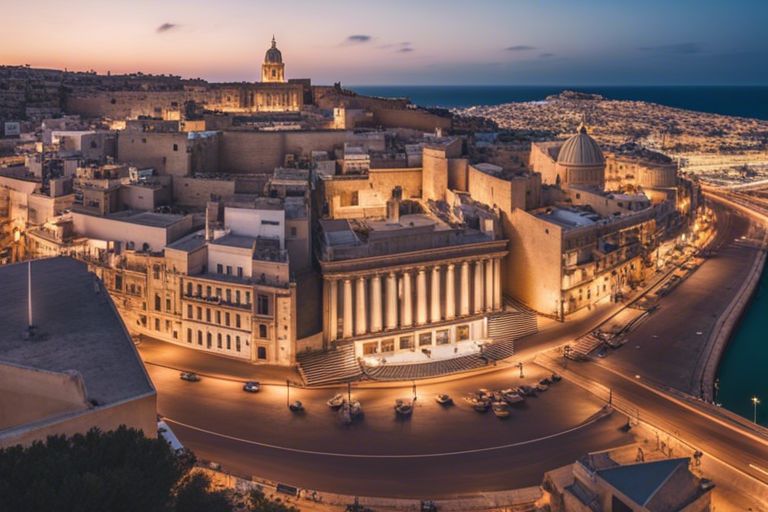
Ultimate in its relevance, this comprehensive guide dives deep into the intricate world of #marketing in #Malta. From understanding the unique cultural nuances to navigating the competitive landscape, this guide equips you with all the crucial knowledge and strategies needed to excel in marketing within this island nation.
Understanding the Maltese Marketplace
While venturing into the vibrant marketplace of Malta, it is important to gain a comprehensive understanding of the unique characteristics that shape consumer behavior in this Mediterranean nation.
Demographic Overview
One key factor to consider is the demographic makeup of Malta. The population is relatively small, with just over 500,000 residents. Despite its size, Malta has a diverse cultural fabric, with a mix of Maltese nationals and expatriates from various countries. The population is also known for its aging demographic, with a considerable proportion of elderly citizens. Understanding these demographic trends is crucial for tailoring marketing strategies that resonate with the target audience.





















Cultural Influences on Consumption
An important aspect to consider when delving into the Maltese marketplace is the strong influence of cultural factors on consumer behavior. Maltese society values tradition, family, and community, which significantly impact purchasing decisions. Maltese consumers are known for their brand loyalty and preference for local products, reflecting a deep-seated pride in their heritage. Moreover, the influence of religion, particularly Catholicism, plays a significant role in shaping consumer attitudes and behaviors.
Cultural influences on consumption in Malta are deeply rooted and have a profound impact on marketing strategies. It is important for businesses to align their messaging and products with the cultural values and norms of the Maltese population to effectively engage with consumers and build lasting relationships.
Types of Marketing Strategies in Malta
Any effective marketing strategy in Malta must take into account the unique characteristics of the Maltese market. From the digital landscape to the traditional marketing channels, businesses need to tailor their approach to appeal to the local audience. Here are some of the main marketing strategies used in Malta:
| Digital Marketing | Traditional Marketing |
| Social media marketing | Print advertisements |
| Search engine optimization (SEO) | Television commercials |
| Email marketing | Billboard advertising |
| Content marketing | Radio promotion |
| Pay-per-click (PPC) advertising | Direct mail campaigns |
Digital Marketing
Marketing in Malta has seen a significant shift towards digital marketing in recent years. Businesses are leveraging social media platforms like Facebook and Instagram to reach their target audience. Additionally, search engine optimization (SEO) is crucial for improving online visibility and attracting organic traffic to websites. Email marketing campaigns and content marketing are also popular strategies used to engage with customers and drive conversions.
Traditional Marketing
Some businesses in Malta still rely on traditional marketing methods to promote their products or services. Print advertisements in newspapers and magazines, television commercials, and billboard advertising are commonly used to reach a wider audience. Radio promotion and direct mail campaigns are also effective in targeting specific demographics. For instance, traditional marketing channels can be particularly useful for reaching older demographics who may not be as active online.
This diverse marketing landscape in Malta offers businesses a range of options to connect with their target audience and drive growth.
Marketing Tips for Maltese Audience Engagement
For businesses looking to engage with their Maltese audience, it's important to understand the local culture and preferences. By implementing strategies tailored to the Maltese market, you can effectively connect with your target audience and build long-lasting relationships. Here are some marketing tips to help you engage with the Maltese audience:
Localizing Content and Brand Messages
Some Maltese consumers prefer content that is personalized and resonates with their culture. To effectively engage with the Maltese audience, consider localizing your content and brand messages. This can include using Maltese language in your marketing materials, incorporating local traditions and references, and showcasing Malta-specific imagery. By tailoring your content to the Maltese audience, you can establish a stronger connection and foster brand loyalty.
Leveraging Local Events and Festivities
Some of the most effective ways to engage with the Maltese audience is by leveraging local events and festivities. Malta is known for its vibrant festivals and celebrations, which present great opportunities for businesses to connect with the local community. By participating in or sponsoring local events, you can increase brand awareness, drive engagement, and show your commitment to the Maltese culture. Any successful marketing strategy in Malta should include a plan to leverage these opportunities.
Tips: When engaging with the Maltese audience, consider the impact of local traditions, values, and cultural nuances on your marketing approach. By respecting and incorporating these elements into your strategies, you can enhance audience engagement and establish a strong presence in the Maltese market.
Step-by-Step Guide to Launching a Campaign in Malta
All aspects of launching a successful marketing campaign in Malta can be broken down into clear steps. Below is a structured guide to help you navigate the ins and outs of marketing in this unique Mediterranean market.
Market Research
| Little Market Research | Campaign Planning |
| Before launching a campaign in Malta, it is crucial to conduct thorough market research. Understand the local culture, consumer behavior, and competitors to tailor your campaign effectively. | Market research plays a pivotal role in defining your target audience, messaging, and channels for the campaign. By gathering data and insights, you can create a more targeted and impactful marketing strategy. |
Campaign Planning
While market research sets the foundation, campaign planning involves creating a strategic roadmap for your marketing efforts in Malta. Identify clear objectives, budgets, timelines, and key performance indicators to ensure a structured approach to your campaign.
Execution and Monitoring
Launching a campaign in Malta requires careful execution and continuous monitoring. Ensure all elements of your campaign, from creative assets to media placements, align with your strategy. Monitor key metrics and make adjustments as needed to optimize campaign performance.
Analysis and Optimization
To maximize the effectiveness of your campaign in Malta, thorough analysis and optimization are vital. Evaluate the performance of different elements, such as creatives and messaging, and make data-driven decisions to improve results. Continuous optimization is key to achieving your marketing goals in this competitive market.
Research: A/B testing, audience segmentation, and competitor analysis are vital tools for optimizing your campaign in Malta. By leveraging data and insights, you can refine your strategy and achieve better results.
Key Factors for Successful Marketing in Malta
Despite the small size of Malta, successful marketing in the country requires a strategic approach that takes into account regulatory considerations, understanding competition, and choosing the right channels. To effectively reach your target audience and stand out in the competitive market, it is crucial to navigate these key factors with precision.
Regulatory Considerations
The regulatory landscape in Malta plays a significant role in shaping marketing strategies. It is crucial to familiarize yourself with the local laws and guidelines, particularly those related to data protection, advertising standards, and industry-specific regulations. Failure to comply with these regulations can result in severe consequences, including fines and damage to your brand's reputation.
Understanding Competition
Some of the key factors to consider when analyzing the competitive landscape in Malta include market saturation, consumer preferences, and pricing strategies. Understanding your competitors' strengths and weaknesses can help you position your brand effectively and differentiate yourself in the market.
Competition in Malta can be fierce, with both local businesses and international brands vying for the attention of consumers. To succeed in this competitive environment, businesses must continuously adapt their marketing strategies to stay ahead of the competition and meet the evolving needs of their target audience.
Choosing the Right Channels
Once you have a solid understanding of the regulatory landscape and competition in the market, it is crucial to select the right marketing channels to reach your target audience effectively. Whether you opt for digital marketing channels such as social media and email or traditional channels like print and outdoor advertising, your choice of channels should align with your overall marketing objectives and resonate with your target audience.
To maximize your marketing efforts and achieve the best possible results, consider utilizing a mix of channels that complement each other and provide a consistent brand experience across touchpoints. By diversifying your marketing channels and monitoring their performance, you can optimize your marketing strategies for success in Malta.
Pros and Cons of Marketing in Malta
Now, let's take a closer look at the pros and cons of marketing in Malta. It's important to understand the advantages and challenges that come with marketing in this unique and vibrant country.
| Pros | Cons |
| Strategic location for reaching European markets | Small market size may limit growth opportunities |
| Strong tourism industry provides marketing opportunities | Intense competition in key industries |
| Supportive government policies for businesses | High cost of living and doing business |
| Bilingual population (English and Maltese) | Limited pool of skilled marketing professionals |
Advantages of a Niche Market
Niche marketing in Malta can be highly advantageous for businesses looking to target specific audience segments. By focusing on a niche market, companies can establish themselves as experts in their field, build strong relationships with customers, and differentiate themselves from competitors. This can lead to increased brand loyalty and customer retention, ultimately driving sales and revenue.
Additionally, operating in a niche market allows businesses to tailor their marketing strategies to meet the specific needs and preferences of their target audience. This personalized approach can result in higher conversion rates and a more efficient use of resources, as marketing efforts are directed towards those most likely to engage with the brand.
Challenges and How to Overcome Them
Now, let's address some of the challenges that businesses may face when marketing in Malta and explore strategies to overcome them. One common challenge is the small market size, which can limit growth opportunities for businesses. To overcome this, companies can look to expand their reach beyond Malta by leveraging digital marketing channels and targeting international markets. By diversifying their customer base, businesses can mitigate the impact of the limited local market size.
Marketing in Malta also comes with the challenge of intense competition in key industries. To stand out in a crowded marketplace, businesses can differentiate themselves through unique value propositions, compelling branding, and innovative marketing campaigns. By focusing on what sets them apart from competitors, businesses can capture the attention of consumers and carve out a distinctive position in the market.
Marketing in Malta offers a range of opportunities and challenges for businesses looking to establish their presence in this dynamic market. By understanding the pros and cons, as well as implementing strategic marketing tactics, companies can navigate the landscape and achieve success in Malta's evolving business environment.
Summing up
On the whole, ‘The Ultimate Guide to Marketing in Malta' provides a comprehensive overview of the marketing landscape in Malta, covering various strategies, trends, and tips for effectively reaching the local audience. From digital marketing to traditional advertising, this guide offers valuable insights and practical advice for businesses looking to establish a strong presence in the Maltese market.
By understanding the unique cultural nuances, consumer behavior, and regulatory framework of Malta, marketers can tailor their campaigns to resonate with the local population and achieve their business objectives. With the information and strategies outlined in this guide, businesses can navigate the Maltese market with confidence and optimize their marketing efforts for success.
FAQs
What are some key cultural influences on consumer behavior in Malta?
Maltese society values tradition, family, and community, influencing purchasing decisions and brand loyalty.
What types of marketing strategies are effective in Malta?
Effective strategies include digital marketing (social media, SEO), and traditional methods (print ads, TV commercials).
How can businesses engage with the Maltese audience effectively?
By localizing content, leveraging local events, and respecting cultural values in marketing approaches.
What steps are involved in launching a marketing campaign in Malta?
Steps include market research, campaign planning, execution, monitoring, analysis, and optimization.
What are the pros and cons of marketing in Malta?
Pros include strategic location and strong tourism industry, while cons include market size limitations and intense competition.

Michael
With nearly 30 years in corporate services and investigative journalism, I head TRIDER.UK, specializing in deep-dive research into gaming and finance. As Editor of Malta Media, I deliver sharp investigative coverage of iGaming and financial services. My experience also includes leading corporate formations and navigating complex international business structures.
Related Posts


Spring travel trends favor Malta
April 10, 2026
SBC Summit Malta to help affiliates unlock new growth
April 9, 2026

Malta’s heritage in spring
April 8, 2026