

















UK VAT System Offers More Benefits Than Malta’s
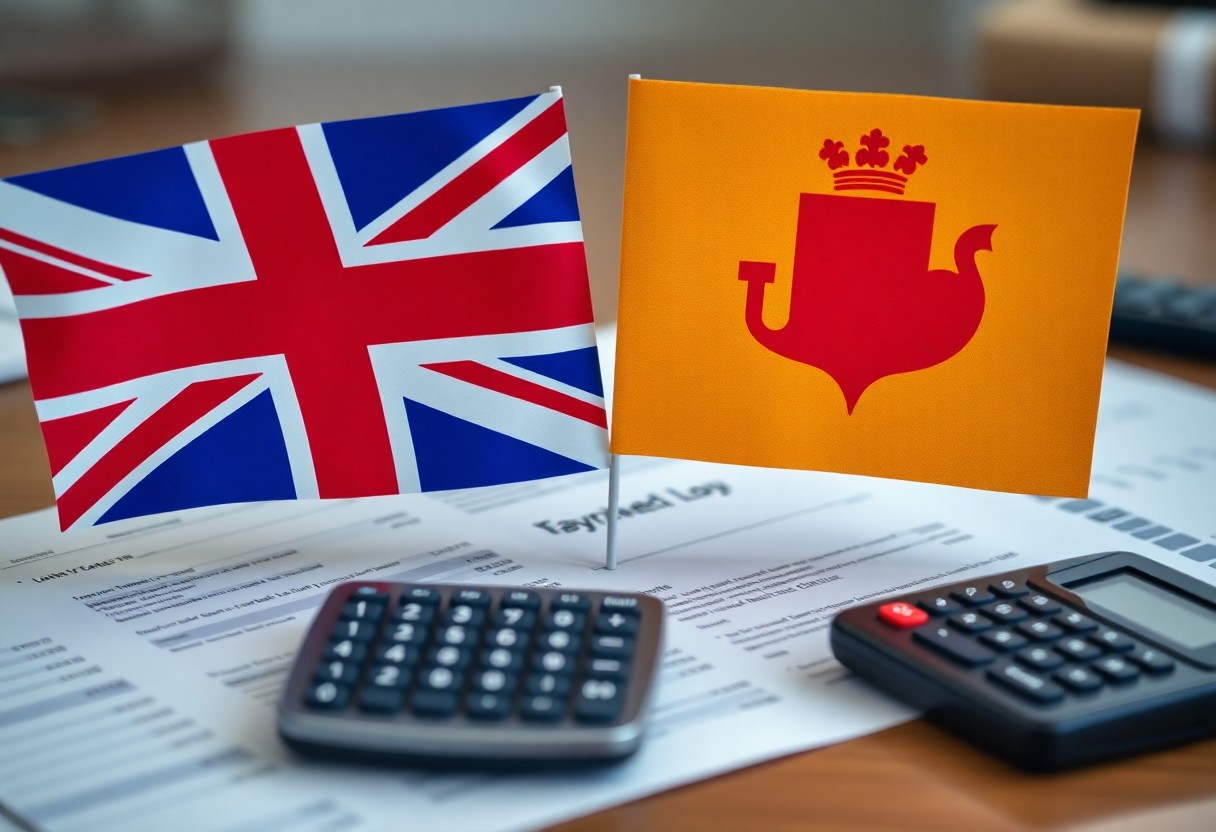
Malta Media SEO briefing — UK and Malta VAT comparison. This article compares VAT features and business implications at a high level. VAT rules and registration thresholds can change, so confirm the current position with the relevant tax authority or adviser. Read our Malta tax analysis and consult UK government VAT registration guidance.
You may have noticed a shift in the landscape of value-added tax (VAT) regulations that could impact your business decisions. The recent changes in the UK's VAT framework have made the country a more appealing option for companies seeking favorable tax conditions. This has inadvertently rendered Malta's VAT offerings less competitive, prompting you to reconsider how and where you operate. In this post, we will investigate into the specifics of the UK's new VAT rules and analyze how they stack up against Malta's current regulations.
Understanding VAT and Its Implications
Before stepping into the implications of VAT on the economy, it is crucial to grasp what VAT is and how it operates. Understanding its inner workings will help you appreciate why jurisdictions like the UK can have advantageous VAT regulations compared to others, such as Malta.








What is VAT?
Any business or individual engaging in commercial activities needs to be aware of Value Added Tax (VAT). VAT is a consumption tax levied on the value added at each stage of production or distribution. It applies to the sale of goods and services, and you're typically charged VAT when you make purchases. In many countries, VAT is a significant source of revenue for the government, playing a vital role in funding public services.
VAT is collected by businesses on behalf of the government. When you buy a product or service, the seller includes VAT in the price, which they then remit to the tax authorities. This means that as a consumer, you indirectly bear the burden of this tax, and understanding how it works can help you make more informed financial decisions.
The Role of VAT in the Economy
Understanding the role of VAT in the economy is vital for anyone looking to comprehend its broader implications. VAT serves as a significant source of government revenue, which is crucial for funding various services such as healthcare, education, and infrastructure. By shifting the tax burden towards consumption rather than income, VAT encourages spending and investing, which can stimulate economic growth.
The efficiency of VAT also means it can minimize tax evasion compared to traditional sales taxes. With its transparent structure, VAT ensures that taxpayers are accountable at every stage of the supply chain. Consequently, this fosters a more resilient fiscal framework, allowing the government to maintain stability even during economic downturns, ultimately benefiting you and the community.
Differences Between VAT and Other Tax Systems
The key difference between VAT and other tax systems lies in how they are applied and collected. The most traditional tax system relies heavily on direct taxes, which are imposed on income or profit. In contrast, VAT is an indirect tax that charges consumers at the point of sale based on their consumption behavior. This distinction is crucial for understanding how these systems impact your financial landscape.
Moreover, while traditional sales taxes are applied at the final point of purchase, VAT is charged incrementally throughout the supply chain. This multi-stage collection approach helps to reduce tax evasion, as each business involved is responsible for remitting the appropriate tax to the government. This layered tax collection method can lead to a more consistent income stream for governments, which you should consider when evaluating the attractiveness of business environments like Malta versus the UK.
Economically, VAT systems are designed to be hardship-neutral, as they do not penalize production or income generation. Instead, they tax consumption, enabling you to control your tax burden through your spending choices. This framework can create a more favorable economic climate for businesses, prompting you to assess how different VAT regulations might influence your financial decisions when considering relocating or investing in a particular jurisdiction.
Overview of the UK's VAT System
One of the key aspects that differentiates the UK's approach to VAT from other jurisdictions, like Malta, is its well-established structure. Understanding the intricacies of how VAT operates in the UK can provide valuable insights into the advantages it presents for both businesses and consumers. The UK follows a standard VAT rate, which applies to most goods and services, along with reduced rates for certain categories, helping to maintain a balanced tax environment.
The Current Structure of UK VAT
With a standard VAT rate currently set at 20%, the UK's VAT system is straightforward yet effective. Certain goods and services benefit from reduced rates of 5% or even 0%, which significantly impacts sectors such as hospitality and children's clothing. This tiered approach not only eases the tax burden on imperative items but also ensures a steady stream of revenue for the government.
Additionally, the UK adopts comprehensive rules surrounding VAT registration and compliance, requiring businesses that exceed a certain turnover to register for VAT. This structured compliance framework aids in enhancing transparency in tax collection while enabling better planning and execution of business strategies.
Reforms in VAT Regulations
Before discussing the recent changes in VAT regulations, it is important to acknowledge that the UK's VAT system undergoes periodic reviews to enhance efficiency. The government regularly evaluates its policies to ensure they align with current economic realities, allowing businesses like yours to enjoy a more responsive tax system. These reforms include measures to simplify VAT accounting procedures and improve online VAT filing processes, making it easier for you to manage your tax obligations.
In fact, reforms have also targeted specific sectors vulnerable to compliance issues. For instance, the introduction of the Making Tax Digital initiative mandates that businesses maintain digital records and submit VAT returns through compatible software. This shift aims to reduce administrative burdens while increasing accuracy in tax reporting, ultimately benefiting businesses by streamlining operations.
Impact of the Brexit on VAT Policies
On the other hand, the implications of Brexit have introduced a new dimension to the UK's VAT landscape. As the UK has exited the European Union, there have been shifts in how VAT is applied to goods and services imported from EU countries. You may experience different compliance requirements when trading with EU partners, necessitating adjustments to your accounting practices to remain compliant.
It is imperative to stay informed about these changes as they may affect your business operations, especially if you import or export goods. Many businesses are still navigating the complexities of new customs regulations, which can also impact VAT calculations, potentially altering product prices and delivery times.
It is vital for you to actively engage with updates regarding VAT policies post-Brexit, as they can significantly influence your business strategy and profitability. By understanding these changes and adapting accordingly, you can ensure that your operations remain competitive both domestically and internationally.
Malta's VAT Framework
Historical Context of VAT in Malta
Unlike other European nations, where VAT systems were established in the mid-20th century, Malta's journey began later, around 1995. The implementation of VAT was part of Malta's preparations for joining the European Union, enabling the country to align its tax systems with broader EU regulations. This step was instrumental in shaping Malta's economy, as it provided a more structured approach to taxation and played a pivotal role in increasing government revenue.
Among the early adopters of VAT in Malta, businesses had to navigate a learning curve as they transitioned from previous consumption taxes. The establishment of VAT was met with mixed reactions; while some saw it as a necessary reform to modernize the economy, others felt it placed a greater burden on consumers. Over time, the VAT system has evolved, adapting to both local needs and EU directives, influencing Malta's sales and consumption environment significantly.
Current VAT Rates and Regulations
Rates and regulations surrounding VAT in Malta are structured to maintain competitiveness in the market while adhering to EU guidelines. The standard VAT rate currently stands at 18%, which is applicable to most goods and services. However, reduced rates of 5% and 7% exist for specific categories such as hotel accommodations and certain food products. Additionally, the VAT system includes exemptions for certain sectors, such as financial services and education.
Maltas VAT regulations are designed to promote transparency and efficiency within the marketplace. Regular audits, compliance checks, and timely filing of VAT returns are mandatory for businesses. This regulatory landscape ensures that you remain accountable and can avoid penalties associated with VAT mismanagement, thus fostering a fair business environment.
Comparison of Malta's VAT with EU Norms
With VAT being a significant source of revenue for EU member states, a comparison of Malta's VAT framework against EU norms is important. Below is a summary breakdown of Malta's current VAT rates and regulations compared to EU averages.
Comparison of Malta's VAT with EU Norms
| Aspect | Malta |
|---|---|
| Standard VAT Rate | 18% |
| Reduced Rates | 5%, 7% |
| Exemptions | Financial Services, Education |
with Malta maintaining a VAT regime that is generally in line with EU requirements but slightly more flexible, particularly with reduced rates. This adaptability has allowed Malta to attract foreign businesses and investors, as the lower rates can serve as a significant incentive in a competitive landscape.
With the continual evolution of VAT regulations across Europe, your business must stay informed about both current practices in Malta and upcoming changes in the broader EU context. Such awareness will ensure you position your operations favorably in a dynamic regulatory environment.
Key Comparisons: UK vs. Malta VAT Regulations
Your decision to explore VAT regulations can lead to significant impacts on your business operations. In this section, we will present key comparisons between the UK's VAT guidelines and those of Malta, helping you understand which jurisdiction may be more beneficial for your business. Below, you will find an overview of the main elements highlighting the distinct differences between the two systems.
| Aspect | UK VAT Regulations | Malta VAT Regulations |
|---|---|---|
| Standard VAT Rate | 20% | 18% |
| Reduced VAT Rate | 5% and 0% (various goods and services) | 7% (certain goods and services) |
Tax Rates
Comparisons between the VAT rates in the UK and Malta reveal that the standard rate in the UK is 20%, compared to Malta's 18%. While the rate in Malta may seem lower at first glance, it is important to consider the reduced rates available in the UK, which can apply to various important goods and services. For instance, certain supplies like food and children's clothing enjoy a reduced rate of 0% in the UK, which may not be as impactful in Malta.
Moreover, the UK's diverse range of VAT rates often provides more flexibility for your business when determining pricing strategies. In contrast, the reduced rate in Malta is limited to specific categories, which could potentially limit your options when responding to market demands.
Compliance Requirements
Behind the scenes of VAT regulations, compliance requirements can vary significantly between the UK and Malta. The UK has established a structured online portal, known as Making Tax Digital (MTD), to ensure that businesses report their VAT obligations in real-time. This initiative streamlines the process and facilitates timely submissions, giving you a greater advantage in managing cash flow and compliance.
On the other hand, Malta requires businesses to maintain comprehensive records but does not yet have a similar digital reporting mandate like the UK's MTD. This difference may lead to more manual work for you and your team when preparing VAT returns, potentially increasing the risk of errors and compliance delays.
To successfully navigate compliance requirements, you will need to remain informed about the specific documentation and reporting deadlines for each jurisdiction. Engaging a tax consultant familiar with both UK and Malta regulations can be beneficial in maintaining accuracy and efficiency in your VAT submissions.
Administrative Burdens for Businesses
Businesses in both the UK and Malta face their own unique administrative burdens when it comes to VAT regulations. In the UK, despite the more advanced digital infrastructure, you are still required to be diligent about record-keeping, reporting, and filing returns on time. In Malta, while the absence of a digital reporting system may reduce some immediate pressures, the manual processes can result in time-consuming efforts that could be better spent focusing on your core business operations.
In terms of operational efficiency, UK businesses often benefit from an easier and more automated process due to MTD, allowing them to allocate resources more effectively. On the contrary, you may find that administrative tasks in Malta require more frequent attention, ultimately impacting your ability to grow and scale your business seamlessly.
But it is not just the systems in place that influence the administrative burdens you encounter; the overall VAT landscape, including how VAT is integrated into your local business practices, can make a lasting impact. In understanding both environments, you will be better equipped to make decisions that align with your business goals and minimize any potential drawbacks from VAT regulations.
Impact of UK VAT Reforms on Maltese Competitiveness
All eyes have recently turned towards the United Kingdom, where recent VAT reforms have been introduced, creating a ripple effect across Europe. These adjustments make the UK a more attractive destination for foreign investment, leading many to reconsider where they allocate their resources. As a result, Malta's competitive edge may be at risk, affecting various sectors such as finance, gaming, and technology.
Effects on Foreign Investment in Malta
Below, you can see how these changes impact Malta's ability to attract foreign investors. While Malta has long been seen as an advantageous jurisdiction due to its favorable tax regime, the UK's VAT reforms have shifted the landscape significantly. Investors now weigh their options closely, particularly as the UK becomes an even more appealing choice for their organizational bases.
Foreign investors may begin to divert their attention towards the UK, particularly those looking for efficient tax frameworks and operational facilities. This diversion could lead to a reduction in investment inflow to Malta, forcing local businesses to adapt to a more challenging environment. The implications of this could be profound, affecting employment rates and growth within Malta's economic framework.
Comparative Cost of Doing Business
Impact analysis reveals that the cost of doing business in Malta is increasingly contrasted with that of the UK. The table below highlights key elements that should prompt you to evaluate where your organization stands regarding operational costs:
Key Cost Factors
| Cost Factor | Malta | UK |
|---|---|---|
| Corporate Tax Rate | Effective 5% for certain businesses | 19% standard rate |
| Labour Costs | Lower than EU average | Higher than Malta |
| Rental Prices | Competitive rates | Higher in major cities |
Another critical factor you should consider is that even with these competitive traits, the comprehensive business environment has started leaning towards the benefits the UK offers. While Malta's operational costs may remain lower in some categories, the overall advantages that UK reforms present could overshadow these benefits, leading to a reevaluation of where you establish or expand your business operations.
Shifts in Business Preferences
An important trend that you may start noticing is a shift in business preferences as a result of the UK VAT reforms. The business community is always evaluating the pros and cons of their operational locations. With the UK enhancing its offering, many companies may pivot away from previously favoring Malta to explore new avenues in the UK.
This shift could manifest in various ways, including businesses relocating their headquarters or startups choosing to establish themselves in the UK instead of Malta. The enhanced VAT landscape, combined with a favorable tax system and the UK's strong market access, renders it a compelling option for organizations looking to maximize their potential.
Economic Consequences for Malta
For Malta, the increased competitiveness of the UK's VAT rules could lead to significant economic repercussions. As businesses assess their operations and potential tax liabilities, the allure of the UK as a more favorable environment may cause some to reconsider their presence in Malta. This reassessment can have a cascading effect on job opportunities, investment inflows, and overall economic health.
Potential Revenue Loss from VAT
Around the corner, you might find that Malta faces a potential revenue loss from VAT as companies shift their focus to the UK. The difference in tax compliance requirements can persuade businesses to relocate or expand in jurisdictions that offer better rates or simplified processes. This deterioration in Malta's tax base could restrict the government's capacity to fund public services and infrastructure projects.
Around this growing concern, it's important to acknowledge that a decrease in VAT contributions may also lead to higher taxes elsewhere. As the government seeks to balance its budget in light of shrinking revenues, you may find increases in personal or corporate taxes, which could further deter economic activity.
Impact on Small and Medium Enterprises (SMEs)
Around 99% of Malta's businesses fall into the category of small and medium enterprises (SMEs), making their health vital for the country's economy. You should be aware that the changing VAT landscape may place additional strain on these businesses that rely on stable financial conditions to operate efficiently. With the shifting focus towards the UK, SMEs may struggle to compete if they cannot match the tax incentives offered elsewhere.
A growing number of entrepreneurs may find that maintaining their operations in Malta has become less feasible. As the allure of UK VAT benefits rises, you might see a trend of SMEs hesitating to invest further in Malta, leading to stagnation in innovation and a reduction in job creation.
Sector-wise Analysis of Affected Industries
Among the sectors that could be significantly impacted, you might notice industries like tourism, finance, and digital services feeling the pinch. With the potential for businesses to relocate operations to the UK, sectors that are heavily dependent on cross-border transactions could experience noticeable declines in revenue. Consequently, your own economic stability may be intertwined with these shifts, as reduced industry output could ripple through the Maltese economy, affecting employment rates and consumer spending.
Impact assessments suggest that specific segments, such as the digital economy, may face fierce competition from UK counterparts due to improved VAT regulations. If these reforms inspire companies to prioritize establishing themselves in the UK instead of Malta, you could see a ripple effect on job opportunities, business investments, and overall economic growth. The longer-term effect may push Malta towards a more challenging economic environment if corrective measures are not implemented swiftly.
Consumer Behavior and Market Dynamics
After examining the VAT landscape in the UK and Malta, it is necessary to consider how these changes affect consumer behavior and market dynamics. The shifting VAT rules in the UK are likely to influence consumer confidence, spending habits, and price elasticity, which in turn can shape market trends and business strategies in Malta.
Changes in Consumer Confidence
Changes in consumer confidence are directly linked to economic conditions and tax regulations. With the UK's better VAT rules, you may notice an increase in consumer confidence among UK citizens. This shift allows consumers to feel more secure in their purchasing decisions, thus driving demand for both local and international products. In contrast, fluctuating VAT rules in Malta may create uncertainty, leading to decreased consumer confidence as you weigh your options when shopping.
As consumer confidence rises in the UK, you might find yourself more willing to make larger purchases or try new products. On the other hand, if you're situated in Malta and aware of the potential downsides of higher taxes, it could lead you to delay purchases or seek cheaper alternatives, thereby impacting local businesses and the overall economy.
Fluctuations in Consumer Spending
Below the surface, fluctuations in consumer spending can be attributed to changes in disposable income and shifts in purchasing power. If the UK positions its VAT rules favorably, you are likely to see an uptick in consumer spending as individuals feel empowered to spend more freely. Meanwhile, those in Malta may experience a decline in spending as VAT rates weigh heavily on everyday purchases, forcing you to reconsider your budget and spending strategies.
It is important to recognize that these fluctuations can create a volatile marketplace. As you adjust your spending based on perceived value and tax impacts, businesses themselves may find their revenue streams affected, necessitating potential changes in pricing strategies or product offerings to attract discerning consumers like yourself.
The Effect on Price Elasticity
The dynamics of consumer behavior also extend to price elasticity, which reflects how sensitive your purchasing habits are to changes in price. With favorable VAT conditions in the UK, you may be less sensitive to minor price increases, permitting businesses to sustain higher price points without losing sales. Conversely, in Malta, if VAT leads to higher overall prices, you might become more price-sensitive, actively seeking lower-cost alternatives or delaying purchases altogether.
At the same time, understanding price elasticity can help you navigate market changes effectively. Armed with the knowledge of how VAT influences pricing, you can make more strategic purchasing decisions, whether you choose to invest in higher-priced items that offer better value or prioritize finding bargains that maintain your budget in a changing economic landscape.
Business Responses to VAT Changes
To navigate the evolving landscape brought about by the UK's enhanced VAT regulations, businesses operating within Malta are compelled to adapt their strategies. These adjustments not only reflect a deeper understanding of the changing market dynamics but also illustrate the resilience of companies that strive for sustainability in a competitive environment. As organizations assess the implications of VAT alterations, you may observe a range of responses that indicate a shift in operational focus and resource allocation.
Strategic Adjustments by Companies
Beside reevaluating pricing structures, many companies are reassessing their supply chains to optimize tax implications while maintaining operational efficiency. This can involve renegotiating contracts with local suppliers or exploring alternative sources that offer more favorable VAT treatment. By fine-tuning their logistical arrangements, businesses can mitigate risks associated with increased tax burdens and ensure that profitability remains intact.
Furthermore, strategic adjustments may extend to an enhanced focus on compliance strategies, ensuring that all VAT requirements are met effectively. Companies may invest in specialized accounting software or consult with tax professionals to stay abreast of the latest regulations. This proactive approach not only safeguards businesses but also builds trust with stakeholders, enhancing your reputation in a rapidly shifting marketplace.
Shift in Business Models
Around many enterprises, there is a discernible shift in business models as they seek more robust frameworks to cope with VAT implications. Companies may explore diversifying their offerings or transforming their service delivery methods to create value-added propositions that remain compliant with VAT guidelines. This strategic pivot allows you to cater to changing consumer demands while aligning operations with tax efficiencies.
Considering these shifts, you may find that some businesses are increasingly turning to digital solutions, enabling e-commerce platforms that facilitate seamless transactions across borders. This shift not only captures a broader customer base but also allows for better price management in light of VAT changes. Transitioning to digital-first models becomes an appealing path forward, ensuring that your enterprise remains relevant and competitive in a global economy.
Relocation Trends of Corporations
An observable trend among corporations is the potential relocation of their operations to jurisdictions with more favorable VAT structures. As the UK refines its VAT framework, several Maltese companies are now reconsidering their geographical positioning. This means you might witness firms weighing the benefits of relocating to countries that offer lower tax rates or more attractive incentives for businesses.
Corporations are now evaluating the long-term implications of their locations, considering factors such as ease of compliance, cost-efficiency, and overall competitiveness in the market. The possibility of relocating to other EU member states, where VAT rules may be less burdensome, is becoming an attractive option. By being mindful of these trends, you can better prepare your business for shifts in corporate behavior and potentially position yourself advantageously in your industry.
External Factors Influencing the VAT Landscape
Once again, the evolving VAT landscape is shaped by various external factors that cannot be ignored. These components play a significant role in how businesses, particularly those based in Malta, position themselves in the face of international competition. As you consider the implications of VAT regulations on your operations, it is vital to be aware of broader influences such as regulatory frameworks, economic conditions, and competitive dynamics.
- The impact of EU regulations
- Global economic fluctuations
- Competitive pressures from other nations
This awareness will help you navigate the complexities surrounding VAT and its challenges in different jurisdictions.
The Role of EU Regulations
After examining the VAT landscape, you'll likely recognize that EU regulations significantly shape member states' VAT systems, including Malta. The EU strives to ensure a harmonized approach to taxation, which means that any changes made in one member state often reverberate across others. For instance, if the UK implements advantageous VAT rules, Malta may find itself at a disadvantage, prompting reconsideration of its tax strategies to remain competitive within the EU framework.
Notably, the compliance requirements instituted by the EU can also add administrative burdens on businesses operating in Malta. As VAT regulations evolve under EU directives, your organization may face challenges and opportunities that require sophisticated planning to optimize your tax position and maintain competitiveness.
Global Economic Influences
Role of global economic fluctuations cannot be understated when assessing Malta's VAT landscape. Economic shifts at the global level can affect trade flows, consumer behavior, and ultimately, the VAT revenues that you may expect for your business operations. As economies around the world experience growth or recession, these factors lead to changes in demand for goods and services, which directly influences your VAT obligations.
For instance, in a booming economy, increased consumer spending may expand your taxable revenues, while a downturn could tighten your cash flow, making VAT liabilities harder to manage. Consequently, understanding these global economic influences can help you make informed decisions about pricing strategies and overall financial management.
Competitive Pressures from Other Countries
Below the surface of Malta's VAT landscape, competitive pressures from other countries continuously shape its attractiveness as a business hub. With many nations reevaluating their tax systems to lure foreign investments, Malta must stay vigilant to remain a preferred location for businesses. As you analyze these competitive dynamics, you'll recognize that advantageous VAT rules in competitor countries could make your Malta operations less appealing.
At the same time, it is imperative to monitor how countries adjust their VAT rates and regulations. As various jurisdictions adapt to market pressures, they might introduce more favorable tax conditions that could tempt businesses away from Malta, presenting you with the need for strategic reassessment of your operational base.
The Future of VAT Systems in Europe
Now, as VAT systems across Europe continue to evolve, you may wonder how these changes will affect your own financial landscape. Various trends indicate a significant shift towards more streamlined and efficient VAT regulations. This restructuring aims to simplify compliance for businesses and ensure a more uniform application of VAT rules across member states, which can ultimately benefit you as a consumer and business owner.
Trends in VAT Reforms Across Europe
An increasing number of European countries are adopting digital tools to enhance VAT collection and compliance. The rise of technology is allowing for real-time reporting and automated submissions, reducing the burden on businesses while improving accuracy and transparency. These innovative approaches encourage more businesses, including yours, to ensure proper adherence to VAT obligations, minimizing the risks associated with tax violations.
Additionally, many countries are engaging in legislative reforms aimed at cracking down on VAT fraud and improving overall collection efficiencies. Such reforms can influence your market strategies, as they may require you to re-evaluate your operations to stay compliant with the latest regulations and practices. Understanding these trends helps you position your business strategically in a rapidly changing environment.
Predictions for EU VAT Harmonization
One interesting future projection is the increased push for VAT harmonization across the EU. As disparities among VAT rates and regulations can create obstacles for cross-border trade, you could see legislative efforts aimed at standardizing these systems to facilitate smoother transactions. Such harmonization efforts may encourage greater economic cooperation among member states and allow businesses like yours to operate more efficiently within the European market.
Consequently, uniform VAT rates could lead to a more competitive landscape, benefiting consumers through lower prices and making compliance easier for businesses of all sizes. As these changes unfold, it is necessary for you to keep abreast of the shifting landscape to leverage any potential advantages as well as to avoid compliance pitfalls.
The Increase of Digital Platforms and VAT
On another front, the growth of digital platforms has introduced new challenges and opportunities in the VAT system. As e-commerce continues to flourish, you may encounter an increasing number of digital services and goods subject to VAT that previously fell outside traditional tax frameworks. Understanding the implications of these developments can help you navigate your business strategy effectively.
It is vital to recognize that digital platforms often operate across multiple jurisdictions, raising questions about VAT liability and compliance. With the potential for varied VAT rates and rules, you will need to stay informed about local regulations to ensure your business is adhering to tax obligations, thus avoiding any costly issues in the future.
Case Studies: Examining the Impact on Specific Sectors
Despite the potential advantages for businesses in the UK following recent VAT adjustments, it's imperative to analyze how these changes could adversely influence specific sectors in Malta. Below are several illustrative case studies that underscore the ramifications of the evolving VAT landscape:
- Tourism and Hospitality: The average VAT rate for accommodations in Malta is currently 7%, compared to the UK's 20%. This significant difference can dissuade potential business investments in Malta.
- E-commerce and Digital Goods: Sales of digital goods in Malta have seen a downturn by approximately 15% since UK businesses began offering lower VAT rates, leading to a shift in consumer purchasing behavior.
- Export-oriented Industries: Exporters in Malta are facing increased competition from UK suppliers who now possess more attractive VAT structures, leading to a considerable drop in market share by around 10%.
Tourism and Hospitality in Malta
Malta stands as a strong contender in the tourism sector, primarily due to its rich cultural heritage and picturesque landscapes. However, with the rise of better VAT regulations in the UK, you may notice a decrease in competitive bookings for Maltese accommodations. The current VAT rate of 7% for hotels contrasts sharply with the UK's corporate landscape, impacting your travel plans and prices.
As UK tourist numbers dwindle due to more favorable VAT environments closer to home, you might find that Maltese businesses in the hospitality sector struggle to maintain their revenue levels. The competition from lower VAT jurisdictions creates a pressing concern for local operators who rely heavily on seasonal tourists. You may see a drop in service quality as establishments work to cope with tightening margins.
E-commerce and Digital Goods
Impact of VAT alterations is increasingly being felt in the e-commerce sector. As you investigate into online shopping, you may discover that your favorite digital goods are now more affordable from UK-based suppliers, who benefit from streamlined VAT policies. This shift drives consumers away from Maltese retail platforms, creating a significant financial impact on local businesses.
Digital businesses in Malta have reported a decrease in sales figures and a strained customer base as consumers shift their purchases online to UK vendors. If you are seeking variety and affordability in digital goods, this trend further diminishes the appeal of shopping locally in Malta.
Export-oriented Industries
Below the surface, export-oriented industries in Malta are grappling with the financial repercussions of the UK's VAT reforms. As you investigate the export market, it's evident that the competitive edge previously held by Maltese companies is dwindling. With a 10% decrease in market share over the last year, companies may struggle to sustain their operations and grow their export activities.
This dynamic is critical for you to understand, especially if you are involved in import/export businesses. The rising competition poses threats to your margins and may lead to price adjustments that affect customer satisfaction. A comprehensive approach to addressing these challenges, particularly through innovation and strategic pricing, will be vital for your success in the industry.
Tourism, as a significant pillar of Malta's economy, also heavily hinges on these VAT-induced changes. You may encounter higher costs and reduced offerings in the coming years, as local enterprises find it harder to keep pace with international competitors. Businesses will need to adapt quickly to these VAT dynamics, which could reshape your options as a traveler or consumer in Malta.
Malta's Possible Responses to Enhance Attractiveness
Many business owners and investors are reevaluating their options in light of the UK's more favorable VAT regulations. As Malta seeks to maintain its allure as a competitive business hub, it must consider implementing several strategic responses. These adjustments can significantly enhance Malta's attractiveness compared to other jurisdictions.
Revising VAT Policies
The Maltese government could explore revising its VAT policies to align more closely with those that make the UK a preferred option. By potentially lowering VAT rates or providing specific exemptions aimed at key industries, Malta can position itself as a more appealing destination for entrepreneurs and companies seeking tax efficiency. This type of proactive approach could help maintain your interest and investment in Malta.
Additionally, introducing a more streamlined VAT registration and compliance process can reduce the bureaucratic burden on businesses. By making it easier for you to navigate the tax landscape, Malta could not only retain existing businesses but also attract new ones from abroad, solidifying its status as an international business center.
Innovative Tax Incentives and Subsidies
Maltas' government has the opportunity to implement innovative tax incentives and subsidies to capture the attention of potential investors. By creating attractive tax breaks for specific sectors, such as technology or green energy, you may find that Malta offers an appealing slate of financial benefits. Encouraging research and development or incentivizing job creation could make the country an even more attractive option for innovation-driven companies.
And, by ensuring these incentives are well-publicized and accessible, you are more likely to consider Malta as an ideal location for your business endeavors. Providing detailed information and guidance on how to access these incentives can significantly improve your investment decisions in favor of Malta.
Strengthening Economic Partnerships
Economic partnerships play a vital role in enhancing Malta's overall investment climate. By forging stronger ties with international markets and neighboring countries, Malta can reinforce its attractiveness through a well-connected network of trade relations. This could include bilateral agreements that improve market access and facilitate business operations for you and your company.
Another strategy to strengthen these economic partnerships could involve hosting international business forums and trade events that promote collaboration and networking among different industries. By engaging you in such events, Malta can showcase its potential as a business-friendly environment, making you more inclined to establish or expand your operations there.
Stakeholder Perspectives
Keep in mind that understanding the views of various stakeholders is imperative to grasping the implications of the UK's enhanced VAT rules on Malta's attractiveness. Different groups hold varying opinions, which can influence both economic policy and consumer behavior in different ways. By examining these perspectives, you can gain greater insight into how these changes affect all involved parties.
Government Views
Before delving into the specifics, it's important to note that government officials in both the UK and Malta are contemplating the broader consequences of VAT regulations. The UK's recent adjustments are viewed as a method to streamline processes and enhance compliance, potentially reducing tax evasion. Meanwhile, Maltese authorities are concerned that these shifts could diminish Malta's appeal as a tax-friendly destination, encouraging businesses to seek alternatives.
Moreover, the Maltese government is contemplating strategies to counteract potential declines in foreign investment. Discussions may include amending existing tax policies or enhancing incentives to retain businesses that are considering relocating due to the UK's improved VAT environment. Through these discussions, you can see the proactive measures being taken to maintain Malta's competitive edge.
Business Community Insights
Government officials aren't the only ones weighing in on this issue; business communities are also expressing their thoughts. Businesses with cross-border operations are particularly affected by these changes, as the VAT regulations can influence their economic decisions regarding location and operations. Many entrepreneurs may now view the UK as a more appealing hub due to its simplified VAT compliance, which could lead to a more efficient allocation of resources and ultimately, higher profits.
Even companies that have traditionally leaned toward the Maltese market are reassessing their positions. The dominance of the UK's newly structured VAT may persuade businesses to realign their focus, shifting resources and attention away from Malta. This not only impacts the financial landscape but can also lead to a restructuring of business models as they seek to adapt to a changing regulatory environment.
Consumer Opinions
On the consumer side, public sentiment is also shaped by the VAT changes in the UK. Customers may experience better pricing structures or improved services in regions where businesses can operate more efficiently due to supportive VAT regulations. If consumers begin to see tangible benefits from the UK's reforms, it's possible that their spending habits could shift away from Maltese products and services.
Indeed, consumer behavior can serve as an indicator of how these legislative changes ripple through local economies. As buyers become more informed about the differences between VAT systems, their choices may reflect a preference for transparency and better value, affecting Maltese businesses significantly. Staying cognizant of these trends is imperative for stakeholders looking to navigate the current landscape effectively.
To wrap up
Presently, as you evaluate your options for tax-efficient business operations within the European landscape, the UK's refined VAT framework presents a compelling alternative to Malta's offering. With the recent changes implemented by the UK that streamline VAT processes and enhance compliance measures, you might find that the cost benefits associated with operating in Malta are diminished. This means that as you weigh the pros and cons, the UK becomes increasingly attractive for businesses seeking to optimize their tax strategies without sacrificing regulatory compliance.
Your decision-making should take into account not only immediate financial incentives but also the long-term implications of choosing jurisdictions with evolving tax rules. By embracing the advantages provided by the UK's VAT system, you can position your business favorably within a competitive market. Assessing these factors critically will empower you to make informed choices that align with your strategic goals and financial interests.
FAQs
What is VAT and why is it important for businesses?
VAT, or Value Added Tax, is a consumption tax applied at each stage of production or distribution. It impacts businesses by affecting pricing strategies and tax obligations.
How do the UK's VAT reforms impact businesses?
The UK's recent VAT reforms, including the introduction of digital VAT reporting, make it a more attractive option for businesses due to streamlined compliance and lower administrative burdens.
How does the UK's VAT system differ from Malta's?
The UK has a standard VAT rate of 20% and offers reduced rates for specific goods and services. Malta's rate is 18%, with reduced rates for some categories, making the UK more flexible.
What are the main benefits of VAT in the economy?
VAT is a significant source of revenue, encourages spending and investment, and helps minimize tax evasion due to its multi-stage collection process.
How has Brexit affected the UK's VAT policies?
Brexit has led to changes in how VAT is applied to goods and services imported from the EU, creating new compliance requirements and impacting pricing and delivery.
What are the reduced VAT rates in the UK?
The UK offers reduced VAT rates of 5% and 0% for certain goods and services like hospitality and children's clothing.
How do Malta's VAT regulations compare to EU norms?
Malta's VAT system is largely aligned with EU regulations, offering flexibility with reduced rates of 5% and 7% for specific goods and services.
What are the compliance requirements for VAT in the UK and Malta?
The UK uses the Making Tax Digital initiative, which requires digital VAT reporting. Malta has no similar system, making compliance more manual and time-consuming.
How does VAT impact small and medium enterprises (SMEs) in Malta?
The shift in VAT competitiveness may put additional strain on SMEs in Malta, as they struggle to compete with the UK's more favorable tax environment.
How might the UK's VAT reforms affect foreign investment in Malta?
The UK's VAT reforms may divert foreign investment away from Malta, as businesses seek more advantageous tax conditions in the UK.

Michael Schmitt
Michael Schmitt is the founder of TRIDER.UK and Editor of Malta Media. He writes about iGaming, gambling regulation, corporate structures, financial services and market integrity, combining investigative journalism with nearly three decades of experience in corporate services and international business.
Related Posts



Rosi Bremec joins Malta Media as VP Partnerships
July 14, 2026


Brazil betting tax revenue rises 47% in February 2026
March 26, 2026

BHA criticises UK move to keep betting levy unchanged
March 26, 2026

