















Why PayPal Avoids High Risk Gambling Markets

It's necessary to understand why major e-wallets like PayPal steer clear of high-risk gambling markets. Factors such as regulatory compliance, potential for fraud, and financial liabilities significantly influence their business decisions. These platforms prioritize the security and trust of their users, leading them to adopt a cautious approach toward markets that expose them to increased risks. This blog post will explore the key reasons behind this trend and the implications it has for both consumers and operators in the gambling industry.
Understanding High-Risk Gambling Markets
Before exploring into the implications for e-wallet providers, it's vital to understand what high-risk gambling markets entail. These markets typically comprise online platforms and services where betting takes place on games of chance, such as poker, sports betting, and online casinos. The high-risk designation stems from several factors, including the potential for fraud, chargebacks, and legal liabilities that can arise from operating in jurisdictions with uncertain or restrictive gambling laws. E-wallets like PayPal are often cautious about engaging in these environments due to the potential financial and reputational risks involved.
Definition and Characteristics
Behind the term “high-risk gambling markets” lies a combination of characteristics that make these sectors particularly volatile. These markets often feature rapid transaction flows, substantial sums involved, and a customer base that may exhibit impulsive behavior. Additionally, the lack of regulatory clarity or the presence of strict regulations in certain regions makes it difficult for e-wallet providers to operate safely and confidently. Concerns over money laundering and fraud further elevate the level of risk, prompting e-wallets to scrutinize the markets they choose to engage with.










Regulatory Challenges in Different Jurisdictions
The landscape of gambling regulations varies significantly across different countries and regions, presenting unique challenges for e-wallet providers. The legal status of online gambling can be ambiguous, with some jurisdictions allowing it, while others impose strict prohibitions. This inconsistency means that e-wallets must navigate a minefield of regulations, ensuring compliance with local laws while also protecting themselves from backlash or penalties resulting from potential legal infractions. Such regulatory hurdles often lead to e-wallets opting out of high-risk markets altogether rather than risk non-compliance.
Considering the myriad of regulations, e-wallet providers face the challenge of constantly adapting to changing laws in each jurisdiction where they operate. Some countries may impose hefty fines or require extensive licensing processes, making it economically unfeasible for e-wallets to offer their services in those areas. Moreover, the risk of a sudden shift in regulatory stance can leave e-wallet providers in precarious positions, leading to a preference for stable markets with clearer legal frameworks. This strategic choice ultimately influences the availability of payment options for consumers in high-risk gambling markets.
E-Wallet Payment Systems in Online Gambling
The integration of e-wallet payment systems in online gambling has transformed the way transactions are processed, enhancing convenience and security for users. With a growing number of players seeking efficient, fast, and reliable methods to deposit and withdraw funds, digital wallets have emerged as an appealing choice. However, while these platforms offer numerous advantages, such as instantaneous transactions and a user-friendly experience, they are also heavily regulated in high-risk gambling markets, limiting their availability and adoption.
Role of Digital Payment Processors
By facilitating transactions between players and operators, digital payment processors serve an important function in the online gambling ecosystem. E-wallets act as intermediaries that allow players to fund their gambling accounts without directly exposing their financial information to gaming sites. This enhances user privacy and provides an additional layer of security, which is particularly attractive in a landscape where data breaches are becoming increasingly common. Moreover, they help streamline the payment process, addressing the demand from players for quick and hassle-free banking options.
Risk Assessment Protocols
By implementing stringent risk assessment protocols, e-wallet providers are able to determine the feasibility of participating in high-risk gambling markets. These protocols involve evaluating factors such as regional regulations, historical data on fraud and chargebacks, and the operational stability of gambling operators. Owing to the diverse nature of global gambling laws and the varying levels of risk associated with different jurisdictions, e-wallets exercise considerable caution when deciding to engage with online gambling platforms.
Further, risk assessment protocols also entail ongoing monitoring and auditing to ensure compliance with legal requirements and industry standards. Providers may utilize advanced algorithms and machine learning techniques to identify potential red flags in real-time transactions, thus minimizing their vulnerability to fraudulent activities. This proactive approach not only safeguards the e-wallet companies but also protects users from potential scams and ensures that they engage with reputable gambling sites. As regulations continue to evolve, these protocols will likely become even more stringent, reflecting the industry's dedication to maintaining a safe and secure gambling environment.
PayPal's Stance on Gambling Transactions
Assuming the landscape of online gambling is evolving and becoming more regulated, PayPal adopts a cautious approach towards transactions associated with these activities. This strategy is integral to their commitment to ensuring security and compliance within their operations, especially in high-risk markets. As a leading e-wallet provider, PayPal's position on gambling transactions involves meticulous scrutiny of applicable laws and regulations in different jurisdictions to mitigate potential risks.
Current Policies and Restrictions
Stance on gambling transactions varies significantly based on geographic location. PayPal generally prohibits gambling transactions in countries where such activities are not legally sanctioned. This policy extends to users in regions that do not have a clearly defined regulatory framework for online gambling, effectively limiting the company's exposure to associated risks. Moreover, within jurisdictions where online gambling is legal—such as parts of the United States or the United Kingdom—PayPal frequently collaborates with licensed gambling operators to facilitate secure transactions while adhering to local regulations.
Historical Changes in Approach
About a decade ago, PayPal's policies regarding gambling transactions were much more lenient, supporting a broader range of online gaming and wagering activities. However, amid growing regulatory scrutiny and the potential for significant legal ramifications, the company revised its stance. These changes were in response to shifting regulations globally, which necessitated a more restrictive approach to align with the evolving legal landscape surrounding online gambling.
Also, PayPal has faced various challenges as regulators tightened their grip on the gambling industry, compelling them to implement stricter compliance measures. This shift not only reflected changing laws but also highlighted the need for the company to maintain its reputation as a secure payment provider. By adjusting its policies over time, PayPal aims to balance the expansion of its customer base with ongoing commitments to safety and legality in high-risk sectors like online gambling.
Regulatory Compliance and Legal Framework
Despite the growing popularity of online gambling platforms, e-wallets like PayPal maintain a cautious approach to entering high-risk gambling markets. This reservation stems from the complex regulatory landscape that governs gambling transactions across different jurisdictions. Each region may impose its own set of laws and regulations, which can be inconsistent and often subject to change. E-wallets must navigate these legal intricacies to ensure they are operating within the bounds of the law. Failure to comply could lead to hefty fines, reputational damage, or even criminal charges, making it imperative for these financial service providers to minimize exposure to high-risk environments.
Moreover, the implications of non-compliance extend beyond just penalties; they can also adversely affect relationships with banking partners and other financial institutions. E-wallets rely on these partnerships to facilitate transactions, and any association with high-risk practices can lead to increased scrutiny or even severance of those relationships. This interconnectedness of regulatory compliance and operational viability creates a compelling case for e-wallets to steer clear of high-risk gambling markets where the potential for legal pitfalls is significantly elevated.
Anti-Money Laundering (AML) Requirements
Any financial institution operating in the gambling sector must adhere to stringent Anti-Money Laundering (AML) requirements to mitigate the risks associated with financial crimes. E-wallet providers face unique challenges in this respect, as the anonymity and speed of transactions can facilitate money laundering if not properly monitored. Regulatory bodies require these providers to implement robust AML programs that include transaction monitoring systems, reporting mechanisms for suspicious activities, and regular audits to ensure compliance. Failure to meet these requirements not only poses risks to the e-wallets themselves but can also implicate the entire gambling industry.
Know Your Customer (KYC) Protocols
Customer verification is another vital component of the compliance strategy for e-wallets operating in or considering entering high-risk gambling markets. KYC protocols require service providers to gather and verify necessary information from their customers, including identity, age, and location, to prevent illegal activities like underage gambling, fraud, and money laundering. These measures help ensure that funds are traceable and customers are operating within the legal framework set by regulators. The implementation of effective KYC strategies not only safeguards the financial integrity of the e-wallet but also contributes to the overall trustworthiness of the gambling ecosystem.
Compliance with KYC regulations presents its own challenges, particularly the need for ongoing validation of customer data. As online gambling laws evolve, e-wallets must regularly update and review their KYC practices to align with changing requirements. This involves employing sophisticated identification technologies and maintaining a dedicated team to monitor compliance efforts. The necessity for ongoing compliance not only elevates operational costs but also complicates the market entry strategies for e-wallets, thereby reinforcing their hesitation to engage in high-risk gambling markets.
Financial and Reputational Risks
Your understanding of the financial and reputational risks associated with high-risk gambling markets is fundamental in grasping why PayPal and other major e-wallets tend to shy away from these environments. Financial risks include exposure to chargebacks, hefty fines, and potential lawsuits arising from transactions that may be deemed suspect or fraudulent. With the rapid evolution of the online gambling landscape, e-wallets face the constant threat of being associated with illegitimate operators, which can lead to significant financial setbacks. In these volatile markets, maintaining a secure and reliable payment processing system poses challenges that can outweigh the potential benefits of entering such risky territories.
Your brand reputation is paramount in the digital payment sector. E-wallets like PayPal are especially cautious about aligning themselves with businesses that operate in high-risk gambling markets due to potential backlash from consumers and regulators alike. The perception of a brand can be severely tarnished if associated with unethical practices or illegal gambling operations, leading to loss of trust and decreased user adoption. Thus, the decision to avoid these markets is often driven by the desire to maintain a positive and trustworthy image in the eyes of consumers and regulatory bodies.
Fraud Prevention Challenges
With the inherent risks of fraud prevalent in high-risk gambling markets, e-wallets face significant challenges in effectively monitoring and mitigating these issues. The anonymous nature of these transactions can make it increasingly difficult to track and verify the legitimacy of users and operators, raising concerns about potential money laundering and other illegal activities. As regulatory scrutiny intensifies, e-wallets must be equipped with robust fraud prevention systems capable of quickly identifying suspicious behavior, a feat more complex in high-risk environments. Navigating these challenges often requires significant investments in technology and resources, which can divert focus from their core business activities.
Brand Image Considerations
Along with financial considerations, the impact on brand image plays a pivotal role in e-wallets' decisions to steer clear of high-risk gambling markets. Companies like PayPal are not just payment processors; they are viewed as stewards of financial integrity and customer safety. In an age where consumer awareness is heightened, any association with questionable gambling practices can lead to significant reputational damage. Consequently, these companies must carefully consider their partnerships and the environment in which they choose to operate, as even a small misstep can have long-lasting effects on public perception and trust.
Indeed, maintaining a clean and reputable brand image requires a vigilant approach to risk management. E-wallets must assess the potential consequences of engaging with high-risk sectors, as a damaged reputation can result in a wide range of negative outcomes, from lost customers to increased regulatory scrutiny. By prioritizing their brand's integrity, these companies can focus on establishing trust with their users and reinforcing their commitment to secure financial transactions, ensuring their long-term viability in the crowded digital payment landscape.
Alternative Payment Solutions
To navigate the complexities of high-risk gambling markets, many operators are turning toward alternative payment solutions that cater specifically to the unique challenges these industries present. While major e-wallets like PayPal often shy away from processing transactions related to gambling due to regulatory and reputational risks, specialized platforms have emerged to fill this gap. These alternatives typically have a deeper understanding of the legal landscape and are more equipped to manage the associated risks, making them a favorable choice for both operators and consumers seeking seamless payment experiences.
Specialized Gambling Payment Processors
By focusing exclusively on the gambling niche, specialized payment processors have developed features tailored to the needs of players and operators. These companies are adept at handling payments, refunds, and chargebacks specific to gambling, ensuring compliance with various regulations worldwide. Moreover, they offer enhanced security measures, enabling customers to engage in transactions with greater confidence. As a result, operators benefit from more reliable payment solutions that also improve the overall customer experience, enhancing user loyalty in competitive markets.
Emerging Payment Technologies
Against this backdrop of specialization, emerging payment technologies are stepping into the gambling sector, presenting new opportunities for operators and players alike. Innovations such as cryptocurrencies, blockchain technology, and decentralized finance (DeFi) are revolutionizing the way transactions are conducted online. These technologies not only offer anonymity and security but also can expedite transaction times significantly compared to traditional methods. This shift toward digital currencies and decentralized solutions is particularly appealing in high-risk gambling markets where traditional financial institutions may hesitate.
Even with the inherent volatility and regulatory considerations that come with digital currencies, many gambling operators are exploring their potential. Cryptocurrencies are becoming increasingly accepted, as they provide an additional layer of privacy for users and can bypass some of the restrictions imposed by mainstream payment processors. This aligns with the ever-evolving landscape of online gambling, where adaptability and innovation often define success. As the industry continues to mature, it will be interesting to see how these emerging technologies reshape the payment processes available to operators and players in high-risk markets.
Final Words
Hence, the decision of PayPal and other significant e-wallets to distance themselves from high-risk gambling markets can be attributed to a mix of regulatory compliance, reputational management, and operational risk mitigation. Gambling activities are heavily regulated in many jurisdictions, requiring payment processors to navigate complex legal frameworks that can vary significantly across regions. Non-compliance can result in substantial fines and legal repercussions, prompting these e-wallets to adopt a cautious approach to avoid entanglement in potentially unlawful operations.
In addition to legal considerations, the reputation of payment processors is paramount in maintaining customer trust. High-risk markets often face scrutiny regarding issues such as fraud, addiction, and ethical concerns related to gambling behavior. Associating with high-risk gambling could damage the brand image and alienate a segment of their user base who may view such associations unfavorably. By steering clear of these markets, e-wallets like PayPal aim to ensure their services remain broadly acceptable and encourage positive perceptions among consumers and business partners alike.
FAQs
Why do major e-wallets like PayPal avoid high-risk gambling markets?
Major e-wallets steer clear of high-risk gambling markets due to regulatory challenges, fraud risks, and potential financial liabilities.
What defines a high-risk gambling market?
A high-risk gambling market includes jurisdictions with unclear regulations, high fraud risks, and frequent chargebacks from players.
How do regulatory challenges impact e-wallet providers?
E-wallets must comply with varying gambling laws across different regions, making it difficult to operate in unstable or unclear legal environments.
What role do e-wallets play in online gambling?
E-wallets provide a secure and convenient way for users to deposit and withdraw funds while ensuring financial data protection.
Why does PayPal limit gambling transactions in certain countries?
PayPal only supports gambling transactions in regulated markets where laws are clear and operators are fully licensed.
How do e-wallets assess the risks of gambling markets?
They use risk assessment protocols, including fraud detection, regulatory analysis, and monitoring operator stability before engagement.
What are AML and KYC regulations, and why are they important?
AML (Anti-Money Laundering) and KYC (Know Your Customer) help prevent fraud, money laundering, and illegal activities in gambling transactions.
Are there alternative payment options for high-risk gambling markets?
Yes, specialized gambling payment processors and cryptocurrencies provide solutions for operators and players in these markets.
What financial risks do e-wallets face in gambling transactions?
Chargebacks, legal fines, fraud exposure, and reputational damage are major financial risks associated with gambling transactions.
How does PayPal's stance on gambling transactions impact players?
Players in restricted markets may have fewer secure payment options, leading them to seek alternative banking methods.

Paula Nancy
Hello and Welcome to my profile. I'm a UK based entrenched full-time Blogger, Journalist, columnist and a certified writer with many years of sound writing experience. If you need a high-quality and original content, I'm here to provide you with the best writing services.
Related Posts



Advanced Compliance Technology launches Fraud Rings for smarter detection
September 23, 2026

OKTO PAYMENTS appoints Marcos Techera to lead LatAm operations and growth
September 22, 2026

Germany’s gambling blocking system struggles with obvious targets
September 19, 2026
Gambling Commission reports growth across Great Britain’s gambling market
September 18, 2026
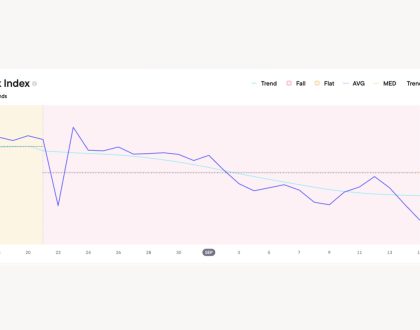
Blask reports Vietnam iGaming demand fell 26.2% amid XoilacTV case update
September 16, 2026