Detecting synthetic IDs in instant-issue card programs
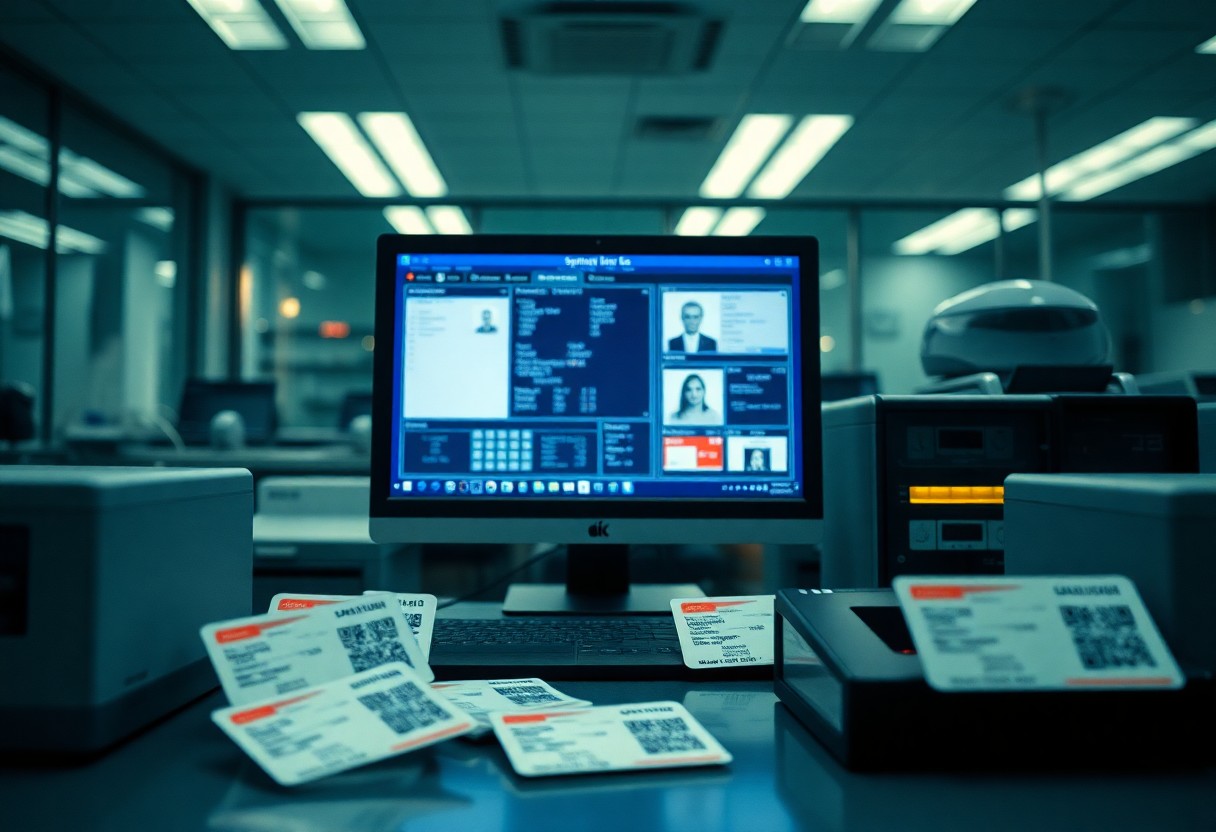
Most financial institutions are increasingly adopting instant-issue card programs, but this innovation also opens the door to significant risks, particularly regarding synthetic identity fraud. This blog post will explore advanced techniques and technologies used to detect synthetic IDs, ensuring organizations can protect themselves and their customers from fraudulent activities. By understanding the methodologies behind detection, financial institutions can fortify their authentication processes and maintain the integrity of their card issuance systems.
Key Takeaways:
- Advanced machine learning algorithms can effectively identify patterns associated with synthetic identities.
- Real-time monitoring of transactions increases the likelihood of detecting fraudulent activities in instant-issue card programs.
- Collaboration with external data sources enhances the accuracy of identity verification processes.
Understanding Synthetic IDs
Definition of Synthetic IDs
Synthetic IDs are fabricated identities created by combining real and fictitious information, often consisting of a mix of legitimate personal data from multiple individuals. These IDs are primarily used to commit fraud, allowing criminals to bypass traditional identification measures and access financial services without detection.
Types of Synthetic IDs
Synthetic IDs can be categorized based on the elements they incorporate and how they are generated. The main types include:








- Completely fabricated identities using invented names and social security numbers.
- Hybrid identities that blend real personal data with fictional elements.
- Stolen identities that have been altered to create a new persona.
- Child identity theft, where minors' information is hijacked for fraudulent use.
- Business synthetic identities that use corporate information for personal gain.
After understanding these categories, it's imperative to identify and mitigate the risks associated with each type.
| Type | Description |
| Completely Fabricated | Invented names and SSNs. |
| Hybrid | Real data combined with fictions. |
| Stolen Identity | Real identity modified for fraud. |
| Child Identity Theft | Using minors' information for fraud. |
| Business Synthetic | Corporate info used for personal gain. |
A deeper analysis reveals trends in synthetic identity creation. Criminals exploit gaps in verification processes, using data from breaches along with synthetic attributes to maximize their chances of success. This manipulation creates a unique class of identity fraud that is particularly challenging to detect.
- The dynamic nature of synthetic IDs complicates traditional approaches to identity verification.
After delving into types, it's evident strategies must evolve to counter these sophisticated tactics.
| Challenge | Implication |
| Data Breaches | Access to real identities boosts fraud. |
| Complexity of Verification | Hinders detection efforts. |
| Increased Fraud Cases | Higher losses for companies. |
| Regulatory Changes | Heightened compliance pressures. |
| Technological Advances | Facilitates new synthetic ID creation. |
The Rise of Synthetic Identity Fraud
Synthetic identity fraud has experienced a significant uptick, driven by the proliferation of digital services and inadequate verification systems. With an estimated 20% of all identity fraud cases linked to synthetic identities, this trend poses a critical challenge for financial institutions and service providers.
This rise correlates with the expansion of online transactions and accessibility of personal data. As more consumers shift to digital platforms, fraudsters have a growing pool of information to manipulate, leading to sophisticated schemes that often evade traditional detection methods, amplifying the urgency for more robust identity management solutions.
The Mechanics of Instant-Issue Card Programs
Overview of Instant-Issue Card Programs
Instant-issue card programs allow financial institutions to produce credit and debit cards on-site, enabling customers to receive their cards immediately after application approval. This process leverages advanced technology, including card personalization printers, which streamline card production and fulfill customer needs without delays. Institutions benefit from providing quick services while enhancing customer satisfaction.
Benefits of Instant-Issue Cards
The primary advantage of instant-issue cards lies in their convenience, offering users immediate access to funds and services. This immediacy not only reduces customer wait times but also boosts account activation rates, driving engagement and usage among new customers.
Furthermore, these cards can contribute to a better customer experience by addressing urgent financial needs, such as urgent purchases or emergencies. Enhanced service delivery often translates to higher customer loyalty, as institutions gain a competitive edge in a market where timely access to financial resources is paramount. Instant issuance can significantly increase customer satisfaction scores and lower the likelihood of account abandonment during the onboarding process.
Vulnerabilities in Instant-Issue Card Systems
Despite their advantages, instant-issue card programs face vulnerabilities, primarily due to the speed of issuance which can bypass thorough identity verification processes. This lack of rigorous checks increases the risk of fraudulent applications, enabling synthetic identity fraudsters to exploit system weaknesses.
These vulnerabilities often stem from simplified authentication procedures designed to accelerate card approval. For example, systems may rely on basic verification methods that fail to detect discrepancies in identity documents or information validation. This oversight creates opportunities for fraud, as criminals can easily obtain functional cards linked to synthetic identities, leading to financial losses and reputational damage for financial institutions. Enhancing verification frameworks and implementing advanced fraud detection tools are imperative to mitigate these risks effectively.
Techniques for Detecting Synthetic IDs
Data Analytics and Behavioral Patterns
Leveraging data analytics to track behavioral patterns helps identify discrepancies that point to synthetic identities. By analyzing transaction histories and user interactions, anomalies such as abnormal spending habits or unusual geographic locations emerge. For example, genuine users typically have consistent transaction patterns, while synthetic identities often exhibit erratic behaviors that defy typical usage norms.
Identity Verification Technologies
Identity verification technologies play a key role in detecting synthetic IDs through rigorous checks. Utilizing biometric authentication, document verification, and database cross-referencing, these technologies assess the authenticity of identity claims in real-time.
Various solutions, including optical character recognition (OCR) to analyze ID documents and AI-powered fraud detection systems, enhance verification processes. By integrating multiple verification methods, such as comparing user inputs against government databases, organizations reduce distortions caused by synthetic IDs. For example, platforms using biometric data like facial recognition are particularly effective, as synthetic identities often lack real-world ties that such technologies can independently verify.
Integration of Machine Learning in Detection
Machine learning integration enhances the detection of synthetic IDs by analyzing large data sets for patterns. Algorithms are trained to identify characteristics of synthetic behavior, allowing organizations to adapt and improve their fraud detection capabilities over time.
As machine learning models analyze historical data, they learn to distinguish between authentic and synthetic identities by recognizing subtle behavioral cues, transaction anomalies, and usage trends. For instance, a model might flag a newly created account that engages in rapid high-value transactions as suspicious. With continuous training and feedback loops, these systems become increasingly accurate, helping financial institutions mitigate risk proactively.
Best Practices for Preventing Synthetic ID Fraud
Comprehensive Customer Verification Processes
Implementing multi-layered customer verification processes is crucial. This includes the use of technologies like biometric verification, real-time identity verification services, and thorough document checks. By cross-referencing multiple data sources—such as government databases, credit bureaus, and public records—organizations can enhance their ability to detect inconsistencies that may indicate synthetic identity fraud.
Employee Training and Awareness
Ongoing employee training is vital to mitigate risks associated with synthetic ID fraud. Staff should be educated on the latest fraud prevention techniques and encouraged to remain vigilant for potentially suspicious activities or documentation.
Regular training sessions, workshops, and updates on evolving fraud tactics can reinforce employees' roles as the first line of defense. Utilizing case studies can deepen understanding of how synthetic identities operate and emphasize the importance of spotting red flags in application processes. Organizations might also implement simulated fraud scenarios to strengthen response strategies, ensuring that employees are confident in identifying signs of fraud.
Regular Audits and Compliance Checks
Conducting regular audits and compliance checks can significantly enhance the detection and prevention of synthetic ID fraud. These assessments should focus on ensuring adherence to established protocols, evaluating effectiveness, and identifying potential gaps in processes.
By instituting scheduled audits, organizations can analyze data trends and identify anomalies. Using data analytics tools can streamline this process, allowing for real-time monitoring. Furthermore, an annual compliance check against regulatory requirements and industry standards serves to not only maintain accountability but also to adapt practices as fraud techniques evolve, thereby reinforcing security measures against emerging threats.
Regulatory Framework and Compliance
Overview of Relevant Regulations
Various regulations govern the issuance and compliance of instant-issue card programs, primarily focusing on identity verification and fraud prevention. The Bank Secrecy Act (BSA), for instance, mandates financial institutions to implement stringent Anti-Money Laundering (AML) procedures. The Identity Theft and Assumption Deterrence Act (ITADA) also plays a vital role by addressing fraudulent identity creation. Understanding these regulations is important for ensuring compliance and maintaining customer trust.
Compliance Challenges in Instant-Issue Programs
Instant-issue card programs face significant hurdles in meeting compliance requirements due to the rapid nature of issuance and the complexities of verifying identities in real-time. The speed necessitated by consumer demand can often conflict with the comprehensive verification processes stipulated by regulators, leading to potential non-compliance issues.
Compliance challenges are exacerbated by technological limitations in verifying digital identities at high speeds. For example, legacy systems may not integrate well with modern identity verification technologies, leading to delays or failures in performing adequate checks. Furthermore, departments within organizations often operate in silos, compromising cohesive implementation of anti-fraud measures. The increased occurrence of synthetic IDs further complicates compliance efforts, as traditional verification processes struggle to detect these sophisticated fraud methods effectively.
Future Trends in Regulation
Anticipated regulatory trends indicate a movement toward enhanced standards for identity verification, with an emphasis on developing more robust digital identity frameworks. As technology advances, regulators are likely to incorporate greater automation and artificial intelligence into compliance requirements, making it easier to detect fraudulent activities while still adhering to regulatory guidelines.
Future regulations may also stress the significance of real-time data sharing among institutions to strengthen collective intelligence against synthetic ID fraud. Enhanced collaboration among banks, credit unions, and fintech companies will likely emerge as a necessity, reinforcing a unified approach to identity verification. In the long term, these evolving regulations are expected to provide clearer guidelines while encouraging innovation in fraud detection technologies, ultimately benefiting both institutions and consumers.
Case Studies: Successes and Failures
- Bank A: Implemented an AI-driven detection system that reduced synthetic ID fraud by 60% within the first year, saving approximately $5 million in potential losses.
- Bank B: Experienced a 40% increase in synthetic ID cases due to outdated verification processes, resulting in losses exceeding $2 million annually.
- Retailer C: Introduced multi-factor authentication that detected 75% of fraudulent applications, leading to a 30% drop in chargebacks.
- Credit Union D: Used machine learning algorithms and successfully flagged 90% of synthetic IDs, enhancing overall security and rebuilding member trust.
- FinTech E: Failed to adjust to evolving fraud tactics, facing a 50% growth in fraud cases, directly impacting their profitability.
Case Study Analysis of Successful Detection Systems
Successful detection systems, such as the one employed by Bank A, demonstrate the importance of integrating advanced technologies within verification processes. Their significant reduction in synthetic ID cases showcases how timely investments in innovative solutions can effectively combat fraud.
Lessons Learned from Failures in Detection
Analyzing failures in detection systems reveals key insights into gaps in technology and strategy that led to increased losses. Organizations that did not adapt swiftly were unable to counteract evolving fraud tactics, resulting in substantial financial repercussions.
Failed detection systems frequently highlight the need for continuous adaptation to emerging threats. Retailer C's initial reliance on traditional metrics contributed to a backlog of fraudulent applications before they implemented advanced techniques, emphasizing the necessity of agility in fraud detection.
Comparative Analysis of Different Approaches
A review of approaches taken by institutions showcases varied effectiveness in tackling synthetic ID fraud, revealing a necessity for tailored strategies based on organizational size and resources.
Comparative Effectiveness of Detection Approaches
| Approach | Effectiveness |
|---|---|
| Traditional Verification | Low (20% fraud detection) |
| Multi-Factor Authentication | Moderate (60% fraud detection) |
| AI and Machine Learning | High (90% fraud detection) |
The comparative analysis ensures organizations grasp which methods yield the best results. Institutions employing AI and machine learning technologies significantly outperformed traditional methods, making it clear that leveraging data analytics is vital for more robust fraud detection efforts.
Conclusion
Following this analysis, effective detection of synthetic IDs in instant-issue card programs is vital for safeguarding financial institutions against fraud. Employing advanced data analytics and machine learning techniques can enhance the identification of anomalies associated with synthetic identities. Additionally, integrating robust verification processes will ensure more secure transactions. Financial institutions must remain vigilant and continually adapt their strategies to counter emerging threats in synthetic identity fraud, thus protecting their assets and customers alike.
FAQ
Q: What are synthetic IDs?
A: Synthetic IDs are artificially created identities that blend real and fake information. They often use legitimate data, such as Social Security numbers, combined with fictional details to create a unique identity.
Q: How can synthetic IDs be detected in instant-issue card programs?
A: Detection can be achieved by implementing advanced algorithms that analyze patterns in the data, cross-referencing information with known databases, and utilizing machine learning techniques to identify anomalies typical of synthetic identities.
Q: What are common indicators of synthetic identities in applications?
A: Common indicators include mismatches in personal information (like address and social security number), unusual patterns of account activity, and applications containing repetitive elements or characteristics typical of known synthetic ID cases.
Q: Why is it important to detect synthetic IDs in instant-issue card programs?
A: Detecting synthetic IDs helps prevent fraud, minimize financial loss, maintain the integrity of customer data, and protect businesses from liabilities associated with unauthorized transactions.
Q: What technologies assist in the detection of synthetic identities?
A: Technologies include artificial intelligence for data analysis, biometric verification, document verification systems, and blacklists of known fraudulent identities to enhance the detection process.

Anna Amstill
I am an avid Blogger and Writer with more than 6 years of experience with Content Writing. An Online Marketing expert specializing in Blog writing, Article writing, Website content, SEO specific Keyword content and much more. Education B.A. - business management, York University, Canada, Graduated 2016.