






Ukraine study finds 86% of online casino players prefer licensed sites
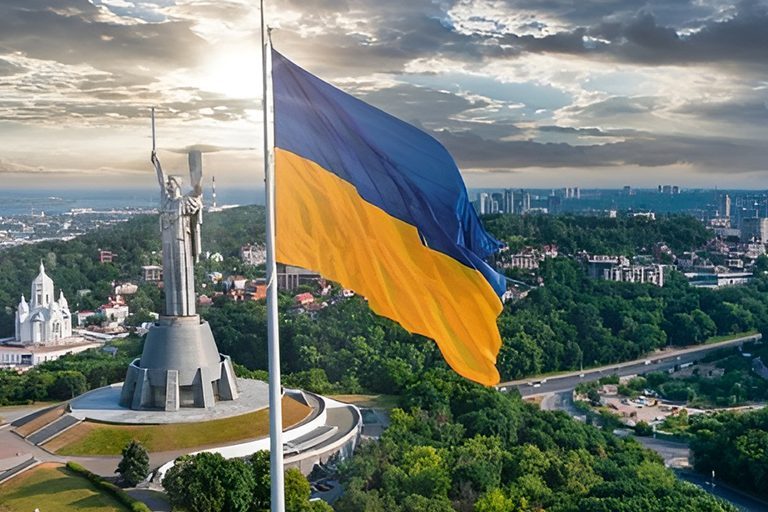
A new Ukrainian study of active online casino users indicates a strong preference for licensed gambling platforms, with 86% of respondents saying they choose operators that are authorised within the country's regulated market.
The research also found that 78% of participants said they had no intention of moving to unlicensed gambling websites. Taken together, the figures suggest that regulatory status is an important consideration for a substantial proportion of people who participate in online gambling.
The findings form part of the second stage of a wider nationwide research project examining the impact of gambling on Ukrainian society. The project was initiated by Ukraine's Ministry of Digital Transformation to provide policymakers with evidence about gambling participation, player behaviour and the effectiveness of responsible gaming measures.







The first stage of the broader research examined public attitudes towards gambling. The later stage focuses more directly on people who actively participate in gambling, providing a different perspective on how players understand the legal market and the risks associated with gambling.
The research programme is being developed as Ukraine continues to strengthen its gambling regulatory framework and consumer protection measures.
Survey focuses directly on active players
The survey was conducted by the SOCIOINFORM Sociological Center between May 19 and June 26, 2026. It involved 2,676 respondents and used an online computer-assisted web interviewing method.
Because the research specifically targeted people who actively use online casino services, its findings provide insight into actual player preferences rather than broader public perceptions of gambling.
That distinction is important. Public attitudes towards gambling can differ considerably from the motivations and experiences reported by people who participate themselves.
The study found that many respondents had experience with gambling dating back several years, including periods before Ukraine introduced its modern regulatory framework. Around 20% of male respondents and 5% of female respondents reported more than 10 years of gambling experience.
These findings indicate that the current legal market includes people whose gambling experience predates the country's present regulatory structure.
Curiosity and entertainment are key motivations
The reasons people begin gambling also emerged as an important part of the research.
The findings suggest that financial expectations are not the only or even the dominant reason given by many active players. Curiosity and entertainment featured prominently among the motivations reported by respondents.
Approximately 40% said they began gambling because they wanted to try it or were interested in the activity. Other reasons included seeking a break from everyday routines, responding to promotional offers, the possibility of winning money and encouragement from friends.
This provides a more nuanced picture of gambling participation. While financial gain remains part of the motivation for some players, the research indicates that entertainment and curiosity are also significant factors.
The distinction could be relevant for future responsible gaming policies because understanding why people enter the market can help regulators develop more targeted consumer protection measures.
Licensed platforms are viewed as safer
The strongest message from the study concerns the position of licensed operators.
A large majority of respondents said they preferred regulated platforms. State oversight was identified by more than half of participants as one of the principal advantages of using the legal gambling market.
Respondents also associated licensed operators with lower perceived fraud risks, fairer gambling conditions, more reliable payouts and safer payment arrangements.
The results suggest that regulation is not simply viewed as a government requirement. For many players, it appears to function as a practical indicator of trust and security.
For the Ukrainian gambling sector, this may have wider significance. A functioning licensing system gives consumers a mechanism through which operators can be distinguished from services operating outside the country's legal framework.
Ukraine's regulatory responsibilities are now handled by PlayCity following the restructuring of the country's gambling oversight system. The regulator has continued developing supervision and monitoring mechanisms for the legal market.
Unlicensed gambling remains a concern
Despite the strong preference for licensed operators, the research indicates that illegal gambling has not disappeared from the Ukrainian market.
Some respondents identified easier registration as a reason for choosing unlicensed services. Anonymity and the absence of certain restrictions were also cited as factors that can make illegal platforms attractive to some users.
Around one in five participants said they personally knew people who used illegal gambling websites.
This highlights a continuing challenge for regulators. Strict requirements can strengthen consumer protection, but the existence of illegal alternatives means policymakers also need to ensure that the legal market remains accessible while maintaining appropriate safeguards.
The continued presence of unlicensed operators can create additional risks because consumers may have fewer formal mechanisms for addressing disputes or seeking regulatory assistance.
The Ukrainian authorities have already been working on stronger digital monitoring of gambling activity. The development of a state online monitoring system is intended to give regulators greater visibility over activity within the legal sector.
Responsible gaming awareness remains uneven
The survey also examined how players perceive their own gambling behaviour.
Approximately 59% of respondents described gambling primarily as entertainment. However, 35% acknowledged that gambling can sometimes become difficult to control while a further 6% said this happens frequently.
The figures do not establish a diagnosis of gambling disorder and should not be interpreted as doing so. Instead, they indicate that a portion of active players recognise that maintaining control can become challenging.
Several potentially risky behaviours were also reported.
Nearly one quarter of participants said they had attempted to recover previous losses by continuing to gamble. A similar proportion reported spending more than they had initially intended.
Around 9% said gambling had contributed to serious financial, family-related or other personal difficulties.
These findings underline why responsible gaming remains an important component of the regulatory debate.
Awareness of player protection tools is growing
Knowledge of responsible gaming tools appears to be increasing, although awareness is not uniform across all available measures.
Approximately 64% of respondents said they were aware that responsible gaming tools exist. Self-control measures and self-exclusion were among the most familiar options.
Awareness was lower for some other safeguards, including spending limits, time limits and access to personal gambling activity statistics.
Some respondents were also less familiar with age restrictions, exclusion registers and organisations that provide assistance to people experiencing gambling-related difficulties.
This creates a potential policy opportunity. The existence of responsible gaming tools is only one part of consumer protection. Players also need to understand what the tools do and how they can use them.
For operators and regulators, improving communication around these measures could therefore be as important as expanding the tools themselves.
Online casino audience is predominantly male
The survey also provides a demographic picture of Ukraine's online casino audience.
Men represented approximately 73% of respondents while women accounted for 27%. Participants generally had higher education or specialised secondary education.
The largest income groups included respondents earning between UAH 11,000 and UAH 30,000 per month and those earning between UAH 31,000 and UAH 50,000.
These figures indicate that online gambling participation extends across several income and education groups rather than being confined to one narrowly defined social category.
However, demographic findings should be treated as a description of the surveyed population rather than evidence that all Ukrainian online casino users share the same characteristics.
Trust in regulation is developing
The research also explored how players perceive the role of the state.
More than half of respondents said they believed the government currently provides an adequate level of regulation for the gambling sector.
Around 44% expressed trust in the Ministry of Digital Transformation and PlayCity, the authority responsible for gambling oversight under the current system.
At the same time, awareness of the institutions themselves remains comparatively limited. Only around 22% said they clearly understood the role of the ministry and PlayCity while another 30% said they had some knowledge of their work.
The gap between general confidence in regulation and detailed awareness of regulators is significant. It suggests that consumers may support the concept of oversight without necessarily understanding which institutions are responsible for licensing, monitoring and enforcement.
Improving public information could therefore help players make more informed decisions when choosing gambling services.
Findings could influence policy through 2035
The research comes at an important point for Ukraine's gambling policy.
The government has been working on a longer-term strategy focused on reducing the harmful effects of gambling and strengthening measures against gambling addiction. A proposed policy framework extends through 2035 and places greater emphasis on prevention, monitoring and early intervention.
The second stage of player-focused research can contribute to that process by showing policymakers how active gamblers perceive the legal market and which safeguards they understand.
The evidence may also help identify areas where regulation can be strengthened without unnecessarily pushing consumers towards unlicensed alternatives.
For operators, the findings reinforce the importance of demonstrating compliance, maintaining transparent procedures and making responsible gaming tools accessible.
For consumers, the results point to the practical value of checking whether a gambling service operates under the relevant Ukrainian regulatory framework.
What the findings mean for Ukraine's gambling market
The study presents a mixed but informative picture.
On one side, the strong preference for licensed platforms suggests that regulation has gained meaningful acceptance among active players. The reported 86% preference for licensed operators is particularly notable because it comes directly from people participating in the market.
On the other side, the continued awareness of illegal websites and the reasons some users may prefer them show that regulatory enforcement remains an ongoing task.
Responsible gaming presents another important area for development. Many players appear to understand the basic concept of self-control and self-exclusion, yet awareness of other tools remains less developed.
The findings therefore point towards a regulatory model that must balance several objectives at the same time: maintaining a competitive legal market, preventing illegal gambling, improving player awareness and identifying potentially harmful behaviour at an earlier stage.
Conclusion
Ukraine's latest player-focused research offers a useful snapshot of how active online casino users view the country's regulated gambling environment. The high reported preference for licensed platforms indicates that legal status, state oversight and perceived security are important considerations for many participants.
At the same time, the research does not suggest that regulation alone resolves every challenge. Some players continue to encounter difficulties controlling gambling activity and a minority remains attracted to unlicensed services because of fewer registration requirements or restrictions.
The policy implication is therefore broader than simply increasing enforcement. Ukraine's gambling framework will also need to ensure that consumers understand their rights, recognise the value of licensed operators and know how to access responsible gaming measures when necessary.
As the country develops its longer-term gambling strategy, evidence from active players can provide a valuable basis for decisions. The strongest outcome would be a market in which legal operators compete under clear rules while consumers have meaningful protections and sufficient information to make informed choices. The study's findings suggest that Ukraine has made progress in building that foundation, but continued regulatory development and public education will remain essential.
FAQs
What did the Ukrainian online casino study find?
The study found that 86% of surveyed active players said they preferred licensed gambling platforms. It also found that 78% said they had no plans to move to illegal gambling websites.
How many people participated in the study?
The survey included 2,676 respondents. It was conducted online between May 19 and June 26, 2026 using a computer-assisted web interviewing method.
Why do Ukrainian players choose licensed platforms?
Respondents associated licensed platforms with state oversight, lower perceived fraud risks, fair play, reliable payouts and safer payment systems.
Why do some players use unlicensed gambling websites?
The study identified easier registration, anonymity and fewer limits or restrictions as some of the reasons respondents may choose unlicensed services.
What motivates people to start gambling?
Curiosity and entertainment were among the most frequently reported motivations. Other reasons included escaping everyday routines, promotions, the possibility of winning money and encouragement from friends.
Are Ukrainian players aware of responsible gaming tools?
Awareness is relatively widespread but incomplete. About 64% of respondents said they knew responsible gaming tools existed, with self-control and self-exclusion among the best-known measures.
What risky gambling behaviours were reported?
Nearly one quarter of respondents said they had continued gambling to recover losses while a similar proportion said they had spent more than they originally intended.
What percentage of respondents were men?
Men accounted for approximately 73% of the respondents while women represented about 27%.
What role does PlayCity have in Ukraine?
PlayCity is responsible for gambling regulation and oversight in Ukraine under the country's current regulatory framework. Its responsibilities include supervision of the legal gambling market and related consumer protection measures.
Could the findings influence Ukrainian gambling policy?
Yes. The research is intended to provide evidence for future policy development, including measures focused on responsible gaming, consumer protection and preventing gambling-related harm.

Anna Amstill
I am an avid Blogger and Writer with more than 6 years of experience with Content Writing. An Online Marketing expert specializing in Blog writing, Article writing, Website content, SEO specific Keyword content and much more. Education B.A. - business management, York University, Canada, Graduated 2016.
Related Posts






SBC Launches New Global Prediction Markets Forum in Lisbon
August 5, 2026