

















Bulgaria brings new licensing rules for gambling affiliates into force
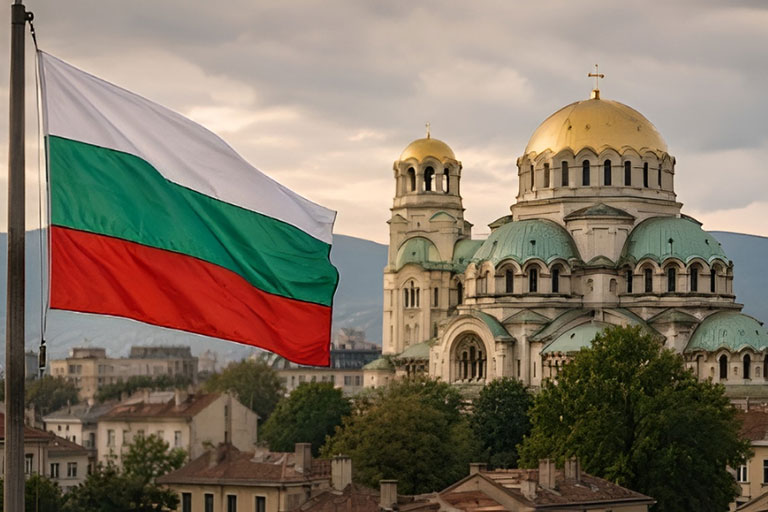
Bulgaria has introduced a dedicated licensing framework for gambling affiliates, bringing performance-based gambling promotion under direct regulatory oversight by the National Revenue Agency (NRA). The amendments to the Gambling Act entered into force on 1 August 2026 and create specific obligations for affiliates that receive compensation linked to measurable player activity.
The new regime marks a significant compliance change for gambling marketing businesses active in Bulgaria. Rather than treating affiliates simply as advertising partners, the amended legislation establishes them as a regulated category when their remuneration depends on results such as registrations, deposits, wagers or other measurable outcomes.
New licensing rules for gambling affiliates
Under the revised framework, gambling affiliates must hold a valid licence when they promote gambling games in return for performance-based commission. The law allows both Bulgarian and foreign individuals and legal entities to undertake this activity. Foreign affiliates must declare an authorised representative with an address in Bulgaria who has sufficient authority to enter into contracts and represent the affiliate before Bulgarian public authorities and courts.








The legislation defines an affiliate operator as a person or company other than the gambling organiser that promotes gambling games under an agreement in exchange for compensation linked to results. The definition covers indicators including the number of referred participants, deposits, bets and paid winnings.
Importantly, the legislation also draws a distinction between affiliate activity and ordinary advertising, media or technical services. A business is not treated as a gambling affiliate under the statutory definition where its remuneration for advertising, media or technical services is not dependent on achieving specified gambling-related results.
This distinction could become particularly important for marketing contracts. Businesses operating mixed commercial models may need to review how their remuneration is structured and documented to determine whether the new licensing requirements apply.
Existing affiliates faced an August deadline
The new framework includes a specific transition rule for businesses already active in the market. Any person that had an agreement or arrangement in place as of 1 August 2026 with a licensed gambling organiser was required to submit an application for an affiliate licence by 15 August 2026. Until the licence is issued, those existing agreements remain effective under the transitional provision.
The deadline creates a relatively short compliance period for established affiliates. Businesses serving the Bulgarian market therefore need to assess their contractual arrangements, marketing channels and regulatory status rather than assuming that existing relationships can continue unchanged.
The law also requires affiliate operators to provide information on every channel through which gambling activity is promoted. Applications must identify websites, mobile applications, social media profiles as well as video and streaming platforms used for gambling promotion. These details are reflected in the licence documentation.
Five-year licensing and regulatory oversight
The National Revenue Agency remains the competent authority for gambling supervision in Bulgaria and now has explicit responsibility for issuing, refusing, terminating and withdrawing affiliate licences. The NRA also has powers to inspect affiliate activity and identify websites associated with unlicensed affiliate promotion.
The new application process is designed to move comparatively quickly. The NRA must complete its review within seven days of receiving an application. Where documentation is incomplete or additional information is required, the authority is required to notify the applicant within three days and provide a seven-day period to remedy deficiencies or provide the requested information.
The legislation provides for a five-year licence period for affiliate operators. It also establishes procedures for changes in licensed circumstances, with affiliates required to notify the NRA of changes within the prescribed statutory timeframe.
New fee structure for affiliates
One of the most notable elements of the new framework is its two-component state fee. Licensed gambling affiliates are subject to an annual fee of €6,000 together with a variable component equal to 10% of performance-based commission. The annual charge is payable by 31 March of the relevant year. Affiliates receiving a licence after that date must pay the annual fee before receiving their licence certificate.
The variable component is handled differently. The gambling operator that calculates the performance-based commission is responsible for withholding and remitting the relevant amount to the NRA. Monthly reporting is required for the commission on which the variable fee is calculated.
The legislation also addresses arrangements designed to conceal performance-based compensation. Where a simulated transaction is used to disguise a transaction involving result-based commission, the variable fee can rise to 20% of the concealed commission.
This means affiliate agreements will likely require closer review of payment structures, reporting procedures and supporting records. Clear documentation may become particularly important where compensation includes multiple forms of marketing remuneration.
Affiliates may promote only licensed operators
The revised Gambling Act prohibits affiliate promotion through operators that do not hold a valid gambling licence. It also prohibits gambling promotion by affiliates that themselves do not hold the required licence. These provisions place compliance responsibilities on both sides of the affiliate relationship.
The NRA is expressly empowered to supervise affiliate operators and identify websites through which unlicensed affiliate promotion takes place. The framework therefore extends regulatory monitoring beyond gambling operators to the wider digital marketing infrastructure used to acquire customers.
The legislation further provides that money received by affiliates operating for unlicensed gambling organisers can be confiscated in favour of the state. Separate sanctions can apply where affiliates promote gambling in breach of the law, including fines for individuals and financial penalties for legal entities.
For affiliate businesses, this makes operator due diligence an important part of ongoing compliance. Maintaining evidence that promotional relationships involve appropriately licensed gambling operators may become an essential internal control.
Wider implications for the Bulgarian market
The Bulgarian framework introduces a more formal compliance model around gambling marketing. For affiliates, the changes affect licensing, taxation, reporting, contract structures and the identification of promotional channels.
The distinction between performance-based affiliate activity and fixed-fee advertising could also influence commercial strategies. Affiliates that rely entirely on result-linked payments may face a materially different regulatory position from businesses providing conventional advertising or media services for fixed consideration.
Operators are also likely to take a more active role in affiliate compliance because the variable fee must be withheld and reported by the gambling organiser. Contracts between operators and affiliates may therefore need stronger provisions covering licensing status, channel disclosures, commission calculations and regulatory reporting.
Enforcement and compliance risks
The new regime gives the NRA a broader framework for intervention where affiliate activity falls outside the legal requirements. The law contains specific financial sanctions for prohibited affiliate promotion and also provides for confiscation of certain funds associated with activity carried out for unlicensed gambling organisers.
The framework should therefore be viewed as a substantive regulatory regime rather than a simple registration exercise. Affiliates operating in Bulgaria will need to consider both the conditions for obtaining a licence and the ongoing obligations attached to holding one.
This is particularly relevant for businesses using several websites or multiple social and video channels. Because these promotional outlets must be declared, changes to digital assets may also require regulatory attention rather than being treated solely as routine marketing decisions.
Conclusion
Bulgaria's new licensing framework places gambling affiliates firmly within the country's regulated gambling ecosystem. From 1 August 2026, performance-based gambling promotion is subject to a dedicated licensing regime administered by the National Revenue Agency, with foreign affiliates required to maintain a properly authorised representative in Bulgaria and all licensed affiliates facing new reporting and fee obligations.
The €6,000 annual fee, 10% variable charge and strengthened controls around result-based remuneration represent a substantial compliance development for businesses active in the market. At the same time, the exclusion of genuinely fixed-fee advertising and technical services provides an important distinction for businesses whose activities do not depend on measurable gambling outcomes.
For gambling affiliates and operators alike, the immediate priority is regulatory clarity. Licensing status, contractual structures, promotional channels and commission arrangements should all be documented carefully. As the NRA takes on direct oversight of this newly regulated marketing segment, Bulgaria's approach signals a broader move towards greater accountability across the digital gambling supply chain.
FAQs
What are gambling affiliates under Bulgaria's new rules?
Gambling affiliates are individuals or legal entities that promote gambling games in return for commission linked to measurable results such as referred participants, deposits, bets or other defined performance indicators.
When did Bulgaria's new gambling affiliate rules take effect?
The new provisions entered into force on 1 August 2026 under amendments published with Bulgaria's 2026 State Budget legislation.
Who issues affiliate licences in Bulgaria?
The National Revenue Agency is responsible for issuing and supervising licences for affiliate operators under the amended Gambling Act.
Can foreign affiliates apply for a Bulgarian licence?
Yes. Foreign individuals and legal entities may conduct affiliate activity, but they must declare an authorised representative with an address in Bulgaria and appropriate authority to represent them.
What was the deadline for existing affiliates?
Affiliates that had qualifying agreements in place as of 1 August 2026 were required to apply for a licence by 15 August 2026.
How much is the annual affiliate licence fee?
The annual state fee is €6,000. A separate variable fee of 10% applies to performance-based commission.
When must the annual fee be paid?
The annual fee must generally be paid by 31 March of the current year. Affiliates licensed after that date must pay before receiving their licence certificate.
What happens if commission is concealed?
Where a simulated transaction is used to conceal performance-based commission, the variable fee may be calculated at 20% of the concealed commission.
Can affiliates promote unlicensed gambling operators?
No. The amended law prohibits affiliate promotion through gambling organisers that do not hold a valid licence.
What information must an affiliate provide to the NRA?
Applications must include information on websites, mobile applications, social media profiles, video platforms and streaming platforms used to promote gambling games.

Lisa
Welcome. I am an experienced writer and I am ready to help you with all forms of writing needs you require. Education B.A. - linguistics, University of Wisconsin-Whitewater, United States, Graduated 2006.
Related Posts


Meet the Winners of the Affiliate Leaders Awards 2026
October 1, 2026

1xBet returns to Liberia after LIPAY Inc. secures a new gaming license
September 29, 2026

Brazil betting ban faces legal challenge as operators assess impact
September 29, 2026

VNLOK takes Meta to court over illegal gambling ads in the Netherlands
September 29, 2026

Brazil blocks 506 betting websites as authorities expand online enforcement
September 28, 2026