

















Maryland gambling laws unchanged as online casino vote falls short again
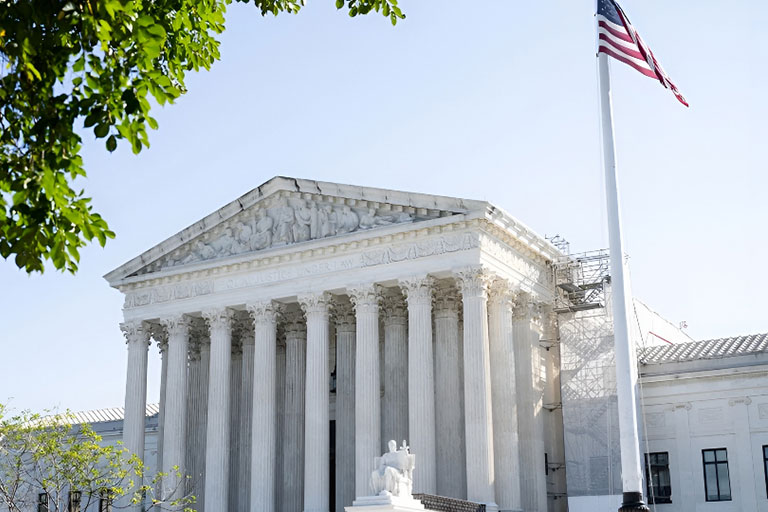
Maryland’s gambling laws will remain unchanged on online casino gaming after lawmakers failed to advance a proposal that could have placed internet casino legalization before voters. Senator Ron Watson’s Senate Bill 761 was withdrawn in March 2026, while the companion regulatory measure, Senate Bill 885, remained pending in committee. As a result, Maryland did not add regulated online casino gaming to its existing gambling framework during the 2026 legislative session.
The outcome means Maryland residents will continue to face the same legal landscape for online casino gaming while lawmakers, regulators and industry stakeholders assess whether another legalization effort should be pursued in a future session.
Maryland online casino referendum does not reach the ballot
The central proposal was Senate Bill 761, titled the Expansion of Commercial Gaming – Internet Gaming Referendum. The legislation was sponsored by Senator Ron Watson and was designed to submit the question of internet gaming authorization to Maryland voters.










The measure was referred to the Senate Budget and Taxation Committee and was initially scheduled for a hearing on March 11. That hearing was canceled on March 10. Senator Watson then withdrew SB 761 on March 13, ending the referendum effort for the 2026 session.
The House had a cross-filed version, HB 1255, sponsored by Delegate Young. That measure remained at the hearing stage and did not advance through the legislative process.
The withdrawal of SB 761 was significant because the proposed online gaming framework was contingent on voter approval. Without the referendum moving forward, the broader implementation plan could not become operative.
SB 885 outlined a proposed regulatory framework
Senate Bill 885, sponsored by Senator Watson, was designed to establish the regulatory structure that would have applied if internet gaming were authorized. The bill covered both internet gaming and online bingo and would have placed oversight responsibility with the State Lottery and Gaming Control Commission.
The proposed system contemplated licensing qualified applicants and requiring users to provide proof of registration before participating. The framework also included regulatory provisions concerning licensing, operational requirements and oversight.
SB 885 received its scheduled Senate Budget and Taxation Committee hearing on March 11. It did not progress through the Senate before the session concluded, leaving the proposed framework without legislative approval.
The distinction between the two measures is important. SB 761 addressed the referendum while SB 885 focused on implementation. The failure of the first measure effectively removed the pathway needed for the second to take effect.
Existing gambling activity remains centered on retail casinos and sports betting
Maryland’s regulated gambling market has developed considerably since voters approved commercial casino gaming in 2008. Casino operations began in 2010 and the state later expanded its gaming offering to include table games. Maryland now has six licensed casinos, creating a mature land-based market that serves as an important source of state revenue.
Sports wagering was introduced later, with retail sportsbooks beginning operations in 2021 followed by mobile betting. The state has subsequently generated substantial public revenue from regulated sports wagering and casino activity.
Maryland’s regulated gambling sector also supports a wide range of public programs. According to the state’s FY2026 figures, its casinos generated approximately $1.93 billion in gaming revenue and contributed more than $822 million to state programs. More than $599 million of that casino contribution went to the Education Trust Fund.
Those figures help explain why any proposed expansion of the market carries significant policy implications. Lawmakers must weigh potential additional revenue against the possible economic impact on existing casinos and the regulatory cost of establishing a new digital market.
Land-based operators remain an important part of the debate
The debate over internet casino gaming has included concerns about the relationship between digital gaming and existing brick-and-mortar casinos.
Cordish Companies, operator of Live! Casino & Hotel Maryland and PENN Entertainment, which operates Hollywood Casino Perryville, have been among the industry voices associated with concerns over the potential effect of online casino gaming on retail operations.
Such concerns generally center on whether digital casino revenue would represent genuinely new economic activity or whether a portion of online spending would simply move customers and revenue away from physical casinos.
This issue has become a recurring point in discussions about legalization in states that already have established casino markets. For Maryland policymakers, the question is particularly relevant because the existing casinos make significant contributions to education and other state-supported programs.
The debate therefore extends beyond whether internet casinos should be permitted. It also involves how licenses would be allocated, how revenue would be taxed and how any potential impact on existing employment and casino investment would be addressed.
What the proposed online gaming model could have included
Although SB 885 did not become law, its provisions offer an indication of how Maryland lawmakers were considering a regulated online market.
The bill contemplated licensing through the State Lottery and Gaming Control Commission and included eligibility rules connected to existing gaming interests. It also addressed consumer registration and operational controls.
The proposal was structured around a revenue-sharing model rather than simply imposing a single tax rate. The legislation contemplated different percentages of revenue being retained by operators depending on the category of internet gaming activity, with remaining funds directed toward areas including regulation, education, worker support and responsible gambling initiatives.
Labor protections were also part of the proposed framework. The legislation contemplated labor peace or collective bargaining requirements and included provisions intended to provide assistance to casino employees who could be affected by a shift in the market.
Consumer protection was another component. Proposed measures included directing players toward responsible gambling resources and restricting the use of credit cards for deposits.
These provisions demonstrate that the discussion was not limited to market expansion. The legislative framework attempted to address licensing, labor considerations, player protections and public revenue at the same time.
Sweepstakes casino legislation also remained unresolved
Maryland’s 2026 legislative session also produced significant activity surrounding sweepstakes-style gaming.
Two House measures, HB 295 and HB 1226, sought to restrict forms of interactive gaming that lawmakers and regulators regarded as unauthorized. The bills took different approaches but were both connected to concerns surrounding online games that can resemble casino-style gambling.
HB 295, requested by the Maryland Lottery and Gaming Control Agency, proposed prohibitions relating to interactive games and revenue associated with illegal markets. The measure passed the House of Delegates by a 105-24 vote and was subsequently referred to the Senate Budget and Taxation Committee.
HB 1226 was titled the Maryland Illegal Online Gambling Enforcement Act. Sponsored by Delegates Bartlett, Conaway and Woods, the bill proposed restrictions on operating, conducting, promoting or supporting illegal online gambling. It also contemplated broader enforcement powers for state authorities.
Importantly, the original legislative timeline requires a correction. HB 1226 did not fail to advance before the March 23 crossover deadline. It passed the House and proceeded to the Senate, where a committee hearing was scheduled for March 31. HB 295 also crossed into the Senate and had a hearing scheduled for April 1.
Neither measure became law during the 2026 session. The result was continued uncertainty around the treatment of sweepstakes-style gaming and other interactive products that may fall outside Maryland’s established gambling framework.
Maryland’s gambling laws face another policy decision
The 2026 outcome does not necessarily end the discussion surrounding online casino gaming in Maryland. Instead, it leaves lawmakers with several questions that are likely to remain relevant in future sessions.
The most immediate issue is whether Maryland should create a regulated online casino market at all. If lawmakers return to the proposal, they will also need to consider licensing limits, tax treatment, market access, responsible gambling safeguards and the relationship between online operators and existing casinos.
The unresolved position of sweepstakes-style gaming adds another layer to the debate. State authorities must determine how emerging digital products should be treated when they do not fit neatly within traditional definitions of casino gaming yet may offer consumers gambling-like experiences.
For Maryland, the broader policy question is becoming increasingly difficult to avoid. Residents already have access to regulated sports betting and traditional casinos while digital gaming continues to evolve across the wider US market.
Conclusion
Maryland’s gambling laws have reached another transitional point. The state did not place an online casino referendum before voters in 2026 and the proposed regulatory framework did not move forward. At the same time, legislation aimed at restricting certain forms of interactive gaming also failed to become law.
The result is not a final decision on internet casino gaming but another year of legislative uncertainty. Maryland retains a strong regulated casino sector and an established sports wagering market, yet the state continues to debate how much further its digital gambling framework should extend.
For policymakers, the next stage will likely focus on balancing public revenue, consumer protections, regulatory oversight and the interests of existing casino operators. Any future proposal will also face scrutiny over whether online gaming should complement Maryland’s retail market or alter its competitive structure.
For consumers and businesses watching the state, the immediate position is clear: Maryland did not legalize online casino gaming during the 2026 session and no new statewide online casino licensing regime took effect. The issue therefore remains open for a future legislative debate, making Maryland’s gambling laws an area to watch closely as lawmakers consider their next steps.
FAQs
Are online casinos legal in Maryland?
Maryland did not legalize statewide regulated online casino gaming during the 2026 legislative session. The proposed referendum and implementation bills did not become law.
Did Maryland voters get to vote on online casino legalization in 2026?
No. Senate Bill 761, which would have advanced an internet gaming referendum, was withdrawn by Senator Ron Watson on March 13, 2026.
What was Maryland Senate Bill 885?
Senate Bill 885 was a proposed framework for authorizing and regulating internet gaming and online bingo in Maryland. It did not become law.
Who sponsored the Maryland online casino referendum bill?
Senator Ron Watson sponsored SB 761, the Expansion of Commercial Gaming – Internet Gaming Referendum.
What agency would have regulated online casino gaming?
The proposed framework identified the State Lottery and Gaming Control Commission as the regulatory authority for internet gaming and online bingo.
Does Maryland allow sports betting?
Yes. Maryland permits regulated retail and mobile sports wagering under its existing gaming framework.
How many casinos operate in Maryland?
Maryland has six licensed casinos operating within its regulated commercial gaming market.
What was HB 295 about?
HB 295 proposed prohibitions involving interactive games and revenue connected to illegal markets. It passed the House but did not become law after reaching the Senate.
What was HB 1226?
HB 1226 was the Maryland Illegal Online Gambling Enforcement Act. It proposed restrictions and enforcement measures relating to illegal online gambling and associated activities.
Could Maryland revisit online casino legalization?
Yes. The failure of the 2026 proposals does not prevent lawmakers from introducing new legislation in a future session, although any new proposal would need to pass the legislative process and satisfy Maryland’s applicable constitutional and regulatory requirements.

Anna Amstill
I am an avid Blogger and Writer with more than 6 years of experience with Content Writing. An Online Marketing expert specializing in Blog writing, Article writing, Website content, SEO specific Keyword content and much more. Education B.A. - business management, York University, Canada, Graduated 2016.
Related Posts


South Africa’s online gambling activity rises 390%, SRI report finds
October 21, 2026


SBC and VNLOK form strategic partnership for 2027 Amsterdam summit
October 19, 2026


