















How Online Casinos Exploit Gambling Behaviors

With the rapid growth of online gambling, it's crucial for you to understand how casinos leverage addictive behaviors to keep you engaged. Many platforms utilize psychological tactics, such as immersive graphics, reward systems, and social interaction, to create an enticing environment that can lead to compulsive gambling habits. By exploring these strategies, you'll gain insights into how your own behaviors may be influenced, helping you make more informed decisions while navigating the online gaming landscape.
The Psychology of Gambling Addiction
While many people engage in gambling as a form of entertainment, for some, it spirals into a debilitating addiction. Understanding the psychological mechanisms behind gambling addiction can illuminate why certain individuals may find it increasingly challenging to walk away from their gaming habits. Gambling exploits cognitive biases that lead you to believe you're on the verge of winning, creating a reinforced loop of excitement and compensation that keeps you returning for more.
Understanding Gambling Addiction
On a fundamental level, gambling addiction is a complex interplay of psychological factors. Research has shown that individuals who develop a gambling problem often have pre-existing mental health conditions, such as anxiety or depression. These emotional struggles can make the temporary escape that gambling provides feel almost irresistible. The thrill and potential for big wins can overshadow reality, distorting your perception of loss and leading you to chase losses that only exacerbate the cycle of addiction.










The Role of Impulsive Behavior
Behavior plays a significant role in the cycle of gambling addiction. Impulsivity, characterized by a tendency to act without forethought, often drives individuals to gamble more than they can afford. This impulsive nature can lead you to make irrational decisions, driven by momentary emotions rather than rational assessments of risk. As immediate rewards, such as a win or an exciting betting experience, take precedence over long-term consequences, your ability to self-regulate diminishes, making it harder to step back and evaluate your gambling habits.
To combat these impulsive drives, you might consider strategies to impose a structure on your gambling behavior. Setting time limits, budgets, and even taking breaks can foster more thoughtful engagement with gambling activities, allowing you to mitigate some of the impulsive urges that often lead to problematic behavior.
Emotional and Social Triggers
An important aspect of gambling addiction involves understanding the emotional and social triggers that can ignite your desire to gamble. These triggers can come from various sources, such as stress from work, relationship issues, or even specific social environments where gambling is prevalent. When you find yourself overwhelmed by feelings of loneliness, frustration, or even boredom, the urge to gamble can intensify as a way to cope with those emotions. Recognizing these triggers can help you develop healthier coping mechanisms and avoid returning to the gambling platform as an escape.
Addiction is deeply intertwined with both your emotional state and social influences. Identifying your personal triggers and learning to navigate them effectively can make a significant difference in your journey towards understanding and addressing gambling addiction. Surrounding yourself with supportive relationships and engaging in alternative activities that bring fulfillment can serve to diminish your reliance on gambling as a means of emotional relief.
The Rise of Online Gambling
There’s no denying that the online gambling industry has experienced a meteoric rise over the last two decades. As technology advanced, so did the way people engage with their favorite games of chance. Initially, gambling was confined to physical casinos, limiting accessibility and reach. However, the introduction of the internet has transformed the landscape, allowing you to gamble from virtually anywhere at any time. This ease of access has not only attracted seasoned players but has also invited a new generation of gamblers eager to explore this fast-paced virtual world.
Evolution of Online Casinos
The online casino experience has evolved significantly since its inception in the mid-1990s. Early platforms offered a limited selection of games and basic functionalities, primarily appealing to tech-savvy individuals. However, advancements in software technology, graphics, and user interface design have transformed online casinos into richly immersive experiences. Today, you can choose from a plethora of games, including live dealer options that mimic the excitement of a physical casino while enjoying your favorite beverages in the comfort of your home.
Accessibility and Its Effects
One of the most notable impacts of online gambling is the level of accessibility it provides. With a few clicks, you can enter a world filled with games ranging from slots to poker, available at any hour of the day. This ease of access can have significant ramifications on your gambling behavior, often blurring the lines between casual engagement and problematic habits. The allure of constant availability can lead to longer gambling sessions and higher spending, affecting not only your finances but also your overall well-being.
Understanding this environment is necessary to recognizing how easily one can slip into compulsive behavior. The omnipresence of gambling websites and mobile applications can make it difficult to disengage once you start playing, pulling you into continuous betting patterns that feel nearly irresistible. You may find it hard to determine the difference between leisurely gaming and compulsive gambling, which can contribute to growing addiction issues.
The COVID-19 Pandemic and Gambling Behavior
Accessibility to online gambling became even more pronounced during the COVID-19 pandemic. With many physical casinos closing their doors due to health restrictions, people sought alternative sources of entertainment from home. As social isolation increased, so did the frequency and intensity of online gambling activities. You may have observed friends or acquaintances turning to online platforms not just for thrills, but as a coping mechanism for stress and uncertainty. This surge in participation raises concerns about heightened risk and potential addiction as you navigate this unusual landscape.
Plus, the effects of a global pandemic have amplified existing vulnerabilities within an already susceptible demographic, leading to startling statistics around gambling habits. Players who previously maintained a healthy balance began to find solace in online gaming, often spiraling into compulsive behavior without the usual accountability provided by physical casinos. The intertwining of stress relief and gambling can create a dangerous cycle, making it increasingly important for you to remain aware of your habits in this ever-changing online environment.
Mechanisms of Exploitation in Online Casinos
Game Design and User Engagement
Your experience in online gambling is heavily influenced by the design of the games you encounter. Game developers employ sophisticated psychological tactics to draw you in and keep you engaged. For instance, the use of bright colors, enticing sounds, and immersive graphics create a captivating environment that can easily hold your attention for extended periods. Features like near-misses, which give the illusion of winning even when you haven't, manipulate your perception and encourage you to keep playing, reinforcing the cycle of addiction.
About the mechanics behind these designs, it’s important to note how they mirror traditional gaming elements that have proven effective over the years. Slot machines, for example, are structured to provide intermittent rewards, which fosters a sense of anticipation. This unpredictability keeps you on the edge of your seat and elicits a dopamine release in your brain, making it difficult to walk away. Gamifying experiences by adding leaderboards, achievements, and leveling systems further entices you to spend more time and money as you strive for the next milestone.
Use of Behavioral Analytics
User engagement in online casinos is heightened by sophisticated data analysis techniques that monitor your habits and preferences. Behavioral analytics allow casinos to track your interactions, betting patterns, and gameplay duration. By analyzing this data, they can tailor experiences that resonate with you, making it increasingly difficult to resist playing. This tailored approach targets your psychological baseline and encourages prolonged engagement, as you feel an intuitive connection to the games presented to you.
Due to these analytics, online casinos can identify patterns that indicate when players might be at risk of developing harmful habits. While some may argue that this information could be used to promote responsible gaming, often the primary objective remains focused on maximizing profits. Consequently, when you exhibit certain behaviors—such as increased betting or prolonged session lengths—you may receive targeted promotions or bonuses designed to entice you further, steering you deeper into the world of gambling.
Personalization and Tailored Promotions
Between the mechanisms of data collection and game design, you’ll find a well-crafted strategy that emphasizes personalization. Online casinos create tailored promotions that speak directly to your interests, often using the information gathered through behavioral analytics. This can include customized bonuses, free spins on games you've shown interest in, or special events that align with your gambling habits. This personalization serves to enhance your gambling experience by making you feel valued and understood, ultimately nudging you to engage more frequently.
Mechanisms like these exploit your psychological triggers and cultivate a sense of belonging within the online casino environment. By addressing your preferences with specific incentives, casinos can create and maintain your interest, making it challenging to disengage. The illusion that you are receiving special treatment can intensify your emotional investment in the platform, encouraging you to gamble more, even when it may not be in your best interest.
The Role of Incentives and Bonuses
For many online gamblers, the allure of incentives and bonuses is hard to resist. Casinos use these financial benefits as a primary tactic to attract and retain players, crafting an environment that feels rewarding and exciting. By offering various types of bonuses, online casinos create a psychological pull that can encourage you to gamble more frequently, even when the risks may outweigh the potential rewards. With carefully designed offers, these platforms manipulate your perception of the game, fostering an environment where you may feel compelled to play even beyond your limits.
Welcome Bonuses and Their Impact
Beside the thrill of the game, welcome bonuses are among the most enticing offers you will encounter in the online gambling world. These bonuses typically come in the form of free spins, matched deposits, or no-deposit bonuses, inviting you to explore the platform with minimal financial risk. This initial boost creates a sense of excitement and potential, making it easy for you to examine gameplay without contemplating the long-term implications of your gambling behavior.
As you take advantage of these bonuses, it’s imperative to understand how they can alter your perception of chance. The initial wins may give you a rush of adrenaline and a false sense of mastery over the games, leading you to believe that you can continue winning simply by playing more. This misguided confidence can make it difficult for you to set limits, increasing the likelihood of prolonged gambling sessions.
Loyalty Programs and Gamification
Against this backdrop of welcome bonuses, many online casinos also implement loyalty programs and gamification strategies to keep you engaged. These programs reward you for your gameplay with points that can be redeemed for bonus funds, free spins, or exclusive perks. This continuous engagement incentivizes you to return to the site frequently, often giving you the impression that your gaming habits are being rewarded. Your loyalty becomes a currency, and the more you gamble, the more benefits you perceive you are receiving.
A further layer to this approach is gamification, which uses game-like elements such as achievements, levels, and leaderboards to enhance your gaming experience. By incorporating these features, casinos can create a competitive environment that encourages you to strive for more frequent play. This psychological mechanism can make it much harder for you to assess whether your behavior is becoming problematic.
The Illusion of Control and Winning
Behind these incentives lies a more insidious tactic—creating an illusion of control over the games you play. Online casinos often project a sense of mastery by implying that your choices and strategies can significantly impact the outcome of games, even when outcomes are fundamentally based on chance. This belief can lead you to take risks you might otherwise avoid, as you convince yourself that your skill or strategy can push the odds in your favor.
Understanding this illusion is vital for anyone engaging in online gambling. It allows you to recognize that while you may enjoy a sense of agency in your gameplay, it does not alter the inherent randomness of the games. Being aware of how this perception can manipulate your behavior helps you to make more informed choices and potentially mitigate the risks associated with addictive gambling practices.
The Psychological Impact of Near Misses
Once again, the world of online gambling reveals how it artfully manipulates players' emotions to sustain engagement. The ‘near-miss’ effect is a prevalent psychological phenomenon in games of chance, where you might find yourself just one symbol away from a significant win or hitting the jackpot. These near misses create a false sense of optimism, suggesting that victory is within your grasp, even when the odds remain firmly against you. This psychological trickery can lead you to believe that success is just around the corner, encouraging you to continue playing in hopes of that elusive win.
Understanding the ‘Near-Miss’ Effect
Against the backdrop of gambling, each near miss is often perceived as a stepping stone to success. This is particularly potent in slot machines and similar games where the visual representation of winning outcomes can create a responsive loop in your brain. When you come so close to winning, your brain releases dope, reinforcing the behavior and making you more likely to return for another attempt, lured by that intoxicating feeling of being on the brink of triumph. Over time, you begin to associate playing with the excitement of potential and this can lead to extended gambling sessions.
The Role of Cognitive Dissonance
Psychological research shows that cognitive dissonance plays a significant role in how you rationalize your gambling behavior. When you experience a near miss, the discomfort of losing can clash with your desire to win. To ease this mental conflict, you may convince yourself that considering the near miss as a semi-success is valid, thus justifying the time and money spent on gambling. This internal dialogue can create a cycle, wherein you feel compelled to try again to achieve what you now perceive as an almost guaranteed win.
Near misses intensify cognitive dissonance by fostering an illusion of control. You might conclude that if you just tweak your strategy a little or increase your stakes, you can finally break through to that victory. As your mind grapples with these conflicting viewpoints, it reinforces the notion that failure is merely a precursor to success, creating a volatile environment ripe for addictive behavior.
Mitigating the Loss Through Optimism
By focusing on near misses, casinos effectively use a psychological mechanism that can lead you to minimize the impact of your losses. The optimism bias that arises from perceived near victories paints a rosy picture, prompting you to overlook the financial toll of your gambling. You may feel inclined to continue playing, convinced that the next round will finally yield the long-awaited windfall, thus keeping you engaged longer than intended.
Mitigating the pain of loss through optimism can trap you deeper into a cycle of gambling, as each near miss serves as a reminder of what victory might taste like. By constantly dwelling on the positives, you may dismiss the tangible losses you're accruing and instead focus on the thrill of those brief moments when success felt just within reach.
Another contributing factor to this optimistic mindset is the social environment surrounding online gambling. Interactions with fellow players or advertisements that showcase massive winners can amplify feelings of hope and potential victory. When you see others cashing in on impressive wins, it adds to your belief that success could easily become yours, regardless of how many times you've come tantalizingly close to winning. This social reinforcement plays a vital role in fostering a cycle of optimism that casinos want you to perpetuate.
The Influence of Social Proof in Online Gambling
All online gambling platforms leverage social proof to encourage engagement and increase the likelihood of continued play. This psychological phenomenon occurs when individuals look to the behaviors and actions of others to guide their own decisions, often leading to a heightened sense of validation and urgency. In an online casino environment, you'll likely see indicators such as player statistics, winner announcements, and active user counts prominently displayed. These elements work to create an illusion of popularity and excitement around certain games or activities, subtly nudging you to join in and share the same experience as others.
Peer Pressure and Group Dynamics
With the competitive nature of online gambling, peer pressure can significantly impact your decision-making. When you see others celebrating wins or discussing strategies in chat rooms, it can create an environment where you feel compelled to join in, even if it goes against your better judgment. Group dynamics play into this as well; the desire to be part of a community can overshadow your personal limits and lead you to chase losses or stake larger amounts than originally intended.
Moreover, the fear of missing out (FOMO) can further amplify your urge to participate. When you see your peers engaging in an exciting game or event, it can be challenging to resist the temptation to get involved, regardless of your current position in your gambling journey. The social pressure to keep up with your peers can cloud your judgment, often leading to impulsive choices you might not have made otherwise.
The Role of Social Media
Across various online platforms, social media plays a vital role in shaping your perception of online gambling. The pervasive sharing of big wins, game strategies, and personal stories can create an environment where participation seems not just attractive, but also normal. Often, you're bombarded with curated posts showcasing lavish lifestyles, luxurious vacations funded by gambling success, and testimonials that glorify the experience. This social media influence can heavily affect your gambling habits, making it seem like a more viable and appealing option than it may be in reality.
This glorification of gambling on social media can lead to an illusionary world where everyone appears to win, further entrenching you in the cycle of gambling. Oftentimes, you may not see the stories of losses or the struggles that come with addictive behavior, making it easy to overlook the potential risks. This selective portrayal serves to normalize gambling as a fun and lucrative pastime, contributing to a misguided belief that it can be a path to quick wealth.
Community-Based Gambling Platforms
Above the traditional online casinos, community-based gambling platforms foster a collaborative environment where interactions among users play a key role. These platforms often include forums, live chats, and collaborative games, allowing you to engage and socialize with fellow players. This interaction creates a sense of camaraderie, making the gambling experience feel less solitary and increasing your attachment to the platform. As you connect with others, the desire to fit in and showcase your own achievements can encourage you to gamble more frequently and stake larger amounts.
And while these communities can provide a sense of belonging, they can also perpetuate harmful behaviors. You might find that the competitive atmosphere influences your decision-making, pushing you to bet more or play longer than you intend. Additionally, the shared narratives of wins and losses can impact your perception of gambling norms—and as a result, your actions—leading to a pattern of riskier play. As you navigate these community-centric platforms, it's vital to stay aware of how the influence of social interactions can shape your gambling experiences.
Responsible Gaming: An Oxymoron?
Many people believe that the gambling industry promotes responsible gaming as a genuine commitment to player welfare. However, the term itself often raises eyebrows among critics who argue that it may simply serve as a marketing ploy. In an environment where profits are tied to player engagement, the definition of “responsible” can become blurred, leading you to wonder whether the industry genuinely prioritizes your well-being or its bottom line. The use of marketing tactics that appeal to your emotions and create a sense of excitement can make it challenging to keep gambling in check, raising the question of whether the concept of responsible gaming is merely an oxymoron.
Industry Responses to Gambling Addiction
An increasing number of casinos are claiming to take steps towards addressing gambling addiction, often highlighting their initiatives in responsible gaming. You might encounter messages encouraging you to set limits on your spending or take breaks. However, some critics argue that these measures can feel superficial, lacking the depth of actual support. While these programs can provide helpful resources, they may fall short of comprehensive solutions needed to address the complexities of addiction.
The Effectiveness of Self-Exclusion Programs
An emerging avenue for addressing gambling addiction is the implementation of self-exclusion programs. These initiatives allow you to voluntarily restrict your access to gambling platforms for a specified period. While self-exclusion can serve as a potent tool for curbing impulsive gambling, its effectiveness largely relies on individual commitment and the structure of the program itself. If you choose to engage in self-exclusion, it’s imperative to understand the process and recognize that simply opting out does not guarantee a resolution to deeper psychological challenges.
Effectiveness is also linked to how well these programs are communicated to users. Many online gambling sites promote self-exclusion options, but they may not provide clear guidance on how to navigate the process or offer sufficient follow-up support. Without ongoing assistance or opportunities for re-engagement in responsible gaming dialogues, the lasting impact of these programs remains uncertain.
The Role of Regulation in Online Gambling
Online gambling regulations play a vital role in managing the industry's approach to player protection. When you engage in online gambling, regulatory bodies often set the groundwork for the types of resources that casinos should provide to promote responsible gaming. Adequate regulations can ensure that operators have necessary protocols in place, potentially mitigating the risks associated with addictive behaviors. Yet, the effectiveness of these regulations largely depends on their enforcement and comprehensiveness.
Another aspect to consider is that regulatory environments can vary significantly from one jurisdiction to another. While some regions may have strict standards in place, others may leave much to be desired. This inconsistency can impact your experience, making it imperative for you to understand the guidelines in your local area before engaging in online gambling. A robust regulatory framework not only encourages responsible gaming but also holds operators accountable, potentially fostering a safer gambling environment for all players involved.
Targeting Vulnerable Populations
Now, it’s crucial to recognize how online casinos often target specific demographics that are most susceptible to gambling addiction. By analyzing data, these casinos can pinpoint which groups are prone to impulsive behavior. Typically, younger adults, particularly those aged 18-34, are highly affected due to their familiarity with technology and the allure of instant gratification through gaming. Additionally, low-income individuals may find themselves drawn to gambling as a potential escape from their financial struggles, further increasing their vulnerability.
Demographics Most Affected by Gambling Addiction
Behind the numbers, it's clear that certain demographic groups are more significantly impacted by the addictive nature of gambling. Research shows that men are statistically more likely to develop gambling problems than women, although the gap is narrowing as more women engage in online gambling. Furthermore, individuals with pre-existing mental health issues, such as depression and anxiety, are also at a higher risk, finding themselves trapped in a cycle of gambling in an attempt to alleviate their emotional distress.
Marketing Strategies Aimed at At-Risk Groups
At the same time, the marketing strategies employed by online casinos are meticulously designed to appeal to these at-risk groups. Bright banners, enticing promotions, and gamified rewards create a captivating atmosphere, which can lead to impulsive participation. Additionally, language that emphasizes winnings and the excitement of playing often overshadows the potential risks, allowing casinos to draw in vulnerable players before they have a chance to consider the implications of their actions.
And as you explore the online gambling landscape, it is crucial to stay informed about these marketing tactics. Casinos often use personalized ads based on your online behavior and preferences, which can create a false sense of belonging and connection. Understanding these strategies allows you to recognize when you might be targeted unfairly, particularly if you belong to a demographic that is more prone to gambling addiction.
Accessibility of Information on Risks
Demographics also influence how accessible information regarding the risks of gambling is for different groups. Many sources may fail to reach the most vulnerable, who might not be aware of the potential dangers of gambling. Educational resources and support services can sometimes be hidden behind paywalls or may require a proactive search, which not everyone is prepared to undertake. This lack of readily available information contributes to a cycle of addiction as individuals continue to engage without understanding the potential consequences.
Groups that often rely on direct marketing for gambling may ignore or bypass crucial discussions regarding responsible gaming. By strategically focusing on less informed populations, online casinos can perpetuate an environment where addiction thrives. Being aware of the gaps in available information can empower you to seek help and make better-informed choices regarding gambling activities.
The Ethical Dilemmas of Online Gambling
To navigate the landscape of online gambling, you must contemplate the ethical implications embedded within the industry's operations. The rise of digital platforms has made it easier than ever for individuals to engage in gambling, which simultaneously raises questions about the morality of profiting from addictive behaviors. In an intuitive environment where wins can feel rewarding and losses can lead to chasing the next big win, you might find yourself contemplating the fairness of systems designed to maximize profit while impacting player behavior.
The Morality of Profit-Driven Exploitation
Around the world, online gambling operators have transformed their business models into profit-driven engines that often prioritize revenue over player safety. You may notice that many platforms employ psychological tactics meant to keep you engaged, such as variable rewards and enticing bonuses. While these strategies can enhance your gaming experience, it is imperative to question where the line is drawn between legitimate marketing and exploitative behavior aimed at manipulating your tendencies toward gambling.
As you research deeper into online gambling, you might find it challenging to reconcile the pursuit of corporate profit with the responsibility operators have towards their players. The more addiction-friendly practices are adopted, the more the ethics of such decisions come into focus. You are left to ponder whether it is right for companies to capitalize on your vulnerabilities in order to meet their bottom line.
Balancing Business Interests with Player Welfare
Below the surface of thriving online gambling platforms lies a tension between business interests and the well-being of players like yourself. Organizations might publicly claim to advocate for responsible gambling while subtly incorporating features that can lead to addictive practices. It is in this dichotomy that the core ethical dilemmas reside. As you engage with these platforms, it is imperative to be aware of how they balance their profit-making ambitions with a commitment to ensuring you are treated fairly and not taken advantage of.
The industry often positions itself as a provider of entertainment, yet your capacity for rational decision-making can be undermined by aggressive marketing and the appeal of seemingly quick financial gains. You might wonder if online casinos are genuinely considering your overall health and safety when they introduce innovative features designed to maximize your playtime or betting amounts.
Ethical Considerations of Automated Systems
Behind the scenes of online gambling platforms, automated systems play an increasingly significant role in shaping your experience. These systems can analyze your behavior, creating personalized offerings that are designed to keep you engaged and coming back for more. While efficiencies in technology can enhance gameplay, they also pose ethical questions regarding the extent to which your data is being used to influence your gambling habits. Are these algorithms created with your best interests in mind or are they simply designed to boost the operator's profits?
Morality takes a center stage when considering the implications of automated systems in gambling. As these technologies advance, you face the reality that your personal data is utilized in ways that could affect your engagement levels and even level of addiction. It’s imperative for you to grapple with how these digital environments impact your mental health and choices long after the thrill of the game has faded away. The ethical responsibilities of online gambling operators must evolve alongside technology to protect players like you.
The Evolution of Technology in Online Gambling
After the initial launch of online casinos, the industry has experienced a rapid transformation driven by advancements in technology. These changes have not only influenced how games are played but have also impacted the ways in which casinos attract and retain players. From improved graphics and sound effects to innovative gameplay features, the technological evolution in online gambling has made it more immersive and engaging than ever before, effectively drawing in millions of players worldwide.
The Rise of Mobile Gambling
At the forefront of this transformation is the rise of mobile gambling. With the proliferation of smartphones, players now have the ability to engage in online gambling anytime and anywhere. This convenience has led to a surge in the number of individuals trying their luck on games ranging from classic table games to diverse slots. Consequently, online casinos have tailored their platforms to ensure that they are fully optimized for mobile devices, enhancing user experience with intuitive interfaces and faster load times.
Furthermore, the rise of mobile gambling has opened up opportunities for casinos to offer exclusive promotions and bonuses that cater specifically to mobile users. These incentives, combined with the ease of access, not only boost player engagement but also increase the likelihood of developing addictive gambling behaviors. You may find yourself drawn to the instant thrill of spinning a slot machine while commuting or participating in live dealer games during your free time, which can create habitual gambling patterns.
Virtual and Augmented Reality Gambling
Before the advent of cutting-edge technologies, traditional online gambling primarily relied on 2D interfaces. However, the incorporation of virtual reality (VR) and augmented reality (AR) has taken the gambling experience to new heights. With VR headsets and AR applications, you can now step into a virtual casino or interact with digital game elements in a blended real-world setting. This integration adds an immersive layer to your online gambling experience, making it feel as if you are actually present in a physical casino.
Gambling platforms are gradually experimenting with these technologies to create more enriching and interactive environments. For instance, VR casinos allow you to walk around and engage with other players in real-time, while AR can enhance your gaming experience by overlaying graphical elements on your surroundings. As these technologies continue to develop, you can expect an even more captivating gambling experience that may further complicate your relationship with gambling.
The Role of Cryptocurrencies and Anonymity
By embracing cryptocurrencies, online gambling platforms have created a space where traditional banking protocols can be circumvented. This trend caters to a growing demographic of players who prioritize privacy, as cryptocurrency transactions are often pseudonymous. This allows you to place bets without needing to provide personal information, creating an environment that can be both liberating and potentially dangerous, as anonymity may encourage risky gambling behaviors.
Online casinos that accept cryptocurrencies are also more appealing due to the potential for faster transactions and lower fees. You may find yourself increasingly drawn to these platforms, eager for the convenience they offer. However, the layer of anonymity that cryptocurrencies provide can blur the lines of responsible gambling, making it important for you to remain aware of your gambling habits and set personal limits, regardless of how private your transactions may feel.
Case Studies of Gambling Addiction
Unlike traditional casinos, online gambling platforms create an environment where addictive behaviors can proliferate. There have been numerous case studies highlighting how individuals can fall into overwhelming gambling addiction through the digital realm. Below is a collection of data depicting the magnitude of this issue:
- Approximately 6% of online gamblers experience severe levels of gambling-related problems.
- A study by the National Center for Responsible Gaming found that around 1 million Americans are diagnosed with gambling disorder each year.
- Among online casino players, up to 30% report problematic gambling behaviors, markedly higher than traditional settings.
- Research indicates that 15% of those who gamble online do so at least once per day, increasing their risk of addiction significantly.
- Over 50% of individuals seeking help for gambling addiction report online gambling as a primary factor contributing to their issues.
- Self-exclusion programs established by various online platforms see engagement from up to 10% of active users in areas where gambling is legal.
Personal Stories of Recovery
On the journey to recovery, personal stories illustrate the profound struggles and victories many face after grappling with online gambling addiction. One individual, Sarah, spent years entrapped in her online gaming habits, losing not only her savings but also her relationships. Through therapy and support groups, she began to reclaim her life. Such experiences resonate with countless others who have taken steps to reconnect with their loved ones and overcome their addiction.
On many occasions, individuals in recovery emphasize the importance of community and understanding in their healing process. Bill shares that participating in support groups provided him with a sense of belonging and responsibility. It's through the combination of therapy, personal reflection, and community intervention that many find their way back to stability and hope.
Comparative Analysis of Different Online Platforms
With a variety of online gambling platforms available, you may wonder how they differ in their approach to responsible gaming. The following table outlines the key features of different platforms in terms of addiction prevention and support:
| Platform | Key Features |
| Platform A | Offers robust self-exclusion options and counseling resources. |
| Platform B | Provides daily loss limits and real-time notifications on gaming time. |
| Platform C | Engages users with educational material regarding gambling addiction. |
| Platform D | Has a dedicated support team available for assistance 24/7. |
This analysis suggests that while some online platforms have made strides in providing support for responsible gambling, the effectiveness of these measures can vary widely. You may find it beneficial to select a platform that actively promotes healthy gambling practices and offers tools for maintaining control over your gaming habits.
Long-term Impact on Families and Communities
Between individuals who experience gambling addiction and their families lies a complex web of emotional and financial strains. The effects of online gambling can ripple through communities as well, with many families facing significant hardships due to the financial consequences of someone’s addiction. The isolation often accompanying gambling addiction can lead to decreased familial bonds, mental health challenges, and feelings of hopelessness among loved ones.
Between the loss of income and the emotional toll, families affected by gambling addiction need comprehensive support systems. This shared burden often results in strained relationships and a wider impact on community resources, including increased demand for counseling and mental health services.
Platforms aiming to address gambling addiction can pave the way for healthier community environments. Initiatives such as responsible gambling campaigns and partnerships with mental health organizations can significantly improve community resilience and awareness regarding the impacts of online gambling.
Legal Framework and Regulations
Keep in mind that online gambling exists within a complex legal framework that varies significantly across jurisdictions. Each country establishes its own set of laws, and how they regulate online gambling can greatly affect your experience as a player. Whether you are in a region where online betting is legalized and regulated, or you are in a country where such activities are banned, your understanding of these laws is important to safeguard your interests and ensure a responsible gambling approach.
Current Laws Governing Online Gambling
Laws governing online gambling primarily revolve around licensing, player protection, and consumer rights. In many countries, operators must obtain a license to provide gambling services legally, ensuring that they comply with stringent standards. These laws may include provisions for responsible gambling, age verification, and the safe handling of customer funds. As a player, being aware of these laws helps you. It fosters a safe environment where the risks associated with gambling can be effectively managed.
The Role of International Regulations
Alongside national laws, international regulations also play a significant role in shaping the online gambling landscape. Various organizations and treaties promote standards that member states are encouraged to adhere to, thereby creating a level playing field. By understanding these regulations, you can better navigate the complexities of online gambling platforms, ensuring that the sites you choose operate with integrity and follow established ethical standards.
Understanding these international frameworks further underscores the importance of compliance. For instance, jurisdictions such as the United Kingdom and Malta are known for their comprehensive regulations, which set the bar for others. If you engage with operators licensed in such jurisdictions, you often benefit from higher standards of transparency and player security. However, knowing what international frameworks exist can empower you to make informed choices when selecting where to gamble online.
Challenges in Enforcement and Compliance
Laws can often face significant challenges in enforcement and compliance, especially in the fast-evolving online gambling space. The digital nature of online betting creates difficulties in monitoring operations, leading to variances in how laws are applied. You may encounter operators that evade legal scrutiny by operating from jurisdictions with lax regulations or employing strategies that complicate enforcement efforts. This can put you, as a player, at risk if you engage with unlicensed providers.
Frameworks surrounding enforcement can also differ vastly; some countries may lack adequate resources or political will to regulate online gambling effectively. This inconsistency means you can find yourself playing on platforms that may not comply with good practices, which can ultimately affect your safety and financial security. It becomes vital for you to conduct your own research on the online casinos you choose to engage with, ensuring that you only play on those that operate within a strong legal framework.
Future Trends in Online Gambling
Not only is online gambling evolving, but its future trends reflect a dynamic landscape shaped by various socio-economic factors, technological advancements, and regulatory shifts. As you navigate this ever-changing environment, understanding these trends can provide insight into how gambling behaviors may further develop and what to expect as the industry progresses.
Predictions for the Industry
With the increasing integration of artificial intelligence and machine learning, the predictions for the online gambling industry suggest a more personalized experience for users. You can expect operators to utilize algorithms that analyze your playing habits, tendencies, and preferences. This will likely lead to tailored promotions and recommendations designed to enhance user engagement and retention, all while maximizing the casino's profit margins.
Moreover, the rise of virtual reality (VR) and augmented reality (AR) platforms is predicted to create immersive gambling environments that simulate the experience of being in a physical casino without leaving your home. These innovations may not just attract new players but also keep existing ones coming back for more, as you engage with realistic casino settings and social interactions that mirror the excitement of traditional gambling.
The Impact of Technology on Gambling Behaviors
After years of rapid advancements, technology is reshaping how you engage with online gambling platforms. Enhanced graphics, interactive interfaces, and faster transaction processes contribute to a more compelling user experience. You may find that convenience plays a significant role in your gambling habits, as mobile devices offer easy access to various games and betting options at your fingertips, leading to increased frequency and duration of gambling sessions.
Even as technology enhances your gambling experience, it can also intensify your engagement, making it easier to lose track of time and money. As platforms become more innovative and user-friendly, they can inadvertently reinforce your addictive behaviors, as you may feel compelled to explore every new feature or game offered. This phenomenon raises important discussions about responsible gambling practices in the digital age.
The Changing Landscape of Regulation
After experiencing many years of leniency, the regulatory landscape governing online gambling is shifting significantly. You should anticipate stricter regulations and compliance measures aimed at protecting vulnerable individuals and ensuring fair play. Countries around the world are making coordinated efforts to establish robust frameworks that address issues such as gambling addiction, transparency, and ethical marketing practices. As these changes unfold, it is imperative to stay informed about your rights and responsibilities as an online gambler.
Industry watchdogs are also becoming more proactive in monitoring online gambling activities, enabling you to engage with platforms that prioritize safe gambling environments. Enhanced regulations will likely create a more accountable industry, compelling operators to adopt responsible practices that prioritize player protection. To navigate this shifting landscape successfully, you will need to remain aware of emerging regulations and their implications for your online gambling experiences.
Final Words
Conclusively, as you engage in the online gambling world, it's necessary to be aware of how casinos design their platforms to exploit addictive behaviors. From the alluring graphics to the endless promotions that seem too good to resist, these strategies are expertly crafted to keep you engaged longer than you might intend. Your emotions and decision-making processes are manipulated through various psychological tactics that can make it difficult to disengage, often leading to financial consequences that far outweigh any temporary thrill. Recognizing these manipulative elements allows you to approach online gambling with a more critical perspective.
Moreover, understanding the signs of addiction and the techniques used by online casinos can empower you to set boundaries and make informed decisions about your gambling habits. Staying mindful of your gaming patterns, setting limits on time and money spent, and seeking help if you notice troubling behaviors are all vital steps in protecting yourself. The online gambling environment can be exhilarating, but it's crucial to keep in mind that awareness and moderation are your best allies in navigating this complex world. Your well-being should always come first.
FAQs
What is gambling addiction?
Gambling addiction is a behavioral disorder where individuals engage in compulsive gambling despite negative consequences, driven by psychological factors like impulsivity and emotional triggers.
How do online casinos use psychology to keep players engaged?
Online casinos use immersive graphics, reward systems, and social interactions to create an engaging experience. They also exploit cognitive biases, like the illusion of near wins, to encourage prolonged gambling.
What role does impulsivity play in gambling addiction?
Impulsivity, or acting without thinking, often leads people to gamble more than they can afford, making it difficult to resist the urge to continue playing, even after losses.
Can emotional issues contribute to gambling addiction?
Yes, conditions like anxiety or depression can make gambling a form of emotional escape, exacerbating the cycle of addiction as players chase the temporary relief it offers.
How does online gambling accessibility affect addiction?
The constant availability of online gambling platforms can blur the lines between casual play and compulsive behavior, leading to longer gambling sessions and increased risk of addiction.
What is the near-miss effect in gambling?
The near-miss effect is when a player comes close to winning, triggering a false sense of optimism that encourages them to continue playing in hopes of hitting the jackpot.
How does social media influence gambling behavior?
Social media amplifies the allure of gambling by showcasing big wins and luxurious lifestyles, making gambling seem more attractive and normalizing it as a form of entertainment.
What are the dangers of loyalty programs in online casinos?
Loyalty programs can encourage excessive gambling by rewarding players for frequent play, fostering a sense of attachment to the platform that can lead to compulsive gambling.
How do online casinos personalize gambling experiences?
Online casinos collect data on players' behaviors and preferences to tailor promotions, bonuses, and game suggestions, making the experience feel more personalized and harder to disengage from.
What strategies can help prevent gambling addiction?
Setting limits, taking regular breaks, recognizing emotional triggers, and seeking support can help manage gambling habits and reduce the risk of developing an addiction.

Lela
I have over 10 years' experience proofreading and editing where spelling and grammar were paramount. This includes newspaper publication and designing advertisements. I personally write all my articles.This allows me to do in-depth research and provide premium content.
Related Posts


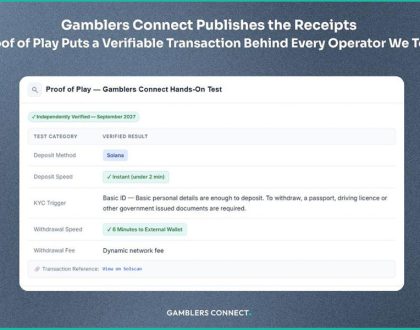
Gamblers Connect launches Proof of Play for transparent operator reviews
September 21, 2026

Germany’s gambling blocking system struggles with obvious targets
September 19, 2026
Gambling Commission reports growth across Great Britain’s gambling market
September 18, 2026

Ygam reports stronger impact as youth gambling harm prevention expands
September 14, 2026

Kongebonus launches complaints centre for Norway’s online casino players
September 8, 2026