

















France’s Online Casino Advertising Restrictions
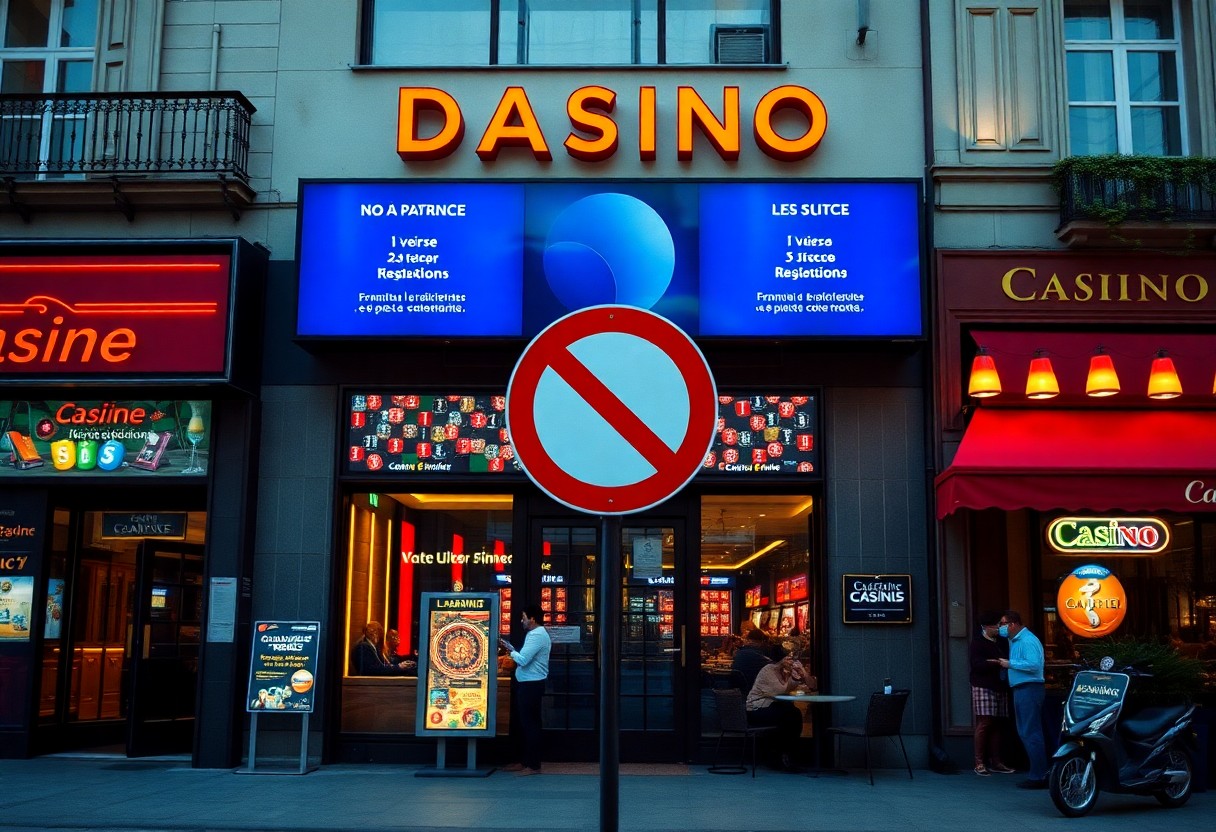
There's a growing conversation about the implications of France's stringent advertising restrictions on online casinos. These regulations aim to protect consumers and promote responsible gambling, but they significantly limit the marketing strategies available to online gaming operators. This blog post probes into the specific aspects of these restrictions, their impact on both the operators and players, and how they reshape the landscape of online gambling in France.
Overview of French Gambling Regulations
The regulation of gambling in France is characterized by a blend of historical traditions and modern legal frameworks aimed at ensuring fair gaming practices, consumer protection, and responsible gambling. The French government has established strict guidelines governing all forms of gambling, including lotteries, sports betting, and virtual casinos, with the intent to curtail illegal operations while enabling a regulated environment. This regulatory landscape continues to evolve in response to the dynamic nature of digital gaming and online platforms, clearly affecting how businesses operate within this sector.
Historical Context of Gambling Laws
By tracing the roots of gambling regulations in France, one can see a progression that reflects societal attitudes and governmental priorities. Historically, gambling was widely unregulated, leading to widespread illegal betting and exploitation. The first legislative efforts appeared in the early 19th century, which introduced oversight mechanisms and licensed operators. The establishment of the state-controlled Française des Jeux (FDJ) in 1933 marked a significant turning point, formalizing government involvement and setting the framework for gambling regulation in the country.










By the early 21st century, the emergence of the internet prompted a reevaluation of existing gambling laws. The French government took decisive action in 2010 with the enactment of the new gambling law, which encouraged the creation of online gambling platforms and established a legal framework for internet-based gaming. This regulation aimed to protect consumers and prevent the proliferation of unlicensed operators, ultimately leading to the formation of the National Gaming Authority, known as the ANJ, which oversees compliance within the industry.
Role of ANJ (L'Autorité Nationale des Jeux)
After the establishment of the ANJ in 2020, the authority took on a pivotal role in managing and regulating all gaming activities in France, ensuring that both land-based and online gambling systems function within legal and ethical boundaries. As the primary regulatory body, the ANJ oversees the licensing process for operators and monitors their compliance with established laws. The authority emphasizes consumer protection, responsible gaming practices, and the prevention of gambling addiction, making it fundamental to the overall integrity of the gambling sector.
Also, the ANJ is responsible for enforcing advertising restrictions, which significantly impact how online casinos promote their services. By effectively regulating promotional content, the ANJ seeks to prevent misleading advertisements that may appeal to vulnerable populations. Their rigorous standards require that advertisements not only portray an appropriate image of gambling but also include informative disclaimers about the risks associated with such activities, thus shaping the methods in which online casinos communicate with potential customers.
Current Advertising Restrictions
Assuming you are familiar with France's approach to gambling and online casinos, it's important to recognize that the country has established a comprehensive set of advertising restrictions that govern how these enterprises can promote themselves. These regulations have been implemented to protect consumers, particularly minors, from the potential harms of gambling. The oversight ensures that advertising is responsible, truthful, and does not encourage excessive or irresponsible play, aligning with broader public health initiatives. As such, online casinos must carefully navigate these guidelines, which can significantly impact their marketing strategies and overall visibility in a competitive market.
Digital Marketing Limitations
After a series of legal reforms aimed at regulating the gambling industry, online casinos in France encounter strict limitations on their digital marketing efforts. This includes a prohibition on promotions that could mislead consumers about the risks associated with gambling, as well as restrictions on the types of incentives that can be offered to potential customers. For instance, aggressive techniques like bonus-based advertisements are often curtailed, forcing operators to explore alternative and more compliant promotional channels. As a result, online casinos need to innovate in their marketing strategies, developing content that adheres to these regulations while still appealing to a broad audience.
Social Media Guidelines and Prohibitions
Against the backdrop of these overarching restrictions, social media marketing poses additional challenges for online casinos in France. The law forbids any form of advertising that could target minors, leading to the exclusion of many platforms like Facebook and Instagram, where younger demographics are active. In addition, operators must ensure that their messaging aligns with national standards, avoiding sensationalism or misleading information. These limitations significantly restrict the reach and engagement potential of online casinos, compelling them to find nuanced ways of communicating their offerings without breaching laws.
Digital platforms, while offering a broad audience reach, come with their own set of guidelines that online casinos must navigate carefully. Content must be educational rather than promotional, aiming to inform users about responsible gambling practices while still raising brand awareness. Failure to comply can result in hefty fines and increased scrutiny from regulatory bodies, reinforcing the need for a thorough understanding of social media regulations in the advertising landscape.
Impact on Licensed Online Casinos
Marketing Strategy Adaptations
Around the world, online casinos face increasing competition, which makes effective marketing strategies vital for their success. However, the advertising restrictions in France necessitate a shift in how licensed online casinos communicate with potential customers. With limitations on promotional offers and the inability to advertise certain aspects of their services, these casinos are required to explore alternative marketing channels, such as partnerships with affiliates and influencers. This adaptive approach can lead to content-driven marketing that focuses on providing valuable information rather than direct promotions.
Furthermore, licensed online casinos may enhance their brand visibility through educational content and responsible gambling initiatives. By prioritizing informative campaigns, these casinos can create a strong brand identity that aligns with regulatory expectations while attracting a customer base that appreciates responsible gaming practices. Engaging consumers through social media and community-building efforts instead of traditional advertisements can help forge lasting relationships with players in a saturated market.
Revenue and Market Share Changes
Licensed online casinos operating under France's regulations may experience fluctuations in revenue and market share as they navigate the strict advertising landscape. The limitations on promotional advertising can hinder customer acquisition, leading to potential declines in first-time player registrations. These restrictions may inadvertently favor unlicensed operators who exploit loopholes to attract players without regulatory constraints, creating an uneven playing field that challenges the sustainability of licensed entities.
The impact of these changes is multifaceted. As licensed online casinos struggle to maintain visibility and attract new players, they could see a dip in overall market share. However, this situation also presents an opportunity for those casinos that can innovatively engage their existing players and enhance customer loyalty through quality service and unique user experiences. Striking a balance between abiding by regulations and implementing creative marketing strategies will ultimately determine their share in the ever-evolving online gaming landscape in France.
Enforcement and Compliance
Not adhering to France's strict advertising regulations can lead to serious consequences for online casinos. The French government has established a comprehensive framework for enforcing these rules, which includes a combination of regulatory oversight and collaboration with law enforcement agencies. This structure is designed to ensure that operators not only comply with the advertising standards but also uphold the integrity of the gambling industry as a whole. By implementing these measures, authorities aim to safeguard consumers from misleading advertisements and promote responsible gaming practices.
Monitoring Systems
Between the various agencies overseeing gambling in France, there is a clear emphasis on robust monitoring systems to track compliance among online casino operators. The French Online Gaming Regulatory Authority (ARJEL), now integrated into the National Gambling Authority, plays a pivotal role in ensuring that the advertising practices of these casinos adhere to national laws. This involves the use of sophisticated tools and methodologies to monitor advertisements across various media, including digital platforms, to detect any infringements swiftly.
Penalties for Violations
Enforcement of penalties is a major component of France's approach to maintaining proper advertising standards within the online casino sector. The regulatory framework stipulates that violations can result in significant financial penalties, encompassing fines that can range into millions of euros, depending on the severity and frequency of the infractions. Moreover, additional repercussions, such as restrictions or bans on advertising and potential revocation of operator licenses, enhance the deterrent effect of these regulations.
Penalties for non-compliance are not only financial; operators may also face reputational damage in the competitive online gaming market. Such implications can impact their customer trust and result in diminished player engagement. With stringent enforcement protocols in place, the regulations aim to hold online casinos accountable, ensuring they contribute to a fair, transparent, and responsible gaming environment in France.
Effects on Player Behavior
Many factors influence how players engage with online casinos, with advertising playing a key role in shaping their behaviors. In countries like France, where strict advertising regulations are in place, players may find themselves more reliant on word-of-mouth endorsements and organic search results when exploring gaming options. This limitation can result in a slower accumulation of new players for licensed operators while potentially fostering a gap in visibility between these sites and unauthorized alternatives that promote aggressively through unregulated marketing channels.
Moreover, the restrictions can lead to disparities in player engagement and retention rates. Players seeking information on promotions, bonuses, or new offerings may turn to social media forums or online communities where unauthorized operators might be discussed. This organic, community-driven interaction could inadvertently guide players toward unlicensed sites that do not adhere to the same standards as regulated platforms, further complicating the landscape of online gaming in France.
Access to Legal Gaming Platforms
One of the main challenges posed by France's advertising restrictions is the limited access to legal gaming platforms for potential players. While the government aims to protect consumers and promote responsible gambling, the inability of licensed operators to advertise their services can make it difficult for new players to discover safe and legitimate options. As a result, players may miss out on beneficial promotions, secure playing environments, and responsible gambling resources that licensed casinos typically provide.
Shift to Unauthorized Operators
Between the constraints on advertising and the players' desire for engagement, a notable shift towards unauthorized operators has emerged in the French online gaming market. Players, yearning for more information and varied gaming options, may gravitate towards these unregulated sites that can more freely promote bonuses and offer a broader range of gaming experiences without the restrictions imposed on legal platforms.
Understanding the implications of this shift is vital as it highlights the risks associated with unauthorized operators. Without the oversight that licensed casinos face, players are exposed to potential hazards, including unfair practices, lack of consumer protections, and the absence of responsible gambling measures. These sites operate in a legal gray area, typically prioritizing profit over player welfare, which raises substantial concerns for the health of the gaming environment in France. This trend emphasizes the importance of supporting and advocating for regulated platforms that can offer both safety and enjoyment in the online casino experience.
Industry Response
Now that France has implemented stringent advertising restrictions for online casinos, operators in the sector have had to creatively adjust their marketing strategies to comply with the legal framework while still seeking to engage potential players. These measures aim to ensure that gambling promotion doesn't encourage irresponsible behavior, prompting operators to rethink their promotional tactics. The focus has shifted from broad-based outreach to more targeted campaigns that align with regulatory demands, aiming to attract and retain players without overstepping the imposed limits.
Operator Adaptations
An important adaptation being made by online casino operators in France revolves around the reallocation of marketing budgets. With traditional advertising channels such as television, print, and public spaces facing restrictions, companies are investing more heavily in digital marketing campaigns that utilize social media platforms, where regulatory guidelines can be navigated more flexibly. These operators are also focusing on creating engaging content that provides value to players, fostering a community around their platforms while remaining compliant with advertising rules.
Alternative Marketing Methods
For many online casinos, alternative marketing methods have become a lifeline in navigating the French advertising landscape. With limitations on direct promotions, casinos are leveraging affiliate marketing strategies to reach their target audiences. Affiliates can play a significant role by introducing potential players through their established channels, thus acting as a bridge between the casino and players while adhering to the legal constraints.
Marketing through educational content that informs consumers about responsible gambling practices is also a growing trend. This approach not only aligns with regulatory expectations but also helps build trust with potential customers. Online casinos are creating informative blogs, tutorials, and webinars that discuss gameplay strategies, game rules, and responsible gaming, allowing them to attract an engaged audience while maintaining compliance with advertising standards.
Final Words
Taking this into account, France's stringent advertising restrictions have significant implications for online casinos operating within its borders. These regulations are designed to promote responsible gambling and protect vulnerable populations, often resulting in a challenging landscape for operators looking to attract new players. By limiting advertising avenues and requiring specific content guidelines, these laws not only impact how casinos communicate their offerings but also hinder their ability to reach potential customers effectively, which is critical for thriving in a highly competitive market.
Moreover, the enforcement of these restrictions necessitates a strategic approach for online casinos seeking compliance while still engaging their audiences. Many operators are now pivoting towards alternative marketing strategies, such as partnerships with local influencers and content marketing, to maintain their brand presence and message without falling foul of legal stipulations. As the landscape continues to evolve, online casinos must continually adapt to these regulations to ensure their growth and sustainability in the French market while promoting a culture of responsible gaming.
FAQs
What are the main advertising restrictions for online casinos in France?
Online casinos in France face strict advertising regulations, including bans on misleading promotions, targeting minors, and aggressive bonus marketing.
Who regulates online gambling advertising in France?
The National Gaming Authority (ANJ) oversees gambling advertising to ensure compliance with responsible gaming laws.
Why has France imposed strict advertising restrictions on online casinos?
The regulations aim to protect consumers, prevent gambling addiction, and ensure fair gaming practices.
Can online casinos advertise on social media in France?
Online casinos face significant restrictions on social media, including bans on targeting minors and using aggressive promotional tactics.
What penalties do online casinos face for violating advertising laws?
Violations can result in heavy fines, restrictions on advertising, and even the revocation of licenses.
How do these advertising restrictions impact licensed online casinos?
Licensed casinos struggle with visibility and customer acquisition, often shifting to content-driven marketing and affiliate partnerships.
Do advertising restrictions push players toward unlicensed casinos?
Yes, strict regulations can lead players to unlicensed operators that advertise more aggressively and offer unrestricted promotions.
What alternative marketing strategies can online casinos use in France?
Casinos use content marketing, responsible gambling initiatives, and partnerships with affiliates to engage players legally.
How do these regulations affect player behavior?
Players rely more on organic searches and word-of-mouth recommendations, making it harder for licensed operators to attract new customers.
Are there any exceptions to these advertising restrictions?
Advertising must focus on responsible gambling, avoid misleading content, and comply with strict transparency requirements set by the ANJ.

Lela
I have over 10 years' experience proofreading and editing where spelling and grammar were paramount. This includes newspaper publication and designing advertisements. I personally write all my articles.This allows me to do in-depth research and provide premium content.
Related Posts


Play’n GO joins Germany’s Online Casino Association to strengthen contacts
September 30, 2026

Jdigital raises concerns as Spain advances wider gambling reform measures
September 29, 2026

EveryMatrix powers Danske Licens Spil casino platform launch in Denmark
September 25, 2026