










Tourism and Cultural Heritage in Malta
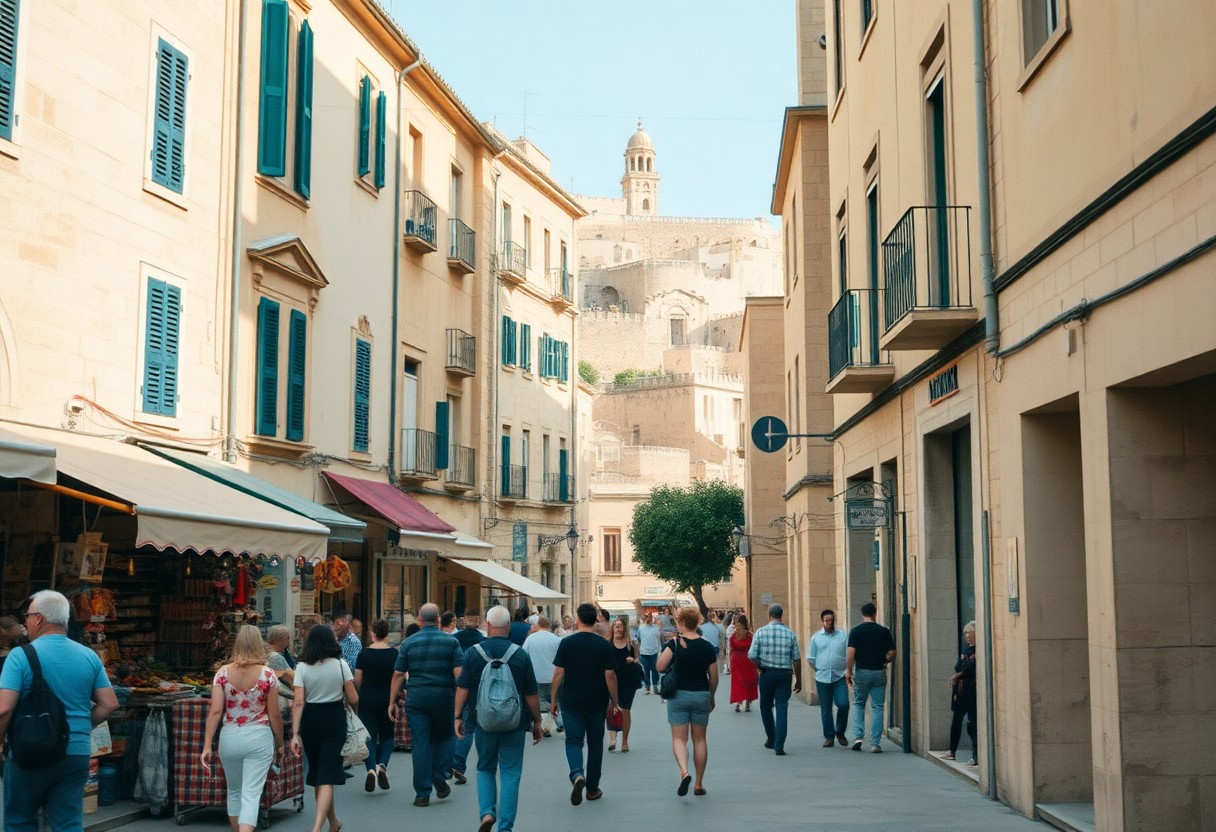
You may wonder how tourism impacts Malta, a nation steeped in rich history and vibrant culture. As one of the Mediterranean's prime travel destinations, Malta draws millions of visitors each year, generating vital economic benefits. However, this influx raises questions about the preservation of the island's unique identity. This blog post explores into the complex relationship between tourism and Malta's cultural heritage, examining whether the industry is ultimately a boon or a burden to the nation. Join us as we explore these concerns and their broader implications for the Maltese people and landscape.
The Economic Powerhouse of Tourism in Malta
Key Statistics of Tourist Influx
In 2019, Malta welcomed over 2.7 million visitors, a significant increase compared to just 1.6 million in 2012. This remarkable growth has positioned Malta as one of Europe's hottest travel destinations, with tourist numbers surpassing the island's population of 514,000 by a wide margin. The peak season in summer alone can see daily arrivals exceed 30,000, showcasing tourism's central role in local life.
Contribution to GDP and Employment
Tourism significantly boosts Malta's economy, contributing approximately 27% to the nation's GDP. The sector also employs around 30,000 individuals directly, with countless additional jobs related to suppliers, transportation, and retail further downstream. The importance of tourism cannot be overstated, as it acts as a pillar for economic stability and growth, particularly in times of global uncertainty.
















In recent years, the Maltese economy has leaned heavily on tourism as a primary economic driver. The rise of the online travel market, along with increased air connectivity, has opened up various markets for tourists, enhancing Malta's appeal. With the construction of new hotels and resorts, job creation has surged, providing opportunities for local communities and helping the youth secure stable employment. This thriving sector becomes a channel for cultural exchange, allowing Malta to showcase its heritage while fueling economic growth that benefits myriad industries across the island.
The Cultural Kaleidoscope: A Brief History of Maltese Identity
Historical Influences Shaping Malta's Culture
The layers of Malta's cultural heritage are manifold, shaped by a myriad of civilizations including the Phoenicians, Romans, Arabs, and Knights of St. John. Each group has left an indelible mark, weaving a rich tapestry that speaks to Malta's storied past. From the architectural wonders of Mdina and Valletta to the language itself, Maltese culture is a fascinating amalgamation of these diverse influences, making it a unique point of interest in the Mediterranean.
Unique Traditions and Languages
The Maltese language, a blend of Semitic roots and Romance influences, is emblematic of the island's diverse heritage. Celebrated customs such as the festive Carnival and the vibrant local feasts (festa) reveal the community's spirit and traditions. Traditional Maltese music—featuring the għana (a form of improvised singing)—and culinary delights like pastizzi not only showcase the local flavor but also help maintain a connection to Malta's unique identity.
Beyond the language, Malta's traditions are a reflection of its historical influences, showcasing an identity that is both Mediterranean and distinctly its own. The Malta International Arts Festival and Notte Bianca are prime examples of how the island cherishes its artistic heritage while inviting contemporary expression. With celebrations often tied to patron saints, the vibrant local feasts serve not only as cultural markers but also foster a sense of community and belonging among inhabitants. This intricate blend of tradition and contemporary life continuously shapes the Maltese identity, making the preservation of these unique elements even more significant in the face of mounting tourism pressures.
The Double-Edged Sword: Economic Growth vs. Cultural Dilution
The Economic Benefits of Mass Tourism
Mass tourism has been a vital engine for Malta's economic growth, contributing approximately 27% to the nation's GDP. This influx of visitors generates significant revenue, creating jobs across various sectors, from hospitality to transportation. In 2019 alone, the tourism sector brought in around €2 billion, underscoring its importance for local businesses and overall economic stability. With continued investment in tourism infrastructure and promotional campaigns, Malta has positioned itself as a competitive destination in the Mediterranean, helping to sustain its economy amidst global challenges.
The Risks of Cultural Erosion
While the economic benefits of tourism are undeniable, the influx of visitors poses serious risks to Malta's cultural identity. As traditional practices and local customs adapt to meet tourist expectations, authentic cultural experiences risk being overshadowed by commercialization. Neighborhoods once brimming with local character can quickly transform into tourist traps, diluting the unique aspects of Maltese heritage. This transformation can result in the loss of language, traditional crafts, and even culinary authenticity, as local artisans cater to foreign tastes rather than preserving time-honored practices.
In many areas of Malta, local traditions that once defined the community are now being replaced by commercialized experiences designed for tourists. For instance, the artisanal production of traditional Maltese fenkata (rabbit stew) and the vibrant celebration of local village feasts have started to adapt to cater primarily to visitors, leading to a broader cultural reassessment. This trend not only threatens the authenticity of the cultural landscape but undermines the sense of identity for local residents. As the local way of life is increasingly reframed through a tourist-centric lens, there's a growing concern that Malta's rich heritage could end up reduced to mere spectacle—stripping away the very essence that makes it unique.
Local Perspectives: Voices from the Maltese Community
The Diverging Views of Tourists and Locals
Tourists often marvel at Malta's picturesque landscapes and rich history, viewing it as a dreamy getaway, while locals face the daily realities of the tourism boom. Many residents feel overwhelmed by the influx of visitors, impacting everything from housing costs to the availability of local amenities. This contrast in perspectives highlights a growing divide: tourists romanticize Malta as a timeless paradise, while locals experience it as an increasingly commercialized and congested environment.
Case Studies of Local Entrepreneurs
Local entrepreneurs play a critical role in shaping Malta's tourism landscape while preserving cultural authenticity. Their businesses often reflect a blend of traditional Maltese heritage and contemporary market demands, showcasing how local talent adapts in a rapidly changing environment. Noteworthy examples include:
- A local bakery, known for traditional pastizzi, reported a 40% increase in revenue following a partnership with local walking tours.
- A family-run vineyard, offering agritourism experiences, saw an increase in visitor numbers by 30% after being featured in a travel blog.
- A cooperative of artisans creating handcrafted goods experienced a substantial sales boost of 50% from pop-up markets aimed at tourists looking for authentic souvenirs.
- A seafood restaurant that utilizes locally sourced ingredients found its customer base expanding by 20% after incorporating sustainable practices and marketing them effectively.
These case studies illustrate the dynamic interplay between tourism and local entrepreneurship. For instance, the bakery's collaboration with tourist services exemplifies how local businesses can adapt to embrace visitors while retaining their cultural essence. Similarly, the vineyard's marketing efforts demonstrate the demand for authentic experiences that benefit both locals and tourists, fostering a sustainable tourism model that respects Malta's identity. Such initiatives contribute positively to the economy while supporting the preservation of Maltese culture.
The Environmental Toll of Unchecked Tourism
The Strain on Natural Resources
Malta's natural resources are facing unprecedented pressure due to the influx of tourists. With approximately 2.7 million visitors in 2019, the consumption of freshwater, energy, and land has surged. Water resources, already limited in this Mediterranean archipelago, struggle to keep up with the skyrocketing demand. The over-extraction of groundwater coupled with increased usage leads to depletion, raising concerns about long-term sustainability for both residents and visitors alike.
Waste Management Challenges
As tourism numbers rise, waste generation has become a pressing issue for Malta's infrastructure. The island's outdated waste management systems are ill-equipped to handle the surge in disposable products typically associated with mass tourism, from plastic bottles to food packaging. In 2019 alone, the Maltese government reported that the island generated over 440,000 tons of solid waste, and a sizable portion of this stems directly from tourist activities. The consequences manifest in overflowing landfills and increasing litter in natural spaces, as local authorities grapple with finding solutions that balance environmental preservation with tourist needs.
In addition to the sheer volume of waste produced, the seasonal nature of tourism exacerbates the challenges faced. In summer months, weekly waste collection can struggle to keep pace, with some areas experiencing temporary collection halts. Moreover, despite growth in recycling initiatives, less than 20% of Malta's waste is recycled, highlighting a mismatch between the rising tourism demands and the island's existing recycling capabilities. The need for investment in modern waste management technologies and infrastructure has never been more urgent, as Malta strives to protect its treasured landscapes from the scourge of waste pollution.
Sustainable Tourism: A Solution on the Horizon
Frameworks for Eco-Friendly Travel
Adopting frameworks that prioritize eco-friendly travel is necessary for preserving Malta's unique heritage. The European Union's Green Deal promotes sustainable practices in tourism, focusing on reducing carbon footprints and fostering local economies. Initiatives such as the “Green Key” certification encourage hospitality businesses to implement energy-saving techniques and water conservation strategies, creating a ripple effect that benefits both the environment and community stakeholders.
Successful Sustainable Practices in Malta
In Malta, several initiatives exemplify successful sustainable tourism practices that bridge economic needs with environmental responsibility. Local operators have begun using electric vehicles for tours, limiting emissions while offering visitors a refreshing way to explore the islands. Moreover, the introduction of eco-labels for restaurants that serve locally sourced ingredients not only supports local farmers but also encourages travelers to make environmentally conscious dining choices.
Successful sustainable practices in Malta underscore a commitment to blending economic development with ecological preservation. The “Sustainable Tourism Strategy for Malta 2030” laid the groundwork for initiatives like the “Malta Eco Tourism” program, promoting eco-friendly accommodations and activities. By encouraging businesses to adopt solar energy and waste-minimization strategies, Malta is slowly transforming its tourism landscape. Additionally, the “Heritage Malta” initiative showcases sites while protecting cultural assets, reinforcing the idea that sustainable tourism can indeed be a pathway to preserving, rather than compromising, Malta's remarkable identity.
Regulation and Policy: Government's Role in Balancing Act
Current Regulations on Tourism
Malta's tourism regulations focus on balancing visitor experiences with local community needs. The government has introduced measures such as visitor caps for popular sites, zoning laws to protect cultural heritage, and environmental assessments for new developments. Additionally, a recent law mandates that a portion of tourism revenues must be reinvested in environmental and social initiatives, aiming to minimize the cultural dilution caused by mass tourism.
Future Policy Directions
The future of Malta's tourism policy could lead to more sustainable practices, emphasizing eco-tourism and cultural preservation. Discussions are underway about implementing stricter guidelines on accommodation types, encouraging small-scale, locally-owned enterprises over large hotel chains. Further investment in sustainable transportation options and digital solutions for crowd management is also on the horizon, aiming to enhance visitor distribution throughout the island.
Continuing down this path, the government could consider establishing a tourism watchdog tasked with assessing the impact of tourism on local communities and environments. By fostering community engagement in tourism planning and ensuring that local voices are central in decision-making, Malta can cultivate a tourism model that cherishes its heritage while still capitalizing on economic benefits. Such initiatives might also include educational programs for both visitors and residents to promote respect for local customs and traditions.
The Influence of Social Media on Malta's Tourism Landscape
The Power of Imagery: Instagram and Travel Blogs
Platforms like Instagram and various travel blogs have transformed how destinations are marketed, with vivid imagery compelling millions to visit Malta. A single stunning photo of the azure Blue Lagoon or the baroque architecture of Valletta can generate a wave of curiosity, often leading to an influx of tourists eager to experience these picturesque spots in real life. According to recent statistics, over 60% of young travelers base their travel decisions on social media recommendations, highlighting its immense influence.
Authenticity vs. Marketability
The challenge of balancing authenticity with marketability has become ever more pronounced in Malta's tourism strategy. As destinations aim to remain appealing, they often have to carefully curate their presentations to align with social media trends, which can lead to the commodification of local culture and heritage. For instance, neighborhoods such as Mdina may promote their charming streets, yet the surge of tourists can dilute the very appeal that attracted them in the first place.
When the focus shifts to marketability, places risk losing their authentic essence in the quest for attractiveness. Iconic sites like the Azure Window, which saw a massive influx of visitors after going viral online, became overly commercialized, prompting debates on conservation and local experience. Tourists may flock to Malta for a ‘grammable moment', yet local businesses and communities must adapt to ensure their cultural narratives are preserved amid commercial pressures. Thus, tourism marketing rooted in authenticity not only safeguards local heritage but can also offer sustainable economic benefits, fostering an environment where visitors leave with genuine memories rather than mere snapshots.
Preserving Heritage: Initiatives by Local Organizations
Community-Based Projects
Local organizations in Malta are actively engaging communities through various heritage preservation projects. Initiatives like ‘The Malta Community Fund' enable residents to apply for grants aimed at restoring historical sites or promoting traditional crafts. One such project is the restoration of the Għar Dalam Cave, where locals worked together to clean and conserve the area while sharing knowledge about its cultural significance.
Government and NGO Collaborations
Collaborative efforts between the government and non-governmental organizations (NGOs) have led to several successful heritage preservation initiatives. Programs like ‘Heritage Malta' engage with local NGOs to ensure the protection of cultural sites, while offering funding and expertise.
One notable collaboration is the joint effort on the Valletta Rehabilitation Project, where entities like Heritage Malta and local NGOs worked together to restore the historic city's architectural integrity. The project not only focuses on physical restoration but also includes educational outreach initiatives, workshops, and community events that seek to deepen public appreciation and understanding of Malta's heritage. Funding often comes from both government sources and EU grants, reflecting a growing trend towards harnessing collective resources for national heritage preservation. This synergy showcases the potential of collaborative models in preserving Malta's unique identity amidst rising tourism pressures.
The Traveler's Responsibility: Ethical Tourism
Understanding Cultural Sensitivity
Cultural sensitivity requires travelers to respect local customs and traditions. This awareness can enhance the travel experience, fostering more genuine interactions with residents. For instance, understanding traditional dress codes when visiting religious sites in Malta can prevent inadvertent disrespect and promote appreciation for the local culture. Engaging with locals and learning about their history leads to a more enriching visit, encouraging meaningful exchanges instead of mere sightseeing.
Practices That Benefit Both Tourists and Locals
Establishing practices that benefit both tourists and locals creates a sustainable tourism model. Initiatives like community-based tourism allow travelers to experience authentic local life while providing economic benefits to residents. Tourists can participate in cooking classes featuring traditional Maltese recipes or join guided tours led by local historians, fostering connections and the exchange of knowledge. By prioritizing experiences that emphasize local culture, travelers not only enrich their journey but also contribute positively to the community's economy.
Investment in local crafts and goods is another example of reciprocal benefit. Choosing to buy artisan products directly from craftsmen helps preserve traditional practices while supporting the livelihoods of local families. Moreover, tourist-led clean-up initiatives at beaches and public heritage sites foster environmental stewardship, blending leisure with responsibility. These practices underline the potential for a symbiotic relationship where understanding and appreciation thrive, ultimately safeguarding Malta's cultural identity while supporting its economy.
Tourism's Impact on Cost of Living in Malta
The Housing Crisis: Rising Rents and Property Prices
The effects of tourism on Malta's housing market are palpable. With an influx of foreign investors and daily visitors, rental prices have skyrocketed, making it increasingly difficult for locals to find affordable housing. Median rents have jumped over 50% in some areas in recent years, forcing many residents to either downsize or relocate to less desirable districts.
Access to Amenities and Services for Locals
As tourism expands, the demand for local amenities and services becomes strained. Residents often find it challenging to access basic necessities due to the prioritization of tourist-centric establishments. This imbalance results in higher prices and reduced availability for locals. Essentials like groceries and public transport can be impacted, shifting the focus towards catering to the tourist demographic rather than meeting the needs of the local population.
Consequently, staples may be priced for tourists, leading to higher costs for local consumers. In popular areas, the saturation of cafés and souvenir shops results in fewer choices for everyday services like banks or grocery stores. This crowding inevitably hampers the local experience and alienates residents who feel sidelined in their own community. Municipalities are increasingly pressured to find solutions that ensure locals aren't left behind while accommodating the expanding tourist economy.
Future Trends: What Lies Ahead for Maltese Tourism
Predictions for Post-Pandemic Travel
As the world gradually adapts to a post-pandemic reality, predictions suggest that Maltese tourism will pivot towards sustainable and health-conscious travel trends. Tourists are now favoring destinations that prioritize safe and clean environments, leading to a surge in demand for eco-friendly accommodation and local experiences. With Malta's inherent natural beauty and rich culture, the island is well-positioned to tap into this emerging market by emphasizing wellness retreats and responsible travel practices.
Innovations in Travel Experiences
Malta's tourism landscape is set to experience an evolution driven by innovation. New technologies, such as augmented reality and artificial intelligence, will enhance visitor interactions with historical sites, providing a more immersive and educational experience. Additionally, the rise of personalized travel planning apps will allow tourists to curate their itineraries based on individual interests, making trips uniquely tailored to their preferences.
These innovations are already evident, with initiatives like VR tours at UNESCO World Heritage sites, which allow potential visitors to explore key attractions like the Megalithic Temples before their arrival. Similarly, Malta's investment in smart city infrastructure aims to streamline public transport, providing real-time updates to visitors about schedules and routes. Such advancements not only improve the travel experience but also showcase Malta as a forward-thinking destination that embraces technology while preserving its rich heritage.
Resilience and Adaptability: How Malta Can Thrive
Strategies for Balancing Growth and Preservation
Adopting sustainable tourism practices is vital for Malta's future. Implementing measures such as regulating visitor numbers in sensitive areas, encouraging off-peak travel, and promoting eco-friendly accommodations can help maintain Malta's cultural heritage while still reaping economic benefits. Collaborations between the government, local communities, and tourism businesses are imperative to create a shared vision of responsible tourism that prioritizes preservation without stunting economic growth.
Learning from Global Tourism Challenges
Malta can draw valuable lessons from international case studies, such as the overtourism crisis in Venice and Barcelona. These cities faced significant challenges due to unchecked tourism growth, leading to local backlash and diminishing cultural experiences. By recognizing these pitfalls, Malta can implement targeted strategies to manage tourist influx and maintain the essence of its identity, ensuring both residents and visitors benefit from the unique Maltese experience.
Venice's experience serves as a cautionary tale where a surge in mass tourism led to skyrocketing costs and local discontent, prompting officials to impose entrance fees and limit cruise ships. Similarly, Barcelona introduced a moratorium on new hotels to protect neighborhood integrity. These examples highlight the importance of implementing proactive measures before reaching a crisis point. Malta stands at a crossroads where smart planning and community engagement can prevent similar challenges and foster a tourism model that supports its people and preserves its rich history.
To wrap up
From above, it is evident that the debate surrounding tourism in Malta presents a complex dichotomy between cultural preservation and economic necessity. While the influx of visitors bolsters the economy, contributing to job creation and infrastructure development, it also risks diluting local customs and identities. Striking a balance between these competing interests is imperative for maintaining Malta's unique heritage while ensuring sustainable economic growth. The future of Malta will depend on thoughtful policies that safeguard its cultural integrity while embracing the benefits of tourism.
FAQs
How does tourism contribute to Malta’s economy?
Tourism contributes approximately 27% of Malta’s GDP and creates around 30,000 direct jobs, with additional opportunities in related sectors.
What are the main cultural influences in Malta?
Malta’s culture is shaped by Phoenicians, Romans, Arabs, and the Knights of St. John, reflected in its architecture, language, and traditions.
What are some unique Maltese traditions?
Key traditions include Carnival, village feasts (festa), għana singing, and local cuisine such as pastizzi and fenkata.
Does tourism threaten Malta’s cultural heritage?
Mass tourism can commercialize traditions and local crafts, risking dilution of Malta’s authentic cultural identity.
How do local businesses benefit from tourism?
Local entrepreneurs often see revenue boosts through collaborations with tours, eco-tourism initiatives, and authentic experiences catering to visitors.
What environmental challenges does tourism create in Malta?
Tourism strains water, energy, and waste management systems, increasing pollution and stressing natural resources.
What sustainable tourism practices are used in Malta?
Initiatives include electric vehicle tours, eco-labels for restaurants, solar energy use, and Heritage Malta’s preservation programs.
How does social media influence Malta’s tourism?
Platforms like Instagram drive tourist interest but can lead to over-commercialization of cultural and natural sites.
What role does the government play in tourism management?
Regulations include visitor caps, zoning laws, environmental assessments, and reinvestment of tourism revenue into social and cultural initiatives.
How does tourism affect the cost of living for locals?
High tourist demand drives up rental prices and limits access to services, impacting housing affordability and local amenities.

Paula Nancy
Hello and Welcome to my profile. I'm a UK based entrenched full-time Blogger, Journalist, columnist and a certified writer with many years of sound writing experience. If you need a high-quality and original content, I'm here to provide you with the best writing services.
Related Posts

Year round travel in Malta
May 12, 2026

Spring Adventures In Malta
May 11, 2026

Malta Early Spring Travel Boom
May 9, 2026

Budget airlines lift Malta tourism
May 8, 2026

Spring visitors spend more in Malta
May 7, 2026

Malta airport traffic rises in spring
May 6, 2026

Malta hotel occupancy trends in spring
May 5, 2026

Malta attracts new spring travelers
May 4, 2026

Malta tourism tests power grid
May 2, 2026