













Spring visitors spend more in Malta
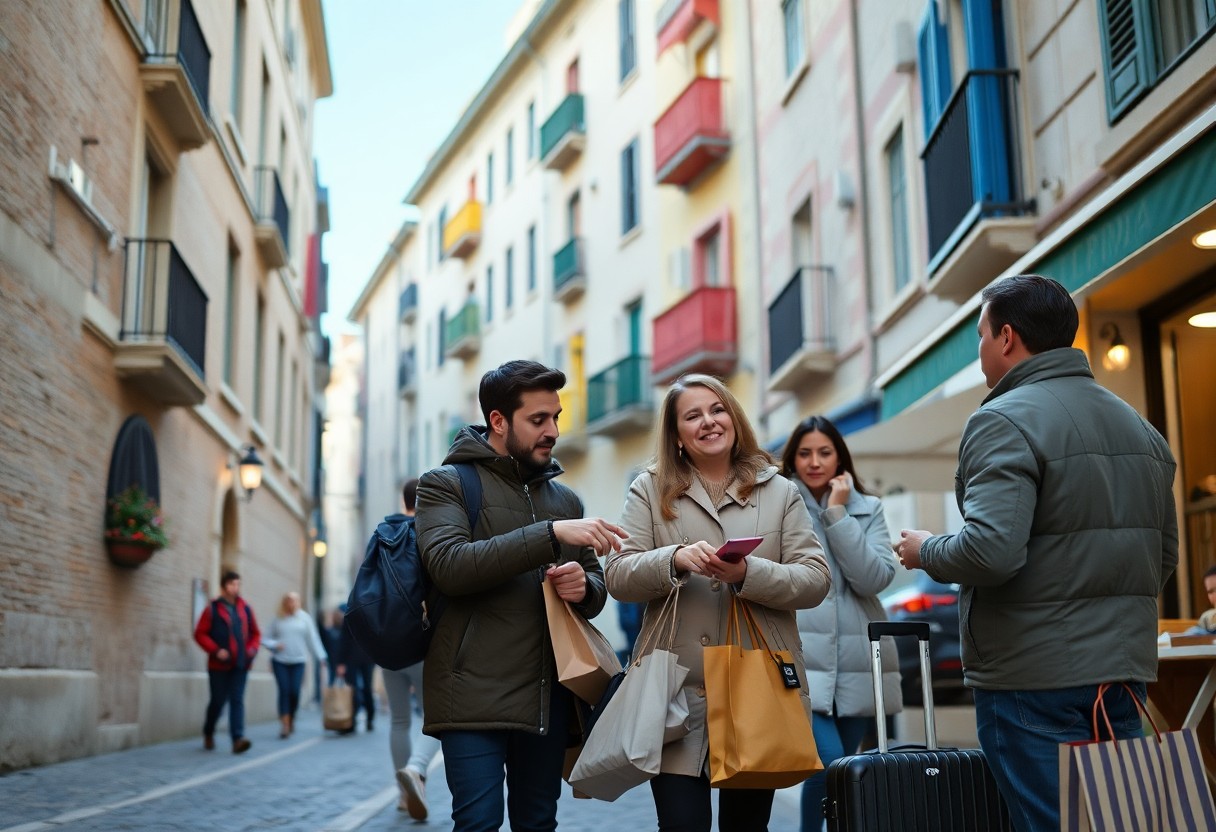
Most early spring visitors to Malta are exhibiting noticeable shifts in their spending behaviors. This change reflects broader economic trends and evolving traveler preferences, offering insights into the tourism sector's adaptation and growth opportunities in the region.
The Evolving Profile of the Early Spring Tourist
Demographic shifts from traditional retirees to younger digital nomads
Younger digital nomads are replacing traditional retirees as the predominant early spring visitors to Malta. This shift reflects changing work patterns, where remote work allows younger generations to travel for extended periods, blending leisure and work in appealing environments.
The rise of the “experience-seeker” versus the traditional “sun-seeker”
Experience-seekers prioritize authentic engagements over simply basking in the sun. This emerging trend diverges from the traditional sun-seeker model, emphasizing cultural immersion and adventure over relaxation alone.

















Experience-seekers increasingly choose destinations based on unique offerings, such as local cuisine, historical sites, and outdoor activities. This focus resonates with travelers looking for immersive experiences, encouraging local businesses to offer tours, workshops, and events that cater to these curious visitors.
Impact of increased flight connectivity on visitor composition and duration
Enhanced flight connectivity to Malta is reshaping visitor demographics and trip lengths. Easier access draws a wider range of tourists, including short-stay travelers and longer-term visitors.
Increased connectivity not only broadens the appeal of Malta but also influences the duration of stays. Shorter, weekend getaways have become more common, attracting those seeking quick escapes. On the other hand, improved access also encourages longer visits from professionals and digital nomads looking to fully experience what the island has to offer.
Macroeconomic Indicators and Tourism Revenue Trends
Comparative analysis of year-on-year per capita expenditure
Recent data shows shifts in tourist spending habits, highlighting changes in per capita expenditure that reflect evolving preferences.
Year-on-Year Per Capita Expenditure
| Year | Per Capita Expenditure (€) |
|---|---|
| 2022 | 800 |
| 2023 | 950 |
The influence of global inflationary pressures on tourist purchasing power
Inflationary trends worldwide are impacting how tourists spend in Malta, with exchange rates and local prices affecting their purchasing power.
Higher global inflation rates have pressured budgets for many travelers, leading to more cautious spending while in Malta. Many tourists prioritize necessary experiences over luxury, adjusting their itineraries to accommodate rising costs.
Role of the Eurozone economic climate in shaping Maltese tourism demand
The Eurozone's economic stability directly influences tourism demand in Malta, as residents from member states are significant contributors to visitor numbers.
Economic strength in the Eurozone fosters confidence among potential travelers, driving demand for Maltese vacations. With a stable currency, tourists find it easier to budget for trips, thereby increasing overall tourism activity and revenues for the local economy.
Accommodation Preferences: Beyond the Traditional Hotel Stay
The surge in boutique hotel occupancy and heritage building lodgings
Recent data reveals a notable increase in boutique hotel occupancy and heritage building lodgings in Malta. Guests are drawn to unique charm and character, often prioritizing local culture and authenticity over standard hotel experiences.
Growth of short-term rental platforms in Valletta and the Three Cities
Short-term rental platforms have expanded rapidly in Valletta and the Three Cities, attracting a diverse range of travelers seeking alternative accommodations. Such options afford visitors a chance to immerse themselves in the local lifestyle.
This growth reflects evolving consumer preferences, with many travelers opting for the convenience and flexibility offered by short-term rentals. Properties range from modern apartments to historic homes, catering to various tastes and budgets. Local host networks enhance the experience, providing personalized recommendations that enrich visitors' stays.
Correlation between length of stay and premium accommodation spending
Analysis indicates a clear relationship between the length of stay and spending on premium accommodations. Longer visits correlate with higher expenditures, particularly among travelers seeking luxury experiences or specialized services.
The increased duration often allows guests to fully enjoy the amenities and exclusivity associated with premium lodging. Many visitors are willing to invest more in their accommodation when staying longer, as they aim to enhance their overall travel experience through additional comforts and unique offerings.
Gastronomy and the Culinary Economy
Increased investment in Michelin-starred and high-end dining experiences
Emerging trends show a rise in investments directed towards Michelin-starred and upscale dining establishments in Malta, reflecting tourists’ growing demand for gourmet culinary experiences. This shift indicates a desire for quality and exclusivity, propelling the local gastronomy scene to new heights.
The popularity of agritourism and local farm-to-table culinary tours
Agritourism and farm-to-table tours have surged in popularity, providing visitors with authentic culinary experiences. Tourists are increasingly seeking connections with local producers and fresh ingredients, transforming the dining experience into a cultural journey.
Offering unique insights into Maltese agriculture, these tours allow visitors to engage with local farmers and chefs. Participants can enjoy hands-on experiences, from harvesting ingredients to cooking traditional dishes, cultivating a deeper appreciation for the island's culinary traditions. This trend supports sustainable practices while also enhancing the economic viability of local farms.
Changing beverage consumption patterns: The rise of local craft and wine tourism
Shifts in beverage preferences highlight a growing interest in local craft beers and wines. Tourists are eager to explore Malta's burgeoning craft beverage scene, driving demand for tours and tasting events that celebrate regional products.
Craft breweries and local wineries are gaining traction, offering a personalized experience that showcases Maltese flavors. Tastings and pairing events not only promote local beverages but also emphasize the island’s unique terroir. This trend encourages visitors to immerse themselves in Malta's culture while supporting local artisans and producers, ultimately enriching the overall tourism experience.
Cultural and Heritage Tourism as a Primary Spending Driver
Investments in cultural and heritage tourism are reshaping Malta's economic landscape. Visitors now prioritize experiences that connect them with the island's history, leading to increased spending on heritage sites, local crafts, and gastronomic offerings. This shift emphasizes not only traditional visits but also immersive encounters that enrich traveler engagement.
Monetizing UNESCO World Heritage sites through exclusive after-hours access
Exclusive after-hours access to UNESCO World Heritage sites has become a lucrative trend in Malta. This premium offering allows tourists to experience iconic locations away from crowds, enriching their visit and enhancing emotional connections to the sites.
The economic impact of spring festivals and traditional religious events
Spring festivals and religious events significantly boost local economies in Malta. These gatherings attract both local and international visitors, spurring spending on accommodations, food, and crafts, while fostering a deeper appreciation for Maltese culture.
Events like the Feast of St. Joseph and the Malta International Fireworks Festival draw thousands, generating substantial revenue for local businesses. They also provide opportunities for artisans to showcase their crafts, further embedding these traditions in the economic fabric of the island, thus enhancing community engagement and cultural pride.
Private guided tours and the professionalization of historical storytelling
Private guided tours have become increasingly popular, reflecting a growing demand for personalized experiences in Malta. This trend emphasizes the value of expert storytelling, allowing tourists to gain deeper insights into the island’s rich history and cultural narratives.
Enhanced storytelling techniques employed by professional guides not only captivate visitors but also elevate the overall tourism experience. By providing context and color to historical sites, these tours create lasting connections between travelers and the Maltese heritage, ultimately leading to higher spending on ancillary services while supporting local storytelling artisans and professionals.
Transportation and Mobility Spending Patterns
Transition from traditional car rentals to ride-sharing and e-mobility apps
Visitors are increasingly opting for ride-sharing services and e-mobility apps over traditional car rentals. This trend reflects a preference for flexibility and convenience, allowing tourists to explore Malta without the hassle of parking and navigation.
The financial impact of the Gozo Fast Ferry on inter-island tourism
Growth in inter-island tourism can be largely attributed to the Gozo Fast Ferry service, which has enhanced accessibility and reduced travel times between the islands.
Since its launch, the Gozo Fast Ferry has significantly stimulated tourism by providing a quick and cost-effective link between Malta and Gozo. Increased foot traffic and more frequent day trips have led to higher spending in local businesses, benefiting the economy on both islands.
Demand for private chauffeur services among high-net-worth spring visitors
High-net-worth visitors are showing a notable preference for private chauffeur services, seeking customized travel experiences during their stay in Malta.
Private chauffeur services have become a status symbol among affluent tourists who prioritize comfort and exclusivity while exploring. These tailored transportation options not only cater to luxury travelers seeking convenience but also boost local employment in the transportation sector, enhancing overall economic activity in Malta.
Wellness and Medical Tourism Niche
Growth in holistic retreats and spa expenditures during the shoulder season
Participants in holistic retreats are increasing their spending on wellness services during Malta's shoulder season. Spas and wellness centers are reporting a surge in bookings, highlighting a shift towards mindfulness and self-care among early spring visitors.
Malta as a destination for elective medical procedures and recovery
Patients seeking elective medical procedures are choosing Malta for its reputable healthcare services and recovery environments. The combination of professional medical care and stunning surroundings is attracting a diverse clientele.
Health clinics across Malta are gaining recognition for offering quality elective surgeries at competitive prices. Patients appreciate the opportunity for a vacation-like recovery experience, which combines post-operative care with leisure in Malta’s scenic locations, enhancing both physical recovery and mental wellness.
The intersection of outdoor fitness tourism and the Maltese landscape
Outdoor fitness tourism is thriving in Malta, drawing visitors keen on combining exercise with exploration. Hiking, cycling, and water sports are particularly popular among tourists seeking active vacations in natural settings.
Malta's varied terrain presents numerous opportunities for fitness enthusiasts. Coastal paths and rugged hills inspire hiking adventures while crystal-clear waters invite swimming and kayaking. This combination of activity and breathtaking views makes Malta an appealing destination for fitness-minded travelers, promoting a healthy lifestyle amidst picturesque scenery.
Retail and Luxury Goods Consumption
The emergence of Sliema and St. Julian’s as high-end retail hubs
Sliema and St. Julian’s have emerged as premier destinations for high-end retail, attracting affluent visitors with luxury boutiques and designer stores. This shift reflects a growing demand for upscale shopping experiences, positioning these areas as key players in Malta’s retail landscape.
A shift toward sustainable and locally-produced artisan souvenirs
Recent trends highlight a growing preference for sustainable, locally-produced artisan souvenirs, reflecting tourists' desire for unique and ethical shopping options. This shift enhances Malta’s cultural identity while boosting local economies.
Sustainable artisan souvenirs cater to environmentally-conscious travelers looking for authentic expressions of Maltese culture. Items such as handcrafted ceramics, organic beauty products, and locally-sourced food delicacies resonate with visitors seeking meaningful keepsakes. These products not only support local artisans but also promote responsible consumption and tourism practices.
Analyzing tax-free shopping trends among non-EU spring visitors
An increase in tax-free shopping among non-EU visitors points to a shift in purchasing behaviors during the spring season. This trend indicates a growing interest in luxury goods, fueled by favorable currency exchanges and tax incentives.
Tax-free shopping proves attractive to non-EU travelers, often resulting in substantial spending on luxury items. Visitors take advantage of exemptions, leading to higher average transaction values compared to previous years. The allure of exclusive brands and significant savings drives this trend, underscoring a strategic opportunity for retailers in Malta to enhance their appeal to foreign shoppers.
Digital Influence and Pre-Arrival Spending Habits
The role of social media marketing in directing tourist discretionary spend
Social media marketing significantly shapes how tourists allocate their budgets. Platforms like Instagram and TikTok showcase experiences that appeal to potential visitors, influencing their decisions and encouraging higher discretionary spending on activities, dining, and accommodations.
Growth in pre-booked activity packages via global digital platforms
Pre-booked activity packages through global platforms are increasingly popular among travelers. This trend reflects a shift in consumer behavior, where convenience and curated experiences take precedence over spontaneous planning.
Consumers are increasingly drawn to the efficiency of pre-booked activity packages offered by platforms like Airbnb, Viator, and TripAdvisor. These services provide a wide range of options, allowing travelers to plan itineraries in advance, securing better pricing and availability. Offering packages reduces uncertainty and enhances enjoyment, contributing to a shift in spending habits prior to arrival.
Influence of online reputation management on high-ticket service selection
Online reputation management plays a key role in travelers' decisions regarding high-ticket services. Review platforms and social media provide necessary insights that influence consumer trust and spending behavior.
Travelers often rely on online reviews and ratings to guide their choices for premium services, such as luxury accommodations or exclusive tours. Positive feedback from previous guests can significantly enhance a service’s appeal, leading to increased pre-arrival spending. Businesses focusing on reputation management can attract discerning customers willing to invest in their offerings based on perceived quality and reliability.
Environmental and Sustainability Surcharges
Consumer willingness to pay for eco-certified tourism initiatives
Excitement surrounds eco-certified initiatives as consumers increasingly show a willingness to pay extra for sustainable options. Travelers are prioritizing green practices, reflecting a shift towards responsible tourism. This willingness supports businesses adopting environmentally friendly practices and enhances the overall visitor experience.
The impact of the environmental contribution tax on visitor behavior
Visitor behavior is notably affected by the environmental contribution tax, as many budget for this additional cost. While some express concern about the surcharge, others view it as a necessary step for preserving Malta's natural beauty, leading to a more conscientious travel experience.
Shifts in visitor behavior are apparent as travelers consider the environmental contribution tax when planning their trips. Many now factor this expense into their budgets, allowing for more intentional spending toward eco-friendly options. As awareness grows, tourists increasingly prioritize services and accommodations that align with sustainable values, alongside traditional attractions.
Growth in “Green” excursions and the premium pricing of sustainable travel
<p”Growth in “green” excursions reflects a clear trend toward sustainable travel. Many visitors are willing to pay premium prices for experiences that align with environmental values. This shift indicates a market opening for businesses that prioritize eco-friendly tourism and attract conscientious consumers.
Operators of “green” excursions are realizing significant demand, with travelers eager to engage in experiences that minimize environmental impact. Premium pricing is often justified by the unique value these excursions provide, as they foster deeper connections to Malta's natural landscape. This trend not only enhances travelers' experiences but also contributes to the funding of conservation efforts within the region.
Gozo: A Distinct Economic Microcosm in Spring
Divergent spending habits between the main island and the sister island
Visitors to Gozo display noticeably different spending behaviors compared to Malta. While the main island attracts a high volume of day-trippers focusing on quick experiences, Gozitan tourists tend to allocate more funds to longer stays, an emphasis on local dining, and cultural activities.
The rise of luxury farmhouse rentals as a primary revenue generator
Luxury farmhouse rentals are increasingly shaping Gozo’s economy. These high-end accommodations attract affluent travelers seeking a unique, immersive experience, leading to a boost in local revenues and investment in surrounding businesses.
Rising interest in luxury farmhouse rentals has transformed Gozo’s tourism model. Featuring modern amenities coupled with rustic charm, these properties resonate with tourists looking for an exclusive getaway. This trend enhances sustainability efforts and stimulates local employment in hospitality and related sectors.
Impact of seasonal Gozitan events on domestic and international spending
Seasonal events in Gozo significantly influence both domestic and international spending patterns. Festivals and cultural gatherings draw in crowds, enhancing the economy and feeding local businesses with increased patronage during peak periods.
Major events such as the Gozitan Carnival and local feasts create spikes in footfall, leading to increased sales in hospitality, retail, and entertainment sectors. These occasions encourage visitors to experience Gozitan traditions, fostering a deeper connection to the island while positively impacting local revenue streams.
Remote Work and the “Workation” Phenomenon
Spending habits of Nomad Residence Permit holders during the spring months
Nomad Residence Permit holders tend to spend more on local experiences and dining during spring, reflecting an eagerness to immerse themselves in Malta's culture. Accommodation choices also shift towards long-term rentals, promoting a deeper connection to the community.
Infrastructure demand: Co-working spaces and high-speed connectivity costs
Increasing numbers of remote workers drive demand for co-working spaces and reliable internet. Many are willing to invest in high-speed connectivity, recognizing its importance for productivity while enjoying their Maltese environment.
Infrastructure demand: Co-working spaces and high-speed connectivity costs
As remote workers flock to Malta, co-working spaces are expanding, accommodating a diverse range of professionals. This shift prompts investments in high-speed internet, vital for seamless communication and business operations. Property owners and service providers are adapting to meet the needs of this growing demographic, ensuring they can maintain productivity while enjoying their extended stays.
Secondary economic benefits of long-term visitors on local service industries
Long-term visitors significantly boost local service industries, such as restaurants and retail. Their sustained presence leads to increased spending, helping businesses adapt and thrive in a changing economic environment.
Secondary economic benefits of long-term visitors on local service industries
Local service industries experience enhanced cash flow due to the continuous patronage from long-term visitors. Restaurants, shops, and entertainment venues benefit from this influx, prompting them to diversify offerings and adopt competitive pricing. Consequently, the economy gains resilience, fostering growth in sectors that cater to both tourists and residents alike.
Future Projections and Strategic Recommendations
Diversifying the tourism product to maintain high spending levels year-round
Enhancing the tourism product through a broader range of experiences can ensure consistent high spending from visitors throughout the year. This approach can attract diverse demographics, encouraging longer stays and repeat visits.
Mitigating the risks of over-tourism through targeted high-value marketing
Implementing targeted marketing strategies aimed at high-value tourists can effectively mitigate the challenges posed by over-tourism. This ensures that resources are focused on attracting guests who contribute significantly to the local economy.
High-value marketing involves identifying and promoting unique experiences that appeal to affluent travelers, such as luxury accommodations, gourmet dining, and exclusive tours. By prioritizing these offerings, Malta can attract visitors willing to spend more while controlling the volume of tourists, preventing overcrowding at popular sites.
Leveraging big data to predict and adapt to future spending fluctuations
Utilizing big data analytics allows for accurate predictions of spending trends and tourist behaviors. This can help stakeholders tailor their services to meet evolving demands effectively.
Big data offers insights into visitor demographics, preferences, and spending habits, enabling businesses to adjust their offerings and marketing strategies. By tracking patterns over time, Malta can adapt proactively to shifts in the market, ensuring a competitive edge and fostering sustainable tourism growth.
Conclusion
With this in mind, early spring visitors to Malta exhibit notable changes in their spending behaviors. Shifts towards experiential purchases and sustainable options reflect evolving consumer preferences. These trends underscore the importance of adapting tourism strategies to meet the demands of contemporary travelers, ensuring a responsive and thriving economy in the region.
FAQs
What are the main spending trends among early spring visitors to Malta?
Early spring visitors to Malta are increasingly prioritising experiential travel, sustainable tourism options, premium dining and cultural activities over traditional beach-focused holidays.
Why are digital nomads becoming more common in Malta during spring?
Remote work flexibility has allowed younger professionals and digital nomads to travel for longer periods, combining work and leisure while enjoying Malta’s climate, connectivity and lifestyle.
How has inflation affected tourist spending in Malta?
Global inflation has made many travellers more budget-conscious. Visitors are spending more selectively, focusing on meaningful experiences and value-driven services instead of excessive luxury purchases.
What types of accommodation are growing in popularity in Malta?
Boutique hotels, heritage lodgings and short-term rental properties in areas like Valletta and the Three Cities are becoming increasingly popular among tourists seeking authentic local experiences.
Why is Malta attracting more culinary-focused tourists?
Malta’s growing reputation for Michelin-starred dining, local farm-to-table experiences and craft beverage tourism is attracting travellers interested in gastronomy and authentic cultural experiences.
How important is cultural tourism to Malta’s economy?
Cultural tourism has become a major spending driver, with visitors investing more in heritage sites, private guided tours, festivals and traditional Maltese events.
What role does sustainability play in visitor spending decisions?
Many tourists are willing to pay extra for eco-certified accommodations, green excursions and sustainable tourism services that align with responsible travel values.
How has the Gozo Fast Ferry influenced tourism spending?
The Gozo Fast Ferry has improved accessibility between Malta and Gozo, encouraging more day trips, higher visitor numbers and increased spending in local businesses on both islands.
Why are luxury farmhouse rentals becoming popular in Gozo?
Luxury farmhouse rentals offer privacy, rustic charm and premium amenities, attracting affluent travellers seeking exclusive and immersive travel experiences in Gozo.
How is social media influencing tourism spending in Malta?
Platforms such as Instagram, TikTok and travel review websites heavily influence visitor decisions, encouraging tourists to pre-book experiences, premium services and curated travel packages before arrival.

Lela
I have over 10 years' experience proofreading and editing where spelling and grammar were paramount. This includes newspaper publication and designing advertisements. I personally write all my articles.This allows me to do in-depth research and provide premium content.
Related Posts
Malta airport traffic rises in spring
May 6, 2026
Malta hotel occupancy trends in spring
May 5, 2026
Malta attracts new spring travelers
May 4, 2026
Malta tourism tests power grid
May 2, 2026
Cruise tourism fuels Malta spring
May 1, 2026
Malta tourism blooms this spring
April 30, 2026
Malta Tourism and Water Risks
April 29, 2026
Malta tourism growth strains services
April 28, 2026
Malta spring travel and traffic
April 27, 2026