

















Sweden considers legal action against influencer casinos
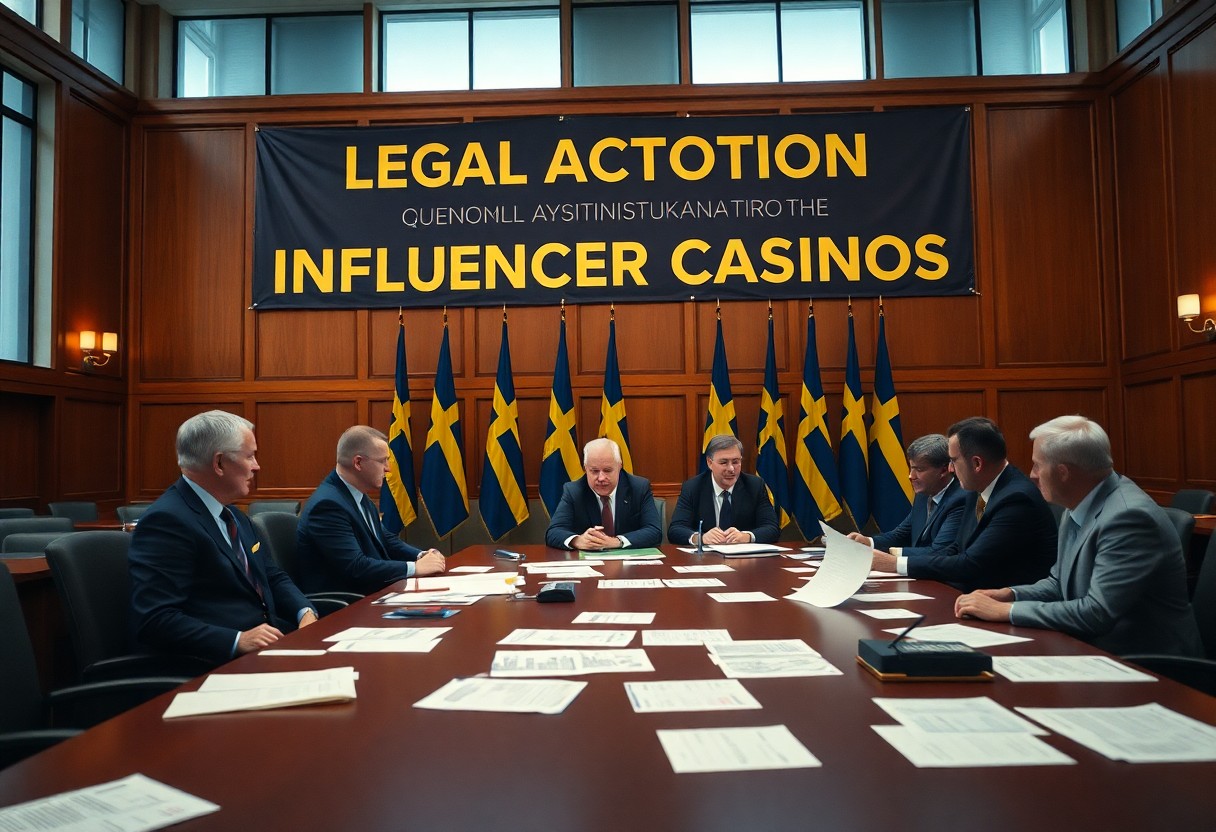
Over recent months, Sweden has intensified scrutiny on influencer-operated online casinos, raising concerns about their impact on gambling regulations and public health. The Swedish government is evaluating potential legal action against these casinos for promoting gambling to vulnerable populations without proper oversight. This development highlights the growing tension between digital marketing and regulatory frameworks in the gambling sector, as authorities aim to ensure consumer protection and responsible gaming practices. The outcome of this potential legal intervention could significantly reshape the landscape of online gambling in Sweden.
The Rise of Influencer Casinos: A New Frontier in Gambling
The Popularity of Influencer Marketing
Influencer marketing has skyrocketed in recent years, with brands leveraging social media personalities to boost their visibility and sales. In the gambling sector, influencers can attract millions of followers through engaging content and relatable storytelling, often presenting online casinos as a glamorous lifestyle choice. This has led to an exponential increase in online gambling participation, especially among younger demographics who find influencer endorsements more appealing than traditional advertising methods.
Understanding Influencer Casinos: How They Operate
Influencer casinos partner with social media stars to promote their platforms, utilizing a combination of entertainment and strategic marketing. These influencers often stream live gambling sessions, share affiliate links, and create promotional content highlighting their experiences. Revenue is generated through affiliate commissions, and influencers frequently offer exclusive bonuses to their followers, which can further incentivize participation. However, this model raises significant ethical questions regarding transparency and regulation.








Some influencer-operated casinos offer lucrative incentives, such as high bonuses or cashback deals for followers who sign up using referral links. Influencers create a sense of community by engaging their audience during gameplay, making gambling not just a game of chance but a shared experience. This immersive approach often blurs the line between entertainment and gambling, leading many first-time players to view it as a casual activity rather than a risky financial endeavor. The rapid growth of these casinos poses challenges for regulators who must balance innovation with consumer protection.
Sweden's Regulatory Landscape: A Tightening Grip on Gambling
Current Gambling Regulations in Sweden
Sweden's gambling regulations are primarily governed by the Gambling Act of 2018, which aims to create a safe and secure gambling environment. The law mandates that all operators must obtain a license from the Swedish Gambling Authority, ensuring compliance with consumer protection, anti-money laundering, and responsible gambling measures. Recent amendments have focused on increasing transparency and accountability among online platforms, particularly concerning advertising practices.
The Role of the Swedish Gambling Authority
The Swedish Gambling Authority (SGA) oversees the implementation and enforcement of gambling laws in Sweden. Tasked with regulating both online and offline gambling activities, the SGA ensures that operators adhere to strict standards designed to protect consumers and maintain the integrity of the gaming market. This includes monitoring advertising, enforcing licensing conditions, and responding to emerging trends, like the rise of influencer casinos.
In its role, the SGA carries out regular assessments of the gambling sector, focusing on consumer protection measures and advertising compliance. For example, in 2022, the authority imposed sanctions on several operators for violating advertising regulations, emphasizing responsible gambling practices. By scrutinizing influencer marketing tactics, the SGA aims to limit exposure to vulnerable groups and uphold the integrity of the gambling landscape in Sweden. This vigilance aligns with government objectives to mitigate risks associated with gambling addiction and ensure a fair marketplace for licensed operators.
The Ethical Dilemma: Are Influencer Casinos Promoting Problem Gambling?
The Appeal to Younger Audiences
Influencer casinos have been particularly effective at attracting younger audiences through relatable marketing tactics. Platforms like Instagram and TikTok showcase lifestyle content that often blurs the lines between entertainment and gambling. This demographic is drawn in by flashy promotions and the perceived authenticity of influencers, making the allure of online gaming seem both exciting and accessible. As a result, influencers can inadvertently position gambling as a normalized part of everyday life for impressionable viewers.
Risk Factors Associated with Online Gambling
The landscape of online gambling is rife with risk factors that can lead to problematic behavior. Easy accessibility via smartphones, coupled with minimal regulations in many regions, encourages impulsive betting among users. A 2022 study indicated that 75% of online gamers experienced some form of gambling-related harm, emphasizing how quickly leisure activities can spiral into addiction. The immersive nature of online casinos also exacerbates this risk.
- Limited age verification measures increase exposure among minors.
- Promotional tactics often exploit the social dynamics of peer pressure.
- Perceiving a loss as a mere setback can lead to chasing losses, escalating gambling behavior.
Several factors contribute to the heightened risk of online gambling. The presence of easy access, along with incentives like bonuses and free spins, creates an environment ripe for compulsive betting. Furthermore, ongoing engagement through live streams and influencer endorsements can result in a distorted reality where risk is underplayed. Continuous reinforcement through gambling culture may lead individuals to downplay the seriousness of their behaviors.
- The lack of comprehensive support for addiction recovery can leave vulnerable individuals without help.
- Online gambling environments often prioritize profit over player safety.
- Perceiving gambling as a quick route to financial success can entice users into risky behaviors.
Legal Considerations: Potential Grounds for Action Against Influencer Casinos
Violations of Advertising Standards
Influencer promotions often breach established advertising standards, particularly concerning transparency and responsibility. Influencers frequently fail to disclose partnerships with casinos, misleading consumers about the nature and risks of gambling. This lack of transparency can lead to regulatory scrutiny as it conflicts with the ethical obligations to present honest representations to audiences. Enforcement of these standards may warrant action against influencers who misguide consumers, especially vulnerable demographics.
Breach of Consumer Protection Laws
Influencer casinos may be vulnerable to claims of breaching consumer protection laws due to their marketing tactics that glamorize gambling and downplay potential risks. Such protections are designed to ensure that consumers are not misled or exploited, particularly by aggressive advertising that targets young or vulnerable individuals.
In Sweden, consumer protection laws mandate clear communication regarding the risks associated with gambling activities. Influencers promoting casinos often present gambling in a light that overlooks potential harm, creating an illusion of easy profit. Given the rapid growth of online casinos and their reliance on influencer marketing, a coordinated response from regulatory bodies may lead to investigations and potential penalties. This avenue could create significant legal repercussions for both influencers and the casinos they represent, emphasizing the need for responsible advertising practices within the industry.
Influencer Response: The Fallout of Potential Legal Action
Industry Reactions and Statements
Responses from the gambling industry reflect a mix of concern and defiance. Some influencers have defended their practices, arguing they operate within legal frameworks and highlight responsible gaming. Major gaming companies have issued statements emphasizing their commitment to transparency and regulatory compliance, while others assert that negative impacts on their promotional strategies could stifle innovation and limit consumer choices.
The Future of Influencer Partnerships in Gambling
The landscape for influencer partnerships in the gambling sector is poised for significant change. As regulatory frameworks tighten in response to public pressure, influencers may need to adapt their strategies, potentially focusing on promoting responsible gaming and transparency in endorsements.
Recent surveys indicate that 65% of consumers prefer brands advocating for responsible gaming, pushing influencers to recalibrate their messaging. This shift could lead to more partnerships emphasizing educational content about gambling risks rather than purely promotional efforts. Brands may prioritize collaborations with influencers who align with their values on responsible gambling, paving the way for a new era of ethical marketing practices in the industry.
Economic Impact: What Legal Action Could Mean for the Gambling Industry
Potential Financial Repercussions for Influencer Casinos
Legal action against influencer casinos could lead to significant financial setbacks for these businesses. With potential fines, loss of partnerships, and diminished brand reputations, many influencer-operated platforms may struggle to attract new users. A crackdown could result in a decrease in revenue streams, as influencers might shy away from promoting gambling links, fearing legal repercussions. This environment could drive some influencer casinos to close operations, reshaping the competitive landscape.
The Ripple Effect on the Broader Gambling Ecosystem
The implications of legal action against influencer casinos extend beyond individual businesses, threatening to disrupt the entire gambling ecosystem. This could lead to stringent regulatory measures, forcing all operators to reconsider their marketing strategies and compliance with advertising standards. Established operators may face increased scrutiny in their marketing efforts, while potential sanctions could inhibit innovative promotional strategies across the industry.
Comparative Perspectives: How Other Countries are Approaching Influencer Casinos
| Country | Approach to Influencer Casinos |
|---|---|
| United Kingdom | Regulated ad standards enforced by the Advertising Standards Authority (ASA), limiting promotions targeting under-18 consumers. |
| Australia | Strict guidelines prevent endorsements from influencers without a license, with penalties for violations. |
| Canada | Provincial regulations require transparency in influencer partnerships, aiming to disclose potential gambling risks. |
| Netherlands | New regulations mandate influencer disclosures and restrict targeted advertising to minors. |
Case Studies: Successful Regulations Abroad
Countries like the United Kingdom and Australia have effectively implemented regulations that serve as potential models for Sweden. The ASA's guidelines in the UK led to a 30% decrease in misleading gambling advertisements. In Australia, the introduction of licensing for influencers correlated with a 25% drop in underage gambling incidents, showcasing how regulations can protect vulnerable consumers while allowing a structured promotion of gambling.
- United Kingdom: 30% decrease in misleading ads post-ASA guidelines.
- Australia: 25% decline in underage gambling following influencer licensing.
- Canada: 15% improvement in transparency linked to regulatory enforcement of disclosures.
- Netherlands: 40% reduction in youth-targeted ads after introducing strict influencer regulations.
Lessons Learned from Global Approaches
Regulatory frameworks across different nations highlight the importance of clear guidelines and enforcement measures tailored to address influencer marketing specifically. Successful case studies indicate that consumer protection can coexist with marketing efforts, ensuring ethical practices while mitigating risks associated with gambling promotions. These insights suggest that tailored regulations could serve to balance commercial interests with a duty of care towards vulnerable populations.
The Path Forward: Future Implications for Influencer Marketing and Gambling
Potential Reforms in Regulatory Frameworks
Upcoming discussions around influencer marketing and gambling legislation may lead to stricter guidelines governing promotional content. Sweden's legal action may set a precedent for other countries, prompting regulatory bodies to enhance oversight on how influencers promote gambling. Key areas for reform include clearer definitions of responsible gambling messaging and age restrictions on promotional content. Robust compliance checks and mandatory disclosures could reshape influencer partnerships within the gambling sector.
The Evolving Relationship Between Influencers and Online Gambling
Influencers are increasingly viewed as significant players in promoting online gambling, blurring the lines between entertainment and gambling sponsorship. This relationship has led to exponential growth in user acquisition for online casinos, incentivizing influencers with lucrative deals. Despite potential backlash, many influencers are leveraging their vast reach to normalize gambling among younger audiences, raising ethical questions and necessitating more stringent industry standards. Recent studies show a marked increase in gambling interest among millennials and Gen Z, highlighting this trend's potential impact on future marketing strategies.
Summing up
Presently, Sweden is contemplating legal action against influencer casinos due to concerns over regulatory compliance and consumer protection. The rising popularity of these platforms has drawn scrutiny from authorities, who argue that they may exploit vulnerable individuals and undermine established gambling laws. As discussions progress, the implications for both the gambling industry and influencer marketing practices will be significant, potentially leading to stricter regulations and increased accountability for influencers promoting such services.
FAQ
Q: What prompted Sweden to consider legal action against influencer casinos?
A: Sweden has raised concerns over influencer casinos for promoting unlicensed gambling activities. The government aims to protect consumers and ensure compliance with its strict gambling regulations.
Q: How do influencer casinos operate in Sweden?
A: Influencer casinos typically engage social media personalities to promote their gaming platforms, often leading to increased visibility and engagement with younger audiences. These promotions may bypass regulatory scrutiny, which has led to increased public concern.
Q: What potential consequences could influencers face if legal action is taken?
A: If legal action is initiated, influencers promoting unlicensed casinos could face fines, legal penalties, or restrictions on their ability to advertise certain services. This could significantly impact their business relationships and revenue streams.

Lisa
Welcome. I am an experienced writer and I am ready to help you with all forms of writing needs you require. Education B.A. - linguistics, University of Wisconsin-Whitewater, United States, Graduated 2006.
Related Posts

Money Gong Empress launches exclusively at Genting
July 1, 2026


