

















The Overlap Between AML Controls and Responsible Gambling

There's a significant intersection between Anti-Money Laundering (AML) controls and responsible gambling practices in the gaming industry. Both frameworks aim to mitigate risks associated with financial criminal activities and promote player well-being. By examining their shared goals and methodologies, stakeholders can enhance compliance and protect vulnerable individuals while ensuring a secure gambling environment. Understanding this overlap is important for operators, regulators, and players alike to foster a responsible and transparent gaming experience.
Key Takeaways:
- Both AML controls and responsible gambling practices focus on identifying and mitigating potential risks associated with customer behavior.
- Data analysis and monitoring of transactions are necessary for both AML compliance and promoting responsible gambling, enabling early detection of suspicious activities or harmful gambling habits.
- Integrating AML and responsible gambling frameworks can enhance overall compliance and ensure a more holistic approach to customer welfare and regulatory adherence.
Understanding AML Controls
Definition of Anti-Money Laundering (AML)
Anti-Money Laundering (AML) refers to the set of laws, regulations, and procedures designed to prevent criminals from disguising illegally obtained funds as legitimate income. It encompasses various measures financial institutions and entities must adopt to identify, monitor, and report potentially suspicious activities related to money laundering.
Importance of AML Regulations in Gambling
AML regulations are vital in the gambling sector to ensure that operations are not exploited for money laundering activities, safeguarding the industry's integrity. By adhering to these regulations, gambling operators can mitigate risks associated with illicit financial transactions and avoid hefty fines or sanctions.








In 2022 alone, the gambling industry reported over $3 billion in suspicious activity reports (SARs) to regulatory authorities, emphasizing the need for rigorous AML compliance. Non-compliance can lead to significant financial repercussions, impacting not only the business but also its reputation and customer trust. As regulatory scrutiny intensifies, maintaining robust AML practices becomes indispensable for sustainable operations in gambling.
Key Components of AML Compliance
Key components of AML compliance include customer due diligence (CDD), transaction monitoring, record-keeping, and regulatory reporting. These elements collectively form a framework that enables organizations to detect and prevent suspicious activities effectively.
Customer due diligence involves validating the identity of clients and assessing their risk profiles. Transaction monitoring systems analyze patterns of behavior, flagging irregular activities that warrant further investigation. Keeping thorough records ensures that adequate information is available for audits and compliance checks. Successful AML compliance integrates these components, forming a proactive approach to risk management in gambling.
Role of AML in Preventing Financial Crime
The role of AML in preventing financial crime is multi-faceted, focusing on disrupting the methods criminals use to benefit from gambling. Effective AML programs help identify patterns of money laundering and provide law enforcement with crucial intelligence to investigate and prosecute those involved.
By implementing robust AML protocols, gambling operators can act as a first line of defense against financial crime. For instance, in 2021, a leading casino in Europe identified and reported over 500 suspicious transactions, leading to a significant law enforcement crackdown on organized crime. This proactive stance not only protects the organization but also strengthens the entire financial ecosystem by contributing to the global fight against money laundering.
Overview of Responsible Gambling
Definition of Responsible Gambling
Responsible gambling refers to the set of practices and policies aimed at ensuring that gambling activities are conducted in a safe, ethical manner while minimizing the risk of addiction and harm to individuals and communities.
Importance of Responsible Gambling Practices
Implementing responsible gambling practices is vital for protecting consumers, fostering a safe gambling environment, and promoting the long-term sustainability of the gambling industry.
The significance of responsible gambling practices lies in their ability to reduce the negative impacts associated with gambling. By promoting awareness and providing resources for intervention, operators can help mitigate risks of problem gambling. Studies show that when effective responsible gambling measures are in place, instances of gambling-related harm significantly decrease, benefiting not only individuals but also the broader community and industry reputation.
Key Elements of a Responsible Gambling Framework
A robust responsible gambling framework typically includes measures like player education, self-exclusion options, limit-setting tools, and regular monitoring of player behavior to identify signs of distress.
Essential elements of a responsible gambling framework encompass a combination of proactive and reactive strategies. Player education initiatives equip consumers with knowledge about gambling risks and techniques for maintaining control. Self-exclusion options allow at-risk individuals to take a break from gambling, while limit-setting tools enable players to manage their spending. Continuous monitoring by operators helps in early detection of troubling behaviors, prompting timely interventions to prevent escalation.
Regulations Governing Responsible Gambling
Governments and regulatory bodies have established a framework of regulations that mandate responsible gambling practices, ensuring that operators prioritize player welfare and minimize harmful gambling behaviors.
Regulations surrounding responsible gambling are increasingly stringent across various jurisdictions. In the UK, for example, the Gambling Commission enforces measures that require operators to implement responsible gambling policies. These include mandatory training for staff on recognizing problem gambling and providing resources for customer support. Other regions, such as Canada and Australia, follow suit with local regulations that compel operators to offer helplines, tools for self-assessment, and access to counseling services, forming a united front in the fight against gambling-related harm.
The Intersection of AML and Responsible Gambling
Common Objectives of AML and Responsible Gambling
Both Anti-Money Laundering (AML) measures and responsible gambling initiatives share the aim of fostering a safe and secure gaming environment. They are designed to protect vulnerable individuals and ensure the integrity of the gaming industry. By mitigating risks associated with financial crime and gambling addiction, these frameworks contribute to a more sustainable and trustworthy experience for players and businesses alike.
Risk Based Approach in Both Fields
A risk-based approach is crucial in both AML practices and responsible gambling protocols, allowing organizations to prioritize their resources effectively. By identifying high-risk areas, operators can tailor their strategies to mitigate potential issues related to money laundering and problem gambling.
This approach enables operators to focus on customers or activities that pose significant risks, rather than implementing a one-size-fits-all solution. For instance, enhanced due diligence may be employed for high-stakes players or those exhibiting concerning gambling patterns. Such targeted actions not only streamline compliance efforts but also promote responsible behaviors among all players, helping to create a safer gaming environment.
Customer Due Diligence and Player Protection
Customer due diligence (CDD) is a key intersection between AML and responsible gambling, as both aim to assess and protect player welfare. By verifying player identities and understanding their behavior, operators can identify signs of risk early on.
This identification process is beneficial not just for satisfying regulatory requirements but also for supporting player protection initiatives. When operators conduct diligent assessments, they can proactively intervene with players showing signs of harmful gambling behavior, providing tailored support and resources. This two-pronged strategy not only helps in compliance with regulations but also illustrates a genuine commitment to player welfare.
Reporting Mechanisms and Transparency
Effective reporting mechanisms are vital for both AML compliance and responsible gambling measures, as they promote transparency within the gaming industry. Accurate reporting helps to identify suspicious activities while also highlighting patterns that may indicate problem gambling.
By establishing clear channels for reporting and analyzing data, operators enhance their ability to detect anomalies and respond promptly. For instance, many jurisdictions require the reporting of certain thresholds related to transactions and gambling behavior. This not only aids regulatory compliance but also ensures that player protection remains a priority, allowing for swift action that can mitigate risks before they escalate. Transparent relationships with regulators foster trust and encourage ongoing improvements in industry standards.
Case Studies
- Case Study 1: A major online casino implemented AML protocols that integrated responsible gambling measures, resulting in a 30% decrease in problem gambling reports over two years.
- Case Study 2: A brick-and-mortar casino noticed a 25% increase in compliance audit scores after training staff on both AML and responsible gambling, promoting a unified approach.
- Case Study 3: A European gambling authority found that jurisdictions with combined AML and responsible gambling strategies reported a 15% drop in money laundering incidents.
- Case Study 4: A sportsbook adopted comprehensive AML technologies that also flagged responsible gambling issues, leading to a 50% reduction in risky gaming behavior among high-risk clients.
Successful Integration of AML and Responsible Gambling
Integrating AML controls with responsible gambling practices has led to significant improvements in compliance and player safety. A study showed that casinos using joint strategies saw not only enhanced regulatory compliance but also increased patron trust, enhancing their overall business performance.
Lessons from Failed Compliance in the Gambling Sector
Non-compliance cases often lead to severe financial penalties and reputational damage. Several gambling operators have faced millions in fines due to negligence in AML and responsible gambling integration, highlighting the need for robust compliance frameworks.
In 2021, a major online betting company was fined $20 million for failing to adhere to AML regulations while neglecting responsible gambling commitments, resulting in thousands of players experiencing harmful gambling behavior. This case serves as a stark reminder of the consequences of inadequate compliance efforts and underlines the importance of established AML protocols that must intersect with responsible gambling practices to safeguard both the business and its clientele.
Comparative Analysis: Different Jurisdictions
Overview of Regulatory Approaches
| Jurisdiction | Regulatory Approach to AML & Responsible Gambling |
| United Kingdom | Comprehensive regulations integrating both AML and responsible gambling checks, leading to high compliance rates. |
| Australia | Distinct AML and responsible gambling frameworks with varying state-level compliance, revealing gaps in enforcement. |
| US | Fragmented regulations with AML primarily focused; responsible gambling measures often underdeveloped. |
Different jurisdictions showcase varied regulatory frameworks that address AML and responsible gambling. In the UK, a comprehensive approach has yielded high compliance rates, while Australia's state-level disparities lead to enforcement challenges. Conversely, the US highlights the need for more integrated solutions, as its fragmented system often overlooks responsible gambling, stressing a critical area for improvement in regulatory policies.
Best Practices for Operators
Developing an Integrated Compliance Program
Creating an integrated compliance program ensures that AML controls and responsible gambling measures work cohesively. This involves aligning policies, data management systems, and reporting structures to address both regulatory demands and player protection initiatives effectively.
Training and Awareness for Staff
Training staff on AML regulations and responsible gambling practices equips them with the knowledge to identify and respond to potential risks effectively.
This training should be ongoing and tailored to regional regulations and the specific products offered by the operator. Regular workshops, e-learning modules, and scenario-based drills enhance awareness, enabling staff to recognize suspicious activities and engage with players showing signs of problematic gambling behavior confidently.
Utilizing Technology for Compliance
Leveraging technology in compliance processes enhances efficiency and accuracy in monitoring player behavior and financial transactions.
Advanced analytics tools can assess player data in real-time, identifying patterns indicative of both money laundering activities and gambling addiction. Implementing AI-driven solutions allows operators to automate risk assessments, enabling rapid responses to concerning behaviors while maintaining regulatory compliance. Many operators have reported up to a 40% reduction in manual reviews with such technologies.
Monitoring and Reporting Procedures
Effective monitoring and reporting procedures are necessary for detecting irregular patterns in player behavior and suspicious transactions.
Operators should establish robust systems that regularly analyze transaction data and track player activity against established thresholds. Regular audits should be performed to ensure compliance with internal policies and external regulations. Reports generated from these systems should be comprehensive and easily accessible, allowing for timely decision-making and regulatory submission when necessary. This proactive approach aids in minimizing risks associated with both AML and irresponsible gambling practices.
Challenges and Future Trends
Evolving Regulatory Landscape
The regulatory environment surrounding AML and responsible gambling is constantly shifting, with governments and regulatory bodies introducing more stringent requirements. This evolution stems from the recognition of their interconnectedness and the need for operators to adapt swiftly to compliance demands. As jurisdictions develop specific guidelines, the challenge lies in aligning these frameworks without stifling innovation or creating inconsistencies across regions.
Technological Advancements and Their Impact
Technological innovations are reshaping how AML and responsible gambling measures are implemented, enhancing monitoring and data analysis capabilities. Machine learning algorithms and artificial intelligence are enabling operators to detect patterns related to both suspicious financial activities and signs of gambling harm more effectively.
With advancements in technology, operators can now utilize sophisticated data analytics to identify at-risk players and unusual transaction behaviors in real-time. For instance, predictive modeling can flag potential money laundering schemes while simultaneously monitoring gambling habits, ensuring a holistic approach to regulatory compliance and player safety. This proactive identification of risks underscores the importance of adopting cutting-edge technology in this evolving landscape.
Balancing Player Protection with Business Interests
The Future of AML and Responsible Gambling Policies
Conclusion
With these considerations, it is evident that the overlap between Anti-Money Laundering (AML) controls and responsible gambling practices reinforces the integrity of the gaming industry. Both frameworks share a common goal of promoting transparency and trust while minimizing risks associated with financial crime and gambling-related harm. Implementing AML measures alongside responsible gambling initiatives ensures a holistic approach that protects both consumers and operators, fostering a sustainable environment for gaming activities.
FAQ
Q: What are AML controls?
A: AML (Anti-Money Laundering) controls are regulations and processes put in place by organizations to prevent, detect, and report money laundering activities. They involve customer due diligence, transaction monitoring, and reporting suspicious activities to relevant authorities.
Q: How does responsible gambling relate to AML?
A: Responsible gambling involves practices that ensure players can gamble in a safe and controlled manner. The overlap with AML lies in identifying and mitigating risks associated with problem gambling, which can also serve as a red flag for potential money laundering activities.
Q: What types of behaviors are monitored for AML in gambling?
A: Monitoring can include unusual betting patterns, large deposits or withdrawals that don't fit a player's profile, frequent payments from high-risk jurisdictions, and behavior indicative of gambling addiction, which could point to money laundering schemes.
Q: What role does customer identification play in both areas?
A: Customer identification is vital in both AML controls and responsible gambling. For AML, it helps verify the legitimacy of funds, while in responsible gambling, it aids in assessing the player's history and risk level to tailor support and interventions as needed.
Q: How can organizations implement best practices for both AML and responsible gambling?
A: Organizations can integrate their AML and responsible gambling frameworks by training staff to recognize signs of problematic gambling and suspicious transactions, utilizing data analytics for cross-referencing behaviors, and developing policies that promote player safety while ensuring compliance with AML regulations.

Esther
I am a professional writer with 8 years of experience in this field and I can provide you with the best-written content you can find. Education B.A. - English, George Washington University, United States, Graduated 2011.
Related Posts

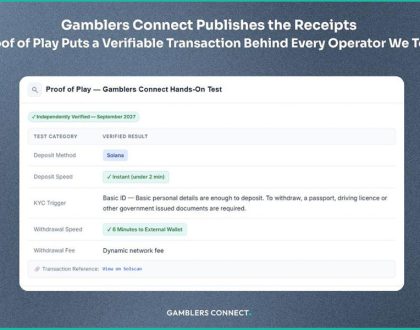
Gamblers Connect launches Proof of Play for transparent operator reviews
September 21, 2026
Germany’s gambling blocking system struggles with obvious targets
September 19, 2026
Gambling Commission reports growth across Great Britain’s gambling market
September 18, 2026
BetComply strengthens compliance team with three experienced appointments
September 16, 2026

Ygam reports stronger impact as youth gambling harm prevention expands
September 14, 2026
Kongebonus launches complaints centre for Norway’s online casino players
September 8, 2026

GGL gambling enforcement raises questions over licence transparency
September 7, 2026