Can Curaçao’s Reforms Restore Global Confidence?
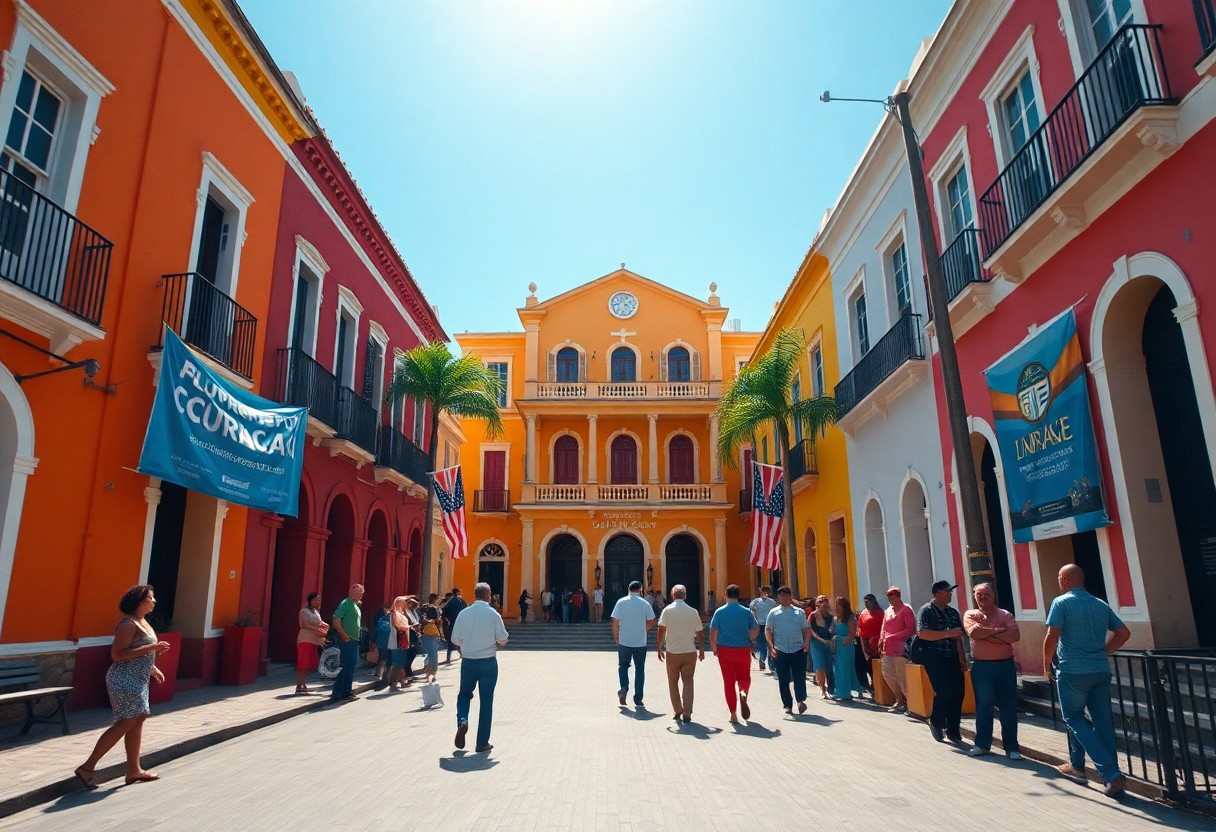
Just as nations face challenges in a dynamic global landscape, Curaçao has commenceed on significant reforms aimed at revitalizing its economy and restoring international confidence. These initiatives focus on enhancing transparency, boosting tourism, and fostering foreign investment, which are important for sustainable growth. As the island grapples with its unique socio-economic context, the effectiveness of these reforms will determine whether Curaçao can re-establish itself as a competitive player in the global market, drawing the attention of investors and stakeholders alike.
Key Takeaways:
- Reforms aim to enhance financial transparency and combat money laundering.
- International partnerships are being forged to improve regulatory compliance.
- Effective implementation of reforms is necessary to rebuild trust with global stakeholders.
Background of Curaçao's Economic Situation
Historical Economic Overview
Curaçao's economy has historically relied on tourism, oil refining, and international financial services. The island experienced economic growth in the late 20th century, with the oil industry driving development. However, over-dependence on these sectors has made the economy vulnerable to global fluctuations. The financial sector, especially, flourished amid tax incentives, attracting international corporations. Yet, this growth has often been overshadowed by systemic issues and regulatory challenges.
Political Landscape and Governance
The political landscape of Curaçao is marked by a parliamentary democracy within the Kingdom of the Netherlands, with a history of coalition governments that complicate decision-making. Governance has faced criticism due to frequent political instability and the struggle between local interests and international obligations. Recent reforms focus on enhancing accountability within governance structures.








The current administration, grappling with public discontent over economic mismanagement, has prioritized transparency and stakeholder engagement in governance. Initiatives aim to strengthen institutions and enhance public trust, yet internal divisions often impede progress on key reforms. The push for efficient governance is important not only for local stability but also to meet international standards, particularly in financial regulation, which has significant implications for the economy.
Recent Economic Challenges
Curaçao's economy has encountered significant challenges recently, including reduced tourism due to global travel restrictions and declining oil prices. The pandemic exposed vulnerabilities in the economy, exacerbating unemployment and reducing public revenue. Efforts to diversify the economy have been sluggish, leaving the island reliant on external support and struggling to recover.
The dual impacts of the COVID-19 pandemic and global economic shifts have intensified existing vulnerabilities. Tourism, which accounts for over 25% of GDP, plummeted by 90% at the height of the pandemic, leading to a sharp increase in government debt. Additionally, the reliance on a declining oil sector has further strained fiscal resources, compelling the government to seek assistance from the Netherlands, in hopes of implementing transformative reforms. The path to recovery remains fraught with challenges as Curaçao strives for economic revitalization while managing systemic issues in governance and public trust.
Overview of Proposed Reforms
Fiscal Reforms
Curaçao's fiscal reforms aim to tighten budgetary discipline and enhance public revenue collection. By adopting a more transparent budgeting process and restructuring its tax system, the government seeks to reduce its deficit and attract foreign investment, targeting a fiscal balance by 2025.
Regulatory Reforms
The proposed regulatory reforms focus on streamlining business processes to foster an entrepreneurial ecosystem. Simplifying permit applications and reducing bureaucratic red tape are key components intended to bolster foreign direct investment and promote local businesses.
Key to these regulatory changes is the establishment of a “one-stop shop” for businesses, which will consolidate various permits and approvals into a single application process. This initiative is anticipated to decrease waiting times significantly and improve Curaçao's ranking in the World Bank's Ease of Doing Business index, thus enhancing the overall business climate.
Social Reforms
Social reforms in Curaçao seek to address income inequality and improve access to education and healthcare services. Initiatives include increased funding for public education and expanded healthcare programs aimed at vulnerable populations, intended to promote economic security and societal well-being.
Furthermore, the government plans to implement skill development programs tailored for youth, addressing both unemployment and the skills gap in the labor market. These initiatives will not only empower the citizenry but also help create a more robust and competitive workforce that can adapt to the demands of a changing economy.
Stakeholders' Perspectives
Government's Position
The government contends that these reforms are vital for restoring fiscal stability and stimulating economic growth. Officials cite the need for improved transparency and efficiency in public spending as key drivers for bolstering investor confidence. With a commitment to reducing the national debt, the administration aims to create a more favorable economic environment to attract foreign investment.
Business Community Insights
Members of the business community welcome the proposed reforms, believing they could revitalize economic activity. Business leaders argue that regulatory changes are vital for enhancing operational efficiency and fostering innovation. However, there are concerns about implementation speed and the actual impact on small and medium enterprises.
Many entrepreneurs stress the importance of balancing reform with the needs of local businesses. They express that while fiscal discipline is necessary, overly strict measures could hinder growth and discourage investment. A collaborative approach between government and businesses is advocated to ensure reforms are sensible and conducive to a thriving economy. Clear communication and involvement in the reform process are crucial to garnering the support needed from the private sector.
Public Sentiment
Public opinion on the reforms is mixed, with many citizens optimistic yet cautious. There is a sense of hope that the reforms will lead to better public services and economic opportunities, although trust in the government's ability to execute these changes is wavering. The public is particularly concerned about how these measures will affect social programs and employment rates.
Surveys reveal that a significant portion of the population fears reforms will disproportionately impact vulnerable groups. Citizens are advocating for transparency and continuous dialogue to ensure their voices are heard. Additionally, many express the desire for assurances that the benefits of the reforms will extend beyond political and business elites, fostering a more inclusive approach as Curaçao navigates these changes.
International Relations Implications
Impact on Foreign Investment
The implementation of reforms is expected to enhance Curaçao's appeal to foreign investors, who have historically viewed the region with skepticism. By creating a more transparent regulatory environment, the government aims to attract capital and expertise, vital for sustainable economic growth.
Diplomatic Relations and Trade
A proactive approach to enhancing diplomatic relations is central to improving Curaçao's trade dynamics. Strengthening ties with both neighboring Caribbean nations and global powers can open new avenues for investment, fostering a more integrated economic landscape.
Increased diplomatic efforts can lead to preferential trade agreements and partnerships, allowing Curaçao to leverage its unique geographic position. Initiatives to streamline customs processes and improve logistics infrastructure will further facilitate trade. Highlighting Curaçao's commitment to international norms and cooperation can indirectly elevate its trade status within wider markets.
Comparisons with Other Caribbean Nations
Curaçao's reform trajectory can be assessed against similar efforts made by other Caribbean nations, offering valuable insights. Countries like Barbados and Jamaica have undertaken significant economic reforms to attract foreign investment and bolster international relations.
Comparison of Reform Efforts Among Caribbean Nations
| Country | Reform Focus |
|---|---|
| Barbados | Fiscal discipline, tax incentives |
| Jamaica | Debt reduction, investment in infrastructure |
| Curaçao | Regulatory transparency, fiscal stability |
These comparisons reveal that while each nation faces unique challenges, a common thread lies in enhancing regulatory frameworks. By evaluating successful strategies from others, Curaçao can tailor its reforms to improve investor confidence, making its market more competitive on a global scale.
Key Indicators of Investment Attractiveness
| Indicator | Curaçao Status |
|---|---|
| Ease of Doing Business | Moderate improvements anticipated |
| Tax Incentives | Proposed increases |
| Trade Volume | Potential for growth |
Analysis of Potential Outcomes
Short-term Effects of Reforms
The immediate impact of Curaçao's reforms could manifest through improved investor sentiment and increased capital inflows. As fiscal measures take effect, the government may experience heightened revenue collection, allowing for targeted investments in public services. Additionally, business confidence might grow, fostering entrepreneurship and spurring job creation in key sectors like tourism and technology.
Long-term Economic Stability
Long-term economic stability hinges on sustained implementation of reforms alongside a clear growth strategy. A progressive tax structure and disciplined public spending can lead to a balanced budget, subsequently reducing national debt and enhancing credit ratings. Over time, a robust economy may emerge, reducing vulnerability to external shocks and fostering sustainable development.
Ensuring this stability requires continuous monitoring and adaptation of policies to align with global economic trends. A diversified economy that leverages Curaçao's strategic location and tourism potential could draw investment in emerging industries. Education and workforce development will also play important roles in maintaining a competitive edge, leading to higher productivity and increased standards of living for residents.
Risks and Possible Obstacles
Case Studies
- Barbados: After implementing financial sector reforms in 2018, Barbados restored its credit rating from CCC to B, enabling a 25% increase in foreign direct investment (FDI) entry within two years.
- Jamaica: The National Debt Exchange in 2013 led to a 12% GDP growth over five years, demonstrating the benefits of debt restructuring and fiscal discipline.
- Bermuda: Tax reforms in 2017 improved business climate perceptions, resulting in a 40% surge in new business registrations annually.
- St. Lucia: Post-hurricane recovery reforms in 2020 resulted in a 30% rise in tourism within one year, illustrating resilience through adaptive reforms.
- Grenada: Economic diversification strategies initiated in 2015 boosted agricultural exports by 50%, underlining effective strategic planning and execution.
Successful Reforms in Similar Economies
Countries with similar economic challenges, such as Barbados and Jamaica, have successfully implemented reforms that restored investor confidence and stimulated growth. For instance, Jamaica's economic reforms resulted in a notable decline in the debt-to-GDP ratio, enhancing its credit rating and ultimately attracting an influx of foreign investments.
Lessons Learned from Other Nations
Analyzing the experiences of other nations highlights the importance of transparency, governance reforms, and macroeconomic stabilization. Many successful transitions have been characterized by strong public-private partnerships and stakeholder engagement, which enabled effective implementation of reform strategies.
Countries like Jamaica and Barbados teach that the timing and communication of reforms matter significantly. Gradual reforms, paired with ongoing public engagement, proved necessary for building consensus and ensuring societal buy-in. Improved governance structures and transparency further instilled investor confidence, showcasing the need for effective communication and oversight mechanisms during transitions.
Application of Best Practices
To leverage successful strategies from other nations, Curaçao can adopt best practices in reform implementation, focusing on transparent governance and stakeholder involvement. Incorporating lessons learned from countries like Grenada, which effectively diversified its economy, can aid in developing comprehensive strategies tailored to Curaçao's unique challenges.
Effective best practice application requires a tailored approach that considers local context while integrating successful models from other economies. Engaging local stakeholders alongside international experts can also foster innovative solutions, empowering Curaçao to navigate its reform path more effectively and sustainably.
Final Words
The effectiveness of Curaçao's reforms in restoring global confidence hinges on transparency, accountability, and adherence to international standards. By addressing systemic issues and enhancing regulatory frameworks, the island can position itself as a reliable jurisdiction for investment and financial services. Continued commitment to these reforms is vital for fostering trust with international partners and enhancing its economic stability. Global stakeholders are closely monitoring these developments, and their outcomes will significantly influence Curaçao's reputation on the world stage.
FAQ
Q: What specific reforms are being implemented in Curaçao to restore global confidence?
A: Curaçao is focusing on enhancing its financial regulations, increasing transparency in governance, promoting economic diversification, and improving public sector efficiency.
Q: How do these reforms impact foreign investment in Curaçao?
A: The reforms are aimed at creating a more stable and predictable business environment, which can attract foreign investment by reducing risk and ensuring better regulatory practices.
Q: What role do international organizations play in Curaçao's reform process?
A: International organizations provide guidance, technical assistance, and funding to support the reforms, ensuring they meet global standards and effectively enhance the country's credibility.
Q: How will the reforms address issues of corruption in Curaçao?
A: The reforms include stricter anti-corruption measures, better oversight mechanisms, and increased accountability among public officials to foster a culture of integrity.
Q: What is the expected timeline for seeing the effects of these reforms on global confidence?
A: While some improvements may be visible within a year, significant changes and restored global confidence are anticipated to develop over the next 3 to 5 years as reforms take hold.

Lela
I have over 10 years' experience proofreading and editing where spelling and grammar were paramount. This includes newspaper publication and designing advertisements. I personally write all my articles.This allows me to do in-depth research and provide premium content.