Crypto Wallets and Security Risks
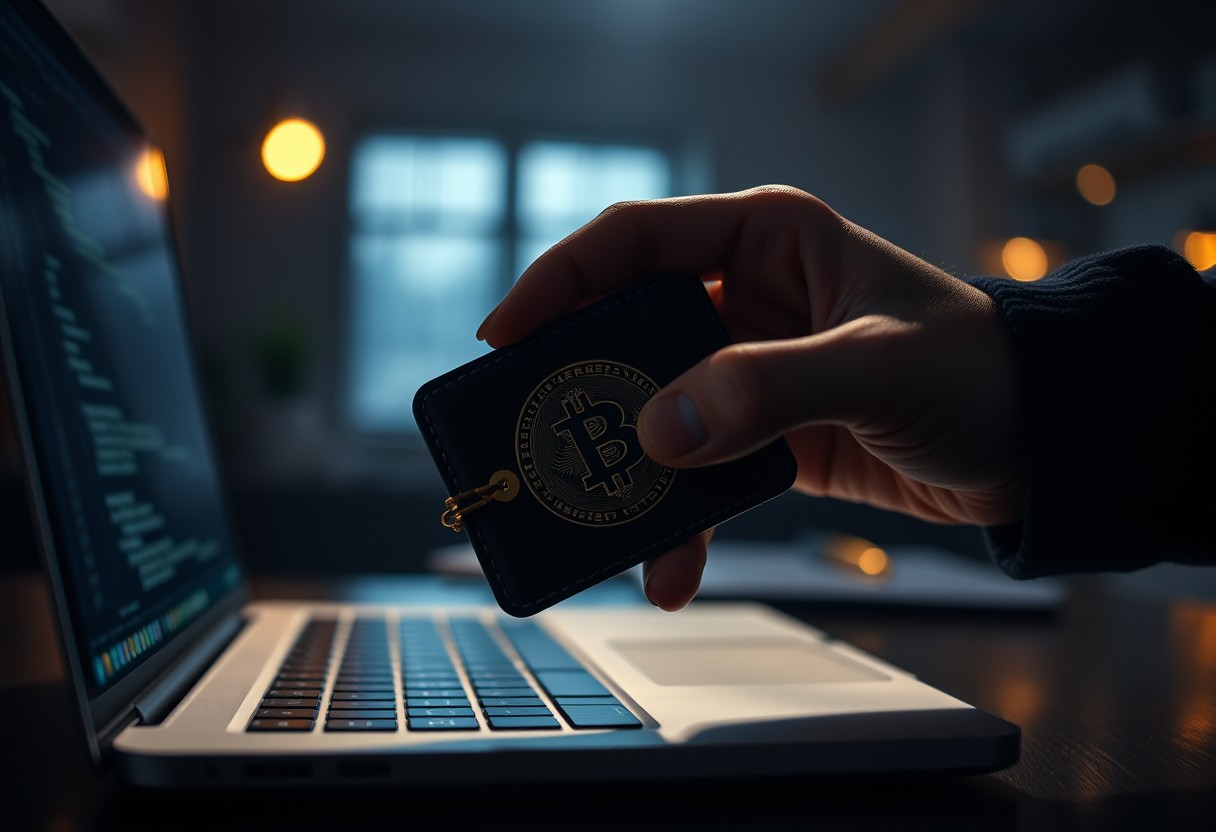
It's crucial for anyone venturing into the world of cryptocurrencies to understand the balance between convenience and security when it comes to crypto wallets. As I explore the various types of wallets available, I'll guide you through their benefits and vulnerabilities, helping you make informed decisions for safeguarding your digital assets. With the rise of cryptocurrencies, the ease of access offered by these wallets can sometimes overshadow the potential risks involved. Join me as we examine the intricacies of crypto wallets and how to navigate this critical aspect of your investment journey.
Understanding Crypto Wallets
While navigating the world of cryptocurrencies, understanding crypto wallets is necessary for managing and securing your digital assets. A crypto wallet is a digital tool that allows you to store, send, and receive cryptocurrencies like Bitcoin or Ethereum. There are various types of wallets tailored to different needs, ranging from simple mobile applications to sophisticated hardware solutions. Your choice of wallet can greatly influence both the convenience and security of your cryptocurrency transactions.
Types of Crypto Wallets
On exploring the types of crypto wallets, you will find the following options:








| Hot Wallets | Connected to the internet, easy to access but less secure. |
| Cold Wallets | Offline storage, more secure but harder to access quickly. |
| Desktop Wallets | Software installed on your computer, combines convenience and security. |
| Mobile Wallets | Apps on your smartphone, great for everyday transactions. |
| Hardware Wallets | Physical devices, offering superior security for long-term storage. |
Recognizing the advantages and disadvantages of each type will help you make an informed decision about which wallet best fits your needs.
Features and Functionality
The features and functionality of crypto wallets vary significantly, making some better suited for certain tasks than others. Key features include transaction capabilities, user interface, security measures, and compatibility with various currencies and exchanges. Understanding these aspects is crucial for maximizing your crypto experience.
Functionality is a standout characteristic of crypto wallets. Many wallets offer features such as multi-signature support, integration with decentralized applications (dApps), and seamless exchange functionalities. This diversity allows you to choose a wallet that aligns with your unique needs, whether for everyday transactions or long-term asset management. It's imperative to assess these features carefully to ensure they meet your security and usability expectations.
Security Concerns with Crypto Wallets
It is crucial to understand the myriad security risks associated with crypto wallets. While they offer convenience for managing and accessing your digital assets, these wallets can be susceptible to a range of threats, from phishing attacks to malware. It's crucial to remain vigilant and adopt best practices to safeguard your investments.
Common Vulnerabilities
The potential vulnerabilities in crypto wallets can significantly impact your digital assets. Issues such as weak passwords, lack of two-factor authentication, and unpatched software can expose your wallet to hackers. By understanding these vulnerabilities, you can better protect yourself and your investments.
Historical Breaches and Hacks
The history of the cryptocurrency space is littered with significant breaches and hacks that have resulted in millions of dollars lost. These incidents serve as stark reminders of the importance of security measures when using crypto wallets. Staying informed about past attacks can help you build more robust security practices.
Understanding the lessons learned from historical breaches is critical in today's evolving landscape of cryptocurrency. Major hacking incidents, such as the Mt. Gox collapse and the coin theft from the DAO, highlight the vulnerabilities associated with centralized platforms and wallets. I strive to learn from these events, ensuring that I utilize secure wallet practices and investing in reputable solutions to minimize my risk exposure.
Balancing Convenience and Security
Even as digital wallets simplify my transactions, the trade-offs in security remain a genuine concern. I must weigh the ease of access against potential vulnerabilities that could expose my assets to theft. By being aware of the inherent risks and taking proactive steps, I can enjoy the benefits of using a crypto wallet while still maintaining a sturdy security posture.
Best Practices for Wallet Usage
To maximize the security of my crypto wallet, I must adhere to several best practices. These include using strong passwords, enabling two-factor authentication, and regularly updating my software. By implementing these measures, I can significantly reduce the risk of unauthorized access and protect my investments.
Advanced Security Measures
Advanced security measures can further safeguard my crypto assets. By combining multiple protection strategies, I can create a robust defense against potential threats. For instance, utilizing hardware wallets alongside software solutions can enhance security significantly. Here are some advanced strategies I should consider:
- Cold storage
- Multi-signature wallets
- Regular security audits
Advanced Security Options
| Option | Description |
| Cold Storage | Keeping your private keys offline |
| Multi-signature Wallets | Requiring multiple approvals for transactions |
| Regular Security Audits | Assessing wallet security periodically |
Another important aspect of safeguarding my digital assets is staying informed about the latest security trends. Cryptocurrency and cybersecurity landscapes constantly evolve, demanding that I remain vigilant and proactive. I can fortify my wallet's security by incorporating the latest technologies and strategies. Here are some additional measures you might consider:
- Biometric authentication
- Security tokens
- Awareness of phishing scams
Additional Security Measures
| Measure | Description |
| Biometric Authentication | Using fingerprints or facial recognition |
| Security Tokens | Physical devices that generate one-time codes |
| Awareness of Phishing Scams | Staying cautious about unsolicited communications |
The Role of User Education
Your understanding of crypto wallets is crucial in navigating the digital currency landscape. Effective user education equips you with the knowledge to make informed choices, ultimately enhancing the security of your assets. With the risks associated with convenience, a well-informed user can employ strategies to mitigate vulnerabilities, ensuring that the benefits of using a crypto wallet don't come at the expense of your security.
Importance of User Awareness
For anyone venturing into cryptocurrency, awareness is key. Many pitfalls arise from a lack of understanding of wallet functionalities and safeguarding techniques. By educating yourself, you safeguard your investments against common threats like phishing and hacking, enabling you to enjoy the benefits of cryptocurrency without compromising your assets.
Resources for Learning
For those seeking to enhance their crypto knowledge, numerous resources are available. Reputable websites, online courses, and community forums serve as excellent platforms for acquiring both foundational and advanced understanding of wallet security. Engaging with these resources can empower you to make better decisions regarding your digital assets.
Importance of continuous learning cannot be overstated in the dynamic world of cryptocurrency. Staying updated with recent developments through webinars, podcasts, and articles can significantly bolster your understanding of wallet security. Furthermore, actively participating in community discussions enables you to learn from others' experiences and practices, empowering you to navigate your crypto journey more safely.
Future of Crypto Wallet Security
For the future of crypto wallet security, I foresee an evolution in multifaceted approaches that prioritize both convenience and protection. As users increasingly demand seamless access to their digital assets, developers must innovate tools that mitigate risks without sacrificing usability. This potentially includes advanced biometric systems, hardware wallet integrations, and enhanced encryption protocols to safeguard your assets. The balance between accessibility and security will be crucial in shaping the landscape of crypto wallets moving forward.
Emerging Technologies
Technologies play a significant role in enhancing the security of crypto wallets. Innovations such as artificial intelligence and machine learning can be leveraged to detect fraudulent activities and anomalous behavior in real-time. Moreover, the integration of blockchain technology may offer decentralized solutions, increasing the transparency and integrity of transactions. As I explore these advancements, it becomes clear that staying ahead of potential threats is paramount to ensuring the safety of your digital investments.
Regulatory Impacts
The regulatory environment surrounding crypto wallets is evolving rapidly and will greatly influence security practices. Governments are beginning to implement stricter guidelines to protect consumers and prevent fraud, prompting wallet providers to adapt their security measures. This shift may enhance your confidence in using crypto wallets, as compliance with regulations often leads to better security protocols and risk management practices.
Emerging standards will likely require wallet providers to implement robust know-your-customer (KYC) procedures and develop transparent reporting mechanisms. As regulations become more stringent, I believe these measures will bolster the overall trustworthiness of wallet services. By adhering to regulatory frameworks, you can expect greater accountability and improved security features, ultimately ensuring that your assets remain protected in an increasingly complex digital landscape.
Conclusion
To wrap up, I believe that while crypto wallets offer unparalleled convenience for managing digital assets, this ease of use often comes with significant security trade-offs. As you navigate the world of cryptocurrencies, it's imperative to weigh the benefits of quick access against the potential risks to your funds. By staying informed and adopting best practices for wallet security, you can enhance the protection of your investments while enjoying the conveniences that crypto wallets provide.
FAQs
What is a crypto wallet?
A crypto wallet is a digital tool that allows you to store, send, and receive cryptocurrencies.
What are the different types of crypto wallets?
The main types include hot wallets, cold wallets, desktop wallets, mobile wallets, and hardware wallets, each offering varying levels of security and convenience.
How do hot wallets differ from cold wallets?
Hot wallets are connected to the internet and are easier to access, while cold wallets are offline, providing enhanced security but less convenience.
What are some common security risks associated with crypto wallets?
Common risks include phishing attacks, malware, weak passwords, and lack of two-factor authentication.
What are some best practices for securing my crypto wallet?
Use strong passwords, enable two-factor authentication, and keep your software updated to enhance security.
How can I stay informed about crypto wallet security trends?
Regularly engage with reputable resources, attend webinars, and participate in community forums to stay updated.
What is cold storage?
Cold storage refers to keeping your private keys offline to prevent unauthorized access to your crypto assets.
What is a multi-signature wallet?
A multi-signature wallet requires multiple approvals for transactions, adding an extra layer of security.
How can emerging technologies enhance crypto wallet security?
Technologies like artificial intelligence and blockchain can detect fraudulent activities and improve transparency in transactions.
What impact do regulations have on crypto wallet security?
Stricter regulations can lead to improved security measures and increased consumer confidence in wallet services.

Michael Schmitt
Michael Schmitt is the founder of TRIDER.UK and Editor of Malta Media. He writes about iGaming, gambling regulation, corporate structures, financial services and market integrity, combining investigative journalism with nearly three decades of experience in corporate services and international business.
Related Posts

1win expands crypto prediction markets
July 17, 2026