

















DeGaming unveils new identity built around transparent iGaming systems
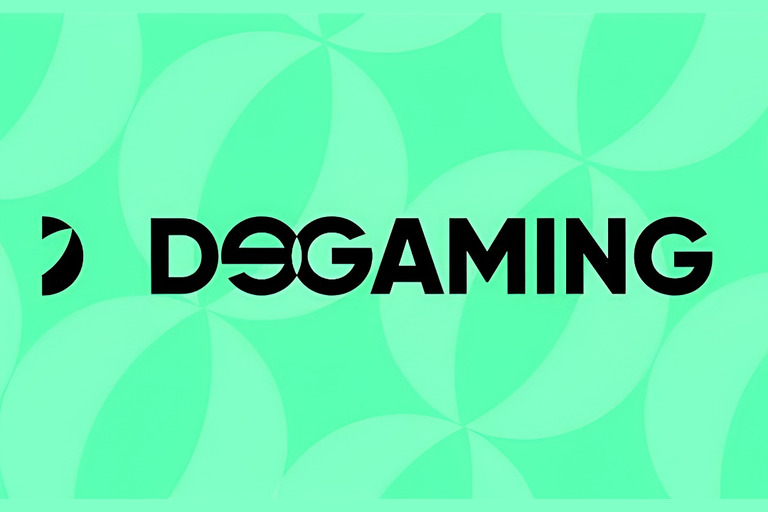
DeGaming has unveiled a new brand identity built around the “Truth Beats Trust” ethos, presenting the update as a further expression of its approach to transparent and verifiable iGaming infrastructure. The announcement was made on 25 September 2026.
The Web3-native iGaming platform provider said the rebrand is intended to reinforce its focus on infrastructure where key platform activity can be observed and verified rather than relying solely on conventional trust-based processes. DeGaming’s current website also presents “Truth Beats Trust” as a central part of its positioning and describes its Glass Vault architecture as an on-chain verification layer for activity, balances and payouts.
DeGaming puts transparency at the centre of its identity
The refreshed identity forms part of DeGaming’s wider effort to communicate how it approaches the technical foundations of Web3 iGaming. Rather than treating transparency as a marketing feature added after the core platform has been developed, the company says it is intended to be embedded within the infrastructure itself.









DeGaming describes the conventional approach as a “black box model”, a term the company uses to characterise systems where users may have limited visibility into underlying mechanics, balances or transaction records. The company’s stated alternative is infrastructure that is “transparent by design.”
This distinction is important in the context of digital gaming platforms, where operators need to manage player accounts, transactions, game activity, payments and reporting across increasingly complex environments. A platform architecture that makes selected activity independently verifiable can provide a different operational framework from systems where information is primarily available through internal databases and operator-controlled reporting.
The company’s own materials describe DeGaming as a Web3 crypto iGaming platform provider in which bets, payouts and player incentives are processed on-chain and are intended to remain independently verifiable.
Glass Vault remains central to the DeGaming strategy
At the core of the new identity is DeGaming’s proprietary Glass Vault model. According to the company, the architecture is designed so “mechanics, outcomes and proof points are observable, auditable and open.”
The concept extends beyond the presentation of financial information. DeGaming says its Glass Vault infrastructure records financial events such as deposits, bets, wins, withdrawals and incentives on-chain. Its stated objective is to give relevant stakeholders a way to verify activity without depending exclusively on information supplied by an operator.
The company has previously described Glass Vault as a structural component of its platform rather than a standalone feature. Its published technical material explains that the architecture combines conventional operational infrastructure with an on-chain record for financial activity.
For operators, the approach can also have implications for reporting and settlement workflows. DeGaming says its turnkey environment combines game access, player account management and reporting within a unified operational engine. It also states that its platform supports web, mobile and Telegram environments through the same verification and payout framework.
A visual identity designed around visibility
The visual component of the rebrand is intended to reinforce the same principle. DeGaming said its new design features a central motif of “a glass marble featuring a cat’s eye interior.”
According to the company, that image represents an “all-seeing” platform in which “nothing is hidden or obscured.” The symbolism connects the visual language of the brand directly with the company’s technology narrative, placing visibility and verification at the centre of its public presentation.
The identity therefore serves a broader purpose than simply introducing updated graphics. It is designed to communicate a particular infrastructure philosophy to operators, players and industry stakeholders as the company positions itself within the developing Web3 iGaming segment.
Ulle Skottling leads the company’s transparency message
DeGaming’s chief executive officer, Ulle Skottling, is a central figure in communicating the company’s strategy. His appointment as CEO was announced in May 2026 alongside the launch of DeGaming’s Web3 iGaming platform. Public industry information identifies him as the company’s CEO and records previous senior roles at Videoslots, NetEnt and RAW iGaming.
In the statement accompanying the latest identity announcement, Skottling said: “Truth is evidence. Players don’t need to trust what they can verify. Through DeGaming, they can independently check balances, transactions and payouts. For too long, the industry has run on what players can’t see, so we’re building one where you can.
“Our new identity reflects this fundamental belief that iGaming must be transparent and verifiable to remain sustainable. Our entire brand is built for Next Era operators, including Web2 brands ready for what comes next, along with new entrants building transparent platforms from the ground up.”
The wording places the emphasis on evidence and verification rather than making broad claims about the conduct of other businesses. This distinction is particularly relevant in a highly regulated sector where technical transparency, licensing status, customer protection and compliance are separate considerations.
Transparency does not replace regulatory obligations
The DeGaming rebrand is primarily a statement about infrastructure and brand positioning. It does not, by itself, determine whether a particular operator or gaming service complies with the regulatory requirements applicable in a specific jurisdiction.
That distinction is important for businesses assessing Web3 iGaming technology. Regulatory authorities can impose requirements covering customer funds, technical standards, identity verification, anti-money laundering procedures, responsible gambling measures and disclosure obligations. The UK Gambling Commission, for example, sets licence conditions covering customer funds, payments, anti-money laundering and customer identity verification for relevant licensees.
The international regulatory environment is also continuing to evolve as online gambling becomes more interconnected with digital payments and virtual assets. In September 2026, the Financial Action Task Force published updated risk indicators concerning gaming and gambling, highlighting financial crime risks associated with online platforms, payment channels and virtual assets.
For that reason, an on-chain architecture can be considered one component of a wider compliance and governance framework rather than a substitute for licensing or regulatory oversight.
A positioning strategy for Web2 and Web3 operators
DeGaming is presenting the refreshed identity to both established Web2 brands and businesses being developed specifically for Web3. The company says its platform is designed to provide a ready-to-deploy operating environment while retaining the transparency principles associated with its Glass Vault architecture.
Its current platform materials describe turnkey and white-label solutions, built-in operational tools and access to a broad game catalogue. DeGaming also promotes unified infrastructure across several digital channels.
The broader significance of the rebrand is therefore tied to how DeGaming wants prospective clients to understand its technology. The company is not simply presenting a new visual identity. It is using the “Truth Beats Trust” message to connect its brand, infrastructure model and product strategy around the concept of verifiability.
What the rebrand means for the company
For DeGaming, the new identity creates a clearer connection between its public branding and its underlying technology proposition. Glass Vault provides the technical narrative while “Truth Beats Trust” provides the central message through which that proposition is communicated.
The approach also reflects the increasing importance of measurable evidence in digital financial systems. For gaming operators working with cryptocurrencies and other blockchain-based systems, transaction visibility can be relevant to treasury management, player communications and operational reporting.
At the same time, the practical value of any infrastructure depends on implementation, governance, security controls and compliance with the laws of the markets in which an operator conducts business. Transparency can support accountability, but it must operate alongside appropriate regulatory safeguards.
Conclusion
DeGaming’s latest identity places verification at the centre of its corporate message and gives the company a clear framework for communicating the role of its Glass Vault architecture. By linking its visual language with an on-chain approach to platform activity, DeGaming is seeking to differentiate its Web3 iGaming infrastructure through visibility rather than relying on trust as an abstract concept.
The “Truth Beats Trust” positioning also gives the company a defined narrative for engaging established Web2 operators and newer businesses exploring blockchain-based gaming. Whether that proposition becomes meaningful at scale will depend on how the underlying technology performs in live environments, how transparency is implemented in practice and how operators meet the regulatory requirements applicable to their markets.
For an industry increasingly shaped by digital payments, blockchain infrastructure and heightened expectations around financial visibility, DeGaming’s rebrand signals a continued focus on making verification part of the architecture itself. The company’s next phase will therefore be measured not only by the strength of its new identity but by how effectively its infrastructure translates that stated principle into practical and independently verifiable operations.
FAQs
What is DeGaming?
DeGaming is a Web3-native iGaming platform provider focused on blockchain-based infrastructure, transparent operations and on-chain verification of relevant gaming and financial activity.
What does “Truth Beats Trust” mean for DeGaming?
“Truth Beats Trust” is the central message of DeGaming’s current brand identity. The company uses it to describe an approach where platform information can be verified rather than accepted solely on trust.
What is Glass Vault?
Glass Vault is DeGaming’s proprietary infrastructure model. The company describes it as an on-chain verification layer through which balances, transactions and payouts can be made observable and independently verifiable.
Who is Ulle Skottling?
Ulle Skottling is the CEO of DeGaming. He was appointed to the role in 2026 when the company announced the launch of its Web3 iGaming platform.
What does DeGaming’s new identity represent?
The new identity represents DeGaming’s emphasis on transparency, verifiability and infrastructure designed around visible platform activity. Its visual concept is also intended to communicate those principles.
Can players independently verify activity through DeGaming?
DeGaming says its infrastructure allows players to independently check information such as balances, transactions and payouts where those records are available through its on-chain systems.
Does blockchain infrastructure automatically make an iGaming platform compliant?
No. Blockchain technology does not by itself establish regulatory compliance. Operators must still satisfy the licensing, AML, customer protection, identity verification and responsible gambling requirements applicable in each relevant jurisdiction.
Does DeGaming support different digital platforms?
DeGaming states that its infrastructure supports web, mobile and Telegram environments through a unified verification and payout engine.
Is DeGaming designed only for new Web3 businesses?
No. DeGaming states that its proposition is intended for both new Web3 entrants and established Web2 brands preparing to adopt Web3 infrastructure.
Why is transparency becoming important in Web3 iGaming?
Transparency can provide additional visibility into transactions and platform activity. In markets involving online gambling and virtual assets, regulators are also paying increasing attention to financial crime risks, customer funds and transaction monitoring.

Ash
I like to keep it short. I am a writer who also knows how to rhyme his lines. I can write articles, edit them and also carve out some poetic lines from my mind. Education B.A. - English, Delhi University, India, Graduated 2017.
Related Posts

Fast Track launches native Fast Track AI app for iPhone business users
September 25, 2026

Wazdan partners with Games Valley to expand access to its game portfolio
September 25, 2026
EveryMatrix powers Danske Licens Spil casino platform launch in Denmark
September 25, 2026

GR8_TECH rebuilds frontend architecture for faster iGaming performance
September 24, 2026
Digitain introduces We Know the Player concept for player-focused iGaming
September 24, 2026

Bettortainment launches Bettortainment Hub for live sportsbook engagement
September 23, 2026

Fast Track launches True Value for more informed player value decisions
September 23, 2026

THNDR opens its platform to third-party studios for expanded skill games
September 23, 2026

Alea returns to SBC Summit Lisbon with nominations and live activation
September 22, 2026