

















Netherlands’ Online Casinos Under Scrutiny
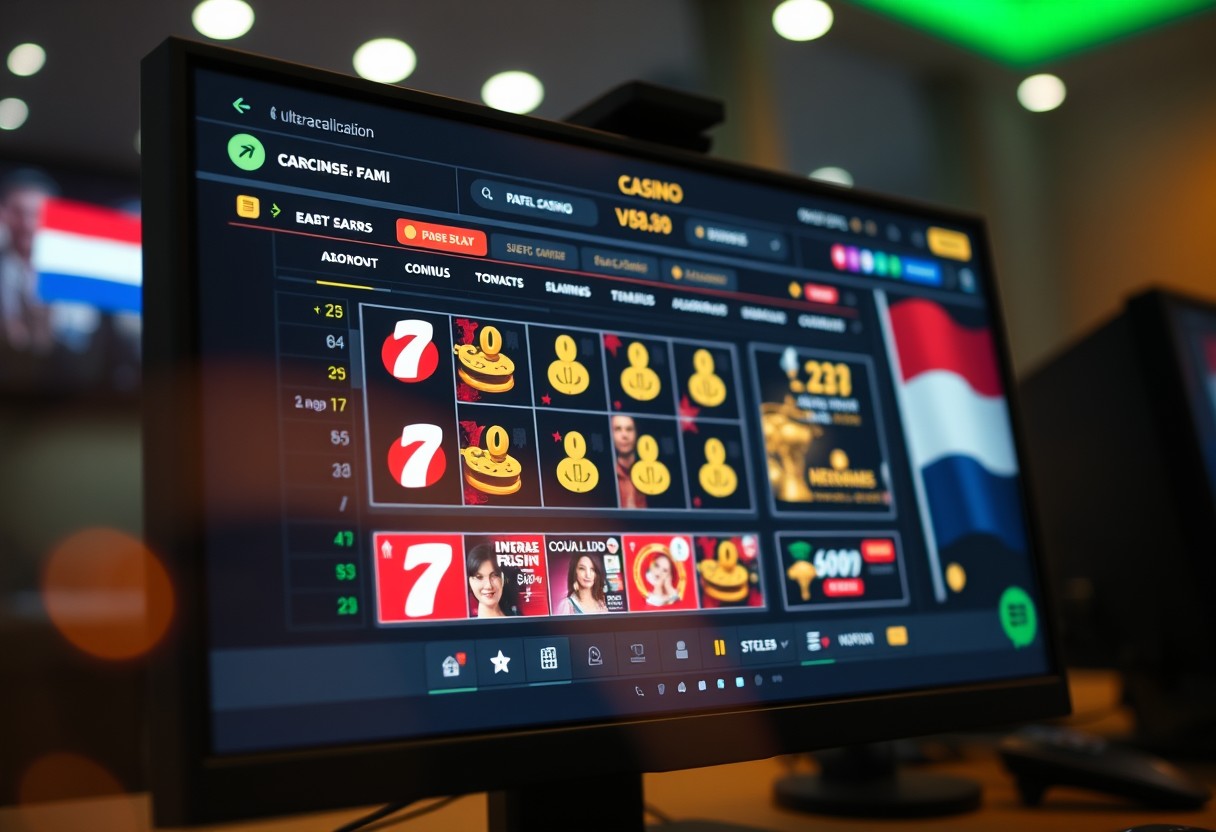
With the recent shifts in regulatory frameworks, the landscape of online casinos in the Netherlands is undergoing significant scrutiny. As the Dutch government implements new measures aimed at ensuring fair play and consumer protection, operators and players alike must navigate a transforming environment. This blog post explores into the latest developments affecting online gambling, examining new regulations, enforcement actions, and the future implications for both players and operators in this evolving industry.
Current Landscape of Online Casinos in the Netherlands
A rapidly evolving environment characterizes the online casino landscape in the Netherlands, particularly following the introduction of the Remote Gambling Act in 2021. This legislation opened the market to licensed operators, leading to increased competition. While established European brands have entered the market, many local operators are also emerging, catering to a diverse population eager to explore online gaming options. As players become more discerning, regulatory oversight is crucial to ensure a fair and responsible gambling environment.
Regulatory Framework
Netherlands has implemented a comprehensive regulatory framework for online casinos, primarily governed by the Kansspelautoriteit (KSA), the Dutch Gambling Authority. This regulatory body ensures that operators comply with legal requirements, focusing on player protection, responsible gambling, and transparency. The Remote Gambling Act serves to establish legal online gaming options while combating unlicensed operators, thus promoting a safer gambling landscape for Dutch residents.








Popularity and User Demographics
Netherlands has witnessed a significant rise in online casino popularity, with diverse demographics participating in online gaming. The advent of online platforms has attracted a younger audience, particularly those aged 18 to 35, who seek convenient access to gaming. This shift also reflects changing attitudes toward gambling, with more players favoring digital over traditional casino experiences. Additionally, the growing acceptance of online gaming as an entertainment source continues to fuel this trend.
With the proliferation of smartphones and improved internet accessibility, a wide range of users, including both novice and experienced gamblers, has embraced online casinos. The demographic landscape is not limited to age; players from various socio-economic backgrounds are now enjoying the thrill of online gaming. Furthermore, the integration of diverse payment methods and innovative gaming technology has made online casinos more appealing to a broader audience, enhancing engagement and user experience.
Recent Changes in Legislation
Some significant changes in the Netherlands' gambling legislation have emerged, focusing on the regulation of online casinos. The newly implemented law aims to create a safer environment for players while ensuring that the gambling industry operates within a legal framework. These updates address issues like advertising restrictions, consumer protection, and licensing requirements, making it a crucial period for both players and operators.
Updates on Gambling Laws
Laws have recently evolved to establish a more robust regulatory framework for online gambling in the Netherlands. The Remote Gambling Act, which came into effect in 2021, mandates that all online gambling operators must obtain a license to operate legally. This shift aims to combat illegal online gambling activities and enhance player protection while generating tax revenues for the government.
Impacts on Operators
On the operational side, the changes in legislation will require both existing and new operators to adapt quickly to maintain compliance with the new regulations. Any failure to secure a license can lead to hefty fines or even a ban from the market.
The regulatory changes bring significant challenges for operators, necessitating investments in compliance measures, audit processes, and systems to ensure responsible gambling practices. Non-compliance could risk their market position and reputation, making it necessary for operators to stay informed and proactive in adapting to these new legal requirements.If implemented effectively, this legal framework could lead to greater industry transparency and improved player experiences in the long run.
Consumer Protection Measures
Little has changed in the way of consumer protection measures as the Netherlands' online casinos face increased scrutiny. Authorities are stepping up regulations to ensure that players are better protected against fraud, underage gambling, and other potential risks. This evolving landscape aims to create a safer and more transparent online gaming environment, fostering trust and security among consumers. As these measures unfold, players can expect enhanced resources and support systems designed to promote responsible gaming practices.
Responsible Gambling Initiatives
An important aspect of consumer protection in the Netherlands involves implementing responsible gambling initiatives. These programs focus on educating players about the risks of gambling and providing tools to manage their gaming behavior. Features such as self-exclusion options, deposit limits, and access to helplines are now more prevalent, helping to ensure that individuals gamble within their means while promoting overall well-being.
Security and Fair Play Regulations
Consumer protection also extends to security and fair play regulations, which are paramount in maintaining player trust and integrity in online gaming.
The Netherlands is actively reinforcing its security and fair play regulations to create a trustworthy gambling environment. This entails stringent licensing standards for online operators, ensuring they implement robust security measures such as encryption technology to protect players' personal information. Furthermore, fair play regulations require that games are tested for randomness and fairness, providing players with assurance that they have a fair chance of winning. These efforts are critical in nurturing a safe space for consumers while promoting accountability within the industry.
Challenges Facing Online Casinos
Now that the Netherlands has tightened its regulations surrounding online gambling, licensed operators must navigate a myriad of challenges. As the market evolves, they are confronted with issues such as compliance with stringent guidelines, maintaining player trust, and effectively marketing their services in a competitive landscape. The pressure is on for these establishments to adapt quickly while ensuring that they uphold the law and provide a safe gaming environment for players.
Licensing Issues
On face value, obtaining a license in the Netherlands appears straightforward. However, the process is fraught with complexities, including rigorous background checks, financial audits, and adherence to the country's robust regulatory framework. These challenges can deter many potential entrants from securing a license, leaving the market vulnerable to issues such as fraud and poor consumer protection.
Competition with Unlicensed Operators
Facing a surge of unlicensed operators that offer enticing promotions and lack the regulatory constraints of licensed casinos, legal online gaming establishments find themselves at a competitive disadvantage. These unregulated sites often attract players with attractive bonuses, emphasizing the need for licensed casinos to develop innovative marketing strategies to retain players while ensuring compliance with the law.
Operators are increasingly concerned about the appeal of unlicensed sites, which pose a significant challenge to their market share. Unregulated competitors can offer higher payouts and attractive bonuses without adhering to the same strict regulations, making it difficult for licensed casinos to match these offers. This creates an environment where players may prioritize immediate rewards over the long-term security and fairness provided by licensed operators, raising concerns about the integrity and sustainability of the legal sector.
The Role of Regulatory Bodies
For the Netherlands' online casino market, regulatory bodies play a crucial role in ensuring compliance and integrity. These entities are tasked with defining the legal framework, issuing licenses, and monitoring operators to safeguard players. Their function goes beyond legislation, promoting responsible gaming and protecting consumers from fraudulent practices, thus maintaining trust in the industry.
Implementation of New Policies
Bodies responsible for regulating online casinos in the Netherlands are actively implementing new policies aimed at creating a safer and more transparent environment. These policies address various aspects, including age verification, consumer protection, and the prevention of gambling addiction. As part of their commitment to fostering a fair gaming landscape, regulators have introduced strict requirements for operator licensing and ongoing audits.
Monitoring and Enforcement Strategies
To maintain the integrity of the online gambling sector, regulatory bodies employ a range of monitoring and enforcement strategies. This includes regular audits and inspections of licensed operators to ensure adherence to the established rules and standards, as well as the investigation of irregular activities.
For instance, regulators utilize sophisticated data analysis techniques to identify patterns of suspicious activity and potential non-compliance among online casinos. They may impose fines or revoke licenses when operators fail to meet regulatory standards. Additionally, consumer complaints are taken seriously, with comprehensive assessments conducted to address player concerns, ensuring ongoing accountability in the industry.
Future Outlook for Online Gambling
Despite recent regulatory scrutiny, the Netherlands' online gambling landscape is poised for significant transformation. As the government adapts to technological advancements and changing consumer preferences, we can expect a more structured and competitive market that prioritizes player safety and responsible gaming. The focus on compliance will likely lead to enhanced consumer protection measures, fostering a healthier gambling environment.
Trends and Consumer Behavior
Future trends in online gambling indicate a shift toward greater personalization and accessibility. Players are increasingly leaning towards mobile gaming options and immersive experiences, driven by advancements in technology. Additionally, the demand for live dealer games and interactive platforms is shaping how operators engage with consumers, ultimately redefining the online gambling experience.
Forecast for Regulatory Changes
Forecasts suggest that regulatory changes in the Netherlands will evolve as market dynamics shift. Authorities are likely to implement stricter guidelines focused on consumer protection, responsible gambling practices, and transparency in operations. These reforms aim to establish a balanced framework that encourages healthy competition while safeguarding players' interests.
Plus, with ongoing assessments of current regulations, we may see the introduction of new licensing requirements and tax structures, fostering a more sustainable environment for operators. The government is expected to consult more extensively with industry stakeholders to create a regulatory framework that addresses emerging challenges and opportunities. Enhanced data sharing and compliance measures could also play a crucial role in shaping how online gambling operates in the future.
Final Words
As a reminder, the scrutiny surrounding online casinos in the Netherlands indicates significant regulatory changes aimed at ensuring player safety and responsible gaming practices. The ongoing evolution of legislation and enforcement will likely impact both operators and players, promoting a more transparent and secure gambling environment. Stakeholders must stay informed about these developments as they can reshape the landscape of online gaming in the Netherlands, influencing market dynamics and consumer protection measures in a rapidly digitalized world.
FAQs
What is the Remote Gambling Act in the Netherlands?
The Remote Gambling Act, implemented in 2021, regulates online casinos in the Netherlands, requiring operators to obtain a license to offer services legally.
How does the Dutch government protect online casino players?
The government focuses on player protection through regulations enforced by the Kansspelautoriteit (KSA), promoting transparency and responsible gambling practices.
What challenges do online casinos face under the new regulations?
Licensed operators must navigate strict compliance requirements, maintain player trust, and compete with unlicensed operators that offer enticing promotions.
Who regulates online gambling in the Netherlands?
The Kansspelautoriteit (KSA) is the regulatory body overseeing online casinos, ensuring compliance with legal standards and promoting fair play.
What measures are in place for responsible gambling?
Initiatives include self-exclusion options, deposit limits, and educational resources to help players manage their gambling behavior responsibly.
How has online casino popularity changed in the Netherlands?
The popularity of online casinos has surged, particularly among younger audiences aged 18 to 35, reflecting a shift towards digital gaming experiences.
What are the implications of licensing for new operators?
New operators must navigate complex licensing processes, including background checks and financial audits, to legally operate in the Netherlands.
How does competition with unlicensed operators impact the market?
Unlicensed operators attract players with higher payouts and bonuses, posing a significant challenge to licensed casinos in retaining their customer base.
What future trends are expected in online gambling?
Trends indicate a shift towards mobile gaming and immersive experiences, with increasing demand for live dealer games and interactive platforms.
What is the future outlook for online gambling regulations in the Netherlands?
Regulatory changes are expected to evolve, focusing on stricter consumer protection guidelines, responsible gambling practices, and enhanced transparency.

Lela
I have over 10 years' experience proofreading and editing where spelling and grammar were paramount. This includes newspaper publication and designing advertisements. I personally write all my articles.This allows me to do in-depth research and provide premium content.
Related Posts


Scalara Labs launches casino platform with AI and no-code operator control
September 30, 2026

Brazil betting ban faces legal challenge as operators assess impact
September 29, 2026

VNLOK takes Meta to court over illegal gambling ads in the Netherlands
September 29, 2026

Brazil blocks 506 betting websites as authorities expand online enforcement
September 28, 2026

Brazil bans online betting nationwide as Lula signs a provisional measure
September 26, 2026