MGA’s Role in Malta’s AML Compliance
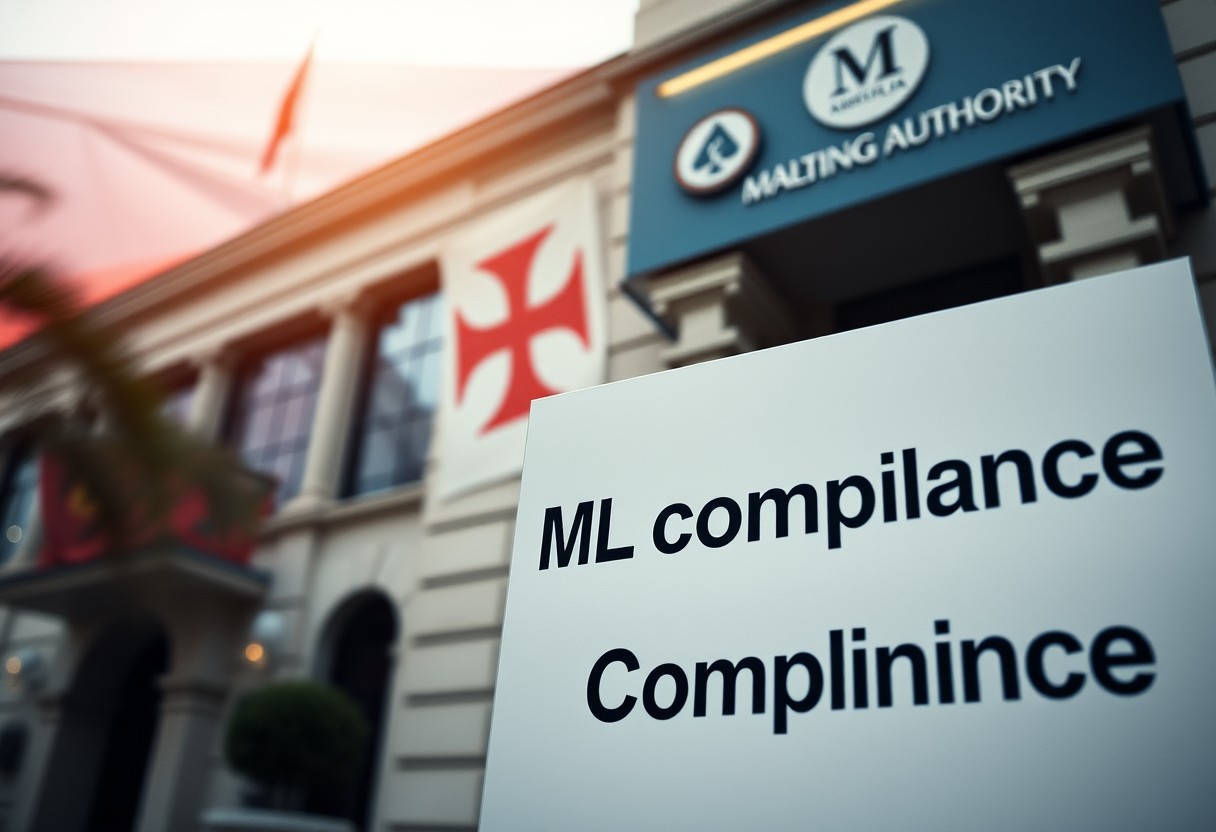
Over recent years, Malta has emerged as a prominent hub for online gaming and financial services, necessitating robust measures for Anti-Money Laundering (AML) compliance. In this landscape, the Malta Gaming Authority (MGA) plays a crucial role in enforcing regulations aimed at curbing illicit financial activities. However, questions arise regarding the effectiveness of the MGA's oversight mechanisms and whether they can adequately ensure AML compliance across the industry. This blog post investigates into the complexities surrounding AML regulations in Malta and assesses the authority's capacity to implement them effectively.
Overview of AML Compliance in Malta
Amid increasing global scrutiny of anti-money laundering (AML) practices, Malta has established a robust framework aimed at combating financial crime. The island nation has initiateed on significant reforms to enhance its AML compliance, primarily driven by the growing demands of international standards and the European Union's regulatory landscape. These efforts focus on ensuring that financial institutions adhere to stringent guidelines, promoting a culture of compliance within the sector. As Malta positions itself as a reputable hub for business and finance, the importance of effective AML measures cannot be overstated.
Legal Framework
With a comprehensive legal structure in place, Malta aims to address the challenges posed by money laundering and related financial crimes. The primary legislation governing AML in Malta includes the Prevention of Money Laundering Act and the Implementing Procedures issued by the Financial Intelligence Analysis Unit. Together, these laws and regulations stipulate the responsibilities of reporting entities and outline the procedures for effective monitoring and enforcement, thus contributing to a solid foundation for AML compliance.








Role of Regulatory Bodies
Bodies responsible for ensuring AML compliance in Malta include the Financial Intelligence Analysis Unit (FIAU) and the Malta Gaming Authority (MGA). These organizations play crucial roles in monitoring and enforcing compliance among various sectors, particularly in finance and gaming. By implementing rigorous guidelines and conducting regular audits, these regulatory bodies strive to uphold Malta's reputation as a secure and compliant jurisdiction.
It is vital for stakeholders in Malta's financial and gaming sectors to understand the pivotal roles of the FIAU and MGA. These bodies are vested with the authority to conduct investigations, impose sanctions, and implement corrective measures when entities fail to comply with AML regulations. Additionally, they provide valuable guidance and support to organizations aiming to enhance their compliance frameworks. The ongoing efforts of these regulatory bodies reflect a commitment to fostering an environment where AML measures are taken seriously, reinforcing Malta's standing in the global financial arena.
The Role of the Malta Gaming Authority (MGA)
Some key regulatory responsibilities of the Malta Gaming Authority (MGA) include overseeing gaming operators, ensuring compliance with laws, and protecting players' rights. The MGA strives to maintain a robust regulatory framework that strengthens Malta's reputation as a safe and reputable gaming jurisdiction. Through its efforts, the MGA aims to foster a gambling environment that is fair, transparent, and in line with international standards.
MGA's Mandate and Responsibilities
One of the primary mandates of the Malta Gaming Authority is to regulate and license gaming operators in Malta. This involves ensuring that they adhere to local and international regulations, including anti-money laundering (AML) laws. She is tasked with monitoring compliance, conducting regular audits, and imposing penalties when necessary to maintain industry integrity.
Recent Initiatives
For the purpose of enhancing AML compliance, the MGA has recently launched several initiatives aimed at strengthening oversight and mitigating risks associated with money laundering. These initiatives include updated guidelines for operators and increased collaboration with law enforcement agencies.
Another noteworthy initiative involves comprehensive training programs designed for gaming operators. The MGA has instituted workshops and seminars that emphasize the importance of AML practices, equipping stakeholders with the necessary tools to identify and report suspicious activities effectively. By fostering a culture of compliance, the MGA hopes to reduce the potential for financial crimes within the gaming sector and enhance the overall integrity of Malta's gaming landscape.
Challenges in Enforcing AML Compliance
Any attempt to enforce AML compliance in Malta is hampered by various challenges. These issues range from regulatory ambiguity to the dynamic nature of money laundering schemes. The complexity of international finance and the rapid evolution of online gambling further complicate the ability of the Malta Gaming Authority (MGA) to implement robust mechanisms for AML compliance, testing their resolve and effectiveness in addressing these persistent challenges.
Industry Resistance
An entrenched sense of skepticism regarding AML regulations exists within the gaming industry. Many operators view compliance as a burdensome expense rather than an necessary element of corporate responsibility. This resistance can manifest in varying degrees, creating gaps in adherence and undermining the overall effectiveness of AML frameworks.
Resource Limitations
Enforcing AML compliance is further complicated by limitations regarding available resources. The MGA often faces constraints in terms of staff, funding, and technology, which affect its capacity to conduct comprehensive audits and investigations. This scarcity hinders timely updates and adaptations to emerging threats in the money laundering landscape.
Plus, these resource limitations create a persistent cycle of underperformance in AML compliance efforts. As the MGA struggles to keep pace with evolving compliance needs, the industry continues to innovate in ways that may outstrip regulation capabilities. Insufficient training and a lack of up-to-date tools further compound the issue, leading to gaps in oversight that could potentially foster environments conducive to illicit activities.
Comparative Analysis of AML Practices
Unlike other jurisdictions, Malta presents a unique landscape for AML compliance. The Maltese Gaming Authority (MGA) must navigate challenges in aligning with international regulations. The following table outlines key features of AML practices in Malta compared to selected jurisdictions.
| Jurisdiction | AML Compliance Features |
|---|---|
| Malta | Focused on gaming sector, less transparency in implementation. |
| UK | Robust regulations, comprehensive risk assessments, high enforcement. |
| Germany | Strong regulatory framework, rigorous monitoring and auditing. |
| Singapore | Integrated systems, high penalties for non-compliance, proactive measures. |
Benchmarks Against Other Jurisdictions
On assessing Malta's AML practices against more established jurisdictions, she identifies significant gaps in regulatory enforcement and transparency. These benchmarks highlight the crucial areas where the MGA may need improvement to align with global standards.
Best Practices
Best practices in AML compliance emphasize a proactive approach in risk management. He advocates for continuous staff training, auditing procedures, and a thorough understanding of the emerging threats within the gaming sector.
Against this backdrop, the implementation of best practices involves a holistic strategy encompassing risk assessment frameworks, the establishment of clear reporting channels, and the integration of technology to monitor transactions. They should ensure AML protocols are not just checkbox exercises but are ingrained in the organizational culture, promoting a mindset of compliance throughout all levels in the gaming industry. This will enable the MGA to effectively mitigate risks and respond to the evolving money laundering threats.
The Impact of Non-Compliance
Not adhering to AML regulations can have severe repercussions for gaming companies in Malta. Non-compliance can result in operational restrictions or, in extreme cases, the revocation of licenses. This not only affects the financial stability of the entities involved but can also deter potential investors and partners from entering the Maltese market. A lack of robust compliance measures can ultimately weaken the integrity of the gaming sector as a whole.
Reputational Risks
Impact of non-compliance extends beyond financial implications; it fundamentally damages a company's reputation. Stakeholders, including customers, partners, and regulators, may lose trust in an organization perceived as unable to manage its compliance obligations. This tarnished reputation can lead to a decline in customer base and trust, considerably affecting the long-term viability of the business.
Financial Penalties
One critical consequence of non-compliance is the imposition of substantial financial penalties, which can severely impact a company's balance sheet. Regulatory authorities in Malta have the power to levy heavy fines on organizations found guilty of violating AML laws, creating a financial burden that can be hard for companies to recover from.
Plus, these financial penalties often come with ongoing costs related to remedial measures and potential legal expenses. Companies might need to invest in enhanced compliance training, systems upgrades, or additional personnel to address the shortfalls identified during investigations. Moreover, such financial strains can lead to reduced profitability, forcing businesses to reassess their operational strategies and objectives while navigating a more challenging market landscape.
Future Directions for AML Compliance in Malta
Many stakeholders in Malta's gaming sector are optimistic about the future of AML compliance as they anticipate stricter regulations and more robust enforcement mechanisms. The collaboration between regulatory bodies and industry participants will be paramount, enabling a unified approach to combating money laundering effectively. This collective effort is expected to elevate Malta's reputation as a secure and compliant hub for gaming operations, ultimately fostering a safer environment for both operators and players.
Proposed Legislative Changes
One major focus for the Maltese government is the introduction of legislative changes aimed at enhancing AML frameworks. These changes are intended to close existing gaps in compliance and ensure that all operators adhere to the highest international standards. By aligning local regulations with global best practices, they hope to mitigate risks associated with money laundering and maintain Malta's viability as a competitive gaming jurisdiction.
Technological Innovations
With rapid advancements in technology, Malta's gaming regulatory authorities are increasingly looking to integrate innovative solutions for AML compliance. These tools not only enhance monitoring capabilities but also streamline reporting processes, making it easier for operators to comply with regulations.
Technological solutions, such as artificial intelligence and machine learning, enable real-time transaction monitoring and anomaly detection, providing regulators with insights that are immediately actionable. By harnessing these technologies, they can significantly improve the efficiency and effectiveness of AML measures, helping to protect the integrity of Malta's gaming industry. Moreover, leveraging blockchain technology can offer transparency and traceability in transactions, which are critical components in fighting money laundering. As the industry evolves, the embrace of such innovations will be vital for meeting future compliance challenges.
To wrap up
Drawing together the complexities surrounding AML compliance in Malta, it becomes evident that the Malta Gaming Authority (MGA) faces considerable challenges in effectively enforcing regulations. While they have implemented robust frameworks to combat money laundering, external factors such as rapid technological advancements and the evolving nature of financial crimes complicate their efforts. He, she, and they must recognize that ongoing vigilance, collaboration with stakeholders, and adaptation to emerging risks are crucial for the MGA to strengthen its enforcement capabilities and ensure a safer gaming environment in Malta.
FAQs
What is the role of the Malta Gaming Authority (MGA) in AML compliance?
The MGA regulates gaming operators in Malta, ensuring they comply with AML laws and maintain a secure gaming environment.
What are the main laws governing AML in Malta?
The primary legislation includes the Prevention of Money Laundering Act and the Implementing Procedures from the Financial Intelligence Analysis Unit (FIAU).
How does Malta's AML compliance framework compare to other jurisdictions?
Malta's AML practices focus on the gaming sector and exhibit less transparency than those in jurisdictions like the UK and Germany.
What challenges does the MGA face in enforcing AML regulations?
The MGA encounters regulatory ambiguity, industry resistance, and resource limitations, impacting its compliance enforcement capabilities.
What initiatives has the MGA implemented to enhance AML compliance?
Recent initiatives include updated guidelines for operators, collaboration with law enforcement, and training programs for stakeholders.
What are the consequences of non-compliance with AML regulations in Malta?
Non-compliance can lead to operational restrictions, financial penalties, and damage to a company's reputation.
Why is stakeholder collaboration important for AML compliance in Malta?
Collaboration among regulatory bodies and industry participants is crucial to creating a unified approach against money laundering.
How does technology play a role in AML compliance efforts?
Technological innovations, like AI and blockchain, enhance monitoring capabilities and streamline reporting processes for AML compliance.
What are the future directions for AML compliance in Malta?
Future directions include stricter regulations, proposed legislative changes, and the integration of technological solutions to improve compliance.
How can gaming operators improve their AML compliance?
Operators can enhance compliance through continuous staff training, thorough risk assessments, and the establishment of clear reporting channels.

Michael Schmitt
Michael Schmitt is the founder of TRIDER.UK and Editor of Malta Media. He writes about iGaming, gambling regulation, corporate structures, financial services and market integrity, combining investigative journalism with nearly three decades of experience in corporate services and international business.
Related Posts

Felix Gaming Enters a New Chapter with MGA License
September 10, 2026

Inpay faces Danish restriction on new online gambling clients over AML
September 4, 2026
GAMOMAT secures Malta licence to expand regulated game supply in Europe
September 1, 2026



SBC Summit adds Global Payment Compliance track for 2026
August 13, 2026