EU Bank Freezes Linked to Crypto-Gambling Transfers
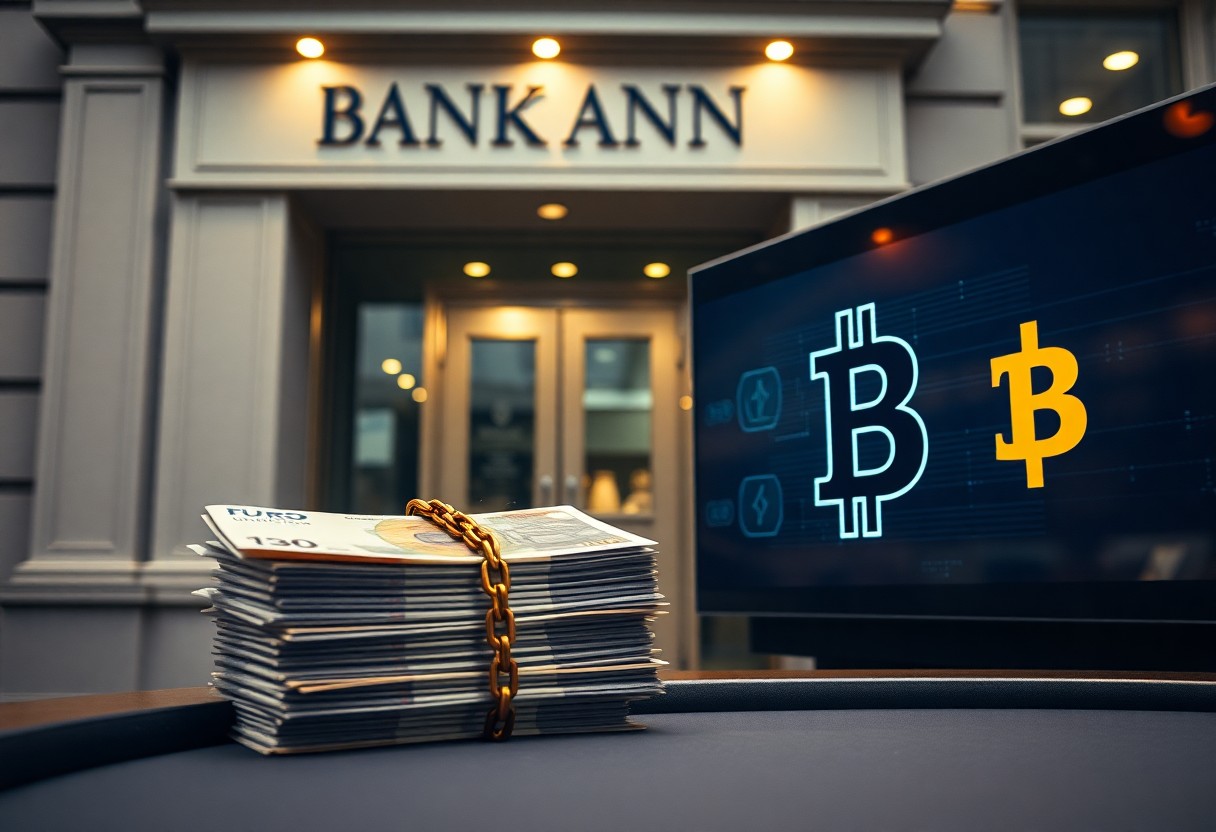
Bank authorities across the European Union are increasingly implementing freezes on accounts connected to crypto-gambling transactions. This rise in scrutiny is tied to the intersection of digital assets and online gambling, raising concerns over money laundering and regulatory compliance. As cryptocurrencies become more integrated into the betting landscape, banks are adapting their policies to mitigate risks and safeguard financial systems. This blog post examines the implications of these measures for consumers and the evolving dynamics of the banking and gambling sectors.
The Surge of Crypto-Gambling Transfers in the EU
The rapid rise of crypto-gambling transfers in the EU reflects a burgeoning trend as more individuals opt for anonymous and efficient ways to engage in online betting. With cryptocurrency's inherent advantages—such as fast transactions and lower fees—gamblers are increasingly turning to digital assets. A recent report highlighted that the volume of crypto-related gambling transactions surged by over 200% in the past year, pushing banks to scrutinize these transfers more carefully and implement account freezes to mitigate potential risks.
The Growth of Online Gambling Platforms
Online gambling platforms have proliferated in recent years, fueled by technological advancements and a shift in consumer behavior. The market, valued at approximately €51 billion in 2022, is projected to grow significantly, attracting a new demographic of players seeking convenience and variety from their gaming experiences. As regulations evolve to accommodate this boom, many platforms have started integrating cryptocurrency payment methods, appealing to tech-savvy users.








The Role of Cryptocurrency in Facilitating Transactions
Cryptocurrency plays a pivotal role in streamlining transactions within the online gambling ecosystem. Its decentralized nature allows for instant payments, eliminating the lengthy processing times typically associated with traditional banking. Moreover, many players appreciate the anonymity offered by crypto transactions, which provides a layer of privacy often desired in gambling activities. Major platforms like Bitcasino and FortuneJack have capitalized on this trend, boasting rapid transaction speeds and enhanced security through blockchain technology.
Regulatory Responses to Crypto-Gambling Activity
As concerns grow over the intersection of cryptocurrencies and gambling, regulatory bodies within the EU are increasingly scrutinizing crypto-gambling activities. Various countries are taking steps to establish clearer guidelines regarding the legality and oversight of gambling services that utilize cryptocurrency as a transaction method. These measures aim to promote transparency, ensure consumer protection, and mitigate risks associated with illicit activities, leading to a more secure environment for players and operators alike.
How EU Banks Are Reacting
EU banks are adapting to the regulatory landscape by implementing stricter controls on transactions related to crypto-gambling. Several financial institutions have begun to monitor and, in some cases, suspend accounts that show significant gambling-related transactions using cryptocurrencies. Some banks are also introducing additional layers of verification for customers engaged in such activities, aiming to deter money laundering and ensure compliance with existing financial regulations.
Key Legislation Impacting Transfers
Recent legislative changes in the EU are directly influencing how crypto-gambling transfers are conducted. The new regulations focus on Anti-Money Laundering (AML) and Counter-Terrorism Financing (CTF) protocols, requiring crypto exchanges and gambling platforms to conduct more thorough identity checks. This legislative shift intends to establish a more cohesive framework across member states, enabling authorities to trace the flow of funds more effectively and tackle potential fraud linked to crypto-gambling.
The European Commission's proposed revisions to the Fourth Anti-Money Laundering Directive have underscored the importance of regulating virtual currencies, pushing for stricter reporting requirements and enhanced due diligence checks. These changes are designed to standardize how EU countries handle transactions involving cryptocurrencies, particularly in the gaming sector. Initiatives like the proposed regulation indicate a collective effort to limit the risks associated with virtual currencies, particularly as they relate to gambling, ultimately paving the way for a safer financial ecosystem across the continent.
The Mechanisms Behind Bank Freezes
Bank freezes associated with crypto-gambling transfers arise from a confluence of regulatory pressure and the opaque nature of cryptocurrency transactions. Financial institutions often implement temporary freezes to safeguard against potential money laundering and compliance violations. This process typically involves a thorough examination of transaction histories and a freeze on accounts flagged for suspicious activity connected to online gambling platforms utilizing cryptocurrencies.
Compliance Challenges for Financial Institutions
Financial institutions grapple with the complexities of adhering to anti-money laundering (AML) regulations while navigating emerging crypto-gambling activities. The decentralized nature of cryptocurrencies complicates the verification of customer identities and the provenance of funds, leading to potential conflicts between regulatory compliance and the extension of services to clients involved in these transactions.
Risk Assessment and Due Diligence Procedures
Risk assessment and due diligence procedures play a pivotal role in managing the challenges presented by crypto-gambling transfers. Banks are increasingly required to implement enhanced scrutiny measures for transactions involving cryptocurrencies, often demanding greater levels of documentation and verification from clients engaged in online gambling. Such rigorous assessments ensure that financial institutions mitigate risks associated with fraudulent activities while aligning with regulatory expectations.
In practice, this involves reviewing client profiles, transaction patterns, and associated gambling sites to identify any red flags. For instance, if a customer frequently transfers substantial sums to an unregulated gambling site, a bank may seek to understand the legitimacy of this behavior. By employing advanced analytics and transaction monitoring tools, banks can enhance their ability to detect anomalies and respond proactively to potential compliance issues, fostering a more secure operating environment amid the rising tide of crypto-gambling activity.
The Implications for Users and the Financial System
Freezing bank accounts linked to crypto-gambling transfers presents significant implications for both users and the broader financial landscape. For gamblers and crypto enthusiasts, access to funds becomes restricted, leading to potential financial hardship and decreased participation in the digital gambling market. Meanwhile, financial institutions may find themselves in a precarious position, tasked with balancing regulatory compliance against customer satisfaction, while the overall economy feels the tension from altered cash flow dynamics stemming from these abrupt freezes.
The Impact on Gamblers and Crypto Users
For gamblers and crypto users, the freezing of bank accounts tied to gambling activities can lead to immediate financial distress, disrupting not only their ability to participate in gaming but also their day-to-day financial management. Many users may see their funds locked indefinitely, raising concerns about the legality of their transactions and causing anxiety in the fast-evolving landscape of digital gambling.
Broader Economic Consequences of Freezes
The broader economic consequences of these freezes can ripple throughout the financial system, impacting liquidity, consumer spending, and even market stability. As funds become trapped, gambling revenues might decline, which could lead to broader repercussions for gaming operators who depend on those transactions for revenue. Additionally, decreased consumer purchasing ability may negatively affect ancillary businesses that rely on disposable income from gamblers.
This ripple effect can significantly alter local economies, especially in regions heavily reliant on gambling revenues. For example, casinos and online gambling platforms might face increased operational stress and layoffs if their transaction flow is disrupted by stringent bank freeze policies. Moreover, as users turn away from conventional banking services in favor of decentralized cryptocurrency transactions, banks may experience diminished profits and consumer trust, leading to a gradual shift in how financial institutions operate within the evolving digital market landscape.
Navigating the Future of Crypto-Gambling Transfers
As the connection between cryptocurrency and online gambling tightens, the need for clarity in transactions becomes evident. Users must stay informed about the evolving compliance requirements and possible monetary repercussions tied to their crypto-gambling activities. Ongoing technological innovations also offer potential solutions, such as decentralized finance (DeFi) protocols that may streamline transfers while adhering to regulatory frameworks. Establishing a clear understanding of these developments will be vital for users looking to engage safely in this burgeoning space.
Best Practices for Users to Avoid Freezes
Users are encouraged to maintain detailed transaction records and use well-known, reputable exchanges to limit the chances of their funds being flagged. Staying updated on the regulations governing crypto transactions in their jurisdiction can prevent inadvertent violations. Engaging with platforms that prioritize compliance and transparency can also mitigate the risk of freezes, as these operators typically maintain robust systems to ensure lawful operations.
The Evolving Landscape of Regulation and Compliance
Regulation surrounding crypto-gambling is continually shifting, with authorities worldwide actively drafting legislation to address the unique challenges posed by cryptocurrencies. For instance, the Financial Action Task Force (FATF) has issued guidance demanding stricter know-your-customer (KYC) protocols for exchanges and virtual asset service providers. These developments reflect broader trends aimed at curbing money laundering and illicit activities within the crypto space while potentially streamlining a path for legitimate users navigating the complicated regulatory environment.
Recent case studies, such as the implementation of stricter measures in countries like Germany and France, underscore the significant impact of compliance changes on operators and users alike. Regulatory bodies are beginning to prioritize cooperation with cryptocurrency platforms to ensure that anti-money laundering (AML) standards are met, making it crucial for users to remain aware of the potential changes and adapt their practices accordingly. As a result, collaborations between crypto platforms and regulators are expected to shape a healthier, more transparent landscape for crypto-gambling in the near future.
Final Words
Hence, the increasing scrutiny of EU banks regarding crypto-gambling transfers reveals the urgent need for regulatory clarity and risk assessment in this evolving financial landscape. As digital currencies become more entwined with gambling activities, banks must enhance their compliance protocols to safeguard against illicit practices and financial instability. Ongoing dialogues among regulators, financial institutions, and the crypto industry will be imperative in establishing a balanced framework that promotes innovation while ensuring robust protection against potential abuses.

Esther
I am a professional writer with 8 years of experience in this field and I can provide you with the best-written content you can find. Education B.A. - English, George Washington University, United States, Graduated 2011.