















Malta – Your Ultimate Local Guide

Malta – Your Ultimate Local Guide should be assessed through published evidence, applicable duties and the current framework. For related analysis, read our malta travel guide coverage and consult the VisitMalta. The legal position depends on the facts and jurisdiction.
There's a wealth of hidden #gems waiting to be discovered on the stunning Mediterranean island of #Malta. From ancient temples to crystal-clear waters, this guide will provide you with insider #tips and local knowledge to ensure you make the most of your time on this beautiful archipelago. Whether you're a history buff, a foodie, or a sun-seeker, Malta has something to offer every type of traveler.
Understanding Malta
Geography and Climate: The Island Overview
A small archipelago nestled in the heart of the Mediterranean Sea, Malta is known for its rich history, stunning landscapes, and vibrant culture. The main island of Malta, along with smaller islands of Gozo and Comino, make up this picturesque nation. With its rugged coastlines, crystal-clear waters, and diverse flora and fauna, Malta offers a unique blend of natural beauty for visitors to explore.










History and Culture: A Melting Pot of Influences
Throughout its history, Malta has been influenced by various civilizations, including the Phoenicians, Romans, Moors, Knights of St. John, and the British Empire. This eclectic mix of cultures has left a lasting impact on the island's architecture, cuisine, language, and traditions. From ancient temples to medieval fortresses, Malta's historical sites are a testament to its rich and diverse heritage.
Climate
Malta enjoys a Mediterranean climate, characterized by hot, dry summers and mild, wet winters. The summer months from June to September are the most popular for tourists, with temperatures often exceeding 30°C. The island's location ensures plenty of sunshine throughout the year, making it an ideal destination for those seeking a sun-filled vacation.
To truly appreciate the beauty and history of Malta, visitors should take the time to explore its charming villages, ancient sites, and picturesque beaches. While the island offers plenty of opportunities for relaxation and leisure, it is important to stay hydrated, wear sunscreen, and be mindful of the intense sun exposure, especially during the peak summer months.
Preparing for Your Journey
Essential Travel Tips for Visiting Malta
You have decided to explore the enchanting island of Malta, and there are a few crucial travel tips to keep in mind to ensure a smooth journey. Firstly, make sure to pack sunscreen and a hat as the Mediterranean sun can be intense. Additionally, carry some cash as some local establishments might not accept cards. Don't forget to try the local cuisine, such as pastizzi and rabbit stew, to truly immerse yourself in Maltese culture.
- Sunscreen and hat are imperative for sun protection.
- Bring some cash as some places may not accept cards.
- Indulge in local cuisine for an authentic experience.
Assume that English is widely spoken and accepted in Malta, making it easier for you to communicate with the locals and navigate through the country effortlessly.
Step-by-Step Planning: From Flights to Accommodation
There's a lot to consider when planning your trip to Malta, from booking flights to finding the perfect accommodation. Research airlines that fly to Malta International Airport and book your flights well in advance to secure the best deals. Pertaining to accommodation, hotels, hostels, and rental apartments are popular options, each offering a unique experience.
| Flights: | Accommodation: |
| Research airlines and book in advance. | Choose from hotels, hostels, or rental apartments. |
| Consider connecting flights for more options. | Read reviews and check for amenities. |
This step-by-step planning process ensures that you have a stress-free journey and can focus on enjoying all that Malta has to offer. Whether you prefer the convenience of a hotel or the local experience of a rental apartment, there's something for everyone on this beautiful island.
Delving into Maltese Cuisine
For travelers seeking to explore the heart of Malta, indulging in the local cuisine is a must. Maltese food is a delightful mix of Mediterranean flavors with influences from Italy, North Africa, and the Middle East. Traditional Maltese dishes boast robust flavors, fresh ingredients, and a rich culinary history that has been shaped by the island's unique cultural blend.
Traditional Dishes and Where to Find Them
Assuming you're looking to sample authentic Maltese fare, be sure to try iconic dishes such as fenkata (rabbit stew), pastizzi (flaky pastries filled with ricotta or peas), and bragioli (beef olives stuffed with bacon, egg, and herbs). For a taste of the sea, opt for lampuki (dolphin fish) when in season or enjoy a comforting bowl of soppa tal-armla (vegetable soup).
When exploring the local food scene, visit traditional Maltese bakeries, local eateries, and family-run restaurants for an authentic experience. Some renowned spots to savor Maltese cuisine include Ta' Kris in Marsaxlokk, Palazzo Preca in Valletta, and Tal-Familja in Mgarr.
Dietary Tips for Food Lovers and Sensitive Eaters
For those with dietary restrictions or sensitivities, navigating Maltese cuisine can be a rewarding experience with the right knowledge. Maltese food is diverse and offers options for vegetarians and vegans as well. When ordering, look for dishes like bigilla (a creamy bean dip) and kapunata (Maltese ratatouille) for flavorful plant-based choices.
- Gluten-free options can be found, but it's advisable to communicate any dietary requirements clearly to the waitstaff.
- Seafood lovers will rejoice in Malta's fresh catches, but be mindful of food allergies or sensitivities. Opt for grilled fish or seafood stews over fried options.
When delving into Maltese cuisine, remember that local markets offer an array of fresh produce, cheeses, and meats for those looking to cook their meals. This can be an excellent way to savor the authentic flavors of Malta while catering to specific dietary needs.
Exploring the Archipelago
Many visitors to Malta are pleasantly surprised by the diverse offerings of this small Mediterranean archipelago. From ancient historical sites to stunning beaches and vibrant local culture, there is something for everyone to enjoy in this hidden gem of the Mediterranean.
Malta
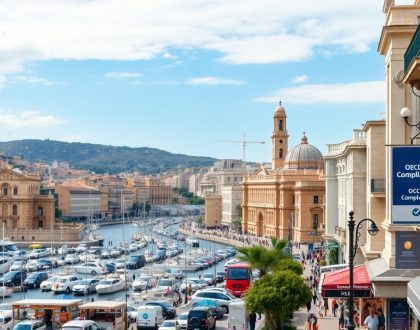
With a history dating back thousands of years, Malta is a treasure trove of historical sites waiting to be explored. Visitors can wander through the ancient fortified city of Mdina, marvel at the UNESCO World Heritage site of Valletta, and discover the mysterious megalithic temples scattered across the islands. The vibrant local culture can be experienced in the colorful fishing villages, bustling markets, and lively festivals that take place throughout the year.
Gozo and Comino
An easy ferry ride from Malta, the sister islands of Gozo and Comino offer a more tranquil and unspoiled experience. Gozo is known for its rugged landscapes, charming villages, and the iconic Azure Window. Comino, on the other hand, is a car-free paradise with crystal clear waters and the famous Blue Lagoon, perfect for snorkeling and diving enthusiasts.
Nature lovers will be delighted by the pristine beauty of Gozo and Comino. The islands are home to rare bird species, unique marine life, and stunning underwater caves. However, visitors should be cautious of strong currents and rough seas, especially during the winter months.
Malta's Hidden Gems
Despite being a small island nation, Malta is packed with hidden gems waiting to be discovered by intrepid travelers. From secluded bays to ancient ruins, there is no shortage of off-the-beaten-path sights that will leave you in awe.
Off-the-Beaten-Path Sights in Malta
One such hidden gem is the stunning Blue Grotto, a series of seven caves located on the southern coast of Malta. These caves are best explored by boat, allowing visitors to witness the iridescent blue waters that give the site its name. Another must-see is the medieval town of Mdina, with its narrow winding streets and stunning views of the island from its ancient walls.
Seasonal Events and Festivals: When Locals Celebrate
To truly experience Malta's rich cultural heritage, plan your visit around one of the many seasonal events and festivals that take place throughout the year. From the grand Carnival celebrations in February to the traditional village festas that occur during the summer months, there is always a lively event to attend and immerse yourself in Maltese culture.
Festivals like the Malta International Fireworks Festival and the Malta International Arts Festival showcase the best of local and international talent, while the Festa Frawli (Strawberry Festival) in April offers a taste of Malta's agricultural traditions. These events provide a unique opportunity to mingle with locals and experience the vibrant spirit of Malta firsthand.
Staying Safe and Enjoying Your Trip
Health and Safety Tips While Traveling
Unlike some other destinations, Malta is relatively safe for tourists. However, as with any travel experience, it's always best to take precautions to ensure your health and safety throughout your trip. Here are some crucial tips to keep in mind:
- Stay Hydrated: The Mediterranean climate in Malta can be quite warm, especially in the summer months. Make sure to drink plenty of water to stay hydrated.
- Use Sun Protection: The sun in Malta can be intense, so apply sunscreen regularly and wear sunglasses and a hat to protect yourself from sunburn.
- Watch Your Belongings: While Malta is relatively safe, it's always wise to keep an eye on your belongings and avoid flashing expensive items in public.
Any emergency situations can be dealt with by contacting the local emergency services at 112.
Cultural Etiquette: Respecting Local Traditions and Customs
Assuming you want to make the most of your trip to Malta, it's crucial to familiarize yourself with the local customs and traditions to show respect for the Maltese people. Here are some cultural etiquette tips to bear in mind:
Now, when visiting churches or religious sites, make sure to dress modestly and speak softly to maintain the solemnity of the surroundings. Additionally, it's customary to greet others with a handshake and maintain direct eye contact during conversations to show respect and interest.
With over 7,000 years of history, Malta has a rich cultural heritage. By respecting the local traditions and customs, you not only show courtesy to the Maltese people but also gain a deeper appreciation for the island's unique identity.
Final Words
To wrap up, Exploring Malta – Your Ultimate Local Guide provides a comprehensive and detailed look into the enchanting island of Malta. From must-see attractions to hidden gems, this guide offers valuable insights and recommendations for anyone looking to experience the best of what Malta has to offer. Whether you are a history buff, a beach lover, or a food enthusiast, Malta has something for everyone, and this guide will help you make the most of your visit.
By following the tips and suggestions in this guide, you can immerse yourself in the rich culture, stunning landscapes, and warm hospitality that Malta is known for. So pack your bags, grab your copy of Exploring Malta – Your Ultimate Local Guide, and get ready for an unforgettable adventure in this Mediterranean gem.
FAQs
What is the best time to visit Malta?
The best time to visit Malta is from June to September when the weather is warm and sunny, perfect for beach activities and sightseeing. However, spring and autumn also offer pleasant weather and fewer crowds.
What should I pack for a trip to Malta?
Pack light, breathable clothing, sunscreen, a hat, comfortable walking shoes, and a swimsuit. Additionally, bringing some cash is recommended as some local establishments may not accept cards.
Are there any dietary restrictions I should be aware of in Malta?
Maltese cuisine offers options for various dietary preferences, including vegetarian and vegan. Gluten-free options are available, but it’s advisable to communicate any specific dietary needs to restaurant staff.
What are some must-visit attractions in Malta?
Key attractions include the ancient fortified city of Mdina, the UNESCO World Heritage site of Valletta, the Blue Lagoon on Comino, and the megalithic temples scattered across the islands.
How can I stay safe while traveling in Malta?
Stay hydrated, use sun protection, and keep an eye on your belongings. Malta is generally safe, but it's always wise to be cautious and contact local emergency services at 112 if needed.

Michael Schmitt
Michael Schmitt is the founder of TRIDER.UK and Editor of Malta Media. He writes about iGaming, gambling regulation, corporate structures, financial services and market integrity, combining investigative journalism with nearly three decades of experience in corporate services and international business.
Related Posts


Rosi Bremec joins Malta Media as VP Partnerships
July 14, 2026


How Malta’s FIAU Tightened Its Casino Compliance Checks?
January 13, 2026

AI-driven affordability checks in Malta – promise or overreach
January 12, 2026

How Malta’s Banks Screen High-Risk Clients in 2025
January 10, 2026

How Malta’s MGA Survived the EU’s Compliance Review?
January 9, 2026
Can Malta Maintain Its Low-Tax Appeal Under OECD Pressure
January 8, 2026

How Malta’s Casinos Handle Enhanced Due Diligence?
January 7, 2026