Fintech ambitions collide with EU AML directives
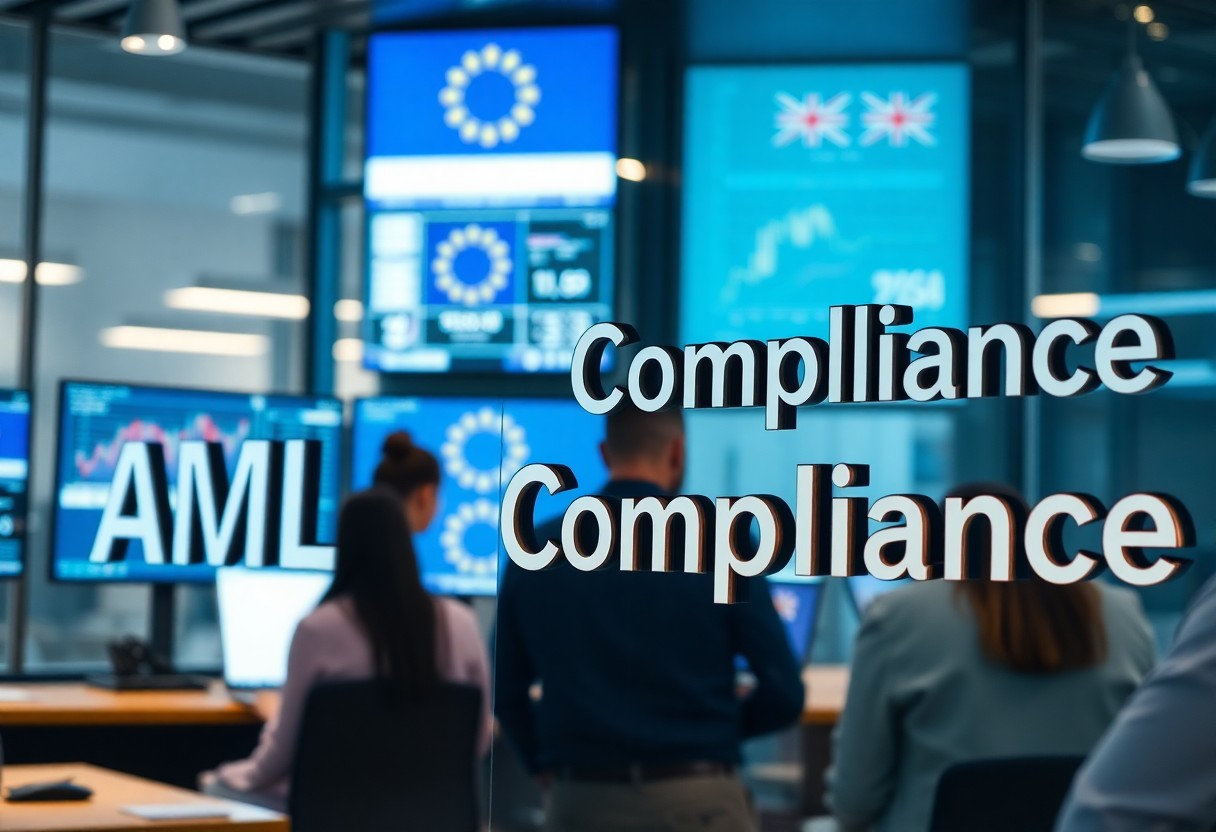
Just as the fintech sector demonstrates unprecedented growth and innovation, European Union Anti-Money Laundering (AML) directives impose stringent regulations that challenge these aspirations. This blog post explores the complexities of navigating compliance while fostering financial technology advancements, highlighting the tensions between the desire for rapid evolution and the stringent regulatory landscape. As fintech companies strive to redefine the financial services industry, understanding the implications of these EU directives is crucial for strategic success in a highly regulated environment.
The Rise of Fintech: Innovations Shaping the Financial Landscape
Disruptive Technologies Transforming Finance
Emerging fintech solutions are revolutionizing the financial landscape, integrating disruptive technologies like blockchain, artificial intelligence, and machine learning. These innovations facilitate faster transactions, enhance security, and streamline customer experiences. For instance, blockchain technology is being employed not only for cryptocurrency but also for transparent and secure record-keeping, which is crucial in combating fraud and ensuring compliance with regulatory frameworks. Companies like Ripple are improving cross-border payment systems, drastically reducing transaction times from days to just a few seconds, which is a game-changer for businesses and individuals alike.
Artificial intelligence has also found its place in fintech, with applications ranging from automated customer service chatbots to sophisticated credit scoring models. Lenddo, for example, uses alternative data to determine creditworthiness in regions with limited banking services, tapping into social media profiles and transaction histories. Such technologies not only increase efficiency but also democratize access to financial services for previously underserved populations, further driving innovation and competition in the sector.








The Role of Consumer Demand and Accessibility
Consumer demand plays a pivotal role in propelling fintech innovations, as customers seek enhanced convenience, lower fees, and personalized services. Increasingly tech-savvy generations expect seamless digital experiences, prompting fintech companies to develop user-friendly apps and platforms that cater to their preferences. The rapid adoption of mobile banking exemplifies this shift; according to a recent survey, nearly 75% of consumers now prefer mobile banking solutions over traditional banking methods. This surge in mobile usage has encouraged financial institutions to adapt swiftly or risk losing market share to agile fintech competitors.
Accessibility is not solely about digital interfaces; it also encompasses the broader goal of financial inclusion. Many fintech firms aim to bridge the gap between the banked and unbanked populations, offering services like microloans and budgeting tools accessible through smartphones. This is particularly significant in emerging markets, where a significant portion of the population lacks reliable access to traditional banking services. Companies like Tala offer loans based on mobile data analysis in Kenya, proving that adaptability to local contexts can drive business while addressing societal needs.
In today's landscape, the interplay between consumer demand and fintech innovation is undeniable. As customers become increasingly reliant on technology to manage their finances, fintech providers continue to refine their offerings to meet expectations. Enhanced accessibility leads to broader financial participation, fostering an environment where more individuals can partake in the economic ecosystem, benefiting both consumers and the industry as a whole.
The Legislative Framework: Navigating EU AML Directives
An Overview of the AML Regulations
In the past decade, the European Union has rolled out a series of stringent Anti-Money Laundering (AML) directives, culminating in the 6th AML Directive (AMLD6) that came into effect in 2020. These directives collectively aim to facilitate the prevention of money laundering and the financing of terrorism throughout EU member states. The framework encourages countries to harmonize their national legislation, ensuring a cohesive approach to tackling financial crimes. As of 2023, the EU continues to refine these regulations, responding to emerging threats and adapting to new technologies that could be exploited for illicit purposes.
Compliance with these AML regulations represents both a challenge and an opportunity for fintech enterprises. Failure to adhere to AML provisions can lead to severe penalties, including hefty fines, loss of operational licenses, and reputational damage. Simultaneously, the integration of robust AML compliance can serve to build customer trust and create a competitive advantage, placing those who invest strategically in compliance at the forefront of the market.
Key Objectives of the EU AML Directives
The primary objectives of the EU AML directives revolve around three fundamental areas: the identification and verification of customers, the implementation of risk-based assessments, and the reporting of suspicious activities. These directives mandate that financial institutions conduct due diligence to verify the identities of their customers, backed by rigorous documentation standards. Furthermore, businesses must assess potential risks associated with clients and transactions, allowing for tailored AML strategies that address specific vulnerabilities.
Another pivotal goal is fostering cooperation between various national authorities and regulatory bodies across Europe. This cooperative network aims to enhance information sharing and create a unified response to financial crime at both national and international levels. Moreover, the directives emphasize the importance of technologically updated mechanisms for tracking suspicious transactions, which is particularly relevant for fintech companies leveraging innovative solutions.
Ultimately, these objectives highlight an evolving regulatory landscape that seeks to balance consumer protection with an emphasis on innovation. The shift toward digital services and cryptocurrencies necessitates ongoing adaptation; thus, fintech firms must stay ahead not only through compliance but also by integrating advanced technology solutions that enhance their ability to monitor and respond to AML risks effectively.
The Collision Course: Fintech Innovations vs. Regulatory Compliance
Challenges Fintech Companies Face in Meeting AML Standards
Navigating the labyrinth of AML regulations presents formidable challenges for fintech companies. Many of these firms prioritize rapid innovation and customer-centric services, often outpacing the regulatory environment's ability to adapt. For instance, the implementation of real-time transaction monitoring systems can require vast amounts of data integration and sophisticated algorithms, posing a technical challenge for companies without the requisite infrastructure. Moreover, fintechs often operate in multiple jurisdictions, each with its own regulatory interpretations and compliance requirements. This patchwork of regulations complicates efforts to maintain a standardized compliance approach, resulting in significant legal grey areas that can lead to potential pitfalls.
The human element remains a critical factor in AML compliance, as skilled compliance professionals are vital to effectively interpret and implement the required regulations. However, a dearth of such talent in the market adds to the strain, compelling fintech companies to invest heavily in training or outsourcing compliance roles. The accelerated pace of innovation means that even minor regulatory updates can necessitate extensive alterations to internal processes, leading to a constant state of flux within compliance teams.
The High Cost of Compliance: Analyzing Financial Implications
Financial implications of regulatory compliance in the fintech sector are far-reaching. According to a recent report, fintech firms may incur compliance costs ranging from 3% to 10% of their total revenue, with larger institutions facing even steeper percentages due to their complexity. Investments in technology solutions, such as AI-driven compliance tools and KYC (Know Your Customer) systems, can demand upfront capital that many startups lack. Such tools require continuous updates and modifications to cater to evolving regulations, further driving costs.
Additionally, the operational burden of maintaining compliance teams diverts resources away from innovation-focused initiatives. For instance, firms that allocate substantial budgets for compliance oversight often sacrifice marketing and development funds, limiting their competitive edge in a rapidly evolving marketplace. As fintech companies wrestle with balancing growth and compliance demands, the ongoing investment in regulatory measures can stifle profitability and hinder long-term strategic goals.
An analysis from Deloitte underscores the challenge, estimating that non-compliance fines can range from tens of thousands to millions of euros, depending on the severity of the infractions. With the EU's commitment to more stringent AML measures, fintech companies must prepare for substantial financial repercussions should they fail to align properly with regulatory expectations. This looming risk forces many firms to weigh the cost of compliance not simply as a financial expenditure, but as a crucial factor influencing survival in a highly competitive landscape.
Unpacking the Consequences: Striking a Balance
Impact on Startups vs. Established Financial Institutions
Startups in the fintech space often find themselves at a distinct disadvantage when competing against established financial institutions. The latter typically have the resources to adapt to regulatory changes swiftly, employing entire teams dedicated to compliance. For instance, major banks can invest in technology that automates anti-money laundering (AML) processes, thereby ensuring adherence to EU directives without significant disruptions. In contrast, for many fintech startups with limited financial backing, the burden of meeting these stringent regulations can stifle growth or even lead to their halt. Studies show that 60% of fintech startups report compliance costs consuming a significant portion of their operational budget, leading to narrowed focus on innovation.
The disparity in resources means that while large institutions are likely to navigate compliance challenges with relative ease, fintech startups may struggle to pivot their operations swiftly. For example, a European startup focusing on blockchain technologies might find its innovative projects delayed or partially abandoned due to the need for extensive compliance measures. Consequently, this regulatory burden not only limits new entrants within the financial sector but can also stifle innovation that could benefit consumers and the broader economy.
How Misalignment Affects Customer Trust and Engagement
The misalignment between fintech ambitions and EU AML directives has ripple effects that extend beyond regulatory compliance; it can severely impact customer trust. Consumers today are increasingly aware of the importance of security related to financial transactions. If a fintech company is perceived as struggling with compliance or facing penalties due to AML failures, customer confidence can quickly erode. According to a report by PwC, 67% of consumers would be less likely to engage with a financial service provider embroiled in scandal related to regulatory breaches.
In this landscape where trust is hard-earned, fintech companies need to demonstrate a proactive commitment to compliance not merely as a regulatory requirement but as a core value proposition. Failure to align their operations with EU directives leaves them vulnerable to negative perceptions, potentially discouraging customer interaction and retention. For example, if a mobile payment application regularly faces scrutiny or legal challenges regarding its AML practices, potential users may look elsewhere for more trustworthy alternatives, impacting user acquisition metrics.
Collaborative Strategies: Navigating the Grey Areas
Building Partnerships Between Fintech and Regulators
Fintech firms are increasingly realizing that proactive collaboration with regulators can significantly ease the tension between innovation and compliance. By fostering open dialogues with regulatory bodies, these companies can better understand the nuances of AML directives and work towards creating solutions that not only meet legal requirements but also enhance customer experiences. For instance, the recent partnership between a UK-based fintech and the Financial Conduct Authority (FCA) aimed to create a shared framework for AML protocols that respects both the need for swift customer onboarding and stringent identity verification processes. In this instance, regulators were able to gain firsthand insights into innovative technologies like blockchain and machine learning while fintech firms received guidance on acceptable compliance practices.
Building these partnerships also requires fintechs to take the initiative in advocating for regulatory clarity. They can participate in public consultations and industry forums that focus on AML compliance. These platforms provide opportunities to illuminate the practical challenges fintechs face whilst simultaneously enabling regulators to adjust the legislation to better fit the evolving financial landscape. This reciprocal engagement not only paves the way for more streamlined compliance but also establishes trust, which is necessary as both industries navigate a landscape marked by rapid technological change.
Exploring Regulatory Sandboxes as Testing Grounds
Regulatory sandboxes have emerged as invaluable tools for fintechs seeking to innovate within a safe legal framework. This concept allows companies to test new products or services under a regulator's supervision, minimizing the risks often associated with navigating complex compliance requirements. For example, the FCA's regulatory sandbox has seen numerous startups successfully trial AML-compliant solutions before full-scale launch. Such frameworks encourage experimentation while ensuring that consumer protection and regulatory standards remain paramount.
Through these controlled environments, fintechs can explore cutting-edge solutions like automated transaction monitoring systems or AI-driven identity verification without the immediate fear of regulatory penalties. Moreover, feedback generated during these trials can inform future AML legislation, creating a more harmonized approach that benefits both innovation and compliance. The collaboration has proven advantageous; for instance, several fintechs have implemented insights gained from these sandboxes to refine their services, leading to enhanced efficiencies and heightened levels of trust from users and regulators alike.
The Future of Fintech in the Context of EU AML Regulations
Predicting Trends in Fintech Regulation
The fintech landscape is expected to undergo significant transformations as regulatory frameworks evolve to meet the challenges brought about by innovation. A notable trend is the shift toward more adaptive legislation, allowing regulators to stay ahead of emerging fintech solutions. For instance, regulators have already begun to establish sandbox environments that allow fintech companies to test new products while remaining compliant with existing rules. Such approaches encourage innovation while ensuring compliance, creating a balanced ecosystem.
Moreover, the emphasis on transparency will likely intensify. The EU's aim for a unified AML regime suggests a future where companies are required to implement robust measures to verify identity and monitor transactions in real-time. A report from the European Commission highlights that AML regulations could be streamlined with digital identification tools, facilitating seamless compliance for tech-driven businesses. The integration of real-time monitoring systems could further enhance surveillance capabilities, leading to more efficient detection and prevention of illicit activities.
Innovations That Could Enhance Compliance Measures
Technological innovations, such as blockchain and artificial intelligence (AI), stand to significantly bolster compliance measures in anti-money laundering. Blockchain provides an immutable ledger that can increase transparency and accountability, allowing for better transaction tracking. In jurisdictions where compliance burdens are high, the ability for regulators to access this data in real time can dramatically streamline oversight and enforcement actions. AI, on the other hand, can analyze vast amounts of transaction data quickly, identifying patterns that may indicate money laundering activities much sooner than traditional methods.
Furthermore, tools that leverage machine learning can continuously adapt to new threats as they arise in the fintech ecosystem. Machine learning algorithms can identify abnormal behaviors in transactional patterns, automatically flagging them for further investigation. For instance, last year's implementation of an AI-driven fraud detection system in one European fintech company yielded a 30% increase in suspicious activity detection compared to previous methods. This synergy between innovative technology and regulatory compliance not only enhances the capabilities of fintech firms but also fosters a culture of responsibility and transparency that regulators can trust.
These advancements pave the way for a more collaborative relationship between fintech companies and regulatory bodies, signaling a future where innovation and compliance are not in opposition, but rather, work symbiotically towards a shared goal of mitigating financial crime.
Lessons from Other Regions: A Comparative Perspective
| Region | Regulatory Model |
|---|---|
| United States | State-specific regulations and a sandbox approach encourage innovation while managing risk. |
| Singapore | A forward-thinking regulatory framework, including a dedicated fast-track program for fintech startups. |
| Australia | Innovative regulatory sandbox and open banking initiatives that enhance consumer trust and competition. |
Successful Regulatory Models Outside the EU
In the United States, a decentralized approach allows individual states to implement tailored regulations that reflect local market conditions. The introduction of regulatory sandboxes in several states supports fintech startups by enabling them to develop and test their products with more flexibility while also ensuring consumer protection. Such models have demonstrated that regulatory adaptability can coexist with innovation, promoting a diverse financial ecosystem where both traditional and new entrants can thrive.
Singapore's Monetary Authority has established a robust regulatory framework that includes streamlined licensing processes and a fast-track program for fintech initiatives. The intention is to enhance collaboration between regulators and innovative firms, resulting in a conducive environment for fintech growth. This approach has attracted a plethora of startups, transforming the city-state into a vibrant fintech hub that prioritizes both regulatory compliance and economic development.
What the EU Can Learn from Global Fintech Practices
Insight from successful regulatory frameworks in regions like the U.S. and Singapore suggests that the EU could benefit from adopting a more flexible, jurisdiction-specific regulatory approach to fintech. The potential for establishing sandboxes across EU member states would not only allow startups to innovate without stifling compliance but could also create a sense of competition among countries, improving overall regulatory efficiency and market responsiveness.
By leveraging practices from these regions, the EU could devise strategies that harmonize regulatory obligations while simultaneously fostering innovation. Integrating principles of agility and collaboration witnessed in other successful fintech hubs may help the EU can develop an environment where emerging technologies flourish alongside rigorous anti-money laundering measures. This could position the EU as a global leader in fintech, balancing innovation and secure financial systems.
A Call for Action: Advocating for Adaptive Frameworks
Encouraging Flexible Regulatory Approaches
Regulatory frameworks must evolve to reflect the dynamic nature of fintech innovations, rather than stifling their potential. The complexity of digital financial services requires a more nuanced approach to compliance that acknowledges the unique challenges faced by fintech companies. For instance, the creation of sandbox environments can allow startups to test their products without the full brunt of strict AML regulations, fostering both innovation and compliance. Countries like the UK have successfully implemented such regulatory sandboxes, enabling fintech firms to experiment and refine their services while ensuring regulatory adherence.
Moreover, regulatory oversight should be adaptable, relying on real-time data analytics to assess risks associated with new financial technologies. Using machine learning algorithms, regulators can better identify potential red flags and prioritize their resources accordingly. This proactive stance not only simplifies compliance for fintechs but also strengthens the overall integrity of the financial system, ensuring that legitimate enterprises can thrive in an environment that still prioritizes security and consumer protection.
The Role of Industry Stakeholders in Shaping Future Policies
Engagement between regulators and industry stakeholders is vital for creating a balanced regulatory landscape. Fintech companies, traditional financial institutions, and advocacy organizations must collaborate to inform policymakers about the implications of new AML directives on innovation and market competitiveness. By participating in consultative processes, stakeholders can provide insights grounded in real-world experiences, helping regulators understand the practical challenges faced by companies striving to comply with AML requirements.
This collaboration not only fosters a sense of shared responsibility for preventing financial crimes but also ensures that regulations evolve alongside technological advancements. For example, industry associations could facilitate roundtable discussions or public forums where insights are exchanged, enabling regulators to adapt their strategies based on collaborative input. Such initiatives can help forge a regulatory framework that is both robust and supportive of innovation.
As industry stakeholders engage more actively in the regulatory conversation, their expertise can help shape policies that are not only effective but also conducive to growth. By sharing success stories from compliant fintechs and providing data-driven analyses of emerging trends, the industry can foster a more harmonious regulatory approach. This synergy between regulators and industry players will be pivotal in navigating the intricate balance between mitigating risks and promoting innovation, ultimately ensuring that the financial ecosystem remains resilient and forward-looking.
Summing up
To wrap up, the intersection of fintech ambitions and EU AML directives presents both challenges and opportunities for the financial services landscape. As fintech companies strive to innovate and expand, they must navigate an increasingly complex regulatory environment designed to combat money laundering and terrorism financing. This interplay can hinder growth and adaptability, as businesses work to align their technologies with stringent compliance requirements. However, embracing these regulations can also lead to enhanced customer trust and a more stable financial ecosystem as fintechs establish robust mechanisms to prevent illicit activities.
Furthermore, the ongoing dialogue between fintech innovators and regulatory bodies is important for pragmatic solutions that foster economic growth while ensuring security. Striking the right balance will require collaboration and transparency, allowing for the development of tailored frameworks that can encourage innovation without undermining the objectives of the AML directives. In this evolving landscape, companies that proactively engage with regulatory measures and invest in compliance capabilities will likely position themselves for sustained success in the dynamic fintech industry.

Ash
I like to keep it short. I am a writer who also knows how to rhyme his lines. I can write articles, edit them and also carve out some poetic lines from my mind. Education B.A. - English, Delhi University, India, Graduated 2017.
Related Posts

OKTO PAYMENTS appoints Marcos Techera to lead LatAm operations and growth
September 22, 2026
BetComply strengthens compliance team with three experienced appointments
September 16, 2026

Yaspa appoints Mandy Thompson as US marketing expansion gains momentum
September 14, 2026
OKTO Payments announces direct Yape integration for digital businesses
September 7, 2026
Inpay faces Danish restriction on new online gambling clients over AML
September 4, 2026


SiGMA forecasts MXN220m Mexico impact from 2026 summit
August 12, 2026