

















Fintech players worry about the EU’s new AML package
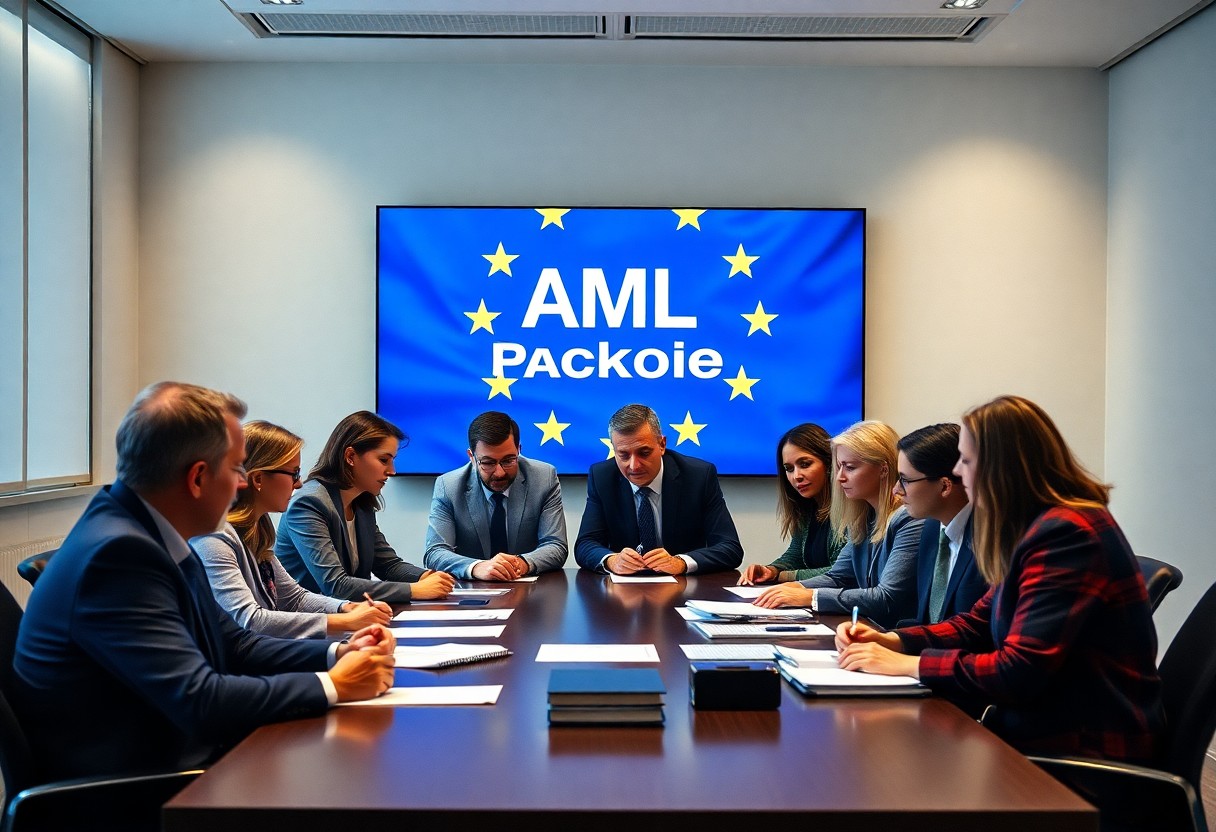
It's an increasingly pressing issue as fintech companies express concerns regarding the European Union's latest Anti-Money Laundering (AML) package. This regulatory framework aims to enhance financial transparency and combat illicit activities but poses challenges for innovative financial tech firms, particularly in compliance and operational adjustments. Stakeholders are actively discussing the potential impacts on business models, customer privacy, and overall market competition, raising questions about the balance between regulatory oversight and fostering a thriving fintech ecosystem. Understanding these implications is necessary for industry participants and policymakers alike.
The Unfolding Landscape of AML Regulations
A Historical Perspective on Anti-Money Laundering
The origins of anti-money laundering (AML) regulations can be traced back to the 1980s when the global stage was first confronted by the extensive laundering of drug money. The Financial Action Task Force (FATF) formed in 1989, introduced a series of recommendations designed to combat money laundering on an international scale, encouraging nations to implement stricter controls within their financial systems. The initial focus was aimed at the financial sector's potential for facilitating illicit transactions, which led to the creation of a framework that required banks to verify identities and report suspicious activities.
By the 1990s and into the 2000s, as the effects of globalization and digital banking expanded, AML efforts intensified. Regulations began to expand beyond drug-related crimes, encompassing other offenses such as fraud and terrorism financing. The USA PATRIOT Act of 2001 in the United States marked a significant evolution, imposing sweeping obligations on financial institutions, which set a precedent that many other jurisdictions followed. This historical trajectory shows how AML measures have continuously adapted to emerging threats, and the EU's current package aligns with this trend by focusing on inconsistencies within member states' regulations.










The EU's Motivation: Addressing Financial Crimes
The European Union has identified significant gaps in the current anti-money laundering framework across member states, asserting that terrorist financing and organized crime are growing threats that require a unified, elevated response. With estimates suggesting that around €110 billion is laundered annually within the EU, officials recognize that existing measures are insufficient to counter the intricate tactics employed by sophisticated criminal networks. This scenario demands a comprehensive strategy, aiming to harmonize legislation and improve cooperation among member states to better detect and prevent financial crimes.
In the EU's view, the recent AML package is not merely an administrative update; rather, it is a critical response to an evolving landscape marked by increased global financial crime. The impetus behind the new regulations reflects a proactive approach to international standards set by organizations such as the FATF and aims to establish a more integrated financial sector. Central to this effort is the establishment of a new EU-level authority capable of overseeing AML compliance, creating a cohesive and robust front against illicit financial activities that exploit the bloc's open economies.
The Mechanics of the New AML Package
Key Provisions: What's Different This Time?
The new AML package introduces several key provisions that significantly change the regulatory landscape for fintech firms. One of the most noteworthy alterations is the shift towards a more centralized approach, as this package aims to harmonize AML regulations across member states. This harmonization effort is designed to mitigate the discrepancies that previously allowed money laundering activities to slip through regulatory cracks. For instance, enhanced due diligence procedures will now become a standardized requirement, affecting how fintechs profile their customers and assess risks.
Furthermore, the new package expands the scope of reporting entities to include a broader class of virtual asset service providers (VASPs). Unlike earlier frameworks, which primarily focused on traditional financial institutions, the revised laws specify that all entities engaged in cryptocurrency transactions are obligated to adhere to AML measures. This change underscores the EU's recognition of the growing influence and potential risks associated with decentralized finance (DeFi) and other emerging fintech segments.
The Role of the European Anti-Money Laundering Authority (AML Authority)
The establishment of the European Anti-Money Laundering Authority (AML Authority) represents a pivotal change in the mechanics of AML compliance within the EU. This new agency is tasked with overseeing the implementation of the AML package and ensuring that regulations are uniformly enforced across member states. By providing guidance, support, and operational oversight, the AML Authority aims to enhance cooperation among national regulators, thus fortifying the EU's defenses against money laundering.
With powers to impose sanctions and coordinate cross-border investigations, the AML Authority is anticipated to be a game-changer in the oversight of compliance efforts. Its effectiveness will hinge on close collaboration with national financial intelligence units as well as its ability to adapt quickly to the evolving dynamics of fintech innovations. The authority's introduction reflects a strategic intent to create a more robust framework that can withstand the complexities posed by new technologies.
Compliance Requirements: A Burden or a Benefit?
The compliance landscape brought forth by the new AML package prompts fervent debate among fintech players. On one side, the increased regulatory scrutiny and operational restrictions may appear burdensome, leading many to voice concerns about potential stifling of innovation. For instance, the amplified due diligence processes and constant monitoring could disrupt the speed at which fintech companies develop and deploy new services. However, proponents argue that these very safeguards could ultimately bolster financial ecosystems by enhancing trust and security. The apprehension surrounding compliance becomes apparent as fintech firms weigh the costs of rigorous regulatory adherence against the backdrop of potential reputational fallout from non-compliance.
It's also worth noting that investment in compliance technology may forge long-term benefits as fintechs begin to embrace advanced solutions for risk assessment and customer verification. Integrating innovative compliance tools can streamline processes, minimize manual workload, and lead to safer, more efficient operations. With regulatory pressures heightening, those firms willing to adapt and innovate could find themselves ahead of the curve, possibly capitalizing on opportunities that arise from a more transparent and well-regulated financial landscape.
Fintech Firms: The New Regulators on the Block
The Rapid Evolution of Fintech in Europe
Over the past decade, fintech firms have emerged as significant players in the European financial landscape. Initiatives like the European Union's PSD2 (Payment Services Directive 2) have driven innovation, allowing fintechs to access traditional banking infrastructure and develop advanced payment solutions. This regulatory environment has led to an explosion of digital wallets, peer-to-peer lending platforms, and neobanks, creating a vibrant sector with over 20% year-on-year growth in some areas. As of 2023, it is estimated that fintech adoption in Europe has surpassed 65%, illustrating the widespread acceptance of these novel financial solutions among consumers and businesses alike.
Moreover, the evolution of fintech is not solely attributed to regulatory changes; technological advancements, particularly in artificial intelligence (AI) and blockchain, have played a pivotal role in enhancing product offerings. European fintech firms are leveraging AI for everything from credit risk assessment to customer service chatbots, enabling them to offer tailored, efficient services in real-time. The interconnectedness fostered by digital platforms is reshaping the consumer experience, making financial services more accessible than ever before.
How Fintech Models Differ from Traditional Banking
Fintech models starkly contrast traditional banks in their operation, approach to customer interaction, and use of technology. Unlike banks, which rely heavily on brick-and-mortar branches and extensive regulations that dictate their structure, fintech companies tend to focus on digital solutions that prioritize user experience and speed. This tech-driven orientation allows fintechs to streamline processes—such as onboarding and transaction approvals—resulting in faster service delivery. For instance, while traditional banks may take several days to process loan applications, fintech lenders often complete the same processes within hours, dramatically increasing consumer satisfaction.
The agility of fintech firms enables them to adapt rapidly to market demands and regulatory changes, positioning them to capitalise on emerging trends. They are often better equipped at developing niche products tailored to specific consumer needs, such as financing for underserved markets or bespoke payment solutions for freelancers. This adaptability not only fosters innovation but also sparks competition amongst traditional banks, pushing them to reevaluate their own service offerings to retain their customer base.
Navigating the Compliance Quagmire
Building Effective AML Strategies: Best Practices
Fintech companies must develop comprehensive anti-money laundering strategies that encompass detailed risk assessments and refined customer due diligence (CDD) processes. By implementing layered approaches to customer verification, firms can identify potential red flags more effectively. Fintechs should not only leverage traditional financial data but also incorporate transactional behavior insights, especially in sectors like cryptocurrency, where atypical patterns can signal illicit activities. A strong understanding of the unique vulnerabilities associated with their business model is necessary for creating tailored strategies that comply with new AML requirements.
Regular audits and updates to these strategies are necessary in the dynamic regulatory environment, ensuring that companies can keep pace with the ongoing amendments stemming from the EU's AML package. Collaboration with industry peers and participation in sector-specific forums can further enhance understanding of best practices, as knowledge-sharing often reveals common pitfalls and effective mitigation strategies. Involving board members in compliance discussions emphasizes the importance of AML adherence across the organization, positioning it as a priority from the top down.
The Technological Tools Aiding Compliance
Advanced technology plays a pivotal role in helping fintech firms navigate AML compliance, offering a range of solutions from data analytics to artificial intelligence. Machine learning algorithms can analyze vast datasets quickly, flagging suspicious transactions and optimizing CDD processes. Automated reporting systems reduce the burden of manual checks, allowing firms to focus on investigating flagged activities rather than drowning in red tape. These technological advancements not only streamline compliance processes but also enhance accuracy, which is vital in a landscape that is growing increasingly complex.
Adoption of these tools can facilitate real-time monitoring of transactions, enabling fintech companies to respond rapidly to potential risks. For instance, platforms that integrate with blockchain transactions can trace the flow of funds in real time, providing context to potentially suspicious activity. As regulators sharpen their focus on compliance frameworks, utilizing advanced technology will serve as a competitive advantage for those in the fintech space, positioning them favorably in the eyes of both customers and regulators.
The Necessity of Training and Awareness within Organizations
Ongoing training and awareness programs are fundamental for fintech companies to cultivate a culture of compliance. Each employee must understand the potential implications of failing to comply with AML requirements, which can often lead to hefty fines and reputational damage. Regular workshops, e-learning platforms, and scenario-based training can equip staff with the knowledge required to identify suspicious activity efficiently. Such initiatives foster a vigilant workforce that is well-aware of both the legal landscape and the specific challenges associated with their role in the complex financial ecosystem.
Moreover, a standardized compliance framework should seamlessly integrate into the organizational culture, ensuring that employees feel empowered to raise concerns or report unusual behaviors without fear of repercussions. Establishing clear lines of communication about compliance responsibilities, as well as sharing success stories where employees acted on red flags, can significantly bolster overall compliance effectiveness and create an accountable environment.
The Financial Implications for Fintech Companies
The Cost of Compliance: Estimations and Impacts
Fintech companies are facing significant financial burdens as they develop systems to comply with the new EU AML regulations. Estimates indicate that compliance costs could reach upwards of €1 billion annually for the entire European fintech sector as firms invest in technology, staff training, and ongoing monitoring to meet these heightened requirements. For smaller players, these costs could represent a substantial percentage of their operating budgets, potentially diverting resources away from innovation and growth. Additionally, the regulatory scrutiny may force companies to hire specialized compliance officers and legal teams, compounding the financial strain.
Long-term implications of these costs can hinder the agility that many fintech startups are known for. Instead of rapidly iterating products or offering competitive pricing, firms may prioritize compliance at the expense of other strategic initiatives. This shift could stifle their ability to compete with traditional banks, which may already have the infrastructure in place to manage compliance with existing regulations.
How Non-compliance Might Affect Market Position
The consequences of non-compliance with the new AML package can be dire for fintech companies. Regulatory bodies may impose hefty fines that could range from millions to billions of euros, depending on the severity of the violation. Beyond financial penalties, companies that fail to comply risk reputational damage that can severely impact customer trust. A tarnished reputation in a highly regulated environment could deter potential partnerships and customers, leading to a swift decline in market share among competitors who prioritize adherence to compliance measures.
Fintech companies also face the danger of being placed on regulatory watchlists, which can complicate operations and limit market access. Such visibility could lead to increased scrutiny in future dealings, further hampering growth opportunities and institutional collaborations. A company's failure to establish robust anti-money laundering protocols sends a signal to both customers and market participants that it may not be a reliable or trustworthy service provider, thus indirectly forcing it to invest in damage control and reputation rebuilding down the line.
Diverging Perspectives: Supporters vs. Critics
Advocates of Stricter Regulations: A Safer Financial Ecosystem
Supporters of the new AML package argue that stricter regulations are necessary for creating a safer financial environment across Europe. By establishing a centralized European anti-money laundering authority, they believe it will enhance cooperation between member states and streamline the enforcement of AML rules. With an estimated €100 billion laundered annually in the EU, according to Europol, advocates contend that rigorous measures are necessary to protect consumers and legitimate businesses from the growing threat of financial crime. They highlight that these measures can also boost investor confidence, as a well-regulated financial environment is seen as more stable and trustworthy.
Furthermore, proponents emphasize the need for enhanced transparency in financial transactions. By implementing stricter Know Your Customer (KYC) rules and obliging fintech firms to report suspicious activities directly to the new authority, the likelihood of illicit activities being conducted within the financial ecosystem is expected to diminish significantly. This, they argue, will not only deter crime but also foster a culture of accountability and ethical conduct in financial transactions.
Detractors of the AML Package: Innovation at Risk
Opponents of the AML package raise concerns that the stringent regulations may stifle innovation and hamper the growth of the fintech sector. They point to the unique nature of fintech firms, many of which thrive on agility and quick adaptability to market changes. Imposing a heavy compliance burden could divert resources away from developing new technologies and services, as smaller firms may struggle to keep up with the costs and complexities of compliance. This situation may create a barrier to entry for budding startups looking to make their mark in the financial landscape.
Additionally, critics argue that the one-size-fits-all approach of the AML package fails to consider the diverse business models and operational structures within the fintech space. Different fintech companies offer varying levels of risk, and applying uniform regulatory measures could deter innovation by leading to a homogeneous market devoid of diversity. As the European fintech sector is already competing globally, excessive regulations might force local companies to rethink their strategies or even exit the market.
Despite these challenges, the financial community remains divided. While some argue for a balanced approach to AML compliance that protects consumers and fosters innovation, others fear that the impending regulations may reshape the landscape in ways that could ultimately be detrimental to Europe's competitiveness in the fintech arena. As discussions evolve, finding a middle ground between safeguarding the system and promoting innovation remains a pressing challenge for regulators and industry stakeholders alike.
The Broader Impact of the AML Package on Global Markets
How EU Regulations Set Precedents for Other Regions
European Union regulations have consistently served as a benchmark for other jurisdictions, particularly in financial compliance. The 2021 AML package is likely to follow this path, especially given the EU's established market size and regulatory influence. Countries such as the UK, Australia, and Canada often look to EU standards when shaping their guidelines. While these nations have their own regulatory frameworks, EU directives have historically inspired adaptations in their legislative landscapes, particularly as globalized financial practices increasingly require alignment across borders. The drive for high standards in AML compliance, linked to the EU's efficiency, can result in other regions tightening their regulations to match, ensuring they are not perceived as attractive havens for illicit financial activities.
The Ripple Effect: Will Other Jurisdictions Follow Suit?
As the EU finalizes its AML package, a growing number of jurisdictions may find themselves compelled to reassess their own regulatory frameworks. The interconnected nature of the global financial system means that lax regulations in one area can potentially undermine efforts made elsewhere. For instance, as the EU tightens its rules, financial institutions operating internationally may choose to adhere to the most stringent standards to avoid compliance risks and reputational damage. Notably, in a recent survey conducted by the Global Financial Integrity initiative, over 60% of respondents from financial institutions indicated that they would likely adjust their operations in response to new AML regulations enacted by major regions like the EU or the US.
Furthermore, the ripple effect extends beyond merely tightening regulations; it creates a competitive landscape in which jurisdictions with more stringent AML measures may attract businesses looking for reputable markets. Countries that fail to adapt might find themselves at a disadvantage, potentially facing international scrutiny and reduced investment flows. Observing the precedence set by the EU can serve as a roadmap for others, reshaping the regulatory environments of nations across Asia, Africa, and the Americas as they grapple with their own AML challenges in the digital age.
Future Scenarios: What Lies Ahead for Fintechs?
The Role of Collaboration with Regulatory Bodies
Effective dialogue between fintechs and regulatory bodies will be vital for success in navigating the new AML landscape in the EU. Stakeholders are beginning to recognize that a collaborative approach can lead to more practical regulations that foster innovation while ensuring compliance. Regulatory sandboxes, such as those seen in the UK and Singapore, have proven valuable by allowing fintech firms to test their products under real market conditions while receiving guidance from regulators. These platforms create a shared understanding, enabling regulators to observe how new technologies operate in practice, which ultimately could lead to more informed decision-making regarding compliance frameworks.
Additionally, organizations like the European Banking Authority (EBA) are engaging with fintech firms to understand their challenges better. For example, ongoing consultations and workshops aim to create guidelines that accommodate evolving technologies, such as artificial intelligence and blockchain solutions, while also fulfilling AML obligations. If fintechs can effectively articulate their unique concerns and how regulatory measures might affect innovation, both sides may find mutually beneficial avenues for growth.
Innovations on the Horizon: Potential Developments in Fintech
The fintech sector is ripe for innovation amidst the evolving AML regulatory landscape. For instance, artificial intelligence and machine learning technologies are becoming increasingly prominent in compliance tools. These technological advancements can automate transaction monitoring and risk assessments, allowing for faster and more accurate detection of suspicious activities. As a result, more efficient systems can reduce the operational burdens that compliance typically places on fintechs, enabling them to focus more on delivering customer-centric solutions and less on regulatory hurdles.
Furthermore, the integration of blockchain technology holds the potential to revolutionize how transactions are recorded and monitored. Transparent and immutable records can enhance traceability, thereby simplifying the compliance process for businesses. Strategies such as self-sovereign identities could empower users to control their data, reducing friction while still adhering to AML requirements. As this technology develops, its practical applications may provide fintechs with an edge in meeting complex regulatory standards without sacrificing innovation or customer experience.
Conclusion
Conclusively, the introduction of the EU's new Anti-Money Laundering (AML) package raises significant concerns among fintech players who are navigating an increasingly complex regulatory landscape. The stringent requirements imposed by the updated rules could potentially stifle innovation and impede the agility that defines the fintech industry. With a focus on enhanced due diligence, transaction monitoring, and compliance costs, these new regulations may disproportionately affect smaller fintech firms that lack the resources to meet extensive compliance obligations. Furthermore, the uncertainty regarding the interpretations and implementations of these regulations introduces additional challenges for fintech players striving for growth within the EU market.
As the fintech sector adapts to these impending changes, stakeholders will need to carefully evaluate their compliance strategies while advocating for a balanced regulatory environment that fosters innovation without compromising the security and integrity of the financial system. Collaboration between regulators and fintech innovators could pave the way for solutions that address the objectives of AML compliance while supporting the dynamic nature of the fintech ecosystem. As the EU finalizes the details of the AML package, it will be crucial for all involved to engage in dialogue to ensure the future of fintech remains vibrant and resilient.

Lisa
Welcome. I am an experienced writer and I am ready to help you with all forms of writing needs you require. Education B.A. - linguistics, University of Wisconsin-Whitewater, United States, Graduated 2006.
Related Posts


OKTO PAYMENTS appoints Marcos Techera to lead LatAm operations and growth
September 22, 2026

mkodo’s GeoLocs launches Fraud Shield to strengthen player risk controls
September 16, 2026

BetComply strengthens compliance team with three experienced appointments
September 16, 2026

Yaspa appoints Mandy Thompson as US marketing expansion gains momentum
September 14, 2026

International Alliance strengthens cooperation on telecom and cyber fraud
September 11, 2026



UK gambling websites face privacy scrutiny over cookie consent practices
September 7, 2026