

















How VAT rules complicate cross-border gaming transactions
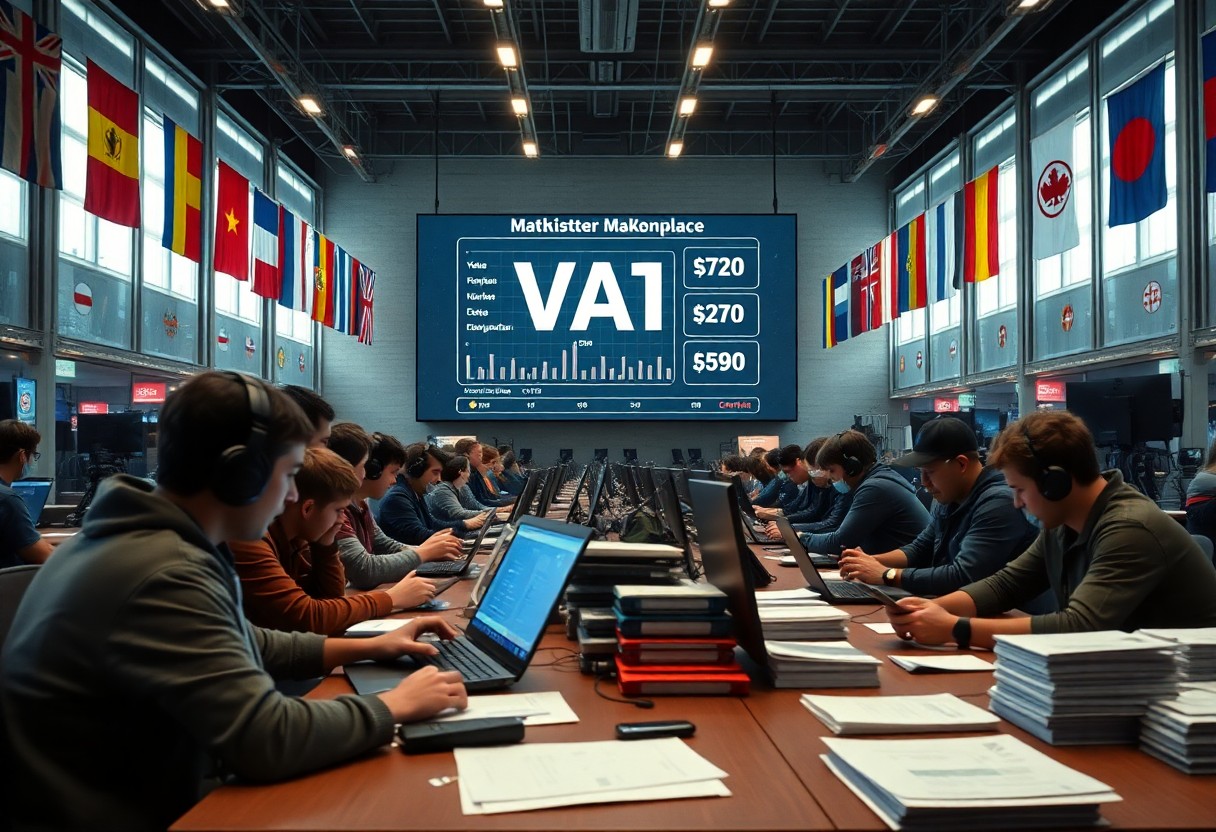
Most gaming companies face significant challenges in navigating the complexity of Value Added Tax (VAT) regulations when conducting cross-border transactions. These rules vary widely between jurisdictions, leading to confusion and potential compliance risks. This blog post will explore how differing VAT rates, exemptions, and administrative requirements create obstacles for gaming businesses operating internationally, affecting their pricing strategies, operational efficiency, and ultimately, profitability.
The Complexity of VAT Regulations Across Borders
National Variations in VAT Rates
VAT rates for digital goods and services vary significantly across European nations, impacting the pricing strategies of gaming companies. For instance, while the UK applies a VAT rate of 20%, Germany's standard rate is 19%, and Luxembourg offers a lower rate of 16%. These discrepancies create challenges for businesses operating in multiple jurisdictions, as they must adjust their pricing models to remain competitive while complying with local taxation laws.
Different Compliance Requirements
Each country enforces unique compliance protocols regarding VAT reporting, necessitating a keen understanding of local regulations. For example, businesses in France must register for VAT if their revenue exceeds €85,800, whereas Spain mandates registration once it exceeds €35,000. Additionally, the frequency and format of VAT submissions differ, with some countries requiring monthly filings while others allow quarterly submissions, leading to increased administrative burdens.










Different compliance requirements extend beyond filing frequencies; they also include the need for localized invoicing practices and specific documentation. Countries like Austria have stringent rules concerning the data required on invoices, which necessitates separate invoicing systems for vendors. Furthermore, real-time reporting obligations in jurisdictions such as Italy impose additional challenges, requiring companies to adapt their financial processes to meet varying timelines and formats—further amplifying the complexity of managing cross-border VAT compliance for gaming transactions.
The Impact of VAT on Cross-Border Gaming Revenue
How VAT Affects Pricing Strategies
VAT requirements can compel gaming companies to adjust their pricing strategies significantly, often leading to higher costs for consumers. For instance, if a European operator sells services in countries with varying VAT rates, they must implement a pricing model that accommodates these fluctuations. This can deter consumers from purchasing due to perceived value reduction, ultimately affecting sales volumes and market competitiveness.
Revenue Loss Due to Compliance Costs
The administrative burden of complying with different VAT regulations across jurisdictions can lead to substantial revenue losses for gaming companies. Compliance necessitates investment in accounting systems, training staff, and possibly hiring specialists, diverting resources away from growth and innovation.
Research indicates that compliance costs can represent up to 10-15% of a company's annual revenue in some jurisdictions, particularly for small to mid-sized gaming firms. These expenses include platform modifications for accurate VAT collection, regular audits, and legal consultations to navigate complex tax regulations. As a result, smaller operators may find themselves disadvantaged, unable to compete with larger entities that can absorb these costs more effectively, thus skewing market dynamics and limiting choice for consumers.
Geographic Disparities in Gaming Legislation
The Role of Local Jurisdictions
Local jurisdictions wield significant power in dictating the regulatory landscape of gaming. Each country sets its own laws governing online gambling, leading to a patchwork of rules that complicate cross-border transactions. For instance, while some jurisdictions embrace liberal policies, others impose stringent restrictions. This variability not only affects operators but also creates confusion for players, who may find themselves navigating a complex array of legal frameworks when participating in online gaming from different regions.
Players' Perceptions of Legality and Trust
Perceptions of legality among players can directly influence their engagement with gaming platforms. Many users prefer operators licensed in their home jurisdictions, as this fosters a sense of security and reliability. If a platform seems to operate in a legal gray area, players may exhibit hesitation, opting instead for alternatives that provide clear regulatory backing. This trust factor can be a significant driver of customer loyalty, shaping the overall dynamics of cross-border gaming engagement.
For example, in markets like the UK, where robust licensing guarantees player protection, the willingness to gamble online is notably higher than in regions with less defined legal frameworks. Research shows that over 60% of players in regulated markets express high trust in licensed platforms, compared to just 30% in unregulated environments. This disparity not only impacts consumer behavior but also compels gaming companies to prioritize compliance with local regulations to maintain player trust and maximize revenue opportunities.
The Maze of Digital Goods and Services
Classification of Gaming Transactions
Establishing the correct classification of gaming transactions presents challenges for developers and tax authorities alike. Depending on their nature, offerings such as downloadable content, in-game currency, and subscriptions can either be categorized as digital services or physical goods, each subject to different VAT rules. For example, a subscription model may align closer with ongoing services, while downloadable games could be considered tangible assets. Misclassification can lead to significant financial repercussions for companies and erroneous tax assessments by local authorities.
VAT Implications for In-Game Purchases
In-game purchases, from cosmetic items to character upgrades, fall under complex VAT regulations. Depending on the jurisdiction, these digital goods can attract different VAT rates, complicating compliance for gaming companies operating internationally. The location of the customer often determines the applicable VAT rate, which can vary widely, impacting pricing and revenue strategies.
For instance, while a UK-based gaming company selling in-game items must charge a 20% VAT, a customer in Germany may face a 19% rate. Such discrepancies can erode profits and require meticulous accounting to ensure compliance. If a company incorrectly applies VAT rates, it may face audits, fines, and back taxes, highlighting the importance of accurate classification and diligent record-keeping in cross-border gaming transactions.
Navigating Multiple Tax Jurisdictions
Strategies for Global Game Developers
Global game developers must adopt a multi-jurisdictional approach by implementing local compliance strategies tailored to specific markets. This includes leveraging sophisticated tax software to manage VAT obligations efficiently, ensuring timely filings, and accurately determining applicable rates. Partnering with local distributors can also simplify compliance by utilizing their established knowledge of regional tax laws and streamlining transaction processes while mitigating risks associated with penalties from non-compliance.
The Importance of Legal Counsel
Engaging legal counsel with expertise in tax law is vital for navigating the complexities of cross-border gaming transactions. These professionals can provide insights into the nuances of various jurisdictions and help structure business operations to optimize tax liabilities while staying compliant with local laws.
Legal counsel can also identify potential pitfalls and advantages within differing VAT regulations, such as exemptions or reduced rates available in certain countries. For instance, understanding the specifics of EU VAT laws allows developers to adjust pricing strategies and avoid costly tax disputes. Moreover, they can offer guidance on international treaties that may affect overall liabilities, ensuring that game developers remain informed and well-prepared for any regulatory changes that could impact their operations globally.
Future Trends in VAT and Gaming
The Push for Harmonized Taxation
As the gaming industry expands globally, there's mounting pressure for VAT regulations to align across jurisdictions. Stakeholders advocate for a unified approach that simplifies compliance and creates a level playing field. Such harmonization could reduce discrepancies that currently force businesses to navigate a patchwork of tax laws, facilitating smoother cross-border transactions.
Anticipated Changes in Regulatory Approaches
Regulatory frameworks surrounding gaming and VAT are expected to evolve significantly in the coming years. Authorities may shift from transaction-based taxation to a model that emphasizes consumption and player location, reflecting the digital nature of gaming. This approach could introduce new compliance challenges but also enhance fairness by accounting for how and where games are accessed.
Taking into account the diversity of gaming platforms and consumer behavior, regulators may adopt more adaptive methodologies, addressing issues like digital goods and services taxation. Countries like France and Germany have already begun exploring models that align VAT rates with local gaming legislation. As jurisdictions respond to technological advancements and user trends, businesses will need to stay agile, adapting quickly to new compliance obligations that could arise from these developing regulatory landscapes.
Balancing Compliance and Innovation
How VAT Rules Stifle Creativity
Compliance with VAT regulations often limits the scope for innovation in gaming products and services. Companies divert significant resources to ensure adherence to complex tax structures rather than investing in creative development. For instance, overly stringent rules can hinder the introduction of unique gameplay features or new distribution models, as firms fear the financial implications of potential non-compliance. This stifling environment results in fewer groundbreaking games reaching the market, ultimately affecting consumer choice and industry growth.
The Need for a Flexible Regulatory Framework
A flexible regulatory framework can foster innovation while ensuring compliance with VAT rules. Regulators must consider the dynamic nature of the gaming industry, where rapid technological advancements render rigid taxation structures ineffective. By implementing adaptive regulations that allow for real-time adjustments based on market trends, authorities can empower developers to explore new concepts without the looming threat of financial penalties. This adaptability can invite creativity while maintaining vital tax revenue streams.
Embracing a flexible regulatory framework is vital in accommodating the fast-paced evolution of the gaming sector. For example, jurisdictions that adopt provisions for periodic reviews and updates to VAT rules demonstrate an understanding of industry challenges. This approach encourages developers to experiment with new technologies, such as virtual reality and blockchain, without fear of outdated compliance norms. By harmonizing regulations with market realities, governments can stimulate growth and innovation while ensuring fair tax practices in cross-border transactions.
Conclusion
Conclusively, the complexities of VAT rules significantly hinder cross-border gaming transactions, as differing regulations across jurisdictions create a labyrinth of compliance challenges for operators and players alike. Variations in rates, administrative requirements, and exemptions require comprehensive knowledge and resources, often leading to increased costs and potential legal repercussions. The lack of a uniform approach further complicates the industry, stifling growth and innovation while complicating the customer experience. Addressing these discrepancies is crucial for facilitating smoother international gaming operations.
FAQ
Q: How do VAT rules affect online gaming operator responsibilities in different countries?
A: Online gaming operators must navigate varying VAT regulations across jurisdictions, which may require them to register and pay VAT in multiple countries. This leads to increased compliance costs and complicated tax calculations, often resulting in legal and financial challenges.
Q: What challenges do players face regarding VAT on cross-border gaming transactions?
A: Players may encounter different VAT rates and potential additional charges depending on the country where the gaming service is provided. This can affect the final price they pay for gaming services, as well as their ability to claim any VAT refunds if applicable.
Q: How can cross-border gaming companies simplify VAT compliance?
A: Companies can streamline their VAT compliance by using digital solutions for automatic reporting, engaging local tax experts for guidance, and choosing tax-efficient structures. Regular audits and keeping abreast of changes in VAT legislation can also help mitigate complications.

Claire
A highly motivated, results-driven, enthusiastic and ambitious writer. I can offer you well researched and high-quality article writing on any topic for your website or blog and can as well re-write your existing web content.
Related Posts




Brazil betting tax revenue rises 47% in February 2026
March 26, 2026

BHA criticises UK move to keep betting levy unchanged
March 26, 2026


BGC raises alarm over tax plans and rise of illegal betting sites
February 27, 2026

EU iGaming tax debate in Brussels puts operators on alert
February 16, 2026

Colombia court suspends VAT changes on online gambling
February 2, 2026