

















Can Malta Still Be Considered an “EU Gambling Hub”?
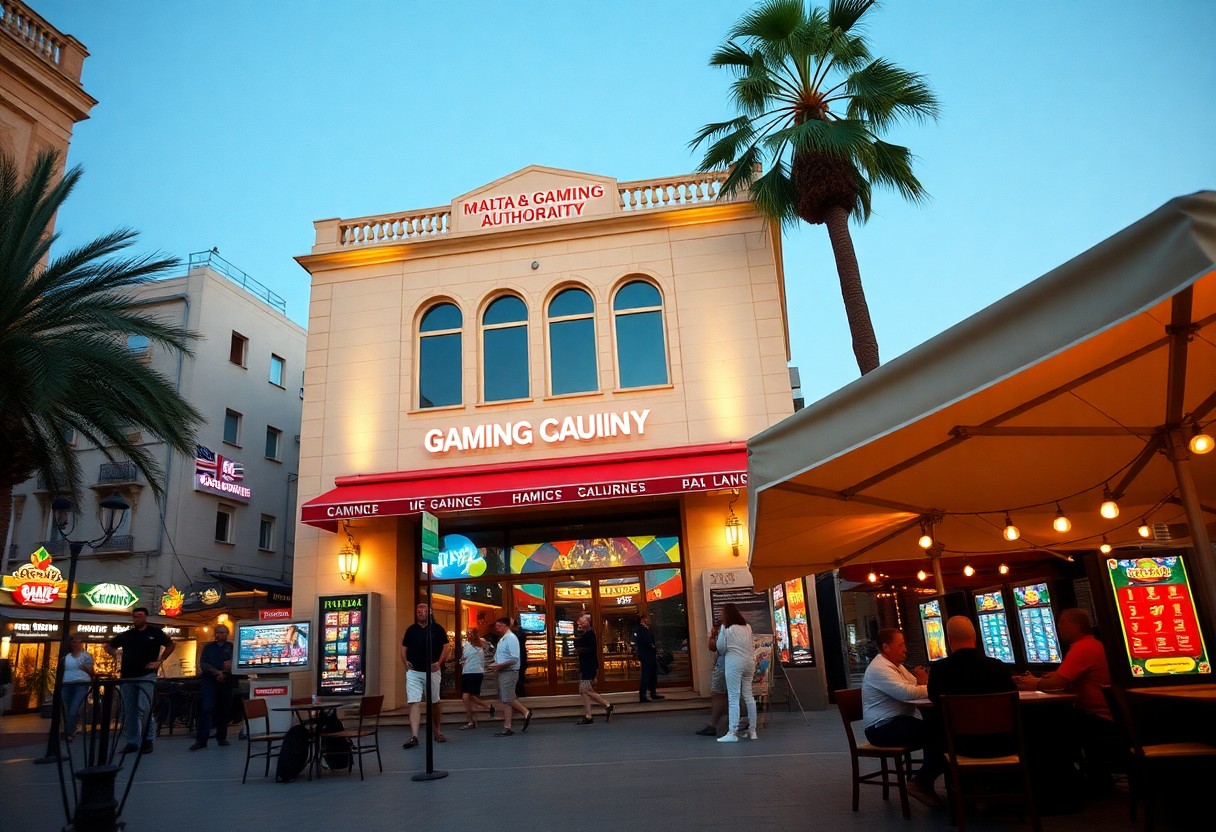
It's vital to analyze Malta's status as a key player in the European gambling landscape amid evolving regulations and market dynamics. Known for its liberal gaming laws and a well-established regulatory framework, Malta has long been a preferred destination for online gambling operators. However, recent challenges, such as increased scrutiny from EU authorities and competition from emerging markets, raise questions about its future as the foremost gambling hub in the EU. This blog post explores into the factors influencing Malta's role in the gambling industry and whether it can maintain its position in this competitive environment.
Just as Malta has established itself as a prominent player in the European gambling industry, recent developments raise questions about its status as an enduring “EU Gambling Hub.” With evolving regulations, increased competition from other jurisdictions, and shifting market dynamics, it is vital to examine Malta's current position and future outlook in the gambling landscape. This post explores the influences shaping Malta's gambling sector and assesses whether it can maintain its esteemed reputation in this highly competitive arena.
Key Takeaways:
- Malta's regulatory framework remains attractive for online gaming operators, fostering a secure environment.
- Increased competition from other EU countries is challenging Malta's dominance as a gambling hub.
- Ongoing compliance with EU regulations is vital for Malta to maintain its reputation and business viability.
Key Takeaways:
- Malta faces increasing competition from other jurisdictions offering attractive regulatory environments for online gambling.
- Changes in EU regulations and enforcement may impact Malta's position and the attractiveness of its licensing regime.
- The need for Malta to innovate and enhance its gaming infrastructure to maintain its status as a desirable location for operators.
Historical Context of Gambling in Malta
Origins of Gambling Regulation in Malta
Gambling in Malta dates back to the 19th century, with the first legal framework established in 1856. This early regulation aimed to manage traditional games, ensuring fair play and generating state revenue. The expansion of gambling activities over the years led to a more structured approach, laying the groundwork for a comprehensive regulatory ecosystem.








Establishment of the Malta Gaming Authority
In 2001, the Malta Gaming Authority (MGA) was created to oversee all gambling activities on the island, revolutionizing its position in the global gaming sector. This move allowed for a centralized body to issue licenses and enforce regulations, highlighting Malta's commitment to transparency and player protection. The MGA has since evolved, adapting regulations to match technological advancements and market demands.
The establishment of the Malta Gaming Authority marked a significant turning point in the regulation of gambling in Malta. With its introduction, the MGA implemented rigorous licensing processes that attracted numerous international operators, positioning Malta as a leading online gaming hub. By establishing clear guidelines for compliance and responsible gaming, the MGA fostered a safe environment for players while promoting innovation within the industry. Its ability to adapt to changing trends has further solidified Malta's reputation, ensuring continued growth and stability in the gambling landscape.
Historical Context of Gambling in Malta
Evolution of Malta's Gambling Industry
Malta's gambling sector began developing in the 1960s with the introduction of land-based casinos. The industry gained momentum significantly in the early 2000s, coinciding with advancements in technology and the rise of online gaming. In 2004, Malta became one of the first jurisdictions to regulate online gambling, positioning itself as a leader in the European market. This evolution has enabled Malta to attract numerous international companies, boosting both its economy and global presence in the gambling sector.
Legal Framework Governing Gambling
The legal framework for gambling in Malta is among the most comprehensive in Europe, encompassing various forms of betting, gaming, and lotteries. The primary legislation, the Remote Gaming Regulations, was enacted in 2004, establishing clear guidelines for operators and ensuring consumer protection standards. Amendments over the years have refined the regulations further, adapting to technological advancements and market dynamics.
This legal structure creates a well-organized environment that complies with EU standards, promoting transparency and security for both operators and players. It provides licensing avenues for various gaming activities, including sports betting, online casinos, and gambling via mobile applications. Continuous updates to the legal framework reflect Malta's commitment to sustaining its competitive edge in the evolving gambling landscape.
Role of the Malta Gaming Authority
The Malta Gaming Authority (MGA) plays a pivotal role in overseeing the gambling industry, ensuring regulatory compliance, and fostering a safe gaming environment. Established in 2001, the MGA not only manages licensing but also conducts audits and enforces regulations to maintain operator standards.
The authority's proactive approach includes regular assessments of operators' financial stability and compliance with anti-money laundering regulations. By facilitating communication with stakeholders and investing in staff training, the MGA aims to adapt to emerging trends while preserving player trust. This diligence underscores Malta's reputation as a responsible gambling jurisdiction in the global market.
Current Landscape of Gambling in Malta
Types of Gambling Licenses Offered
Malta provides various gambling licenses catering to different sectors of the gaming industry. Operators can apply for licenses that cover online gaming, sports betting, and casino operations, all under the supervision of the Malta Gaming Authority (MGA).
- Remote Gaming License
- Sports Betting License
- National Lottery License
- Virtual Sports License
- Manufacturing and Supply License
Assume that these licenses enable operators to build credibility while adhering to stringent compliance standards, thereby enhancing confidence among players.
| License Type | Description |
| Remote Gaming License | For online gaming operators. |
| Sports Betting License | Covers sports betting activities. |
| National Lottery License | For managing national lottery activities. |
| Virtual Sports License | Allows virtual sports betting offerings. |
Major Operators in the Maltese Market
The Maltese market is home to several leading operators, including Betsson Group, Kindred Group, and Gaming Innovation Group. These companies leverage Malta's favorable regulatory environment to deliver diverse gaming experiences across Europe and beyond.
Companies like Betsson Group and Kindred have established significant operations in Malta, utilizing the local workforce's expertise in gaming technology and regulatory compliance. Their presence not only boosts the local economy but also enhances Malta's reputation as a global online gaming leader, attracting new entrants and investors.
Economic Contributions of the Gambling Sector
The gambling sector significantly contributes to Malta's GDP, with estimates suggesting it accounts for approximately 12% of total economic output. Furthermore, the industry generates thousands of jobs, both directly and indirectly, underpinning local businesses and services.
In recent years, the economic impact of gambling has solidified Malta's status as a hub for online gaming. With taxes and revenues collected from licensed operators, the government can invest in infrastructure and public services, cultivating a robust economy that supports sustainable growth for future generations.
Malta's Position Within the EU Gambling Landscape
EU Regulations Impacting Gambling
Malta's gambling sector operates under the framework established by EU regulations, including anti-money laundering directives and data protection laws. Compliance with these regulations ensures that Malta upholds high standards while benefiting from the EU's single market, attracting numerous operators seeking a stable legal environment.
Comparisons with Other EU Gambling Jurisdictions
When compared to other EU member states, Malta stands out due to its comprehensive regulatory approach and more flexible licensing system. Countries like the UK and Sweden may have stricter advertising and taxation policies, which can deter some operators from entering those markets. Malta's ability to balance regulation with business-friendly practices remains a significant advantage.
Comparison of Key EU Gambling Jurisdictions
| Jurisdiction | Regulatory Features |
|---|---|
| Malta | Flexible licensing, EU compliance, and attractive tax rates |
| UK | Strict advertising regulations, high taxes |
| Sweden | High taxation, regulated market with limited licenses |
Malta's competitive edge is evident in its favorable tax rates and the ability to offer various licenses adapted to different types of gaming operators. This pragmatic approach allows Malta to attract a diverse range of businesses, from online casinos to sports betting firms, enhancing its prominence within the EU gambling landscape.
Malta's Contribution to EU Digital Economy
As a key player in the EU digital economy, Malta's gaming industry significantly contributes to job creation and economic growth. The sector not only supports thousands of jobs directly but also fuels ancillary services in technology and marketing, reinforcing Malta's position as a tech-forward nation within the EU.
The growing digital economy in Malta showcases impressive growth figures, with the online gaming sector accounting for a substantial portion of the country's GDP. Initiatives promoting innovation and technology further establish Malta as a hub for digital activities, drawing international businesses looking to leverage the digital realm in a regulated environment. The synergy between gaming and technology sectors enhances Malta's attractiveness as a sustainable digital economy leader.
Regulatory Framework
Key Regulations Governing Gambling Activities
The Maltese gambling landscape is primarily shaped by the Gaming Act of 2001, which was overhauled in 2018 to enhance standards and introduce new licensing categories. This act provides detailed provisions for remote gaming, gaming through land-based casinos, and sports betting. Furthermore, directives from the European Union regarding consumer protection and fair competition inform the enforcement of these regulations, ensuring that operators maintain transparency and player safety.
Compliance and Enforcement Mechanisms
The Malta Gaming Authority (MGA) is the primary body overseeing compliance within the sector, implementing strict measures to ensure operators adhere to licensing requirements. This includes regular audits, player protection initiatives, and adherence to anti-money laundering regulations. Failure to comply can lead to penalties, including revocation of licenses, thereby reinforcing a secure environment for players and maintaining Malta's reputation as a trusted gambling hub.
The compliance regime established by the MGA encompasses a multi-faceted approach, incorporating risk assessments, ongoing monitoring, and coordination with international regulatory bodies. Operators must submit regular reports and engage in self-assessments to align with the global standards of responsible gambling and anti-fraud measures. This robust framework aims to protect consumers and uphold the integrity of the gambling industry in Malta, fostering confidence among stakeholders.
Impact of EU Regulations on Malta's Gambling Laws
The influence of EU regulations is significant in shaping Malta's gambling laws, particularly through directives focusing on consumer rights and market liberalization. Malta's adherence to these regulations ensures that its laws remain compatible with broader European standards, facilitating cross-border operations for gaming companies. The alignment also helps to attract international operators seeking a stable and compliant jurisdiction within the EU framework.
EU regulations have driven Malta to refine its legislative structure continuously, ensuring that its legislation addresses key issues such as data protection, taxation, and fair trading practices. Compliance with the General Data Protection Regulation (GDPR) has become crucial for operators, enhancing customer trust and safeguarding personal information. This alignment not only maintains Malta's status as a gambling hub but also promotes a competitive edge in the increasingly crowded European market.
Economic Impact of Gambling on Malta
Revenue Generation from Gambling Activities
The gambling sector in Malta significantly contributes to the national economy, generating approximately €1.2 billion in revenue annually. This revenue stream comes from various sources, including online betting, casino operations, and lotteries. The industry not only bolsters tax income but also stimulates public investment in necessary services and infrastructure.
Employment Opportunities Created by the Industry
The growth of Malta's gambling industry has led to the creation of thousands of jobs, encompassing roles in technology, customer service, regulatory compliance, and marketing. As of 2022, the sector employed over 8,000 individuals, with ample opportunities for both local and foreign nationals.
This vibrant job market drives skills development and encourages the establishment of educational programs aligned with industry needs. Companies often invest in training and development, equipping employees with skills necessary for an evolving digital environment. Moreover, the inclusive nature of the job opportunities fosters a diverse workforce, supporting various demographic groups and enhancing local labor dynamics.
Sector Diversification and Innovation
<pMalta's gambling industry has evolved beyond traditional gaming, embracing innovative technologies like blockchain and artificial intelligence. This diversification encourages investment in new ventures, further cementing Malta's status as a leader in gaming technology. As a result, the sector attracts entrepreneurs and tech startups looking to leverage Malta's favorable regulatory environment.
This emphasis on innovation creates a ripple effect throughout the local economy, inspiring collaborations between gaming companies and technology innovators. The introduction of cutting-edge solutions—such as live dealer technology and gamification—has enhanced user experience and engagement, demonstrating the potential for continuous growth and adaptation in Malta's gambling landscape.
Competition from Other Jurisdictions
Emergence of Alternative Gambling Hubs
Countries like the UK, Estonia, and Curacao are rapidly gaining traction as alternative gambling hubs. Their regulatory frameworks, which often promote flexibility and innovation, attract operators seeking favorable conditions. These jurisdictions provide competitive licensing costs and faster approval processes, positioning themselves as appealing options for businesses looking to establish a presence in the online gambling market.
Comparative Analysis of Tax Rates and Regulations
A table comparing tax rates and regulatory requirements highlights the varying appeals of different jurisdictions for gambling operators.
Tax Rates and Regulatory Comparison
| Jurisdiction | Tax Rate (%) |
| Malta | 5-10 |
| United Kingdom | 21 |
| Estonia | 20 |
| Curacao | 2 |
Malta's tax rate, ranging from 5% to 10%, remains competitive, especially compared to the UK's higher rate of 21%. However, Curacao's mere 2% tax rate is alluring for operators seeking minimal financial burden. Meanwhile, Estonia's straightforward regulatory environment offers a clear pathway for compliance, inviting operators to explore their options outside Malta.
Effect of Global Trends on Malta's Gambling Appeal
Global trends, such as the rise of mobile gaming and esports betting, influence Malta's status as a gambling hub. While Malta has adapted to these changes, the pace of regulatory modernization may not match the speed of innovation seen in other jurisdictions.
The increasing popularity of mobile and esports betting shapes consumer preferences, compelling jurisdictions to refine regulations continually. Although Malta has made strides, competitors like the UK have implemented agile frameworks that address emerging trends quickly. This dynamic poses a potential challenge, as operators gravitate toward locations responsive to evolving market demands, potentially impacting Malta's appeal in the long term.
Challenges Facing Malta as a Gambling Hub
Regulatory Compliance Issues
Maintaining stringent regulatory compliance has become increasingly challenging for Malta. As the EU intensifies scrutiny over money laundering and consumer protection measures, Maltese operators face the complication of keeping pace with evolving regulations while ensuring that they remain competitive. The failure to comply can lead to heavy fines and damage to Malta's reputation as a reliable jurisdiction for gambling businesses.
International Competition and Market Saturation
Malta's gambling market is experiencing significant saturation as operators seek alternative jurisdictions with more favorable regulations. Countries like Sweden and Portugal are emerging as attractive destinations, offering competitive tax rates and simplified licensing processes. This shift poses a threat to Malta's market dominance and can dilute its appeal to new entrants.
As more jurisdictions refine their regulatory frameworks and create attractive incentives for operators, Malta risks losing its edge. For instance, the rise of jurisdictions offering lower tax rates and expedited licensing is drawing businesses that previously prioritized Malta's established regulatory landscape. If operators perceive better value elsewhere, Malta could see a decline in both investment and innovation.
Reputational Risks and Public Perception
The ongoing challenges faced by Malta in the gambling sector have led to rising reputational risks. Instances of regulatory breaches, scandals, and questionable business practices in the industry have contributed to a growing skepticism among stakeholders. Public perception can significantly impact Malta's attractiveness to potential investors and operators.
Recent controversies involving high-profile operators have fueled doubts about Malta's commitment to maintaining rigorous standards. As international scrutiny increases, Malta must work diligently to restore its credibility and rebuild trust within the global gambling community. A tarnished reputation can have far-reaching implications, deterring reputable companies from entering the market and potentially jeopardizing the contributions the gambling sector makes to the Maltese economy.
The Impact of Recent Legislative Changes
Overview of Recent Regulatory Amendments
Recent amendments to Malta's gambling legislation include enhanced player protection measures, stricter advertising standards, and more rigorous licensing requirements. These changes aim to address concerns over responsible gaming and bolster the integrity of the market. The revised framework also introduces a new grading system for operators, ensuring compliance with both local and European norms.
Response from Industry Stakeholders
Industry stakeholders have shown mixed reactions to the new legislative amendments, highlighting both opportunities and challenges. While some operators praise the focus on player protection and transparency, others express concerns about the increased regulatory burden and potential impact on operational costs.
Several key players in the gambling sector, including major online casinos and sports betting companies, have publicly stated their support for initiatives promoting responsible gambling. However, they also advocate for a balanced approach to regulation, emphasizing that overly stringent measures could deter investment and innovation within the market. This dialogue reflects a broader concern about the impact of regulation on competition and Malta's attractiveness as a gaming hub.
Consequences for Market Stability and Growth
The recent legislative changes could significantly influence market stability and growth. Although they may enhance consumer trust, stricter regulations might discourage new market entrants, affecting overall competition.
As Malta tightens its regulations, the potential for reduced competition becomes apparent. Established operators may benefit from increased barriers to entry, but this could lead to stagnation in the sector. Additionally, if operational costs rise due to compliance demands, smaller operators may find it difficult to sustain profit margins, ultimately affecting job creation and market dynamism within Malta's gambling industry.
Future Prospects for Malta's Gambling Industry
Technological Advances in Online Gambling
Malta's gambling industry is poised for transformation through technological innovations, particularly in online gambling. Advances such as blockchain technology, augmented reality, and artificial intelligence enhance user experience, providing players with streamlined interfaces and enhanced security. Malta's regulatory environment is adapting to these trends, fostering an ecosystem that supports the growth of tech-driven gambling solutions, ultimately attracting more operators and investors.
Potential Changes in Regulatory Framework
Anticipated shifts in Malta's regulatory framework aim to address emerging challenges in the gambling sector. These changes could include stricter compliance requirements for advertising and player protection, aligning Malta's regulations with best practices from other leading jurisdictions. Furthermore, incentives may be introduced to promote sustainable gambling habits, ensuring that player welfare remains a priority while maintaining Malta's competitive edge.
Specific modifications might see the integration of enhanced player verification processes and adjustments to the licensing requirements for new operators. This approach seeks to mitigate risks associated with problem gambling and fraud while encouraging responsible gaming. By establishing clearer guidelines, Malta can reinforce its status as a reputable gambling hub, cultivating trust among players and operators alike.
Impact of Global Gambling Trends
Global gambling trends are significantly influencing Malta's gambling landscape, with a shift towards mobile gaming and live dealer experiences. Emerging markets in Asia and North America are expanding, prompting Maltese operators to adapt their strategies to remain competitive. This global interconnectedness offers opportunities for growth while also challenging Malta to innovate continually.
The rise of social gaming and esports betting reflects new player demographics and preferences, requiring Maltese operators to diversify their offerings. Consequently, Malta's regulatory authorities may need to revise existing frameworks to accommodate these trends, ensuring they remain aligned with international practices. By doing so, Malta can harness these global dynamics to reinforce its position as a leading gambling destination in Europe.
Challenges Facing the Gambling Industry in Malta
Public Perception and Social Impact
Public perception of Malta's gambling industry has faced scrutiny, with concerns about gambling addiction and its societal effects. Critics argue that Malta's liberal regulatory environment may attract operators that prioritize profit over player welfare, fostering negative social outcomes.
Addressing Problem Gambling and Consumer Protection
The Maltese government has initiated several measures aimed at combating problem gambling, including public awareness campaigns and enhanced regulatory frameworks. These efforts focus on ensuring consumer protection and promoting safe gambling practices.
Legislation like the Gaming Act emphasizes the need for operators to implement robust responsible gambling protocols, such as self-exclusion tools and mandatory risk assessment. Collaborations with organizations like the Malta Responsible Gaming Foundation are crucial for providing help services and generating support networks for affected individuals.
Balancing Growth with Responsible Gambling Practices
As Malta's gambling sector continues to expand, striking a balance between industry growth and responsible gambling practices is vital. Regulatory bodies face the challenge of encouraging innovation while safeguarding player welfare.
Operators are increasingly adopting advanced technologies like AI-driven analytics to monitor player behavior, enabling early intervention for potentially harmful gambling patterns. Additionally, regulatory measures require licensees to demonstrate accountability in their marketing strategies, ensuring that promotional activities do not exploit vulnerable groups while supporting sustainable growth in the industry.
Stakeholder Perspectives
Views from Industry Experts
Industry experts suggest that Malta retains its status as a viable gambling hub, citing its well-established regulatory framework and reputation for fostering innovation. However, concerns arise regarding increased competition from other jurisdictions that may offer more attractive tax incentives and streamlined regulations, requiring Malta to adapt to maintain its relevance.
Insights from Regulatory Bodies
Regulatory bodies emphasize the importance of maintaining robust compliance and oversight mechanisms to protect consumers. Malta's Gaming Authority (MGA) continues to implement stricter regulations to ensure transparency and integrity in the gambling sector, which some view as an necessary evolution in response to global market pressures.
Recent audits and compliance checks initiated by the MGA have resulted in enhanced scrutiny, aiming to prevent money laundering and fraud in the sector. Stakeholders argue that such measures bolster Malta's position as a responsible gambling destination, even as other jurisdictions venture into more lenient regulatory frameworks to attract operators.
Opinions of Local Communities
Local communities express mixed feelings about the gambling industry in Malta. While some recognize the economic benefits, including job creation and tourism revenue, others voice concerns over social issues such as gambling addiction and its impact on families.
Community organizations have been vocal about the need for comprehensive support systems to address gambling-related problems. Initiatives aimed at raising awareness and providing assistance to affected individuals are gaining traction, reflecting a growing consciousness around the gambling industry's societal implications. Balancing economic growth with community welfare remains a priority for many stakeholders in Malta.
Future Prospects for Malta as an EU Gambling Hub
Potential Areas for Growth and Diversification
Malta's gambling industry has significant room for growth, particularly in emerging sectors like esports and virtual reality (VR) gaming. By leveraging technological advancements, Malta can enhance its appeal to younger demographics. Blockchain technology in gaming operations and an increased focus on responsible gambling initiatives can attract new operators and create a diversified market landscape.
Strategic Initiatives by the Government and Industry
The Maltese government, in collaboration with industry stakeholders, is actively pursuing reforms to solidify its status as a gambling hub. Initiatives include easing licensing processes for startups and enhancing training programs aimed at developing local talent while adopting a more flexible regulatory approach to accommodate diverse gaming products.
Recent initiatives also emphasize partnerships between educational institutions and gaming companies, creating a skilled workforce that aligns with industry needs. Furthermore, Malta has been engaging in international agreements to facilitate cross-border operations, positioning itself favorably within the global market. The introduction of incentives for innovative tech firms within the sector can foster entrepreneurial growth, enhancing Malta's appeal as a forward-thinking gambling destination.
Long-term Sustainability and Adaptation Strategies
Long-term sustainability for Malta's gambling sector hinges on its ability to adapt to rapid technological and regulatory changes. This includes investing in cybersecurity measures and improving transparency in operations to build trust with consumers and regulators alike.
To ensure viability, Malta should focus on a holistic strategy that encompasses skill development, infrastructure investment, and robust regulatory frameworks. By fostering innovation through incubators targeted at startups in tech and gaming, the government can cultivate a dynamic ecosystem. Regular assessments of industry trends and proactive amendments to policies can also help maintain Malta's competitive edge in the evolving EU gambling landscape.
Conclusion
With this in mind, Malta continues to be a significant player in the European gambling industry, benefiting from established regulatory frameworks and a competitive environment. However, ongoing scrutiny regarding compliance and investor confidence will determine its future standing as an EU gambling hub. To maintain its status, Malta must adapt to evolving regulations and market dynamics while addressing any concerns that may undermine its appeal to operators and players alike.
FAQ
Q: What factors contribute to Malta's status as a gambling hub in the EU?
A: Malta's favorable regulatory framework, tax incentives, and a strong online gaming infrastructure contribute to its status. Additionally, the Malta Gaming Authority (MGA) provides a comprehensive licensing process that is recognized across Europe.
Q: How has Malta adapted to changes in EU gambling regulations?
A: Malta continuously updates its legislation to align with EU standards, ensuring compliance and promoting responsible gaming. The MGA also engages with other EU regulatory bodies to foster cooperation and share best practices.
Q: What challenges does Malta face in maintaining its gambling hub status?
A: Malta faces challenges such as increased competition from other jurisdictions, evolving regulatory environments, and the need to address concerns surrounding player protection and gambling addiction.
Q: How does the local economy benefit from the gambling industry in Malta?
A: The gambling industry significantly contributes to Malta's economy through job creation, tourism, and tax revenue. It provides employment to thousands and attracts international businesses, enhancing overall economic growth.
Q: What is the future outlook for Malta as an EU gambling hub?
A: The future outlook is promising, provided Malta continues to innovate and adapt to market changes. By promoting a safe gaming environment and enhancing its regulatory framework, Malta can solidify its position as a leading gambling hub in the EU.
Conclusion
The evaluation of Malta's status as an EU gambling hub reveals its ongoing significance despite emerging competition and regulatory challenges. The island remains a preferred destination for operators due to its established regulatory framework and favorable taxation. However, maintaining its position will require strategic adaptations to evolving EU regulations and market demands. As Malta navigates these complexities, its ability to innovate and enhance regulatory practices will determine its future standing in the competitive landscape of European gambling markets.

Esther
I am a professional writer with 8 years of experience in this field and I can provide you with the best-written content you can find. Education B.A. - English, George Washington University, United States, Graduated 2011.
Related Posts




Lotto BW used the World Cup to promote online slots
July 24, 2026

Playtech expands into Alberta iGaming market
July 16, 2026