Is the Curaçao Model Exporting Non-Compliance?
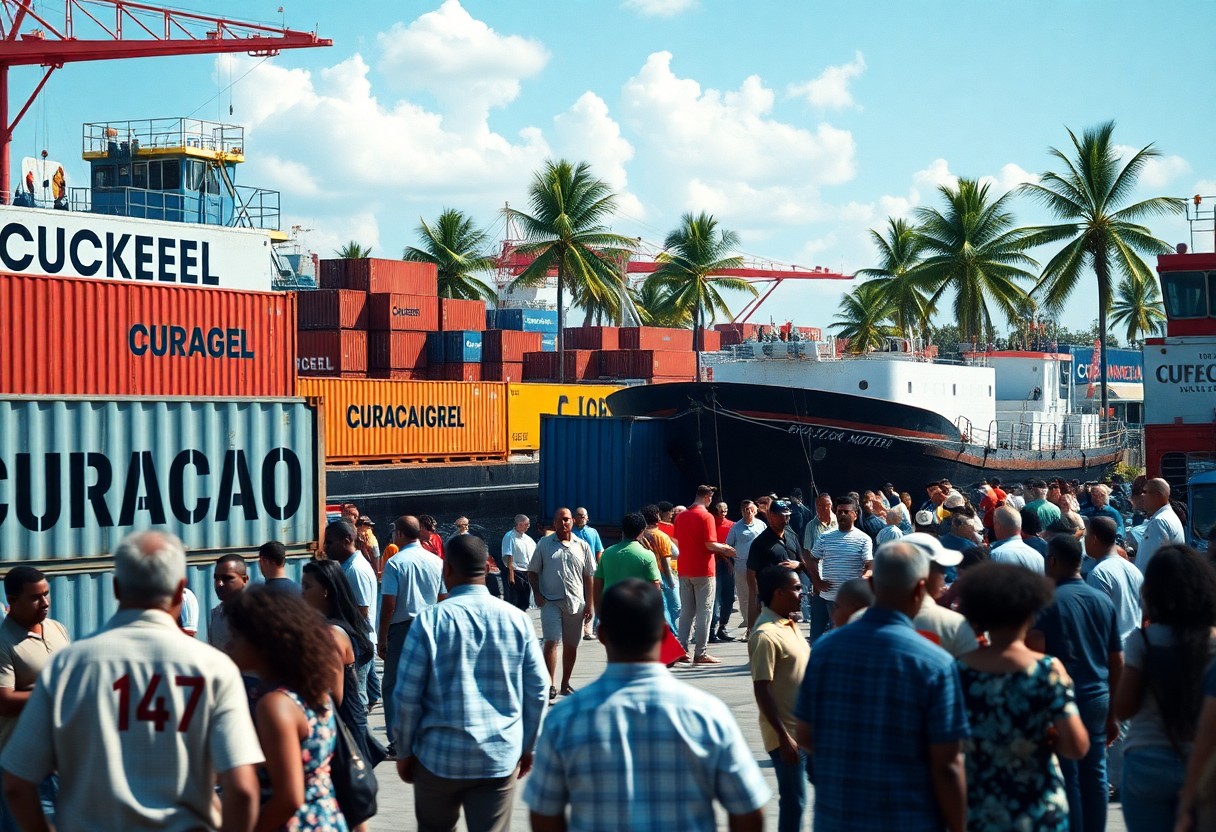
Just as the global financial landscape evolves, the Curaçao model has garnered attention for its regulatory practices and implications for compliance standards. This blog post probes into whether the financial framework employed by Curaçao is setting a precedent for non-compliance in international financial markets. By examining the structure of Curaçao's financial regulations and their impact on global standards, this analysis aims to provide a comprehensive overview of how these practices may influence other jurisdictions and the broader implications for financial integrity worldwide.
The Curaçao Model: An Economic Phenomenon
Historical Context of Financial Services in Curaçao
Curaçao's financial services sector emerged in the mid-20th century, largely due to its strategic location and favorable tax conditions. The island became an attractive offshore jurisdiction for international business, drawing in numerous companies looking to capitalize on its legal and regulatory advantages. By the 1980s, Curaçao had established a reputation as a key player in the global offshore finance space, with a particular focus on banking, insurance, and asset management sectors. This historical context set the foundation for a financial ecosystem that prioritized privacy and minimal regulatory oversight, allowing institutions to thrive with little interference.
As global regulations began tightening in the 1990s and 2000s to combat money laundering and tax evasion, Curaçao's financial services rapidly evolved. The requirements for foreign entities seeking to establish a presence in Curaçao shifted, with an emphasis on maintaining compliance with international standards. Nevertheless, the island managed to attract a diverse array of international businesses that valued its unique position as a tax haven and its relatively lenient regulatory framework. By balancing the dual aspects of economic development and compliance, Curaçao carved out a niche that has continued to persist amidst ongoing global scrutiny.








Regulatory Framework and Its Evolution
Curaçao's regulatory framework has undergone significant transformation in response to external pressures from organizations like the Financial Action Task Force (FATF) and the OECD. Initially characterized by a lack of stringent regulations, the jurisdiction has made strides to develop a more robust legal environment since the early 2000s. In response to increased concerns about money laundering, the Curaçao Financial Services Authority (CFSA) was established to oversee financial institutions and ensure compliance with international standards. The CFSA's role has been pivotal in adapting local laws to align with global expectations, including the implementation of Anti-Money Laundering (AML) and Combating the Financing of Terrorism (CFT) legislation.
Over the years, several modifications have been enacted to enhance the regulatory ecosystem, including the introduction of the General Data Protection Regulation (GDPR) to foster data protection and privacy among financial entities operating within its borders. This ongoing evolution reflects an intent to balance the benefits of a favorable economic environment while striving towards greater global accountability. However, some remain skeptical about the effectiveness of these measures, arguing that they may not fully address the potential for non-compliance and risk that remains prevalent in the jurisdiction.
Curaçao's commitment to regulatory enhancements is evident in its efforts to strengthen the effectiveness of its financial supervisory framework. Frequent assessments and updates occur to ensure that local regulations directly tackle emerging international challenges, reflecting a proactive approach. However, critics argue that substantial loopholes still exist, allowing entities to exploit softer compliance measures. Hence, while the legal architecture has improved, the practical implementation of these regulations invites ongoing debate and scrutiny, with growing awareness that it may not be sufficient to dispel ongoing concerns about non-compliance in the Curaçao model.
The Appeal of the Curaçao Model for Businesses
Tax Benefits and Incentives
One of the most significant attractions of the Curaçao model stems from its favorable tax regime. Businesses registered in Curaçao can benefit from low corporate tax rates, often as low as 2% on profits, depending on the nature of their operations. Additionally, Curaçao has numerous double taxation treaties that facilitate international trade, preventing double taxation on income and providing extensive opportunities for global business expansion. This financial environment creates a compelling case for companies seeking to maximize their profits while minimizing tax liabilities.
Furthermore, the government's commitment to fostering an investor-friendly environment includes various incentives aimed at attracting foreign direct investment. For instance, tax holidays and exemptions for specific sectors, such as tourism and technology, can significantly enhance a company's profitability. By leveraging these tax benefits, businesses can allocate more resources towards growth initiatives, research and development, and improving operational efficiencies, thereby giving them a competitive edge in the global marketplace.
Flexibility in Corporate Structure
The Curaçao model also offers remarkable flexibility in corporate structures. Companies can easily structure themselves in a way that optimally suits their business needs, accommodating various forms of ownership, from sole proprietorships to partnerships and limited liability companies. This adaptability allows entrepreneurs and corporate investors to tailor their business entities to align with their strategic goals, risk appetite, and operational frameworks.
Additionally, the regulatory environment in Curaçao supports the establishment of various types of legal entities without bureaucratic hurdles. The rapid incorporation process and minimal capital requirements further enhance this flexibility, allowing businesses to launch and operate with efficiency. With provisions for alternative investment funds and offshore entities, companies can diversify their business activities seamlessly, catering to a wide range of market opportunities while enjoying the protections offered by the jurisdiction.
Many businesses leverage Curaçao's flexible corporate structure to enhance their market penetration. This flexibility means companies can test new products or services in different configurations before deciding on a permanent structure. The ability to pivot quickly without cumbersome compliance issues makes the Curaçao model particularly attractive for startups and growth-oriented organizations seeking to navigate competitive and dynamic markets.
Identifying Non-Compliance: Key Indicators
Detection Methods Used by Regulatory Bodies
Regulatory bodies employ a variety of methods to detect instances of non-compliance within the framework of the Curaçao model. Advanced data analytics play a central role, enabling authorities to analyze suspicious transactions by monitoring patterns and anomalies that diverge from typical behavior. Reports from financial institutions, such as suspicious activity reports (SARs) and threshold reports, serve as important sources of intelligence, triggering deeper investigations into clients and their activities. Additionally, collaboration with international bodies like the Financial Action Task Force (FATF) enhances these efforts, pushing for greater transparency and information-sharing between jurisdictions.
On-site inspections and audits also remain vital components of compliance monitoring. These assessments take a closer look at the internal controls and practices of businesses operating within Curaçao's financial framework. By verifying that companies have implemented effective compliance programs and following Anti-Money Laundering (AML) and Counter-Terrorism Financing (CTF) standards, regulators can identify gaps that could lead to potential non-compliance.
Historical Cases of Non-Compliance in Curaçao
The history of financial oversight in Curaçao reveals several instances of non-compliance that have raised red flags among international observers. In 2015, the country faced scrutiny after the Caribbean Financial Action Task Force (CFATF) issued a report highlighting weaknesses in its AML framework. This scrutiny blossomed into significant reforms intended to fortify compliance measures, yet lingering issues have continued to attract attention. In 2019, an investigation uncovered irregularities involving local financial institutions that had allegedly facilitated transactions connected to money laundering activities.
In addition to the 2015 CFATF report, the fallout from an investigation into a regional bank led to punitive measures against entities that failed to adhere to established compliance protocols. Cases involving both dormant accounts and offshore businesses highlighted procedural vulnerabilities that allowed illicit activities to flourish beneath the surface. Investigations have shown that compliance failures predominantly stemmed from inadequate risk assessment practices, where institutions were unable to properly evaluate the nature and risk level of their clients, ultimately contributing to shortcomings that regulators aim to address.
The Mechanics of Non-Compliance Exportation
How Non-Compliance is Touted as a Competitive Advantage
Proponents of the Curaçao model often emphasize its flexibility and minimal regulatory burden as selling points to attract businesses, particularly in industries like online gambling and financial services. The relaxed compliance requirements create an allure for companies looking to minimize operational costs, enhance profit margins, and enter international markets swiftly. By presenting themselves as easier to navigate than more heavily regulated jurisdictions, Curaçao has carved out a niche, effectively marketing non-compliance as a feature rather than a flaw. This marketing strategy appeals to businesses hoping to avoid the rigorous due diligence expected in regions like the European Union or the United States, thus prioritizing speed and simplicity over stringent oversight.
This strategy is clear in the rapid growth of the online gaming sector within Curaçao. As of 2023, over 500 licenses have been issued, a number that signals how the competitive advantage of non-compliance can drive significant economic activity. Many companies have leveraged the lax regulations as a means to establish operations quickly, and this rush sometimes results in ethical oversights, raising questions about long-term sustainability and trust within the market.
The Role of Service Providers and Intermediaries
Service providers and intermediaries play a pivotal role in the non-compliance landscape of Curaçao, acting as facilitators for businesses seeking to leverage these relaxed regulations. Legal advisors, corporate service firms, and compliance consultants often guide companies through the process of establishing operations in Curaçao, highlighting the less stringent requirements as a boon. These intermediaries possess extensive knowledge of the local regulatory environment, allowing them to expertly navigate the requirements and streamline the setup process. As demand for these services grows, a cottage industry has emerged, built on the strategic advantage of minimal compliance oversight.
Furthermore, the focus on competitive pricing by service providers underscores a paradox: while they promote lower barriers to entry, this can lead to an overall deterioration of standards in the sector. Cases have arisen where firms, spurred on by the ease of access, prioritize profit over ethical practices, leading to a spiral where non-compliance becomes not just an isolated issue but a normalized aspect of business operation within Curaçao. The growing reliance on intermediaries perpetuates a cycle of non-compliance, making it important to scrutinize the broader implications for both the local economy and international markets.
Global Reception of the Curaçao Model
Client Perceptions and Demand Trends
The global reception of the Curaçao model has been notably influenced by client perceptions that prioritize jurisdictional advantages related to privacy and regulatory leniency. A spectrum of businesses, particularly in the online gaming and cryptocurrency sectors, actively seek environments that promise minimal oversight and maximum confidentiality. Surveys indicate a 30% annual growth in establishments opting for Curaçao licensing, as firms view it as a viable alternative to the more stringent regulations found in markets like the UK or the EU. Consequently, this allure of operational flexibility not only attracts new ventures but also reinforces a demand cycle that perpetuates the model's appeal.
Moreover, the demand for these services often stems from regions struggling with reliable, compliant regulatory frameworks, prompting interested parties to consider the Curaçao jurisdiction as a viable escape route. The influx of businesses has led to an increased number of local service providers, fostering a competitive market that further entrenches the non-compliance mentality. As such, prospective clients might unwittingly perpetuate a cycle that normalizes practices often deemed avoidant of regulatory scrutiny.
Reactions from International Regulatory Bodies
International regulatory bodies have responded to the Curaçao model with a mix of scrutiny and calls for reform. Institutions such as the Financial Action Task Force (FATF) have flagged the jurisdiction for its perceived deficiencies in money laundering controls, prompting concerns about the broader implications of such regulatory leniency on the global financial system. In particular, several jurisdictions have taken steps to blacklist or scrutinize businesses licensed in Curaçao, demonstrating a growing awareness of the negative externalities associated with non-compliance in this model.
For example, the European Union has expressed intentions to tighten its regulatory grip, influencing member states to scrutinize transactions linked to Curaçao entities more rigorously. This could lead to increased barriers for businesses looking to engage with EU markets, effectively undermining the advantages that initially attracted them to Curaçao. Furthermore, the reluctance of reputable financial institutions to engage with entities from jurisdictions perceived as non-compliant has sparked significant debate within international forums, underscoring the urgency for reform in Curaçao's regulatory approach.
Ethical Implications of Exporting Non-Compliance
The Moral Debate Surrounding Tax Havens
The utilization of tax havens such as Curaçao stirs a complex moral debate, centered around the principles of fairness and responsibility in global economic structures. Advocates argue that these jurisdictions provide vital financial flexibility for businesses, enabling them to allocate resources in ways that stimulate growth and innovation. However, critics contend that this practice undermines the social contract by allowing corporations to sidestep their fair share of taxes, leading to a deficit in public funding for necessary services. This ethical dilemma becomes even more pronounced when discussing the role of wealthy individuals and multinational companies that exploit legal loopholes while low- and middle-income earners shoulder a disproportionate tax burden in their respective countries.
Moreover, the growing visibility of economic inequality stirs public outrage against such tax practices. The disparity between corporate profits, often parked in offshore accounts, and the fiscal responsibilities that average citizens bear sharpens discussions about corporate ethics. Particularly, the narrative around tax evasion and avoidance forces stakeholders to question the integrity of businesses that embrace non-compliance as a competitive strategy. It poses pressing questions on whether sustainability and corporate social responsibility can coexist with tax avoidance tactics.
Impacts on Developing Nations
Developing nations are increasingly feeling the repercussions of the Curaçao model's implications, primarily through significant revenue losses that exacerbate systemic inequalities. These countries often depend on tax revenue to fund necessary infrastructure, healthcare, and education initiatives. The diversion of capital to offshore havens deprives them of crucial investment opportunities that might otherwise be available for domestic developments. For instance, the United Nations estimates that developing nations lost $1.3 trillion in tax revenues to illicit financial flows in 2020, illustrating a staggering impact on their economic prospects.
At the same time, the allure of tax havens creates a siphoning effect where businesses prioritize short-term financial benefits over long-term developmental contributions to their home countries. Nations rich in resources yet reliant on foreign investments find themselves in a paradox, where they create conducive environments for growth while simultaneously compromising their fiscal autonomy. The ramifications are dire; reduced investments in human capital and infrastructure ultimately hinder socioeconomic mobility and development, perpetuating a cycle of poverty that traps millions in financial precarity.
Legal Implications: Crossing Borders with Non-Compliance
Examination of Extraterritorial Jurisdiction
Extraterritorial jurisdiction emerges as a pivotal concept in understanding how non-compliance can seep across borders. Several countries assert their legal reach beyond national boundaries when they believe their interests are directly affected. The United States, for instance, has leveraged extraterritorial jurisdiction to hold foreign entities accountable for actions occurring outside its borders, especially concerning tax compliance and anti-money laundering regulations. Notable cases include investigations leading to substantial penalties for banks in Switzerland and Panama, illustrating how nations can impose their laws on industries far from their shores.
This concept raises complex questions about legitimacy and fairness, as foreign businesses operating under local laws may find themselves ensnared in international regulations that could conflict with or exceed their home country's standards. The ramifications are significant—a company found guilty of non-compliance in one jurisdiction could face bans or penalties in others, making it imperative for businesses to navigate these international waters cautiously. Companies eager to capitalize on Curaçao's model must remain acutely aware of how extraterritorial laws may impact their operations globally.
The Role of International Treaties and Agreements
International treaties and agreements serve as frameworks to address the challenges posed by national non-compliance. Treaties like the OECD's Common Reporting Standard (CRS) have evolved to create a level playing field, compelling jurisdictions to adhere to standardized rules related to tax transparency and information exchange. In recent years, countries have increasingly collaborated through agreements to prevent tax evasion and maintain a collective stance against the exploitation of tax havens.
Additional frameworks, such as FATCA between the U.S. and various nations, further magnify the impact of international cooperation. Countries signing these treaties often reshape their regulatory environments to align with global standards, thereby reducing opportunities for non-compliance. As nations continue to address the repercussions of tax avoidance, entities utilizing Curaçao's model must remain vigilant of how shifting international obligations may compel them to rethink their compliance strategies.
Financial Transparency vs. Non-Compliance: A Balancing Act
Best Practices for Maintaining Compliance
Achieving compliance while promoting financial transparency requires a strategic approach that incorporates rigorous standards and proactive engagement with international norms. Jurisdictions like Curaçao are starting to implement robust anti-money laundering (AML) measures and follow the Financial Action Task Force (FATF) recommendations, ensuring they are aligned with the global regulatory landscape. This includes regular audits, enhanced due diligence, and the establishment of beneficial ownership registries, which serve to strengthen the overall integrity of the financial system. Data compiled from recent assessments indicate that jurisdictions that adopt best practices in compliance not only enhance their reputations but also attract reputable investors who value transparency.
Collaboration between public and private sectors is fundamental in fostering a culture of compliance. Institutions should not only comply with existing regulations but also engage in continuous dialogue with regulatory bodies to adapt to changing standards. By offering training programs and workshops that educate stakeholders about compliance protocols, jurisdictions can cultivate a sense of responsibility among financial service providers. Such initiatives can significantly mitigate risks associated with non-compliance and further entrench a commitment to ethical standards.
Innovative Transparency Solutions Adopted in Other Jurisdictions
Several jurisdictions beyond Curaçao have made significant strides in implementing innovative transparency solutions that effectively address financial compliance. For example, Estonia embraced digital leads in governance by adopting blockchain technology to secure public records, creating a more transparent framework that empowers both citizens and businesses. This technological shift has not only improved operational efficiency but has also increased public trust in governmental institutions. Similarly, the United Kingdom has introduced the Register of Persons with Significant Control (PSC), which mandates companies to disclose information about their ultimate beneficial owners, thereby reducing opportunities for tax evasion and money laundering.
The use of technology like artificial intelligence and big data analytics for real-time compliance monitoring is becoming more prevalent in nations like Singapore and Canada. These innovative solutions enable regulatory authorities to detect suspicious activities swiftly, improving response times and ultimately reinforcing comprehensive compliance measures. The adoption of data-sharing agreements between countries also facilitates better collaboration in tracking financial flows, which can curb practices that contribute to non-compliance. Thus, these pioneering approaches illustrate a pathway for jurisdictions like Curaçao to adopt next-level transparency initiatives, positioning themselves as leaders in financial integrity.
The Future of the Curaçao Model Amidst Global Reform
Predictions for Regulatory Changes
Changes in the global landscape could significantly reshape the future of the Curaçao model. As countries tighten their financial regulations in response to international pressure, it appears inevitable that Curaçao will also adapt its framework. The Financial Action Task Force (FATF) has increasingly focused on enhancing compliance standards, pushing for transparency in financial systems worldwide. Emerging technologies, such as blockchain and digital currencies, might also play a role in how jurisdictions like Curaçao reform their regulations, potentially embedding more robust compliance measures directly within their new financial ecosystems.
Curaçao's response will likely entail stricter enforcement of Know Your Customer (KYC) and Anti-Money Laundering (AML) regulations. With global scrutiny mounting, local authorities may prioritize enhancing their reputation as a legitimate financial hub. By adopting measures that align with international standards, Curaçao could attract businesses that prefer a more compliant and stable environment, thereby differentiating itself from other less-regulated jurisdictions.
Potential Shifts in Market Dynamics
The evolving regulatory environment may catalyze shifts in market dynamics that impact stakeholders across the board. As firms operating under the Curaçao model adapt to the anticipated compliance changes, competition might intensify among jurisdictions vying for business. More compliant entities could lead to an influx of capital into Curaçao, ideally boosting both the local economy and the infrastructure necessary to support these firms. However, there's the possibility that some entities facing the constraints of enhanced regulations may choose to relocate to regions with more favorable policies, thereby altering the competitive landscape.
Increased scrutiny may also lead to a consolidation of companies operating in this space. Firms that lack the resources to meet new compliance requirements could exit the market, leaving behind a more refined and potentially more resilient sector focused on sustainable business practices. This could result in larger players dominating the market, which may ultimately lead to innovations in compliance technology as the remaining firms invest heavily in enhancing their operational frameworks. The landscape could become increasingly defined by competence in navigating a complex international compliance landscape, with a further focus on ethical business practices.
Lessons from Other Jurisdictions: What Can Be Learned?
Successful Compliance Models from Around the World
Models from jurisdictions like the United Kingdom and Singapore demonstrate how streamlined regulation and proactive compliance can enhance a country's standing on the global stage. The UK's stringent licensing requirements and its commitment to transparency in financial services have established a robust framework that significantly mitigates the risk of non-compliance. This has not only attracted legitimate businesses but has also restored confidence among international investors. Singapore, known for its efficient regulatory environment, pairs strict compliance with industry collaboration, meaning stakeholders have a voice in the regulatory process which helps align interests and fosters a culture of compliance among all players.
In Switzerland, the financial sector benefits from a well-defined legal framework that champions both innovation and compliance. The country's approach to anti-money laundering (AML) regulations serves as a model, emphasizing ongoing education and stakeholder responsibility. Consequently, firms operating there often score high on compliance metrics compared to their counterparts in less regulated environments. Designated oversight bodies in these jurisdictions actively monitor compliance, demonstrating the benefits derived from an engaged regulatory approach that learns from both domestic and global norms.
Adaptations Needed for the Curaçao Context
Implementing lessons learned from other jurisdictions into the Curaçao model requires careful consideration and adaptation to local circumstances. A comprehensive review of existing regulations alongside a stakeholder consultation would help identify gaps in current practices. While adopting stringent compliance measures is vital, one must also recognize that flexibility is important to maintaining Curaçao's attractiveness to international businesses. Ensuring that regulations evolve with industry standards while remaining attainable for firms is key to fostering a sustainable operational environment.
Considered adjustments should focus on fostering stronger relationships between regulators and the industry, emphasizing training and education for both local operators and regulators. Simultaneously, transparent communication of compliance requirements can lessen apprehension within the business community. By implementing an agile regulatory framework that respects the nuances of the Curacaoan market, while embedding accountability and industry feedback mechanisms, Curaçao can align itself closer with the best practices showcased by more successful jurisdictions.
Stakeholder Responses: Voices in the Debate
Perspectives from Local Businesses and Entrepreneurs
Local businesses and entrepreneurs in Curaçao find themselves at the center of the debate surrounding the island's regulatory framework. Many have expressed that the Curaçao model provides a critical advantage in attracting foreign investment and fostering a burgeoning gaming industry. With an estimated growth rate of 12% annually in online gaming, local operators argue that compliance costs are manageable compared to the influx of revenue generated. A local gaming operator highlighted that, despite calls for reform, the flexibility provided by the Curaçao license allows them to innovate and adapt swiftly to global gaming trends, thus maintaining competitive edge.
However, there's a discernible concern among smaller enterprises regarding the implications of non-compliance labels attached to the model. Entrepreneurs worry that increasing scrutiny from international bodies could deter potential investments or create a negative perception of the Curaçao market. The fear is that a backlash could lead to stricter regulations that hinder their operational capabilities, ultimately stifling growth and driving businesses away from the island.
Reactions from International Watchdog Organizations
International watchdog organizations have voiced strong concerns about the implications of the Curaçao model in the context of global compliance standards. The Financial Action Task Force (FATF) has issued recommendations urging jurisdictions like Curaçao to enhance transparency and bolster regulations surrounding anti-money laundering (AML) and counter-terrorism financing (CTF). Reports indicate that non-compliance issues have been highlighted, with the island being perceived as a potential risk area for illicit financial activities. Such assessments have prompted organizations to advocate for urgent reforms to align Curaçao's practices with global standards.
Moreover, Transparency International has published findings that question the efficacy of current oversight mechanisms in maintaining the integrity of the financial services sector in Curaçao. Their recent report suggested that without proactive measures to address identified vulnerabilities, the island risks further isolation in the global financial ecosystem. The proactive steps recommended include establishing an independent oversight body and enhancing collaboration with international regulatory entities, to restore confidence in Curaçao as a compliant jurisdiction.
In brief, the reactions from international watchdog organizations underline the pressing urgency for improvements in Curaçao's regulatory framework. While local businesses emphasize the benefits of the existing model, the growing scrutiny and recommendations from these entities suggest that without significant reforms, the long-term viability of Curaçao's status as a hub for online gaming and financial services could be compromised.
Navigating the Grey Area: Compliance Strategies
Effective Tactics for Avoiding Non-Compliance Risks
Adopting a proactive compliance strategy can serve as a significant deterrent against accusations of non-compliance that plague jurisdictions like Curaçao. Casinos and online gambling platforms have begun investing in advanced compliance technology which facilitates real-time monitoring of transactions, identity verification, and anti-money laundering protocols. For example, implementing systems that utilize artificial intelligence can help detect suspicious activities and flag them for further investigation. By aligning operational practices with robust compliance technology, businesses can effectively reduce their non-compliance risks while enhancing their credibility in a heavily regulated market.
Moreover, fostering relationships with legal experts familiar with the nuances of international gambling laws is imperative for any business operating within or outside the Curaçao model. Engaging with consultants who specialize in compliance can provide insights into jurisdictions' evolving regulations and help navigate complex legal landscapes. Such partnerships can lead to actionable strategies and keep businesses ahead of potential regulatory changes, ensuring a more sustainable operational framework and protecting against threats of sanctions or penalties.
Building a Reputation for Ethical Business Practices
Establishing a strong reputation for ethical practices plays a pivotal role in differentiating businesses in the crowded online gambling market. Companies that are transparent with their users regarding game fairness, licensing, and responsible gambling initiatives not only build trust among their clientele but also create an image that attracts partnerships with regulators and ethical stakeholders. Transparency can manifest itself in various forms, such as regular auditing of financials, easy-to-navigate terms and conditions, or openly sharing compliance procedures with customers.
An example can be drawn from brands that engage in social responsibility initiatives, contributing to community projects or supporting gambling addiction programs. By emphasizing a commitment to ethical engagement and responsible merchandise, companies can effectively counter the stigma associated with jurisdictions noted for non-compliance. Case studies of successful online gambling platforms, operating from Curaçao but demonstrating integrity through ethical practices, highlight that profitability and responsibility can indeed coexist, encouraging a positive perception among users and regulators alike.
Assessing the Impact of Non-Compliance on Global Financial Markets
The Ripple Effect of Regulatory Evasion
Regulatory evasion fosters a culture of distrust within global financial markets, impacting investment flows and market stability. For instance, the Panama Papers scandal revealed extensive non-compliance in tax reporting and led to a substantial decrease in foreign direct investment in jurisdictions perceived as tax havens. Multinational corporations are more cautious in investing in regions linked to regulatory laxity, fearing backlash from stakeholders and potential harm to their reputations. This pattern shows how one country's non-compliance can deter investment from abroad, illustrating the pervasive ripple effect across borders.
Consequently, nations that are seen as facilitating non-compliance become isolated, as the global financial community reacts to perceived risks. The Financial Action Task Force (FATF) has documented various situations where countries faced sanctions and increased scrutiny due to insufficient anti-money laundering (AML) controls. This dynamic erodes investor confidence and leads to capital flight, with funds being repositioned to jurisdictions viewed as more compliant and reliable. Over time, these patterns can degrade a nation's economic foundation, demonstrating the intertwined nature of compliance and economic health.
Analyzing Market Responses to Compliance Crises
Market reactions to compliance crises can vary considerably, but they often reveal the vulnerability of financial systems to regulatory failures. In the wake of high-profile compliance breakdowns, such as those involving major banks fined for AML violations, stock prices can plummet. For example, after Deutsche Bank was hit with a $630 million fine for its role in a money-laundering scandal, its stock experienced a sharp decline, erasing billions in market value. Such events underline how closely investment sentiment is tethered to perceptions of compliance.
Investors actively monitor compliance landscapes, adjusting their portfolios in anticipation of regulatory changes or crisis developments. Sectors associated with high regulatory risk, like banking and finance, often experience increased volatility during compliance failures. In addition, the implementation of heavy fines and sanctions can significantly alter market dynamics; companies often find themselves in a defensive posture, aimed at mitigating reputational damage rather than pursuing aggressive growth strategies. As a result, the broader economic impacts can be long-lasting, contributing to slowdowns in innovation and competitiveness across affected industries.
Final Words
Hence, the discussion surrounding the Curaçao model raises significant concerns regarding compliance in international financial standards. While the model seeks to bolster economic growth through tax incentives and regulatory frameworks, it also risks becoming a conduit for non-compliance. Evidence suggests that jurisdictions adopting similar strategies may inadvertently promote tax evasion and financial secrecy, undermining efforts to enhance global financial integrity. The consequences could extend beyond Curaçao, impacting the international community's trust in the ability of countries to regulate their financial sectors responsibly.
Moreover, the proliferation of such models emphasizes the need for a collaborative approach to address non-compliance on a global scale. Countries must reassess their regulations and adopt measures that not only attract investment but also embody transparency and accountability. Strengthening international agreements and fostering cooperation among jurisdictions can help mitigate the risk of exporting non-compliance, ensuring a more equitable financial landscape for all nations involved. Thus, while the Curaçao model presents opportunities for economic development, it is important to balance these benefits with a commitment to fostering compliance in global finance.
FAQs
What is the Curaçao financial model?
The Curaçao financial model refers to the island’s regulatory and tax framework that attracts international businesses with low taxes and flexible compliance standards.
Why is Curaçao considered a tax haven?
Curaçao offers extremely low corporate tax rates, privacy protections, and minimal regulatory interference, which makes it appealing for tax planning and profit maximization.
How has Curaçao's regulatory framework evolved?
Over the past two decades, Curaçao has implemented AML and CFT laws and responded to international pressure with compliance enhancements, though concerns about loopholes remain.
What role do intermediaries play in non-compliance?
Intermediaries, such as legal firms and corporate service providers, help businesses exploit regulatory leniency in Curaçao, sometimes prioritizing profit over ethical compliance.
How does the Curaçao model affect developing countries?
It contributes to capital flight and tax revenue losses in developing nations, reducing funds available for public services and economic development.
Has Curaçao been criticized by global regulators?
Yes, bodies like the FATF and the EU have scrutinized Curaçao for weak enforcement of anti-money laundering standards and tax transparency.
What are the ethical concerns with the Curaçao model?
Critics argue that the model enables tax avoidance, undermines fair economic contribution, and promotes inequality, especially affecting poorer nations.
Can non-compliant companies in Curaçao face legal risks abroad?
Yes, countries like the U.S. use extraterritorial jurisdiction to prosecute foreign companies for violations of their financial laws, even if committed offshore.
Are there international agreements aimed at curbing non-compliance?
Treaties like the OECD’s CRS and U.S. FATCA aim to enforce global tax transparency and cooperation, targeting jurisdictions that promote non-compliance.
Why do businesses still prefer Curaçao despite scrutiny?
Curaçao's low tax rates, quick incorporation process, and light-touch regulation offer immediate cost benefits that outweigh long-term regulatory risks for some firms.

Lela
I have over 10 years' experience proofreading and editing where spelling and grammar were paramount. This includes newspaper publication and designing advertisements. I personally write all my articles.This allows me to do in-depth research and provide premium content.