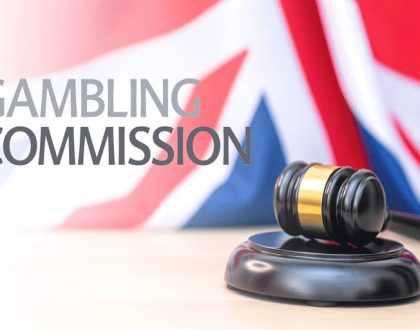
Is the UKGC’s Approach to Player Protection Too Harsh?

It's important to examine the balance between player protection and the operational freedom of gaming operators in the UK. The UK Gambling Commission (UKGC) has implemented strict regulations aimed at safeguarding consumers, but concerns have arisen regarding whether these measures stifle innovation and limit player engagement. This post will research into the UKGC's approach, exploring the implications of their policies on both players and operators within the gambling industry.
Key Takeaways:
- The UKGC's stringent regulations aim to enhance player safety and mitigate gambling-related harm.
- Operators may face challenges adapting to the rigorous requirements, impacting their business models and profitability.
- Stakeholder opinions are divided; while some advocate for stronger protections, others argue that excessive measures could stifle the industry's growth.
Understanding the UK Gambling Commission (UKGC)
Overview of the UKGC
The UK Gambling Commission (UKGC) was established in 2007 as part of the Gambling Act, tasked with regulating commercial gambling in Great Britain. It aims to ensure that gambling is fair, safe, and free from crime, contributing to a sustainable gambling environment that protects consumers and promotes confidence in the gambling market.
Regulatory Framework
The UKGC operates within a comprehensive regulatory framework that includes licensing operators, enforcing compliance, and establishing codes of conduct. It integrates principles from the Gambling Act 2005, which mandates responsible gambling and proactive measures against gambling-related harm.








This regulatory framework is composed of various strategies, including stringent licensing requirements, regular audits, and the implementation of various consumer protection measures. For instance, operators must demonstrate a commitment to responsible gambling by providing tools for self-exclusion and ensuring transparency in marketing practices. The UKGC also collaborates with other agencies to monitor gambling behavior, enhancing its ability to adapt regulations according to emerging trends and technologies in the gambling landscape.
Objectives of Player Protection
The core objectives of the UKGC's player protection initiatives center around safeguarding individuals, preventing underage gambling, and promoting responsible gambling practices. By emphasizing these objectives, the UKGC plays a pivotal role in ensuring that gambling remains a harmless form of entertainment.
To meet its player protection objectives, the UKGC requires operators to implement measures that mitigate risks of gambling addiction and associated harms. This includes training staff to recognize problem gambling behaviors, providing educational resources to consumers, and enforcing policies that restrict access for vulnerable individuals. The focus on these initiatives reflects a commitment to prioritizing player welfare and preserving the integrity of the gambling industry.
The Rationale Behind Player Protection Measures
Growth of Online Gambling
The exponential growth of online gambling has fundamentally transformed the gaming landscape, with the UK market alone reportedly generating over £5.7 billion in online gambling revenue in 2022. This surge has made it easier for players to access gambling services anytime and anywhere, intensifying the urgency for robust player protection measures.
Rise in Gambling-Related Harm
As online gambling expands, so does the prevalence of gambling-related harm, underscoring the need for regulatory interventions. A survey indicated that nearly 400,000 adults in the UK are classified as problem gamblers, raising alarm over the social and psychological impacts of gambling addiction.
In fact, reports reveal a 50% increase in calls to gambling helplines over the past three years, highlighting the alarming consequences of widespread gambling accessibility. Families face financial strain, and mental health issues related to gambling continue to rise, prompting the UKGC to take action to protect vulnerable players from escalating harm.
Stakeholder Perspectives
Industry stakeholders, including operators and lobbying groups, often express concerns that stringent regulations may hinder operational flexibility. Conversely, mental health organizations emphasize the moral imperative to safeguard players, advocating for comprehensive measures that prioritize public health and well-being over profit margins.
Assessment of Current Player Protection Regulations
Age Verification Protocols
Age verification protocols have become mandatory for all operators in the UK gaming industry. These measures require operators to verify a player's age before allowing any gambling activities. Failing to implement effective verification processes can lead to significant fines and sanctions from the UKGC. The emphasis is on preventing underage gambling, with strict standards established to ensure compliance.
Self-Exclusion Initiatives
Self-exclusion initiatives empower players to take control of their gambling by temporarily restricting their access to gaming sites. This is often facilitated through tools such as GamStop, which allows individuals to self-exclude for set periods. Operators must provide clear information about these options, making it easier for those needing a break to find help.
Each operator is required to promote self-exclusion prominently, ensuring users are aware of their options. This initiative has seen increased adoption, reflecting a growing awareness among players regarding the importance of responsible gaming. By being proactive, operators contribute to a safer gambling environment, aligning with the UKGC's aim to prioritize player welfare.
Advertising Restrictions
Advertising restrictions serve to curb misleading promotions and protect vulnerable players from aggressive marketing tactics. The UKGC has placed limits on how gaming companies can promote their services, prohibiting content targeting minors and restricting promotions that could misrepresent the risks involved in gambling.
The effectiveness of these restrictions is evident in the reduced prevalence of gambling ads during times when vulnerable audiences are likely to engage. Moreover, the introduction of clearer messaging around the risks of gambling aims to foster a more informed consumer base. As a result, players are less likely to fall prey to predatory practices that can exacerbate gambling-related issues.
Deposit Limit Controls
Deposit limit controls are tools designed to help players manage their spending effectively by setting caps on how much they can deposit over specific periods. These measures are intended to encourage responsible gambling behaviors and provide players with a sense of security regarding their financial limits.
Operators are enforcing these controls with enhanced transparency, allowing players to adjust their deposit limits easily. Data indicates that players who use these tools experience lower incidences of gambling-related harm. By implementing such measures, the UKGC reinforces the importance of self-management in gambling, fostering a culture of accountability among both players and operators alike.
Critiques of the UKGC's Approach
Impact on Operator Viability
The UKGC's stringent regulations have raised concerns about the long-term viability of smaller operators. Increased compliance costs, including technology updates and enhanced customer support, strain resources, potentially driving some out of the market. This imbalance might favor larger, established companies with deeper pockets, limiting diversity and innovation within the industry.
Market Competitiveness Concerns
Heightened regulatory demands have sparked fears regarding market competitiveness, as smaller operators struggle to keep pace with compliance requirements. As larger entities absorb the costs more efficiently, the competitive landscape risks narrowing, resulting in fewer choices for consumers and driving up operational costs across the board.
Player Autonomy vs. Protection
The balance between player autonomy and protection in the UKGC's approach is contentious. While promoting safety is vital, excessive restrictions can infringe on personal freedom, potentially alienating responsible players who seek agency in their gambling choices. Striking a balance that respects individual rights while ensuring safety is vital for a healthy gambling environment.
Critics argue that the UKGC may overreach in its quest for player protection, inadvertently treating all bettors as at-risk individuals. As operators adjust to the regulations, well-informed, responsible players may feel patronized by restrictions that inhibit choice and enjoyment. Multi-layered measures could be considered to enhance personalized player protections without stifling personal agency, allowing individuals to define their own risk thresholds comfortably.
Comparative Analysis with Other Jurisdictions
| Jurisdiction | Player Protection Measures |
|---|---|
| United Kingdom | Strict age verification, self-exclusion programs, and mandatory risk assessments. |
| Spain | In-play betting restrictions and regular audits of gaming operators. |
| Sweden | Licensing system with a focus on responsible gambling and player support services. |
| Australia | State-level regulations with emphasis on consumer protection frameworks. |
| New Jersey (USA) | Mandatory player funds segregation and comprehensive self-exclusion options. |
Player Protection in Europe
European countries adopt varying degrees of player protection, reflecting cultural attitudes towards gambling. Nations like Sweden leverage a licensing model that places a strong emphasis on responsible gambling measures, including the enforcement of player support services and broad outreach on gambling addiction. Conversely, countries like Spain enforce strict in-play betting limitations to reduce impulsive gambling behaviors.
Approaches in North America
North American jurisdictions are increasingly implementing regulations to safeguard players, with varying degrees of rigor. States like New Jersey have established comprehensive frameworks that emphasize transparency and accountability while promoting responsible gaming initiatives.
In North America, the regulatory environment varies significantly. New Jersey's system exemplifies how robust player protections can coexist with market growth, implementing measures such as self-exclusion and mandatory disclosures for operators about player safety. This framework aims to counter potential harms while fostering a responsible gaming culture, demonstrating a balance between accessibility and necessary safeguards.
Successful Models and Best Practices
Best practices from jurisdictions like Sweden and New Jersey illustrate successful strategies for player protection. These models prioritize a healthy gambling environment through multifaceted approaches including comprehensive licensing, player education initiatives, and stringent compliance requirements for operators.
Successful models often integrate technology and stakeholder collaboration, prioritizing player welfare alongside economic interests. Sweden's practice of requiring operators to contribute to national responsibility campaigns highlights the efficacy of public-private partnerships. Moreover, New Jersey's emphasis on player education reinforces the importance of informing users on responsible gambling, serving as a template for other regions to adopt and cultivate similar protective measures.
Future Directions for UKGC Player Protection Policies
Potential Revisions to Current Regulations
With the evolving landscape of online gambling, potential revisions to existing regulations may be necessary. The UK's Gambling Commission (UKGC) could consider modifying requirements to balance player protection with operational viability. Tighter limits on stake sizes or improved transparency in advertising practices may enhance consumer safety while maintaining the industry's growth.
Integrating Technology in Player Protection
The integration of advanced technology within player protection measures holds significant promise. Innovative tools, such as AI-powered monitoring systems, can analyze player behavior in real-time, flagging potentially harmful patterns before they escalate. This proactive approach helps in identifying at-risk individuals and ensuring timely interventions.
AI systems can assess betting patterns and flag anomalies, resulting in better insight for operators on player behavior. Features like self-exclusion and personalized alerts can be automated through these technologies, allowing operators to offer tailored support. This shift towards data-driven decisions could foster a safer gambling environment, adapting measures to real user behavior rather than broad generalizations.
Role of Consumer Education
Consumer education remains important for effective player protection, ensuring that individuals are well-informed about both risks and responsible gambling practices. Initiatives like workshops, informational websites, and resources by the UKGC can empower players to make informed decisions and recognize signs of problematic gambling.
Educating consumers about the signs of gambling addiction can lead to early interventions and a more responsible gambling culture. Campaigns that promote awareness and understanding of the tools available for self-regulation, such as budgeting tools and self-exclusion options, are critical. By enhancing knowledge, players can better understand limits and be more proactive in seeking help when needed, fostering a safer gambling landscape overall.
Summing up
With these considerations, it is evident that the UKGC's approach to player protection prompts mixed views among stakeholders. While some argue that strict regulations may stifle industry growth and player engagement, others advocate for robust measures to safeguard vulnerable individuals. Ultimately, balancing effective player protection with a sustainable gaming environment remains a challenge, necessitating ongoing dialogue and adaptability in policy frameworks to ensure the welfare of players without compromising the vitality of the market.
FAQ
Q: What are the key aspects of the UKGC's approach to player protection?
A: The UKGC focuses on several key aspects, including ensuring fair play, protecting players from gambling-related harm, promoting responsible gambling, and enforcing strict regulations on operators to maintain safety and integrity in the gambling market.
Q: How does the UKGC determine the adequacy of player protection measures?
A: The UKGC assesses player protection measures through comprehensive research, data analysis, stakeholder consultations, and monitoring gambling trends. They frequently review and update guidelines to reflect emerging issues and advancements in technology.
Q: What penalties do gambling operators face for failing to comply with UKGC regulations?
A: Operators that do not comply with UKGC regulations can face severe penalties, including hefty fines, suspension or revocation of their operating licenses, and other legal consequences that can impact their business operations.
Q: How do critics argue that the UKGC's approach to player protection is too harsh?
A: Critics argue that the UKGC's stringent regulations may hinder operators' ability to innovate, lead to increased operational costs, and restrict players' access to a variety of gambling products, potentially pushing players toward unregulated markets.
Q: What measures are being taken to balance player protection with operator interests?
A: The UKGC is working on balancing player protection with operator interests by engaging stakeholders, implementing a risk-based approach to regulation, and promoting best practices that allow for innovation while maintaining safety and compliance standards.

Claire
A highly motivated, results-driven, enthusiastic and ambitious writer. I can offer you well researched and high-quality article writing on any topic for your website or blog and can as well re-write your existing web content.
Related Posts
Gamblers Connect launches Proof of Play for transparent operator reviews
September 21, 2026
Ygam reports stronger impact as youth gambling harm prevention expands
September 14, 2026

Kongebonus launches complaints centre for Norway’s online casino players
September 8, 2026


Sweden launches gambling harm inquiry focused on children and young men
September 5, 2026

Mindway AI partners with Gaming1 to advance responsible gambling in NL
September 3, 2026