

















KYC Compliance – A Joke in the World of Online Gambling

Just as the digital gambling industry strives for legitimacy, KYC (Know Your Customer) compliance appears to be more of a laughing matter than a serious protocol. While these regulations are designed to prevent money laundering and protect consumers, many online gambling platforms seemingly prioritize quick sign-ups over stringent identity verification. This blog post researchs into the curious case of KYC compliance in online gambling, examining its shortcomings, implications for both players and operators, and why it remains an unreliable barrier against fraud in this lucrative sector.
Understanding KYC Compliance
Before delving into the complexities of KYC compliance in the online gambling sector, it is crucial to define what KYC entails and its pivotal role in various financial markets. This understanding lays a foundation for evaluating its relevance and effectiveness in contexts like online gambling, where discrepancies often arise.
Definition of KYC (Know Your Customer)
For individuals unfamiliar, KYC, or “Know Your Customer,” refers to the process by which businesses, particularly in financial sectors, verify the identities of their clients. This process involves collecting personal information, including names, addresses, dates of birth, and identification documentation. KYC measures are primarily implemented to prevent fraud, money laundering, and other illicit activities that could harm the financial system.








For online gambling platforms, KYC plays a crucial role in maintaining operational integrity. By confirming the identities and source of funds of their customers, these platforms can mitigate risks associated with fraudulent activities and promote responsible gambling practices. However, the implementation of KYC can often be seen as cumbersome and opens doors to questions about its effectiveness.
Importance of KYC in Financial Markets
Importance of KYC in the sphere of financial markets cannot be overstated. KYC processes help institutions build a trustworthy reputation while complying with regulatory obligations. This commitment to due diligence safeguards both the institution and its customers by creating a more transparent and secure financial environment.
With an increase in financial crimes and risks associated with identity theft, institutions are under pressure to adopt robust KYC policies. By doing so, they not only enhance their operational security but also protect their clients and stakeholders from potential wrongdoing. The significance of KYC extends to customer-approved transactions and trust-building, vital for fostering long-term relationships in any financial market.
Regulatory Framework Surrounding KYC
On the front of regulation, various authorities across the globe have devised comprehensive frameworks to ensure that KYC processes are implemented effectively. These regulations require businesses to conduct customer due diligence, maintain adequate records, and report any suspicious activities to relevant authorities. Failing to comply with these mandates can lead to severe penalties, including fines and revocation of licenses.
On a broader scale, the regulatory landscape surrounding KYC is continually evolving in response to emerging threats in financial markets. Financial Action Task Force (FATF) guidelines, for instance, are adopted by numerous countries to streamline KYC protocols, encouraging international cooperation in anti-money laundering efforts. Adhering to these regulations not only safeguards institutions but also fosters legitimacy and trust in the financial system as a whole.
Definition of the regulatory framework is vital for businesses to understand their responsibilities. Compliance with KYC regulations involves continuous monitoring and updating of client information as circumstances change. As jurisdictions update their regulations and enforcement practices, businesses must be proactive in ensuring they meet these evolving standards to mitigate risk and enhance their operational integrity.
The Evolution of KYC in Online Gambling
Some may argue that the complexities surrounding Know Your Customer (KYC) processes in online gambling are a recent phenomenon, yet this evolution can be traced back to earlier regulatory frameworks and the changing nature of gambling itself. The origins of KYC requirements stem from broader initiatives aimed at preventing money laundering and ensuring the integrity of financial systems. As countries began to regulate gambling more stringently, the groundwork for KYC compliance was laid, signaling a move toward responsible gaming practices and consumer protection.
Historical Context: Gambling Regulations
Any discussion surrounding KYC in online gambling necessitates an understanding of the historical context of gambling regulations. Initially, gambling was largely unregulated, with many operators operating in gray areas of the law. However, as governments recognized the social impacts and potential for abuse, they began to impose regulations that sought not only to control gambling activities but also to protect consumers from fraud. This regulatory shift eventually led to the introduction of KYC practices, which aimed to verify the identity of players and establish a framework for safe and secure gambling.
Changes in Technology and Player Data Management
Gambling technology has experienced rapid evolution within the last couple of decades, shifting from brick-and-mortar establishments to fully digital platforms that cater to a global audience. This transition necessitated the development of sophisticated tools and protocols for managing player data, including KYC assessments. Operators began to harness databases, machine learning, and biometric technologies to enhance their ability to collect, store, and analyze customer information, thereby ensuring compliance while optimizing the onboarding process.
To further understand the implications of these technological changes, one must examine how they have redefined customer interactions and the overall gambling experience. Enhanced data management systems allow online casinos to conduct real-time identity verification, reducing the potential for fraudulent activity while improving the player experience by streamlining registration and withdrawal processes. This technological shift has not only aided compliance with KYC regulations but has also become a competitive differentiator in an increasingly crowded market.
Rise of Online Casinos and KYC Requirements
Gambling saw a monumental shift with the meteoric rise of online casinos, which have become a mainstay in the gambling industry. As these platforms expanded their reach and user base, the regulatory environment adapted, mandating the implementation of robust KYC measures. Operators were now required to verify the identities of their players more rigorously to combat issues such as money laundering, fraud, and underage gambling. The enforcement of KYC compliance became a necessary assurance for both regulators and consumers that the online gambling space was secure and trustworthy.
Online casinos were confronted with the challenge of balancing customer convenience with the necessity of compliance. The increasing complexity of regulatory demands regarding KYC posed significant hurdles for newer and smaller operators attempting to enter the market. Nevertheless, the integration of KYC measures in online gambling operations has proven to be beneficial by fostering consumer trust, which, in turn, promotes a safer gambling environment and attracts a broader audience.
Current KYC Practices in the Online Gambling Sector
Many online gambling operators are tasked with ensuring compliance with Know Your Customer (KYC) regulations, a crucial aspect of fostering secure and responsible gaming environments. These regulations require operators to verify the identities of their customers to prevent fraud, money laundering, and other illicit activities. However, the reality of KYC practices in the online gambling sector often varies significantly, leading to a broader conversation about the effectiveness and efficiency of these processes.
Standard KYC Procedures for Operators
Online gambling operators typically adhere to standard KYC procedures that include collecting personal information from users, such as name, address, date of birth, and a government-issued identification document. Many platforms also require proof of address, often in the form of utility bills or bank statements. These steps are imperative for establishing a customer's identity and assessing risks associated with money laundering and other financial crimes. The verification process can take anywhere from a few minutes to several days, depending on the operator's policies and the technology they employ.
In addition to the basic information collection, operators often implement ongoing monitoring of customer activities. This helps them identify any suspicious behavior that might indicate fraud or money laundering, allowing them to take appropriate actions quickly. While these processes are in place to protect both the operators and their users, the inconsistency in how these procedures are executed can result in gaps that potentially compromise the effectiveness of KYC measures.
Variability in KYC Implementation Across Platforms
Across the online gambling landscape, there is a noticeable variability in KYC implementation. Some platforms prioritize rigorous verification measures, while others adopt more lenient approaches, influenced by their target markets and regulatory environments. This disparity raises concerns about the overall integrity of the industry, as customers might gravitate towards platforms with less stringent KYC processes in pursuit of convenience.
Implementation of KYC procedures often reflects the resources available to the platform; larger operators with more significant financial investments tend to have more comprehensive systems in place, while smaller or newer operators may struggle to meet the same standards. This inconsistency leads to a situation where players on different platforms are subject to unequal levels of scrutiny, impacting the level of protection against fraud and ensuring the integrity of the gambling environment.
Role of Technology in Streamlining KYC Processes
Implementation of technology plays a pivotal role in streamlining KYC processes across the online gambling sector. Automated systems, such as AI-driven identity verification tools and machine learning algorithms, have emerged to facilitate quicker and more accurate customer evaluations. With these advancements, operators can reduce the manual workload often associated with KYC checks, expediting the verification process without sacrificing security.
Furthermore, integration of blockchain technology and secure data sharing protocols is gaining traction among some operators, providing more robust methods for validating identities while ensuring customer confidentiality. As technology continues to advance, the hope is that KYC processes will become more efficient and thorough, reducing the chance of errors while enhancing compliance capabilities across various online gambling platforms.
Technology is reshaping the KYC landscape, offering solutions that can effectively balance rigorous compliance with user experience. Automated verification processes not only enhance customer satisfaction with quicker sign-up times but also equip operators with the tools they need to combat risks inherent in online gambling, making the sector safer and more reliable for all participants.
Challenges to KYC Compliance in Online Gambling
After the introduction of stricter Know Your Customer (KYC) regulations, the online gambling sector has faced a myriad of challenges in ensuring compliance. These hurdles not only arise from the complexities of player verification but also reflect the industry's inherent nature which promotes anonymity and privacy. Operators must balance the need for regulatory adherence with the inherent desire among users for confidentiality in their online transactions.
Anonymity and Accountability Issues
On one side, players seek anonymity in their gambling activities, often viewing it as part of their personal freedom. This desire for privacy, however, creates accountability issues for online gambling platforms as it can facilitate the evasion of KYC processes. Without proper identification, operators can inadvertently become complicit in money laundering, fraud, and other illicit activities. Striking a balance between upholding player anonymity and satisfying regulatory requirements presents a significant challenge.
The Impact of Digital Currencies and Anonymity
To further complicate matters, the rise of digital currencies has reinforced the demand for anonymity in online gambling. Cryptocurrencies like Bitcoin offer players a level of privacy that traditional banking methods do not, which severely undermines KYC compliance efforts. The potential for pseudonymous transactions leads to difficulties in tracing funds back to their origin, creating an environment where it becomes challenging to verify a player's identity adequately while also maintaining the allure of anonymity that digital currencies provide.
A significant implication of this trend is that online gambling platforms are often left grappling with the duality of technology that promotes anonymity and the stringent requirements of regulatory bodies. As operators attempt to implement KYC protocols, they find themselves at a crossroads, trying to navigate the tension between leveraging the benefits of digital currencies and ensuring compliance without compromising the very appeal that attracted their customers.
Resistance from Players and Industry Stakeholders
Industry stakeholders, including operators and players, frequently resist implementing comprehensive KYC procedures due to perceived inconveniences and the fear of losing customers. Players may underestimate the importance of KYC, viewing it as an unnecessary intrusion rather than a protective measure. As the online gambling landscape becomes increasingly competitive, operators are hesitant to alienate customers with lengthy verification processes, leading to non-compliance with KYC regulations.
Online gambling platforms must contend with these resistance factors while also staying compliant with regulatory demands. Players seeking a seamless experience might view KYC as a burden, and, as a result, many operators might sidestep stringent processes to retain users. This creates an ongoing dilemma where the need for regulatory compliance clashes with customer retention strategies, ultimately increasing the risks of regulatory penalties and damages to the operators' reputation.
The Perspective of Regulatory Bodies
Keep in mind that while KYC (Know Your Customer) compliance in online gambling may appear lax or even farcical, it serves critical functions as mandated by regulatory bodies worldwide. These agencies have a vested interest in ensuring consumer protection and combating financial crimes, such as money laundering and fraud. By enforcing KYC regulations, they aim to create a safer gambling environment, where operators can properly verify the identities of their players and keep illicit activities at bay.
Key Regulatory Agencies and Their Roles
Roles of regulatory agencies in the online gambling sector cannot be overstated. Bodies such as the UK Gambling Commission, the Malta Gaming Authority, and the New Jersey Division of Gaming Enforcement oversee compliance with legislative requirements, including KYC protocols. They set the standards for how operators should verify player identities, ensure that funds are sourced legally, and that gambling remains fair and accountable. These agencies also have the authority to issue fines and revoke licenses for those who fail to adhere to regulations, making them crucial players in governing the online gambling landscape.
Regulatory Trends Impacting Online Gambling
Perspective on KYC regulations is shifting as technology evolves and player behavior changes. Regulatory bodies are increasingly adopting a risk-based approach to KYC compliance, allowing operators to tailor their verification processes based on the level of risk associated with different clientele. Trends such as increased digital payment solutions, the use of biometric identification, and the rise of decentralized autonomous organizations (DAOs) challenge traditional compliance models and beckon regulatory adaptations.
Another emerging trend is the growing emphasis on harmonizing KYC regulations across jurisdictions. As online gambling becomes more global, the need for consistency in compliance requirements has become pressing. Some regulatory bodies are collaborating to establish standardized KYC practices, recognizing that discrepancies can lead to loopholes easily exploited by dishonest operators. Furthermore, the potential for shared databases for identity verification may emerge as a significant factor in maintaining KYC integrity on an international scale.
International Variations in KYC Enforcement
On the international stage, KYC enforcement varies dramatically across different gambling jurisdictions. While some countries like the UK enforce stringent KYC criteria, others may adopt a more lenient approach. This uneven application creates a patchwork of regulations that can complicate compliance for multinational operators. It raises questions about the effectiveness of KYC measures in jurisdictions where regulations are less stringent and whether operators are adequately monitoring compliance from less regulated markets.
Their differences in regulatory frameworks can create opportunities for businesses to exploit these variations, detracting from an ideal system of thorough oversight. As the global online gambling marketplace expands, the challenge remains for regulators to monitor and impose standards that ensure fair play and responsible gambling, regardless of geographical discrepancies. Striking a balance between fostering innovation and enforcing compliance remains a critical topic of discussion among international regulatory bodies.
Stakeholder Opinions on KYC Compliance
Despite the growing skepticism surrounding KYC compliance in the online gambling sector, a variety of stakeholders hold differing opinions on the matter, highlighting the complexities involved in balancing regulatory requirements with user experience. Operators, gamblers, and compliance experts each approach the issue from distinct angles—some emphasizing security and legality, while others focus on user convenience and privacy concerns.
Operators' Views on KYC Costs and Processes
On one hand, online gambling operators recognize the necessity of KYC compliance as a means to foster trust and legitimization in their businesses. However, many operators express frustration regarding the costs and administrative burdens associated with implementing KYC protocols. The process often requires significant investment in technology and personnel, diverting resources away from other critical areas of operation, such as marketing and customer engagement. This duality reflects a tension between regulatory adherence and business sustainability that operators continually struggle to navigate.
On the other hand, some operators argue that effective KYC processes can lead to long-term benefits, including a more secure gambling environment and ultimately, a more sustainable customer base. By meticulously vetting users, operators can identify potential problem gamblers, thereby promoting responsible gambling and protecting the overall integrity of the gaming ecosystem. While the initial costs may be high, the subsequent advantages of building a loyal and secure user base can outweigh short-term challenges.
Gamblers' Attitudes Towards Sharing Personal Information
One significant factor in the discourse surrounding KYC compliance is the attitude of gamblers towards sharing their personal information. Many players express hesitancy when required to submit sensitive data, often fearing potential misuse or breaches of privacy. This wariness is not without cause, as high-profile data breaches in recent years have instilled a sense of caution among online users. Players often weigh their love for gambling against the risk of exposing themselves to data mishandling.
Personal experiences and anecdotes heavily influence this apprehension. Players often recount stories of identity theft or fraud that began with seemingly harmless disclosures of personal information. As a result, they may choose to forgo certain platforms if they perceive KYC processes as overly invasive or cumbersome. This mistrust can deter players from fully engaging with operators, creating a paradox where compliance measures intended to build trust may inadvertently breed skepticism instead.
Perspectives of Compliance Experts and Consultants
For compliance experts and consultants, KYC processes represent both a challenge and an opportunity for online gambling operators. They stress the importance of developing robust frameworks that not only meet regulatory demands but also instill a sense of security and transparency among users. Such frameworks can be tailored to consider user experience, potentially mitigating gamers' concerns about privacy while ensuring that KYC obligations are effectively met. This alignment could facilitate a smoother onboarding process, enabling operators to combine compliance with customer satisfaction.
Consultants frequently emphasize the importance of adopting technology-driven solutions to streamline KYC processes. By leveraging advanced data analytics, machine learning, and automation, operators can create user-friendly interfaces that simplify the verification process without compromising security. These innovations can effectively balance compliance requirements with enhanced user experiences, illustrating that KYC does not have to be viewed solely as a hurdle, but rather as an integral part of a trusted and transparent gambling ecosystem.
The Impact of Non-Compliance
All operators in the online gambling sector must recognize the serious implications of failing to adhere to KYC (Know Your Customer) compliance regulations. The landscape of online gambling is monitored by various regulatory bodies that enforce strict guidelines aimed at preventing fraud, money laundering, and other illicit activities. Non-compliance not only puts operators at risk of hefty penalties but can severely impact their ability to conduct business. As this space becomes increasingly scrutinized, understanding the ramifications of non-compliance is imperative for any operator seeking to maintain their legitimacy and operational capability.
Legal Repercussions for Operators
Any operator that neglects KYC compliance may face severe legal repercussions, including suspension of their license or even an outright ban from the industry. Regulatory authorities such as the UK Gambling Commission or the Malta Gaming Authority have stringent rules in place, and violations can lead to serious legal challenges. In some scenarios, operators could find themselves embroiled in lawsuits or facing criminal charges, especially if their non-compliance leads to significant financial crimes. The potential for legal action serves as a harsh reminder that operators cannot afford to ignore these compliance measures.
Financial Consequences and Fines
With the mounting pressure to comply with KYC regulations, operators can also face significant financial consequences. Regulators are empowered to impose substantial fines on companies found in violation of these laws. In extreme cases, the financial repercussions can exceed millions of dollars, driving even established companies into financial distress. Additionally, non-compliance can lead to other financial burdens, such as loss of revenue due to operational interruptions or costs related to legal defense.
Understanding the level of financial penalties associated with KYC non-compliance is imperative for operators. Not only do fines directly impact the bottom line, but they can also result in increased scrutiny and oversight from regulators, leading to a cycle that is difficult to escape. The potential for revenue loss combined with the need for significant financial reserves for legal battles makes non-compliance a profoundly risky strategy. The fines may also escalate further if they occur repeatedly, creating a snowball effect that puts operators at a critical disadvantage.
Reputational Damage in the Online Gambling Space
Repercussions from non-compliance extend beyond legal and financial penalties to include severe reputational damage for operators. In the online gambling industry, trust is paramount; players must feel secure that they are engaging with a credible and compliant entity. A publicized case of non-compliance can diminish that trust, leading players to seek alternatives. In this era of social media and instantaneous information sharing, negative publicity can result in long-lasting brand damage that impacts customer acquisition and retention.
Damage to reputation is often difficult to quantify in financial terms, but its effects can be far-reaching. Loss of players, reluctance from potential partners, and challenges in acquiring new licenses are just a few consequences stemming from a tarnished reputation. Once lost, public trust is exceedingly hard to regain, and operators may find themselves fighting an uphill battle to reset their image in a competitive market. As the online gambling community becomes more interconnected, the importance of maintaining a clean and compliant reputation cannot be overstated.
The Role of Technology in Enhancing KYC Processes
For many online gambling platforms, the consumer base spans numerous jurisdictions, each with its unique regulatory requirements. As a result, effective Know Your Customer (KYC) processes have become crucial for compliance and operational efficiency. Technology plays a pivotal role in transforming traditional verification methods into dynamic, streamlined processes that enhance reliability and security. With innovations emerging daily, operators can leverage these tools to ensure they meet regulation requirements while improving user experience.
Blockchain Solutions and KYC Efficiency
Efficiency is a critical component in any KYC strategy, and blockchain technology has the potential to revolutionize this domain. By offering a decentralized and secure method for storing customer data, blockchain minimizes the risks associated with central data repositories. This technology fosters real-time sharing of verification data across platforms, expediting the onboarding process for users without compromising their privacy. Moreover, it reduces the likelihood of data breaches, thereby enhancing customer trust and regulatory compliance.
Not only does blockchain streamline the KYC process through its immutable ledger, but it also reduces the overall costs associated with customer verification and data management. By allowing third-party validators to confirm identities via a shared network, online gambling sites can swiftly access validated user information. This capability allows operators to focus on core business activities, knowing that their KYC obligations are being met efficiently and securely.
ID Verification Software and AI Innovations
Blockchain solutions ultimately reflect a more honorable approach to compliance; however, the rapidly advancing field of ID verification software is equally influential in enhancing KYC processes. These AI-driven tools utilize machine learning algorithms to analyze user-submitted documents and biometric data, ensuring accuracy and reliability. By automating the verification of identity documents, these innovations reduce the risk of human error and expedite processing times significantly. As a result, gambling operators can ensure better compliance and improved service levels, catering to a growing customer base.
Solutions like facial recognition and document scanning software have become increasingly important in the KYC landscape. These technologies aid in verifying user identities against databases and provide real-time feedback, which is invaluable for both operational efficiency and regulatory adherence. With the integration of advanced AI capabilities, the tools continue to evolve, presenting more comprehensive solutions for verifying user identities and mitigating risk in the highly competitive online gambling industry.
Future Trends in KYC Technology
Processes in KYC are evolving rapidly, as new technologies emerge and compliance landscapes shift. With increasing digitalization and a rising trend towards remote banking and gambling, KYC processes will likely become more automated, leveraging AI capabilities to perform complex analyses that streamline verification. Moreover, greater emphasis on privacy and data security will shape the next generation of KYC tools, driving the demand for solutions that prioritize user consent and data protection.
In addition to the rise of automation, there is an increasing need for interconnectivity between various KYC systems, which can lead to seamless verification processes across online gambling platforms. This interconnectedness augments the user experience while ensuring compliance with varied regulations, a dual goal that many operators strive to achieve. Innovations in KYC technology will pave the way for more adaptable, efficient, and secure processes, ultimately changing the landscape for online gambling compliance.
KYC Compliance – A Joke in the World of Online Gambling
Now, as we explore into KYC (Know Your Customer) compliance, it's important to understand how these practices vary across different industries. This variability highlights the disparity in enforcement and effectiveness in safeguarding not just businesses, but also consumers. To help illustrate these differences, here is a comparative overview of KYC practices across several sectors:
Comparisons of KYC Practices Across Industries
| Industry | KYC Practices |
| Financial Services | Comprehensive data collection including credit histories, employment verification, and ongoing monitoring. |
| Online Gambling | Basic identity verification, oftentimes limited and varying significantly by jurisdiction. |
| E-Commerce | Occasional verification through third-party services, less stringent compared to financial services. |
| Cryptocurrency | Varied practices with most platforms relying on self-reported data but increasingly moving towards stricter measures. |
Financial Services vs. Online Gambling
Comparisons between the KYC practices in financial services and online gambling reveal a stark contrast. Financial institutions are held to rigorous standards, which include comprehensive data collection, credit history assessment, and strict ongoing monitoring of customer transactions. These measures are implemented not only to comply with regulations but also to protect against financial fraud and money laundering activities.
In stark opposition, online gambling sites often exhibit lax KYC compliance. While they are required to verify the identity of their users, the methods used can be rudimentary at best—often relying on self-declaration with minimal checkbacks. This inconsistency creates gaps in identity verification that can be exploited, raising questions about the integrity of the platform and its commitment to safeguarding consumer interests.
KYC in E-Commerce and its Lessons for Gambling
The KYC measures implemented in e-commerce can provide valuable lessons for the online gambling industry. E-commerce platforms generally adopt a moderately thorough verification process, utilizing third-party services to confirm customer identities. Although not as stringent as financial services, this practice helps strike a balance between usability and security, ensuring customer trust while facilitating smooth transactions.
Plus, incorporating a more rigorous approach to KYC, similar to what is seen in e-commerce, could significantly enhance the credibility of online gambling platforms. By adopting these measures, gambling sites can not only comply better with regulations but also bolster consumer confidence and reduce fraud, creating a safer environment for all stakeholders.
Success Stories from Other Sectors
With numerous industries successfully navigating KYC compliance, there are valuable success stories that the online gambling sector can learn from. For instance, the financial services industry has invested heavily in technology to streamline KYC processes while enhancing security measures. Many banks and payment processors utilize advanced machine learning algorithms to detect fraudulent transactions in real-time, thus protecting both their interests and those of their customers.
Understanding these successful approaches reveals a roadmap for online gambling platforms to improve their KYC practices. By effectively leveraging technology, collaborating with regulatory bodies, and prioritizing user experience, these platforms can enhance their reputation and ensure compliance while still attracting users seeking entertainment and wagering opportunities.
The Ethics of KYC Compliance
Unlike traditional financial services, the online gambling industry operates in a unique landscape where customer identity verification intertwines with ethical considerations. While Know Your Customer (KYC) compliance aims to prevent fraudulent activities, such as money laundering and underage gambling, it raises questions about the extent to which operators should intrude into the personal lives of their customers. The balance between ensuring a safe gambling environment and respecting the individual's right to privacy presents a significant ethical dilemma for operators and regulators alike.
Balancing Privacy with Regulatory Requirements
With the advent of stringent regulations, online gambling platforms are under constant pressure to implement comprehensive KYC measures. However, this brings to the forefront a significant concern: where does the line appear between necessary data collection and invasive surveillance? Players may enjoy the benefits of a regulated gambling environment but often feel uncomfortable providing sensitive data. This precarious balancing act poses the challenge of meeting regulatory demands while being mindful of user privacy.
Ethical Considerations for Data Collection
Collection of personal information is imperative for KYC compliance, but it does not come without ethical ramifications. Operators collect data to authenticate users and foster a safe gaming environment, yet the volume and sensitivity of the data gathered can lead to apprehension among consumers. Are operators ensuring that data collection practices are transparent and respect users' privacy? Ethical data collection should encompass not only the legal requirements but also the moral obligation to safeguard customer information.
The ethical considerations surrounding data collection highlight the necessity for gambling operators to refrain from unnecessary information requests. It is imperative that they only gather data that is imperative for compliance, while being transparent with players regarding why such information is required. This approach not only fosters trust but also contributes to a culture of responsibility within the industry.
Consumer Trust vs. Compliance Obligations
Requirements for KYC compliance often clash with the imperative to maintain consumer trust. The gambling sector operates under the pressure of demonstrating compliance with regulations, leading to a tendency for operators to implement extensive data collection practices. While this adherence enhances the legitimacy of the industry, it can simultaneously alienate customers who feel their privacy is compromised, making it crucial for operators to find a balance.
It is imperative for gambling operators to recognize that consumer trust is an invaluable asset that can significantly impact their business model. By adopting more transparent KYC practices and communicating effectively with consumers about why their data is collected, businesses can enhance trust while meeting compliance obligations. Achieving this balance not only fulfills regulatory requirements but also positions operators as responsible guardians of their customers' personal information.
Gamification and KYC: An Emerging Trend
Your interaction with online gambling platforms is typically not just about placing bets and winning money; it increasingly incorporates elements of gamification. This emerging trend aims to enhance user experience while navigating often tedious compliance protocols such as Know Your Customer (KYC) regulations. By transforming KYC materials and processes into engaging experiences, operators hope to retain interest and reduce frustration among users faced with documentation and verification steps. This blend of entertainment and compliance is seen as a way to align the regulatory demands with user expectations in a dynamic online landscape.
Integrating KYC with User Experience
Gamification strategies focus on integrating KYC procedures seamlessly into the overall user experience. Instead of feeling like an obligatory chore, these processes can be converted into interactive challenges or engaging quests that encourage users to complete their verifications while playing games. For example, rewarding players with points or bonuses for submitting their documentation could create a more enjoyable atmosphere. This not only helps streamline the KYC process but also enhances retention by keeping players motivated while they engage in their favorite gambling activities.
Potential Benefits of Gamifying Compliance
Gamifying compliance offers several key benefits that can significantly improve the relationship between online gambling platforms and their users. For one, turning obligatory tasks into engaging activities encourages users to complete their KYC requirements more willingly and quickly than they might under traditional methods. Additionally, incorporating feedback mechanisms, such as progress bars or achievements, can facilitate a sense of accomplishment and increase user satisfaction. Users derive a sense of ownership and engagement, which ultimately fosters a trusting relationship with the platform.
User engagement is critical in creating loyalty within competitive online gambling markets. By gamifying compliance processes, platforms can promote not only regulatory adherence but also sustained user interaction. Gamification can also lead to valuable data collection insights as users navigate through these KYC tasks, thus helping operators understand their customer bases better. Ultimately, this evolving trend could pave the way for a more integrated experience that respects compliance necessities while appealing to the entertainment-driven nature of the industry.
Critiques and Challenges of Gamified KYC
User sentiment towards gamified KYC initiatives is not universally positive. Critics argue that while gamification may reduce the perceived tediousness of compliance processes, it can simultaneously dilute the gravity of KYC's importance. There's a risk that users may focus more on achieving rewards rather than understanding the significance of the information they provide. Moreover, the balance between fun and security is delicate; if not handled carefully, gamified elements can inadvertently compromise the seriousness of KYC regulations, leading to compliance issues.
User concerns also arise about privacy and data security in gamified KYC settings. Participants may feel hesitant to share sensitive information, especially if tied to competitive or game-like elements. Operators must ensure that all gamified systems maintain strict adherence to data protection guidelines, reinforcing users' trust in the platform. Balancing an enjoyable experience with the critical need for rigorous compliance will remain a considerable challenge as more online gambling operators explore this innovative approach.
Understanding the complexities of KYC processes through a gamified lens requires careful consideration of both user experience and regulatory frameworks. While there are potential advantages to this approach, it is crucial that operators prioritize user security and compliance integrity to fully realize the benefits of gamification in KYC compliance.
The Future of KYC Compliance in Online Gambling
Not far off is a shift in the way KYC compliance is perceived and implemented within the online gambling industry. As regulations evolve and technology advances, operators will need to adapt to an increasingly complex landscape. Predictions from industry experts indicate that there will be a greater emphasis on sophisticated verification methods, driven by increasing regulatory scrutiny. Additionally, upcoming regulations are likely to promote transparency while also striving to enhance user experience. This dual focus may lead to more robust yet user-friendly approaches to KYC compliance, resonating with both regulators and players alike.
Predictions and Upcoming Regulations
On the horizon, it is anticipated that new regulations will introduce stricter guidelines for customer identification and transaction monitoring. These regulations will likely address common loopholes that have traditionally allowed for identity fraud and unethical gaming practices. As jurisdictions throughout the world aim to standardize KYC processes, online gambling operators must remain vigilant in adapting their technologies and protocols to comply with these emerging legal frameworks.
Innovative Strategies for Effective KYC
The future of KYC compliance will likely involve innovative strategies that integrate cutting-edge technology. With advancements in artificial intelligence and machine learning, online gambling operators could implement automated verification processes that not only streamline customer onboarding but also increase security efficacy. Biometrics, such as fingerprint and facial recognition, will likely become commonplace, allowing for rapid customer verification without compromising personal data security. This proactive stance can help gambling platforms enhance trust with their users while staying ahead of regulatory requirements.
Gambling operators may also look to blockchain technology to create immutable records of identity verification. By utilizing decentralized databases, operators can ensure that data is secure, easily accessible, and privacy-focused. These innovative technological strategies not only improve the efficiency of KYC compliance but also actively contribute to a more transparent and secure gambling environment.
The Role of Gamblers in Shaping KYC Practices
Any credible evolution in KYC compliance will not solely depend on regulatory updates and technological innovations; the attitudes and behaviors of gamblers play a crucial role as well. As players become increasingly aware of the importance of identity verification in maintaining a secure gambling environment, they begin to demand better standards from operators. This shift in consumer expectations can compel operators to adopt more effective and transparent KYC measures.
Role reversal is apparent in this scenario, where gamblers are not only passive participants but active agents influencing industry practices. As they seek out platforms with robust KYC protocols that safeguard their interests, their choices can shape the future landscape of online gambling compliance. As a result, operators who prioritize effective KYC measures may find a competitive edge, attracting more conscientious gamblers who value security and accountability.
KYC Compliance as a Competitive Advantage
Once again, the conversation surrounding KYC compliance in the online gambling industry presents a unique opportunity for businesses. While many operators regard these regulations as a mere hurdle, those who embrace KYC compliance can transform this necessity into a competitive differentiator. By instituting robust KYC measures, businesses can not only streamline their operations but also guide their strategies toward a more secure and trustworthy gaming environment for users. As regulators continue to scrutinize the online gambling sector, operators that prioritize KYC compliance are establishing themselves as leaders in safeguarding customer information and maintaining the integrity of their platforms.
Differentiating Business Models Through Compliance
On the surface, KYC compliance may appear to be a uniform requirement across the industry, but in practice, it allows businesses to showcase their unique value propositions. Different companies can adopt various compliance methodologies that align with their overall business strategies, setting them apart from competitors who may take a more lax approach. For example, some operators might leverage advanced technology for real-time identity verification, while others may offer personalized communication to enhance user experience during the verification process. These tailored approaches not only underscore commitment to compliance but also enhance brand loyalty and customer trust.
Customer Loyalty Driven by Trust and Security
An effective KYC strategy establishes a foundation of trust between operators and their customers. This trust is vital in a space fraught with insecurities, where users are becoming increasingly wary of where they share their personal and financial data. By prioritizing KYC measures, businesses communicate that they are not only concerned about regulatory compliance but are also dedicated to users' safety and security. In turn, this sense of security breeds loyalty; customers are more likely to return to an operator that they believe actively safeguards their information and listens to their needs.
Trust is the currency of the online gambling realm. Players gravitate toward platforms that demonstrate integrity and transparency, leading them to remain loyal and return in the long run. By championing KYC compliance, operators create an environment where users feel valued and secure to engage in gaming activities. Over time, this emotional connection translates into a deeper customer base, reduced churn rates, and positive brand advocacy, critical components for sustained growth in today's competitive online gambling landscape.
The Importance of Being Proactive in KYC
Proactive engagement with KYC compliance not only positions operators as leaders but also helps mitigate risks before they escalate into major issues. By anticipating regulatory changes and implementing forward-thinking strategies, these businesses can ensure that they remain compliant, thus preventing the costly repercussions of violations. Moreover, a proactive KYC strategy draws attention to potential vulnerabilities that could be exploited, allowing operators to fortify their systems before facing the consequences of an oversight.
Differentiating one's approach to KYC compliance necessitates a forward-looking mindset. Operators that invest in robust technology and thorough training for their teams show their commitment to not just adhering to existing regulations, but also to staying ahead of potential future challenges. This proactive stance not only protects their own interests but also promotes stability and confidence within the industry, ultimately reshaping the perception of KYC compliance from a mere obligation to a crucial component of their business model.
Conclusion
Following this exploration of KYC compliance in the online gambling industry, it is evident that while regulations are in place to ensure player safety and financial integrity, the execution often falls short of expectations. Many platforms treat KYC procedures as a mere formality, undermining the purpose that these protocols were intended to serve. The irony lies in the fact that while gambling can be a high-stakes activity, verifying users' identities and ensuring adherence to anti-money laundering laws has become an afterthought for some operators. This negligence not only poses risks for players but also dilutes the credibility of the entire sector.
Thus, the KYC compliance landscape in online gambling reminds us that enforcement and sincerity are critical for fostering a trustworthy environment. Stakeholders, including operators and regulators, must prioritize genuine compliance and invest in robust processes to ensure the safety and protection of all participants. Until then, the joke may very well be on consumers who are left to navigate a system that can feel both arbitrary and ineffective.
FAQs
What is KYC compliance in online gambling?
KYC compliance in online gambling refers to the process of verifying the identity of players to prevent fraud, money laundering, and other illicit activities. It involves collecting personal information and identification documents from users to ensure their legitimacy.
Why is KYC important for online gambling platforms?
KYC is crucial for online gambling platforms as it helps them maintain operational integrity, prevent financial crimes, and promote responsible gambling. By verifying player identities, platforms can protect themselves and their users from fraudulent activities.
What challenges do online gambling operators face with KYC compliance?
Online gambling operators face challenges such as balancing customer anonymity with regulatory requirements, handling the impact of digital currencies, and managing varying levels of KYC implementation across platforms. These issues can complicate the effectiveness of KYC measures.
How does technology affect KYC practices in online gambling?
Technology enhances KYC practices by enabling automated systems for quicker and more accurate identity verification. Innovations like AI-driven tools and blockchain technology help streamline the process, improving both efficiency and security.
Are KYC regulations consistent worldwide?
KYC regulations vary internationally, with some countries enforcing stricter standards than others. This inconsistency can lead to challenges for operators managing compliance across different jurisdictions, impacting the overall effectiveness of KYC measures.

Michael Schmitt
Michael Schmitt is the founder of TRIDER.UK and Editor of Malta Media. He writes about iGaming, gambling regulation, corporate structures, financial services and market integrity, combining investigative journalism with nearly three decades of experience in corporate services and international business.
Related Posts



Vyking integrates Xtremepush CRM tools for global iGaming operators
September 23, 2026

MERKUR Casino UK appoints Dan Whitlam to strengthen compliance leadership
September 22, 2026

Vyking builds its own sportsbook on FIRST.bet’s SportOS
September 21, 2026
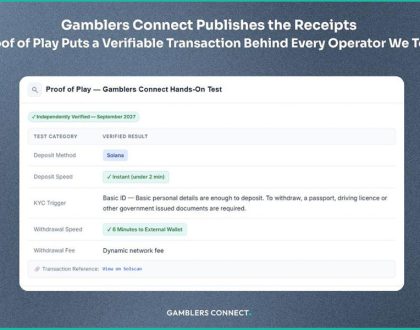
Gamblers Connect launches Proof of Play for transparent operator reviews
September 21, 2026

Targetlocal Ltd faces UK Gambling Commission remote licence suspension
September 21, 2026