

















How Licensing Gaps Are Fueling Player Harm Globally
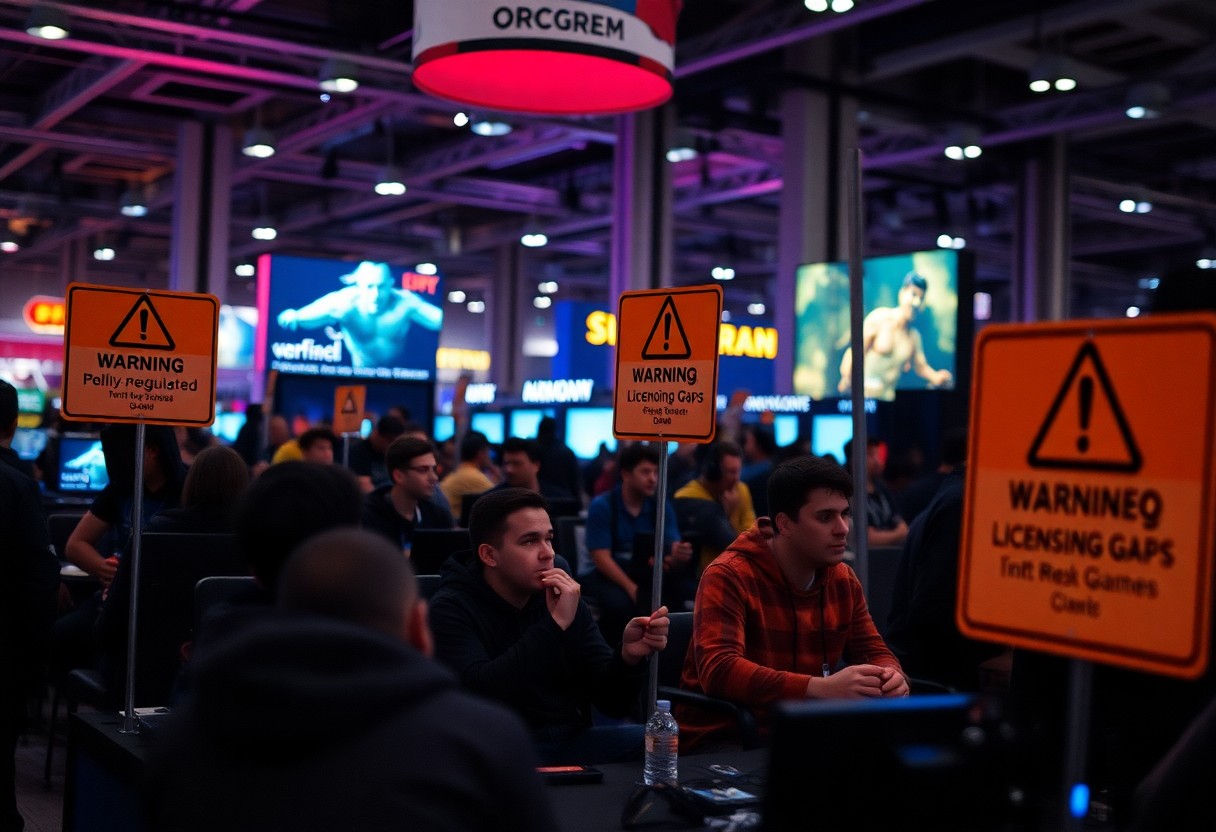
There's an intricate landscape of gaming regulations worldwide, and the existing licensing gaps can have profound implications for player safety and well-being. As the gaming industry expands rapidly, these regulatory voids can expose players to unregulated environments, unsafe practices, and potentially harmful experiences. This blog post will explore how these licensing deficiencies contribute to player harm, examining the global impact and highlighting the urgent need for comprehensive regulatory frameworks to protect gamers everywhere.
Unpacking the Global Regulatory Landscape
Licensing Variability Across Regions
Across the globe, licensing requirements for online gaming vary dramatically. The United Kingdom, well-known for its strict regulatory framework, sets a high benchmark with its comprehensive licensing processes overseen by the UK Gambling Commission. In contrast, jurisdictions like Malta and Curacao have developed more lenient regulations, allowing a wide range of operators to enter the market quickly and with lower barriers. This disparity often results in operators opting for less stringent licensing environments, leading to a potential wave of unregulated practices that can harm players. An estimated 20% of online gaming companies operate in regions where oversight is minimal, further highlighting the licensing gap between various territories.
In regions lacking robust regulatory frameworks, such as parts of Asia or certain African countries, the lack of accountability can breed unethical practices. Players in these areas may find themselves targeted by dubious operators who exploit these gaps. Licensing variability directly affects players' safety, prompting many to unknowingly participate in games where player protections are weak or non-existent, exposing them to fraud or unethical gaming practices.








The Impact of Local Laws on Player Experience
Local gambling laws can significantly shape player experiences and options available in the gaming market. In jurisdictions with comprehensive regulations, players benefit from protections such as dispute resolution mechanisms and responsible gambling resources. For instance, in Sweden, players have access to mandatory limits on deposits and time spent gambling, creating a safer environment overall. Conversely, in places with less stringent laws, players may lack access to important safety nets, making them vulnerable to gambling addiction and financial scams.
The lack of standardization across nations further complicates matters. A player in Australia might enjoy stringent consumer protections, while a player in the Philippines could find themselves with fewer rights, depending heavily on the local jurisdiction's laws. This inconsistency can lead to heightened risks for players in less regulated areas, where they may not only be subjected to unfair betting practices but also lack recourse in the event of disputes with operators.
The Dual Nature of Licensing: Protection vs. Exploitation
How Stricter Regulations Can Deter Malpractice
Stringent regulations can act as a formidable barrier against exploitation in the gaming industry, providing imperative protections for players. Jurisdictions that impose rigorous licensing processes often mandate transparency, responsible gaming practices, and regular audits to ensure compliance. For example, the UK Gambling Commission has established a comprehensive framework requiring operators to uphold high standards of player protection, report suspicious activities, and contribute to charitable responsibilities within the gambling space. Such mechanisms reduce the opportunities for malpractice, as operators face substantial penalties, including the revocation of their licenses for noncompliance.
Conversely, regions with lax regulations or outdated licensing frameworks inadvertently create breeding grounds for exploitation. In these areas, unscrupulous operators may take advantage of players through fraudulent practices, misleading promotions, or inadequate customer support. The case of an online casino operating without proper licensing highlights these dangers; players were left with little recourse when their winnings were withheld, showcasing the alarming consequences of regulatory inadequacies. Thus, implementing stricter licensing protocols could significantly diminish the risk of harm to players and foster a safer gaming environment.
The Trade-off: Accessibility vs. Accountability
The balance between accessibility and accountability is a contentious issue in the gaming world. On one hand, lenient licensing procedures can lead to increased competition, allowing new entrants to innovate and enhance the player experience. A rapid influx of gaming platforms could usher in inventive features, exclusive promotions, and better customer service, attracting an array of users who might otherwise be sidelined by stringent regulations. This accessibility, however, comes at the risk of compromising safeguard measures, as less scrutiny may permit unscrupulous entities to exploit vulnerabilities among unsuspecting players.
While the pursuit of widespread access to gaming experiences is admirable, the potential repercussions can be damaging. The appeal of tempting offers from unregulated platforms may lure many players in, yet the absence of protections enables predatory practices that can devastate financial well-being. Players may find themselves entangled in misleading terms, obscured fees, and rigged games, which underscores the vital need for a regulatory framework that prioritizes accountability while still permitting some degree of market freedom. Striking this balance remains an ongoing challenge for regulators worldwide.
To navigate the complexities of accessibility and accountability effectively, it's necessary to rethink how licensing frameworks are structured. The goal isn't simply to create barriers, but to fundamentally reshape the industry landscape. With the right balance, regulators can foster a thriving gaming environment that welcomes responsible innovation while simultaneously establishing robust consumer protections. This is particularly salient in regions where gaming activities are rapidly growing, as stakeholders must prioritize sustainable practices that benefit players without stifling market evolution.
The Players' Perspective: Real Impacts of Licensing Gaps
Personal Accounts of Player Harm
Players frequently share their experiences of financial and emotional harm resulting from unregulated or poorly regulated gaming environments. A recent report indicated that nearly 40% of players engaged in unlicensed platforms reported experiencing issues with delayed payouts or outright lost funds. One player, who requested anonymity, recounted a harrowing incident where he deposited a substantial amount into an unlicensed online casino, only to discover that his account had vanished along with his money after a few hours of gameplay. Such incidents are not isolated; many players find themselves navigating the murky waters of online gaming without a safety net.
Another account highlights the frustration of players who encounter unresponsive customer service from unregulated operators. A gamer reported spending days trying to resolve an issue with a bonus that was incorrectly applied to her account and received no assistance from the platform. The lack of accountability in these scenarios emphasizes the vulnerabilities players face when licensing is absent, effectively leaving them without recourse when issues arise.
Psychological Effects of Unregulated Environments
The absence of regulatory safeguards contributes significantly to the psychological toll on players. Gamblers engaged in online games often report feelings of anxiety and mistrust, stemming from their awareness that oversight is lacking. A survey conducted by a leading gambling research organization found that 60% of players felt heightened levels of stress when using platforms that operated without proper licenses. This sense of vulnerability can exacerbate pre-existing mental health issues or create new challenges.
The unchecked environment leads to behaviors that mirror addiction patterns, such as chasing losses and increased betting to recoup lost funds. These can spiral into a detrimental cycle affecting personal relationships and financial stability. Without a regulatory framework ensuring responsible gaming practices, players lack the tools and protections to help mitigate these risks effectively. In some cases, individuals report feeling trapped, as they navigate the landscape of online gaming without the necessary support structures in place.
The Economic Cost of Inadequate Licensing
Analyzing Monetary Losses for Players
In regions with inadequately regulated gaming environments, players frequently face significant financial risks. An estimated 18% of online gamblers experience financial problems related to their gambling activities, often stemming from the lack of oversight and consumer protection. Without stringent licensing, players fall prey to unscrupulous operators who might exploit loopholes, leaving them unable to access their winnings or receive fair treatment when disputes arise. For example, a report highlighted that players in jurisdictions with relaxed licensing standards lost an average of $800 annually due to fraudulent practices compared to $300 in more regulated environments.
The structural weaknesses in regulatory frameworks not only lead to direct financial losses but also diminish player confidence in the industry. A 2022 survey revealed that 62% of respondents felt uncertain about the legitimacy of the online platforms they used, with many choosing to withdraw from gaming altogether. This loss of trust can ripple through the economic landscape, resulting in decreased participation in gaming sectors that might otherwise contribute to local economies through taxation and related spending.
The Burden on Health Systems
Health systems worldwide bear a significant burden due to the mental health impacts of insufficiently licensed gaming activities. The World Health Organization estimates that gambling disorders are prevalent in 1-3% of the population, with higher incidences reported in areas where regulations are inadequate. This translates to an increased number of cases requiring intervention, therapy, and sometimes hospitalization. In the UK alone, the National Health Service allocates around £300 million annually specifically to treat gambling-related issues, a figure that continues to climb as unregulated gaming proliferates.
This financial strain does not merely affect healthcare expenditures; it compels governments to reallocate resources from other important health services to address the growing crisis. Mental health services, already under pressure in many countries, often struggle to meet the increased demand driven by gambling-related issues. The ripple effects extend beyond immediate health concerns, impacting families, communities, and the economy at large. Adequate licensing could mitigate these consequences by ensuring operators adhere to responsible gaming practices, ultimately fostering a healthier environment for players.
The Role of Technology in Exploiting Licensing Loopholes
How Innovations are Outpacing Regulation
Rapid advancements in technology have given rise to innovative gaming platforms and applications that often operate in grey areas of regulation. For instance, blockchain technology and decentralized applications are reshaping how players interact with games, allowing for peer-to-peer transactions without a traditional intermediary. Many of these platforms prioritize user engagement and profit maximization over compliance with existing licensing frameworks. As a result, these digital innovations exploit loopholes and inconsistencies in regulatory standards across jurisdictions. Numerous online slot games and cryptographic casinos have emerged, often drawing players in with promises of anonymity and security while sidestepping the rigorous scrutiny that traditional operators must endure.
This rapid pace of technological development means that gaming regulation often lags behind, leaving significant gaps that can be manipulated. Companies can swiftly adapt and launch new products that fall outside existing licensing requirements or exploit regions with lax enforcement. Research suggests that over 25% of digital gaming platforms worldwide may operate without substantial oversight, a statistic that highlights the urgent need for regulators to adapt their frameworks to the evolving landscape. Regulators must not only keep pace with technological change but also engage with developers to ensure stronger compliance from the inception of new platforms.
The Dark Side of Digital Gaming Ecosystems
The complexity of digital gaming ecosystems contributes to an environment rife with potential player exploitation. Many games utilize in-game currencies that can be acquired through microtransactions, which are often obscured by elaborate psychological strategies designed to encourage spending. For instance, loot boxes—a form of randomized virtual items–have drawn significant scrutiny. Studies have shown that they can result in gambling-like behaviors, especially among younger players, raising red flags about long-term financial consequences. Additionally, online platforms frequently experience issues with user data breaches, fraud, and unregulated gambling practices that exploit vulnerable players.
The implications of these digital ecosystems extend beyond individual player harm; they can erode trust in the gaming industry as a whole. Players who enter these environments expecting a regulated experience may find themselves vulnerable to unscrupulous operators who take advantage of lax oversight. In 2022 alone, instances of fraud relating to in-game purchases reportedly affected millions of players, resulting in billions of dollars in losses worldwide. Such statistics underscore a growing concern: without a concerted effort to close licensing gaps and implement robust regulatory frameworks, the gaming landscape may become increasingly perilous for enthusiasts and casual players alike.
Cross-Border Challenges: Playing in the Global Arena
The Consequences of Fragmented Regulation
Players today often find themselves navigating a patchwork of regulatory environments that vary widely from one jurisdiction to another. This fragmentation results in inconsistent consumer protections and an increase in risks associated with gaming. For example, a player in the UK enjoys one of the most stringent set of regulations, while a counterpart in a less-regulated market, such as certain Southeast Asian countries, might face a volatile gaming landscape where operators are not held accountable. As a result, players in these regions are more susceptible to issues like unfair practices, insufficient dispute resolution measures, and a lack of transparency in gaming operations. The disparity creates an uneven playing field that not only impacts individual players but also undermines trust in the global gaming ecosystem.
Furthermore, the lack of cohesive international oversight can lead to significant financial losses for players. Estimates suggest that unregulated or poorly regulated markets could cost players millions annually due to fraud, mismanagement, and lack of recourse when issues arise. The stark reality is that while some regions expert comprehensive regulatory mechanisms aimed at safeguarding players, others lag far behind, thus exacerbating the vulnerability of participants in the gaming sphere. In essence, this lack of uniformity not only affects the integrity of gaming but also endangers the welfare of players worldwide.
Navigating International Player Protections
With a myriad of regulatory frameworks to sift through, players must become increasingly vigilant about their rights and protections in the global gaming space. Many jurisdictions have established player protection measures, including age verification protocols and responsible gambling initiatives. For instance, the European Union has proposed regulations aimed at harmonizing gaming laws across member states. These initiatives encourage best practices regarding transparency, fairness, and data protection, benefiting players who often traverse borders when pursuing gaming options. However, the sheer variability in enforcement and adherence complicates players' ability to find reliable recourse.
The rise of cross-border online gaming platforms adds another layer of complexity in understanding player protections. Without a global governance body offering unified standards, players from different regions face challenges in knowing whether their data and funds are secure. Moreover, instances of fraudulent operators exploiting regulatory gaps in other jurisdictions serve as stark reminders of the potential pitfalls. The responsibility often falls on the player to conduct thorough research, which not all individuals have the resources or expertise to undertake effectively.
Navigating these international player protections necessitates a multifaceted approach. Players should proactively seek platforms with recognized certifications and reviews that maintain strong reputations in their respective markets. Engaging with international advocacy groups can also provide valuable insights into where players can find reliable support and information. Ultimately, fostering a culture of awareness and education can empower players to make informed decisions despite the complexities of disparate regulations.
Advocacy and Reform: Who's Leading the Charge?
Major Organizations in the Licensing Debate
In the ongoing battle for better player protections, several key organizations have stepped forward to advocate for reform in gaming licensing. The International Game Developers Association (IGDA) is at the forefront, pushing for standardized regulations that prioritize player safety and fairness. They have opened dialogues with licensing authorities worldwide, emphasizing the need for regulations that not only support the industry but also protect vulnerable players. Another notable player is the Electronic Frontier Foundation (EFF), which often calls for transparency and accountability in online gaming ecosystems. Their research into harmful practices within licensing structures has influenced several legislative discussions.
The involvement of organizations like Gamers Outreach also plays a significant role in rallying support and fostering communication between players and regulators. They highlight the potential emotional and financial toll faced by players due to poor licensing practices and advocate for improved standards. With extensive surveys and data collection, these organizations provide invaluable insights that serve as a foundation for proposed reforms, leveraging their findings to challenge outdated regulations and push for a legislative shift that prioritizes player rights.
Grassroots Movements: The Power of Player Advocacy
Grassroots movements are central to elevating player voices in the discourse around gaming licensing. These initiatives, often fueled by passionate individuals and community leaders, engage players directly, allowing them to share personal stories and collective experiences of harm caused by inadequate regulatory frameworks. Movements such as “Gamers United for Safety” have utilized social media platforms to mobilize awareness campaigns, gathering significant traction and leading to petitions aimed at legislative change. Their efforts exemplify the potential for community-driven advocacy to influence state and national conversation surrounding player rights.
Several successful campaigns have arisen from grassroots movements, demonstrating tangible outcomes that underscore player advocacy's significance. For instance, one notable initiative managed to garner over 50,000 signatures on a petition calling for stricter regulations around eSports betting, leading to public hearings at the state level. These players not only bring attention to issues like addiction and financial exploitation but also foster a sense of solidarity among the gaming community. The ripple effect of their advocacy can be seen in the growing number of players engaged in advocacy, representing a powerful force for change in the often tumultuous world of gaming regulations.
Future Trends: Projected Changes in Licensing Norms
Anticipating Regulatory Shifts
An increase in global awareness of player harm is likely to generate significant changes in regulatory frameworks governing licensing. Countries with emerging gaming industries are starting to scrutinize existing practices and recognize the importance of adopting comprehensive legislation. For instance, the UK Gambling Commission has recently initiated reviews to address the loopholes that have been detrimental to players. This proactive approach could prompt similar regulatory bodies worldwide to evaluate their licensing norms thoroughly. In regions where consumer protection laws have traditionally lagged, such as parts of Asia and Africa, a shift toward recognizing the need for robust protections is already underway, with advocacy groups pushing for reforms.
The European Union is also stepping up its efforts by proposing new directives aimed at harmonizing gaming regulations across member states. These directives aim to bolster player protection measures and streamline licensing processes, creating a more cohesive regulatory environment. Countries that have lagged in enforcement may be compelled to align their policies with best practices from progressive jurisdictions, thus raising the bar for industry standards. As players demand more accountability, the shift toward a more regulated and equitable gaming landscape is becoming increasingly inevitable.
The Rise of Unified Standards
An emergent trend in gaming regulations is the push towards unified standards that help bridge the gaps in licensing across different jurisdictions. Industry leaders and regulatory bodies are recognizing that a patchwork of regulations can lead to significant player vulnerabilities and market inefficiencies. Initiatives aimed at developing international standards are gaining momentum, with organizations like the International Gaming Standards Association (IGSA) leading the charge. These standards not only promote best practices but also foster collaboration among jurisdictions to better tackle issues like fraud, addiction, and underage gambling.
With the global gaming market projected to reach approximately $500 billion by 2025, the urgency for unified standards becomes even more pronounced. In an interconnected world, establishing a baseline for player protection is imperative to maintaining market integrity and fostering trust. As collaborations between regulatory agencies and industry stakeholders grow, the potential for alignment in licensing norms and player protection measures seems promising. A shared framework could not only mitigate risks but also enhance the overall gaming experience by ensuring players feel safe and valued, regardless of where they are playing from.
The conversation surrounding unified standards continues to evolve, with more jurisdictions understanding the benefits of coordinated efforts. By fostering an environment where regulations are not only compliant but also harmonious across borders, the industry can create a safer gaming environment that retains player interest and loyalty in the long run.
The Ethical Quandaries of Compliance and Profit
Balancing Corporate Interests with Player Safety
Companies in the gaming industry often find themselves in a precarious position as they navigate the thin line between profitability and ensuring player safety. With licensing gaps giving rise to unregulated markets, some operators prioritize aggressive monetization strategies over comprehensive player protection measures. For instance, while a gaming platform may drive revenue through enticing promotions or microtransactions, questionable practices like exploiting addictive behaviors may lead to significant long-term harm for players. The question then arises: how much is a company willing to profit at the expense of its players' well-being?
This ethical dilemma isn't just theoretical. A study conducted by the UK Gambling Commission revealed that approximately 40% of online gambling participants showed signs of problem gambling within unregulated markets. This statistic underscores the reality that while corporate interests can lead to short-term financial gain, neglecting player safety can result in a tarnished reputation and customer attrition in the long run. Moreover, stakeholders, including investors and consumers, increasingly demand transparency and ethical conduct from the companies they support, which serves as a further incentive for prioritizing player protection over unchecked profit motives.
Accountability: Who's Responsible?
The question of accountability within the gaming industry looms large amid the discussion of regulatory gaps. As players face harm due to potential irresponsibility by operators, a pressing inquiry arises: who bears the responsibility for ensuring fair play and safeguarding players? Regulatory bodies often shift blame onto gaming companies for failing to adhere to ethical practices. Yet, the operators themselves argue that without a standardized regulatory framework, the lines become blurred regarding their obligations. This blame-shifting creates inherent confusion as various stakeholders seek clarity and justice amidst the chaos.
Moreover, the absence of cohesive regulations complicates matters further. Individual states or countries may enforce different rules or no regulations at all, allowing operators to exploit loopholes with little fear of repercussions. This situation creates a breeding ground for unethical practices and gives rise to an environment where players may feel abandoned. Stakeholders, including industry players and advocacy groups, must address these gaps collaboratively to establish accountability that reflects the shared responsibility of all involved parties, ultimately paving the way toward a more equitable playing field.
Best Practices for Players Navigating Licensing Gaps
Tips for Identifying Safe Environments
In a landscape where licensing gaps can leave players vulnerable, recognizing safe gaming environments is important. One of the first steps is to research the licensing status of the platform you are considering. Many reputable gaming websites provide clear information about their licenses, including the issuing authority and any regulatory bodies overseeing their compliance. Players should prioritize platforms that are licensed by well-regarded authorities, such as the United Kingdom Gambling Commission or the Malta Gaming Authority, as these organizations enforce strict standards for player protection.
Additional indicators of a safe environment include player reviews and feedback on forums and social media. Players should examine experiences shared by others regarding deposit and withdrawal processes, customer support responsiveness, and overall satisfaction. This collective knowledge often unveils potential red flags.
- Look for sites that utilize SSL encryption to protect personal information.
- Check for available certifications from independent testing agencies that evaluate fairness in games.
- Pay attention to responsive customer service options, which can indicate a commitment to player welfare.
- Investigate the site's policies on responsible gaming and self-exclusion options.
Perceiving these attributes can greatly reduce the likelihood of engaging with potentially harmful platforms.
Resources for Reporting Violations
Knowing where to report potential violations is as vital as identifying safe gaming platforms. Numerous organizations and regulatory bodies provide avenues for players to voice concerns when they suspect unethical practices or licensing infringements. For instance, players experiencing issues with unresponsive platforms can reach out to the gambling commissions that issued licenses or organizations like eCOGRA, which focuses on player protection. Detailed documentation of incidents can assist in investigations, underscoring the importance of keeping records of communications, transactions, or any discrepancies encountered.
Some countries also have established dedicated consumer protection agencies that address gambling-related grievances, while others may require players to seek legal recourse through local courts. Players should familiarize themselves with both national and international jurisdictions related to online gaming in order to leverage the appropriate channels for their complaints. Players can find valuable information about reporting procedures through platforms like “Gambling Therapy,” which offers guidance on managing issues related to international gambling practices and can connect players with support networks.
International Case Examples: Lessons from Abroad
Successful Regulatory Models
Countries like Sweden and the United Kingdom have implemented pioneering regulatory frameworks that provide robust player protections while maintaining a vibrant gaming economy. Sweden's model, which emphasizes responsible gaming practices, mandates operators to obtain a license that comes with strict obligations related to player welfare. For example, all licensed operators are required to facilitate self-exclusion options and contribute to a national fund for gambling addiction treatment, ensuring that player harm is minimized. The U.K. Gambling Commission has also set a precedent by enforcing strict advertising guidelines that limit the targeting of vulnerable populations and require transparency in financial transactions, effectively safeguarding players against exploitation.
These regulatory environments demonstrate that comprehensive licensing does not stifle industry growth; rather, they foster consumer trust and responsible gameplay. In Sweden, the government reported a 10% decrease in problem gambling rates following the introduction of their licensing reforms, showcasing the positive impact of proactive regulation. The success of these models serves as a beacon for other countries grappling with similar issues, proving that sensible regulations can coexist with market thriving.
Missteps and Their Consequences
The consequences of inadequate regulation are starkly illustrated by the situation in countries like Australia and Brazil, where gaps in licensing frameworks have led to increased instances of player exploitation and rising rates of gambling addiction. In Australia, the relatively lax regulation allowed for a proliferation of online gambling operators that circumvented accountability, leading to rampant unethical practices. Reports showed that approximately 75% of Australian adults engaged in some form of gambling in 2022, with alarming statistics revealing that one in five Australians experiencing gambling-related harm. This unchecked environment not only damaged player trust but also strained public health resources aimed at tackling gambling addiction.
Brazil's attempt to introduce online gambling regulation has been fraught with delays and inconsistencies, leaving players vulnerable in a legal gray area. Brazilian players often turn to unregulated operators, highlighted by a 2023 survey indicating that 45% of respondents had gambled with offshore sites that lacked adequate player protections. These situations underline the critical importance of establishing effective regulatory frameworks that are not only comprehensive but also adaptable to emerging trends in the gaming industry.
The missteps in regulatory practices can persist long after their immediate consequences, as seen in both Australia and Brazil. While efforts are being made to correct these deficiencies, including new legislation and system overhauls, the enduring effects of lax regulation often leave lasting scars on communities. Player trust diminishes and public perception of the gaming industry suffers, complicating legitimate operators' efforts to cultivate a safe environment. Established regulations serve not just to protect players but to restore confidence in the entire ecosystem of gaming, an element that countries should prioritize moving forward.
The Complexity of Legislative Action: A Case in Point
The Role of Policymakers in Player Protection
Policymakers play a vital role in shaping regulations that can effectively govern the gaming industry. Their decisions directly impact the level of protection players receive against exploitative practices often allowed by regulatory loopholes. For instance, in several jurisdictions, regulatory authorities have attempted to tighten controls on online gambling platforms by introducing measures that require transparency in their operations and responsible advertising. However, the effectiveness of such measures varies widely, with some regions, like the UK, implementing strict guidelines that enhance player protection, while others remain laissez-faire, allowing companies to exploit players with little to no oversight.
Furthermore, the challenge lies in harmonizing differing regulations across borders. The global nature of online gaming means that players can engage with platforms from jurisdictions with varying compliance standards. For example, while some countries impose stringent safeguards against predatory gaming practices, others may lag, making it easier for operators to circumvent responsible gaming protocols. Policymakers must therefore navigate a complex landscape of international laws and varying cultural attitudes towards gambling to create a cohesive framework that prioritizes player safety.
Challenges of Implementing Effective Change
Implementing effective legislative changes in the gaming industry often encounters substantial hurdles. A primary challenge arises from the lobbying efforts of gaming companies, which often have deep pockets and vested interests in maintaining the status quo. In many regions, these companies invest heavily in political campaigns, influencing legislative agendas to favor sparse regulation. This financial clout can stifle attempts to introduce meaningful reforms aimed at enhancing player protection.
Another significant barrier is the rapid evolution of technology and gaming trends, which can outpace legislative bodies. For instance, the rise of microtransactions and loot boxes in games has raised numerous ethical considerations, yet legislation frequently lags behind, leaving players vulnerable to exploitative pricing models. Without agile and responsive frameworks that can adapt to emerging issues, regulatory bodies struggle to safeguard against the financial harms that players face in an industry characterized by constant innovation.
Navigating these challenges requires not only political will but collaboration among industry stakeholders, advocacy groups, and academic experts to create comprehensive and forward-thinking regulations. Success hinges on a collective effort to prioritize player interests over corporate profits, ensuring that protective measures evolve in step with industry changes. A proactive approach can pave the way towards establishing a more secure gaming environment for players worldwide.
Reimagining Licensing: Toward a Safer Future
Innovative Solutions and Collaborative Efforts
Regulatory bodies must embrace innovative strategies by integrating technology in licensing practices. For instance, utilizing blockchain can enhance transparency in gaming operations and licensing processes, making it simpler to track compliance. Furthermore, international collaborations among various regulatory authorities could lead to creating standardized frameworks for licensing. By sharing data and insights, countries can improve their practices and create a more uniform, global approach to player safety that addresses the specific gaps in their regulations. These alliances offer opportunities to experiment with pilot programs that could highlight best practices to be replicated elsewhere.
Engaging stakeholders is equally vital in creating a safer gaming environment. Webinars, workshops, and forums can foster dialogue among regulators, operators, and player advocacy groups. Platforms for discussing shared challenges and successes will not only enhance understanding but also facilitate the development of comprehensive solutions. The expert knowledge gained will enable policymakers to craft regulations that are more responsive to player needs and effectively mitigate risks associated with gaming activities.
Building a Sustainable Framework
A sustainable licensing framework must prioritize ongoing evaluation and adaptation to changing player behavior and market dynamics. This includes incorporating provisions for regular assessments of licensed operators and their practices. For example, a mandatory review process for gaming operators every few years could ensure compliance with evolving standards and allow for adjustments based on new industry trends or player feedback. Furthermore, transparency in reporting results from these assessments could enhance public trust while prompting operators to adhere to the highest standards of player protection.
A central aspect of this sustainable framework involves the concept of shared responsibility among all stakeholders in the gaming ecosystem. Operators must engage in responsible marketing and adhere to ethical practices, while governments and regulatory bodies provide clear guidance and enforcement mechanisms. For instance, the integration of responsible gambling notices and tools directly within gaming apps and platforms ensures players are aware of their options and potential risks. Emphasizing a culture of accountability across the board leads to a multi-faceted approach that not only protects players but also promotes a healthier gaming environment overall.
To wrap up
Summing up, the persistent licensing gaps in the gaming industry contribute to a variety of player harms that extend globally. As regulations vary widely from one jurisdiction to another, these inconsistencies create environments where harmful practices can thrive unchecked. The absence of comprehensive oversight allows predatory practices, such as loot boxes and aggressive monetization strategies, to proliferate, often targeting vulnerable populations. Consequently, players may find themselves at significant risk, financially and mentally, due to a lack of protections that adequately address these industry-specific threats.
Furthermore, the gaps in licensing responsibilities highlight the urgent need for unified regulatory frameworks that can better safeguard player interests across different regions. Addressing these discrepancies not only has implications for individual players but also for the long-term sustainability of the gaming industry as a whole. By fostering a more responsible gaming environment that prioritizes player welfare, stakeholders can mitigate harms and enhance the overall experience for players worldwide, paving the way for an industry that aligns with ethical standards and respects its audience.
FAQs
What are gaming licensing gaps?
Gaming licensing gaps refer to inconsistencies or deficiencies in regulatory frameworks across different jurisdictions, leaving some gaming operators unregulated or under-regulated.
How do licensing gaps affect player safety?
Licensing gaps expose players to unregulated environments, increasing risks of fraud, unfair practices, and lack of protections such as dispute resolution and responsible gaming measures.
Which regions have the strictest gaming regulations?
The United Kingdom is known for having some of the strictest gaming regulations, enforced by the UK Gambling Commission, with robust licensing and player protections.
What risks do players face in regions with lax regulations?
Players in regions with weak or no licensing may encounter unethical operators, delayed payouts, lost funds, inadequate customer support, and higher chances of addiction and financial loss.
Why is balancing accessibility and accountability challenging in gaming regulation?
Lenient regulations increase market accessibility and innovation but reduce oversight, risking player exploitation; stricter rules protect players but may limit market growth.
How does technology impact gaming regulation?
Rapid tech advances like blockchain and decentralized apps often outpace regulation, allowing operators to exploit loopholes and avoid licensing, which can increase player vulnerability.
What psychological effects can unregulated gaming have on players?
Players may experience increased stress, anxiety, mistrust, and addictive behaviors due to lack of oversight and responsible gaming safeguards.
How do licensing gaps affect the economy and health systems?
Financial losses from fraud reduce player confidence and participation; mental health issues related to gambling impose significant burdens on healthcare resources.
What challenges do players face with cross-border gaming?
Fragmented regulations create inconsistent protections and expose players to unfair practices, lack of transparency, and difficulties resolving disputes internationally.
How can players protect themselves amid regulatory gaps?
Players should choose platforms with recognized certifications, research licensing status, and engage with advocacy groups to stay informed about safe and fair gaming options.

Paula Nancy
Hello and Welcome to my profile. I'm a UK based entrenched full-time Blogger, Journalist, columnist and a certified writer with many years of sound writing experience. If you need a high-quality and original content, I'm here to provide you with the best writing services.
Related Posts


Play’n GO joins Germany’s Online Casino Association to strengthen contacts
September 30, 2026

Scalara Labs launches casino platform with AI and no-code operator control
September 30, 2026

Jdigital raises concerns as Spain advances wider gambling reform measures
September 29, 2026
Digitain introduces We Know the Player concept for player-focused iGaming
September 24, 2026

MERKUR Casino UK appoints Dan Whitlam to strengthen compliance leadership
September 22, 2026
BetComply strengthens compliance team with three experienced appointments
September 16, 2026
GGL court defeats expose weaknesses in German gambling enforcement
September 15, 2026

Playtech and The Hippodrome bring Live from London live casino to players
September 15, 2026