















Lithuania iGaming Regulations and Market Growth
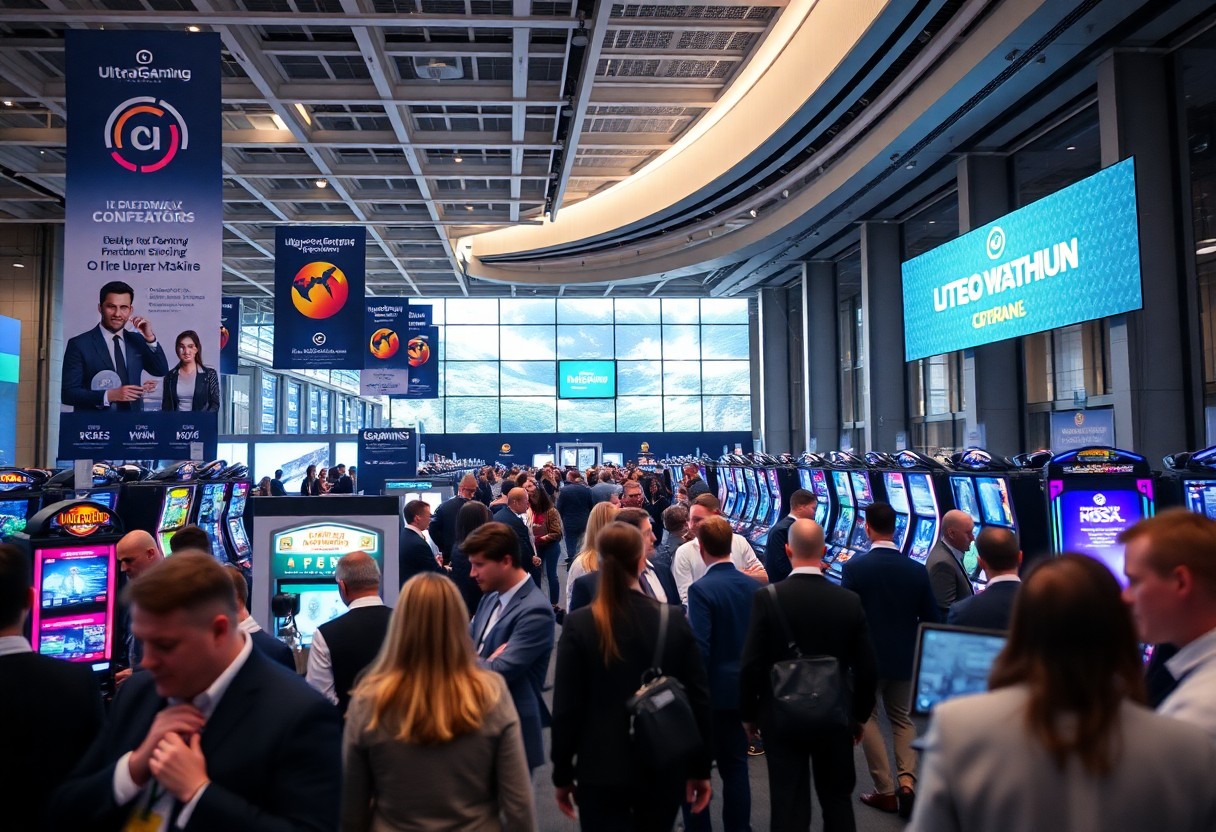
There's a growing interest in Lithuania's iGaming sector, as its regulations strike a balance between fostering innovation and ensuring player protection. Recent legislative reforms have created a transparent framework that appeals to both local and international operators, allowing them to engage in a stable and supportive environment. This post explores the key aspects of Lithuania's regulatory landscape and how it positions the country as an attractive hub for iGaming businesses seeking to expand their reach in the European market.
Lithuania's Regulatory Framework
To fully understand the appeal of Lithuania's iGaming regulations, it is imperative to recognize the country's comprehensive regulatory framework. Crafted to balance operator interests with consumer protection, the framework is built upon a foundation of transparency and accountability. This organized structure not only facilitates a fair playing environment but also fosters a sense of trust among potential players, making it an attractive market for both local and international operators. Lithuania's adherence to EU standards further strengthens its appeal, reassuring operators that they are entering a mature and stable market.
Licensing Process and Requirements
Among the various strategies employed by Lithuania to promote its iGaming industry, the licensing process stands out as a significant attractor for operators. The Lithuanian Gaming Control Authority oversees the licensing of online gaming operators, ensuring a structured process that includes a thorough evaluation of the applicant's financial stability, integrity, and responsible gaming practices. The requirements are designed to ensure that only reputable and financially sound companies can obtain a license, thus promoting a secure gaming environment.










This regulatory diligence is complemented by the relatively straightforward application process. Operators are supplied with clear guidelines regarding the documentation and specifics required for submissions. By streamlining the licensing process and establishing clear requirements, Lithuania effectively encourages new operators to enter the market while maintaining high standards of compliance and accountability.
Compliance Standards and Monitoring
Framework regulations in Lithuania emphasize rigorous compliance standards that all licensed operators must uphold. This encompasses a range of areas, including player protection measures, secure financial transactions, and responsible gambling practices. The Lithuanian Gaming Control Authority is tasked with the monitoring of these standards, conducting regular audits and assessments to ensure that operators comply with the established regulations. This oversight fosters a competitive environment while simultaneously safeguarding consumer interests.
Further emphasizing the integrity of the iGaming sector, Lithuania has implemented a proactive approach to monitoring compliance. Operators must submit detailed reports and undergo regular evaluations, which include checks on game fairness, payment processing, and adherence to responsible gaming initiatives. This relentless focus on compliance not only promotes a safe gambling environment but also enhances the credibility of the market, attracting further investment from operators. As Lithuania continues to evolve its regulatory framework, the emphasis on robust compliance will likely remain central to its strategy for establishing a reputable iGaming industry.
Market Advantages
It is evident that Lithuania's iGaming regulations offer numerous market advantages that appeal to operators globally. These benefits create a conducive environment for both new and established companies, enabling them to thrive in a competitive landscape. With an increasing number of operators recognizing these advantages, Lithuania continues to solidify its reputation as an attractive hub for gaming and betting ventures.
Competitive Tax Structure
By adopting a competitive tax structure, Lithuania has positioned itself as an appealing choice for iGaming operators. The country offers a favorable tax rate of 15% on gaming revenue, significantly lower than many other European jurisdictions. This reduced tax burden allows operators to allocate more resources towards marketing, customer acquisition, and technological innovations, ultimately enhancing their market presence and profitability.
EU Market Access
Market access is an additional advantage that Lithuania provides to iGaming operators looking to expand their footprint in Europe. Being a member of the European Union allows operators licensed in Lithuania to cater not only to local players but also to customers across the EU, enabling them to tap into a larger and diverse player base.
A robust regulatory framework ensures that operators in Lithuania can offer their services with confidence, maintaining compliance with EU standards. This access to a wider market amplifies the opportunities for growth, creating pathways for scalability and enhanced revenue potential for operators that choose to base their operations in Lithuania. Furthermore, it fosters a competitive environment where businesses can innovate and meet the evolving preferences of players throughout the region.
Technical Infrastructure
Assuming an operator is considering entering Lithuania's iGaming market, the country's advanced technical infrastructure plays a pivotal role in their decision-making process. The combination of robust internet connectivity, high-speed networks, and modern data centers ensures that businesses can operate with efficiency and reliability. This not only allows operators to provide seamless gaming experiences to their customers but also meets the increasing demands for high-definition graphics and real-time interactions often associated with online gaming. As technology evolves, Lithuania's commitment to maintaining its infrastructure provides a stable foundation for both existing and new entrants in the industry.
Digital Payment Solutions
An important factor for iGaming operators is the ability to offer diverse and secure digital payment solutions. Lithuania has fostered a fintech-friendly environment, enabling numerous payment service providers to flourish within its borders. This has resulted in a wide range of options available for both deposit and withdrawal transactions, catering to players' preferences for speed and convenience. By having access to various payment methods, such as e-wallets, bank transfers, and cryptocurrency options, operators can significantly enhance the overall user experience, attracting more users to their platforms.
Data Protection Measures
Between the ever-evolving landscape of data privacy and the increased scrutiny on digital transactions, Lithuania has established comprehensive data protection measures that align with European Union regulations. This commitment to data security not only protects players' sensitive information but also instills confidence in operators looking to enter the market. The Lithuanian State Data Protection Inspectorate actively oversees compliance, ensuring that all businesses uphold the highest standards of data management practices.
To reinforce its dedication to data protection, Lithuania has implemented stringent guidelines that align with GDPR requirements. These include measures such as data encryption, user consent protocols, and regular audits of data processing activities. For operators, this means a reliable framework under which they can operate, reducing risks associated with data breaches and fostering trust among their customer base. As a result, operators can focus on innovation and engagement without compromising player safety or regulatory compliance.
Player Protection Mechanisms
Your understanding of player protection mechanisms is key to appreciating why Lithuania's iGaming regulations resonate with operators. The Lithuanian regulatory framework prioritizes player safety through a range of innovative and effective measures, which not only foster a secure gaming environment but also enhance overall public trust in the industry. This proactive stance not only assures players of their safety but also establishes clear guidelines for operators, allowing them to remain compliant while focusing on business growth.
Responsible Gaming Tools
Behind Lithuania's emphasis on responsible gaming tools lies a commitment to player welfare. The regulations mandate the provision of features such as self-exclusion options, deposit limits, and time management functionalities. These tools empower players to take control of their gaming habits, enabling them to enjoy the entertainment aspect of gaming without falling into the traps of excessive play. By integrating these responsible gaming features, operators not only comply with local laws but also demonstrate their dedication to creating a sustainable gaming environment.
Anti-Money Laundering Protocols
Across Lithuania's iGaming landscape, stringent anti-money laundering (AML) protocols are in effect, which significantly bolster the integrity of the industry. Operators are required to implement comprehensive due diligence processes to verify the identity of their players and monitor their financial activities. This crucial framework deters illicit financial activities and cultivates a sense of accountability within the gaming community.
At the heart of these AML measures are robust systems designed for ongoing transaction monitoring and risk assessment. Operators must assess customer behavior and flag any suspicious activities to the authorities, ensuring that potential money laundering schemes are identified and addressed swiftly. This vigilance not only protects the players and the operators themselves but also enhances Lithuania's reputation as a trustworthy hub for iGaming activities, attracting more operators looking to establish themselves in a secure and reputable market.
Market Growth Potential
Now, the iGaming landscape in Lithuania is experiencing a significant resurgence, fueled by an evolving regulatory environment and advancements in technology. The country has crafted a framework that fosters a lucrative ecosystem for gaming operators while ensuring player protection and responsible gambling practices. This combination of supportive legislation and innovative technology positions Lithuania as a desirable destination for both established and emerging operators seeking to capitalize on the market's potential.
Demographics and Player Base
Across Lithuania, the demographic landscape is evolving rapidly, with a young and tech-savvy population eager to engage with digital platforms. The average age of players in the iGaming sector tends to skew younger, reflecting a strong familiarity with online technologies, mobile devices, and gaming culture. Additionally, the growing middle class and increasing disposable incomes provide a robust foundation for iGaming growth, enabling a wider segment of the population to participate in online gaming activities.
Revenue Projections
Player engagement levels have led to promising revenue projections for the iGaming sector in Lithuania. The regulatory framework has instilled confidence among operators, who are now able to leverage local insights while maximizing their offerings. Furthermore, projections indicate a compound annual growth rate (CAGR) that suggests remarkable growth for the foreseeable future, driven by increasing participation and investments in technology-driven gaming solutions.
Even as competition intensifies among operators, the revenue potential remains bright. Analysts highlight that the combination of innovative marketing strategies, along with local market adaptations, can help companies tap into the emerging sectors of online sports betting and live casino gaming. With a well-rounded approach that addresses player interests, operators are well-positioned to not only meet but exceed revenue expectations in this expanding market.
Operational Benefits
Despite the competitive landscape of the iGaming industry, Lithuania's regulatory framework offers numerous operational advantages that are enticing for both new entrants and established operators. The clarity and stability of the legal environment foster trust among stakeholders and allow companies to focus on growth and innovation. Operators are finding that Lithuania's streamlined processes enable them to bring their products to market faster and more efficiently than in jurisdictions where regulations are less defined or more burdensome.
Cost-Effective Setup
An appealing aspect of establishing operations in Lithuania is the cost-effective setup that the country offers. The initial investment required for licensing and compliance in Lithuania tends to be lower than in many other European countries. Additionally, the availability of local expertise and service providers means that operators can access high-quality support services at competitive rates, further lowering operational overheads and facilitating a smoother entry into the market.
Administrative Support
The Lithuanian government is keen to promote a thriving iGaming sector, providing various forms of administrative support to prospective operators. This encouragement can take the shape of expedited licensing processes and dedicated assistance from regulatory bodies, ensuring that companies can navigate the complexities of compliance with greater ease. Operators not only benefit from lengthier operational hours but can also rest assured that their administrative concerns are addressed swiftly, enabling them to focus more on customer engagement and service delivery.
To foster an environment conducive to business, the Lithuanian authorities have established a robust framework for ongoing dialogue with industry players. This engagement allows operators to provide feedback about the regulatory process, leading to continuous improvements that enhance the operational landscape. As a result, companies can expect a collaborative relationship with the government, which ultimately contributes to a more sustainable and profitable environment for iGaming in Lithuania.
To wrap up
Presently, Lithuania's iGaming regulations are drawing considerable attention from operators globally due to their balanced approach that fosters both market growth and consumer protection. The regulatory framework established by the Lithuanian Gambling Authority is seen as transparent and fair, providing a stable environment for operators to thrive. This clarity facilitates compliance for businesses, reducing the uncertainty that often accompanies expansion into new markets. Furthermore, the Lithuanian government has worked to ensure that regulations are in line with EU standards, which increases investor confidence and encourages foreign firms to enter the market.
Additionally, the regulated market structure in Lithuania allows for a diverse range of gaming options, which appeals to a broad audience. Operators benefit from the opportunity to tailor their offerings to specific consumer preferences while adhering to strict guidelines that safeguard player interests. The effective taxation policies, coupled with incentives for responsible gaming, create a framework that supports both operators and customers. As a result, Lithuania has positioned itself as a promising destination for iGaming businesses seeking a vibrant market with expansive growth potential.
FAQs
What makes Lithuania an attractive market for iGaming operators?
Lithuania offers a transparent regulatory framework, competitive tax rates, and EU market access, making it ideal for operators.
What is the licensing process for iGaming companies in Lithuania?
Operators must apply through the Lithuanian Gaming Control Authority, which evaluates financial stability, integrity, and compliance.
What is the tax rate for iGaming operators in Lithuania?
Lithuania has a favorable tax rate of 15% on gaming revenue, lower than many other European jurisdictions.
How does Lithuania ensure compliance in the iGaming industry?
The Lithuanian Gaming Control Authority conducts regular audits and requires operators to meet strict compliance standards.
Are foreign operators allowed to enter the Lithuanian iGaming market?
Yes, Lithuania welcomes international operators who meet its licensing and compliance requirements.
What responsible gaming measures are in place in Lithuania?
Operators must implement self-exclusion tools, deposit limits, and responsible gaming initiatives to protect players.
How does Lithuania prevent money laundering in the iGaming sector?
Operators must comply with strict AML regulations, conduct due diligence, and report suspicious transactions.
What are the advantages of Lithuania’s technical infrastructure for iGaming?
The country has high-speed internet, modern data centers, and fintech-friendly payment solutions for seamless operations.
Can Lithuanian iGaming operators serve players from other EU countries?
Yes, Lithuania’s EU membership allows operators to offer services across Europe while complying with EU regulations.
What is the future growth potential of the iGaming industry in Lithuania?
With a young, tech-savvy population and strong regulatory support, Lithuania’s iGaming market is expected to grow significantly.

Paula Nancy
Hello and Welcome to my profile. I'm a UK based entrenched full-time Blogger, Journalist, columnist and a certified writer with many years of sound writing experience. If you need a high-quality and original content, I'm here to provide you with the best writing services.
Related Posts


PopOK Gaming Announces Partnership with Bitville Gaming
October 9, 2026


