















How to Obtain a Malta Gaming License

Regulatory note: A Malta gaming licence is not a universal approval for every product or market. The applicable licence class, technical controls, player-protection duties and advertising restrictions depend on the business model and current rules; this guide is general information, not legal advice.
Check the latest position with the Malta Gaming Authority and its licence register and authorisation material. Our European iGaming licensing guide provides broader context.
Malta gaming licence requirements in context
Applicants should map their game, jurisdiction, ownership, AML controls and technical systems to the applicable regulatory route before applying.










Malta gaming licence requirements
Malta gaming licence applications depend on the operator, product and compliance framework involved. This guide separates regulatory requirements from commercial claims. The Malta Gaming Authority, its licensee hub and related Malta Media regulatory analysis provide useful context.
Malta is widely regarded as a premier destination for online gaming operators due to its favourable regulatory environment. The licensing process is thorough yet efficient, provided that all necessary preparations are made in advance. A clear understanding of the requirements and procedures involved in obtaining a Maltese gaming license is essential. This guide outlines the necessary steps to ensure a successful application and full compliance with the Malta Gaming Authority's regulations. A structured approach will facilitate effective navigation of the licensing system.
Understanding the Types of Gaming Licenses
While navigating Malta's gaming licensing process, operators need to understand the different types of licenses available. They offer:
Casino games
The types of licenses are broken down into the following categories:
| License Type | Description |
|---|---|
| Type 1 | Casino games |
| Type 2 | Sports betting |
| Type 3 | P2P and poker |
| Type 4 | Controlled skill games |
| Type 5 | Other games |
Overview of License Categories
Even with various options, the main categories remain distinct. The main categories are:
| License Category | Description |
|---|---|
| Casino games | Type 1 license |
| Sports betting | Type 2 license |
| P2P and poker | Type 3 license |
| Controlled skill games | Type 4 license |
| Other games | Type 5 license |
Key Differences Between License Types
An operator should note the following differences:
Different games offered
The main differences are broken down into:
| License Type | Differences |
|---|---|
| Type 1 | Casino games |
| Type 2 | Sports betting |
| Type 3 | P2P and poker |
| Type 4 | Controlled skill games |
| Type 5 | Other games |
This information helps operators choose the right license.
Plus, they offer more specific details:
Game types
The main details are broken down into:
| License Type | Details |
|---|---|
| Type 1 | Casino games, lotteries |
| Type 2 | Sports betting, pool betting |
| Type 3 | P2P, poker, bingo |
| Type 4 | Controlled skill games, fantasy sports |
| Type 5 | Other games, lottery-type games |
This information is important for operators to navigate the licensing process.
Factors to Consider Before Applying
Clearly, applicants should evaluate several factors before submitting a license application. They consider:
- Target market
- Business plan
. Assume that careful planning is important for a successful application.
Eligibility Criteria for Operators
Obviously, they must meet specific eligibility criteria, including a proven track record and sufficient funding, to be considered for a license.
Regulatory Requirements and Compliance
Regulatory bodies require applicants to comply with strict regulations, including anti-money laundering and player protection measures.
For instance, they must implement robust systems to prevent fraud and ensure fair gaming practices, and demonstrate a commitment to responsible gaming and player protection, in order to obtain and maintain a license, and she will need to provide detailed documentation and undergo regular audits to ensure ongoing compliance with these requirements.
Step-by-Step Guide to the Licensing Process
The licensing process in Malta involves several steps, which are outlined in the following table:
| Step | Description |
|---|---|
| 1 | Application submission |
| 2 | Review and approval |
Pre-Licensing Preparation and Documentation
Thereafter, operators must prepare and gather necessary documentation, including business plans and financial statements, to support their license application, they must ensure compliance with regulatory requirements.
Submission and Review Process
Apart from the initial preparation, the submission process involves filing the application with the relevant authorities, and they will then review the application to ensure it meets all requirements.
PreLicensing preparation is key to a successful submission, they will assess the operator's suitability and the application's completeness, and may request additional information or clarification, the review process typically takes several weeks, during which time the operator's application is thoroughly evaluated, and they may be required to provide further documentation or attend an interview, the regulator will then make a decision on the application, which may be approved, rejected, or subject to conditions.
Tips for a Successful Application
Despite the complexity of Malta's gaming licensing process, operators can increase their chances of success by following key guidelines. They should:
- Ensure all documents are in order
- Meet the necessary requirements
Perceiving the regulator's expectations is crucial for a successful application.
Common Mistakes to Avoid
With a deep understanding of the licensing process, they can avoid common pitfalls, such as incomplete applications or lack of transparency, which can lead to delays or rejection.
Best Practices for a Smooth Process
Smooth navigation of the licensing process requires careful planning and attention to detail, enabling operators to anticipate and address potential issues before they arise.
Another key aspect of best practices for a smooth process is maintaining open communication with the regulatory body, as this enables operators to clarify any doubts and ensure they are meeting all the necessary requirements, thereby increasing the likelihood of a successful application, and they can proceed with their operations in a compliant and efficient manner.
Evaluating the Pros and Cons of a Malta Gaming License
Your decision to obtain a Malta gaming license should be based on a thorough evaluation of the advantages and disadvantages. The following table highlights the key points to consider:
| Pros | Cons |
|---|---|
| Tax benefits | High licensing fees |
| Reputable jurisdiction | Complex application process |
Benefits of Licensing in Malta
To begin with, the benefits of licensing in Malta are numerous, including a favorable business environment and a highly regulated market, which they consider attractive to operators.
Potential Drawbacks and Challenges
Little do operators know, obtaining a Malta gaming license can be a lengthy and costly process, which they must carefully consider before applying.
Malta has a rigorous licensing process, and operators must meet strict requirements, which can be time-consuming and costly, and they must be prepared to provide detailed documentation and undergo thorough scrutiny, ensuring they comply with all regulatory requirements, and they should be aware of the potential challenges and drawbacks associated with the process, including the risk of license revocation if they fail to comply with regulations.
Maintaining Compliance and License Renewal
Keep in mind that obtaining a gaming license is not a one-time process. They must ensure ongoing compliance with regulatory requirements to maintain their license.
Ongoing Regulatory Requirements
You should note that operators are subject to regular audits and inspections to ensure adherence to regulations. They must submit reports and maintain detailed records to demonstrate compliance.
Renewal Process and Updates
Regulatory bodies typically require licensees to renew their licenses periodically. They must submit updated information and pay renewal fees to maintain their license.
Compliance with regulatory updates is necessary during the renewal process. They must stay informed about changes to laws and regulations, and implement necessary updates to their operations to avoid license revocation or penalties, ensuring they can continue to operate legally in Malta's gaming industry.
To wrap up
In conclusion, navigating Malta's gaming licensing process demands careful planning and meticulous attention to detail. Compliance with all regulatory requirements is essential to obtaining a license. A thorough understanding of the process is crucial for a successful application, and seeking professional guidance can provide valuable support. With the right approach, it is possible to navigate the licensing procedure efficiently and establish a strong presence in Malta's gaming industry. This, in turn, allows for a greater focus on delivering a high-quality gaming experience to customers.
FAQs
What are the main types of Malta gaming licenses?
Malta offers five license types: Type 1 (casino games), Type 2 (sports betting), Type 3 (P2P and poker), Type 4 (controlled skill games), and Type 5 (other games).
What are the eligibility criteria for obtaining a Malta gaming license?
Operators must have a proven track record, sufficient financial resources, and meet regulatory compliance standards.
How long does the Malta gaming license application process take?
The process typically takes several weeks to months, depending on application completeness and regulatory reviews.
What documents are required for a gaming license application?
Key documents include a business plan, financial statements, proof of funding, and regulatory compliance documentation.
What are the compliance requirements for licensed operators in Malta?
Operators must adhere to anti-money laundering laws, player protection measures, fair gaming policies, and regular audits.
What are the benefits of obtaining a Malta gaming license?
Malta offers a reputable regulatory environment, tax benefits, access to the EU market, and a well-established iGaming infrastructure.
What challenges do operators face when applying for a Malta gaming license?
The process can be complex, time-consuming, and costly, requiring extensive documentation and strict regulatory compliance.
Can a Malta gaming license be revoked?
Yes, licenses can be revoked if operators fail to meet compliance standards or violate regulations.
How often do operators need to renew their Malta gaming license?
Licenses require periodic renewal, with operators needing to submit updated documentation and pay renewal fees.
Is professional assistance recommended for obtaining a Malta gaming license?
Yes, seeking legal and regulatory guidance can improve the chances of a smooth application and ongoing compliance.

Michael Schmitt
Michael Schmitt is the founder of TRIDER.UK and Editor of Malta Media. He writes about iGaming, gambling regulation, corporate structures, financial services and market integrity, combining investigative journalism with nearly three decades of experience in corporate services and international business.
Related Posts

Ms Wittmann celebrates Berlin ruling despite MGA hacking findings
October 12, 2026


Just Slots secures MGA licence and partners with Hub88 for market launch
September 29, 2026

THNDR opens its platform to third-party studios for expanded skill games
September 23, 2026

BetComply strengthens compliance team with three experienced appointments
September 16, 2026
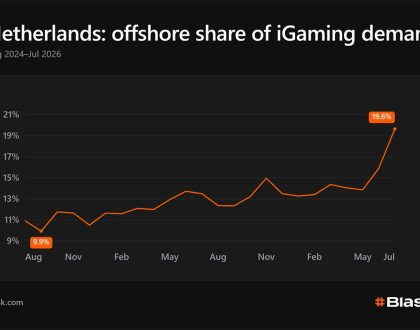
Dutch iGaming operators face shifting demand as offshore interest grows
September 16, 2026

Stake rebrands Stake Engine as Engine for wider iGaming operator access
September 15, 2026

Felix Gaming Enters a New Chapter with MGA License
September 10, 2026
GAMOMAT secures Malta licence to expand regulated game supply in Europe
September 1, 2026