















Malta’s Best Winter Attractions

Attractions in Malta offer a unique blend of culture, history, and stunning landscapes, making it the perfect destination for a mild winter getaway. As I explored this beautiful island, I discovered how much it has to offer—whether you're wandering through ancient cities or soaking up the sun by the sea. In this blog post, I'll share some of Malta's must-visit spots that will make your winter escape both enjoyable and memorable.
Understanding Malta's Climate
Overview of Winter Weather
A mild and sunny winter is what draws many travelers to Malta, where the weather can feel quite inviting compared to the colder climates in other regions. With an average of 6 hours of sunshine a day, Malta offers a pleasant reprieve from the chills of winter, making it an ideal escape for those seeking warmth and light. The island experiences Mediterranean weather patterns, which means you can expect some rain, but it usually does not detract from your outdoor plans.
With the sea temperature remaining relatively warm at around 16-17 degrees Celsius, you might still find opportunities to enjoy the beach or indulge in water sports. While the winter months from December to February see the most precipitation, the showers tend to be short-lived and followed by clear skies, allowing you to make the most of your time outdoors.










Benefits of a Mild Winter Escape
Around this time of the year, you'll notice that Malta is far less crowded compared to the bustling summer months. This opens up fantastic opportunities to explore the stunning sites like the ancient city of Mdina or the beautiful Blue Lagoon without the usual tourist throngs. You can immerse yourself in Malta's rich culture and history with greater ease, enjoying a more intimate experience at various attractions.
Additionally, lower accommodation rates during the winter can make your traveling budget more manageable. With fewer tourists around, hotels often provide special offers and discounts, ensuring you get excellent value for your stay. Malta's culinary scene thrives during these months too, with local restaurants offering delightful seasonal dishes that you wouldn't want to miss.
Another perk of visiting Malta in winter is the chance to participate in various local events and festivities. The festive season during December, followed by Carnival in February, showcases the vibrant Maltese culture through parades, lively music, and traditional delicacies, providing a unique experience that you may not encounter during the peak tourist season.
Average Temperatures and Precipitation
Winter in Malta brings a unique blend of comfortable temperatures and varying levels of precipitation. The average high during these months is around 15-18 degrees Celsius, while the lows can drop to about 10 degrees Celsius at night. This moderate climate makes it easy to explore the island without being weighed down by heavy winter clothing.
Average Temperatures and Precipitation
| Month | Average Temperature (°C) | Precipitation (mm) |
|---|---|---|
| December | 15 – 18 | 90 |
| January | 14 – 17 | 80 |
| February | 14 – 17 | 60 |
Understanding Malta's weather patterns will enhance your travel experience. You may find, for instance, that rain is often brief and interspersed with beautiful sunny spells. This pattern allows you to enjoy long walks around the historical sites or relax on the beach in-between the occasional shower.
Getting to Malta
It is vital to know how to reach Malta when planning your winter escape. This beautiful Mediterranean archipelago is well connected to various international destinations, making it accessible for travelers like you who are seeking a mild and sunny getaway. Malta boasts a unique blend of history, culture, and picturesque scenery, all waiting for you to explore.
Major International Airports
Above all, it is worth mentioning that Malta is served by one major international airport: Malta International Airport (MLA), located near the capital, Valletta. This airport receives flights from numerous European cities and even some direct flights from cities in North Africa and the Middle East. It's advisable to check the schedules for your preferred airline ahead of time, as winter travel schedules may differ from peak seasons.
You will also find that the airport facilities are quite accommodating, with plenty of shops, restaurants, and services to make your arrival as smooth as possible. If you're flying in, I recommend acclimatizing to the local time and climate before venturing out to explore Malta's various attractions.
Transportation Options Upon Arrival
Transportation options upon arrival at Malta International Airport are both diverse and convenient. From the moment you step off the plane, you can find various ways to reach your accommodation, including taxis, rental cars, and public transport options. The bus service, known as Malta Public Transport, offers a cost-effective way to navigate the island, connecting you to most major towns and attractions.
Transportation services like taxis and ride-sharing apps are also readily available outside the terminal, providing a more direct route to your destination if you prefer the convenience of a private ride. Additionally, many accommodations offer airport transfer services, which can save you time and make your arrival even more hassle-free.
Hence, you have plenty of choices to suit your travel style and budget. Whether you want the economical option of public transit or the comfort of a private transfer, your journey to Malta can be made easy and enjoyable right from the airport.
Best Times to Visit
Against the backdrop of Malta's picturesque landscapes, winter can be one of the most appealing seasons to visit. The weather is generally mild and pleasant, with daytime temperatures typically ranging from 15°C to 20°C (59°F to 68°F). This allows for comfortable exploration of the island's many attractions without the oppressive heat you might encounter in the summer months.
You'll find that the offseason also means fewer crowds at popular tourist spots, allowing you to fully immerse yourself in the rich history and culture of the Maltese islands. If you're looking to take part in local festivals or events, the winter months often feature vibrant celebrations that can enhance your visit.
But while winter offers a more tranquil escape, it's important to consider that certain attractions may have altered hours of operation or limited availability. Therefore, planning your itinerary in advance can help you make the most of your time in Malta during this lovely season.
Valletta: The Capital City
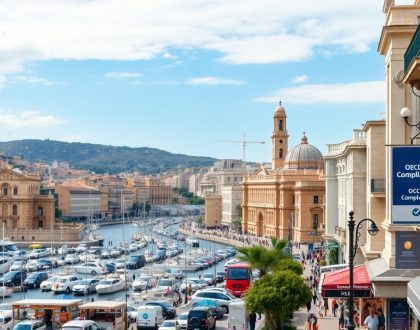
All of Malta's charm can be encapsulated in its capital city, Valletta. With its rich history, stunning architecture, and vibrant culture, Valletta offers an ideal setting for a winter getaway. As I walk through the narrow streets, it's easy to feel the presence of the Knights of St. John, who shaped this city in the 16th century. From the moment you arrive, you'll find yourself immersed in the fascinating blend of history and modern life that Valletta has to offer.
Historical Significance
Any visit to Valletta is incomplete without recognizing its historical significance. Founded by the Grand Master Jean de la Valette in 1566, this fortified city was built as a shield against the Ottoman Empire. Each stone in its majestic buildings holds stories that date back to the Great Siege of 1565, making Valletta a living testament to the resilience of the Maltese people. Walking along the ancient walls, I couldn't help but reflect on the strategic importance of this small island in Mediterranean history.
Additionally, Valletta was declared a UNESCO World Heritage Site in 1980, further solidifying its status as a magnificent architectural gem. The city's layout, designed by the Italian architect Francesco Laparelli, showcases a cohesive blend of Baroque, Mannerist, and Neoclassical styles. Each corner reveals a new layer of Malta's evolution through different eras, and exploring these historical landmarks adds depth to your understanding of not just Valletta, but the entire island.
Must-See Landmarks
Significance is woven into the very fabric of Valletta, with its array of must-see landmarks that capture the heart of its rich heritage. As you stroll through the streets, you will undoubtedly encounter the magnificent St. John's Co-Cathedral, known for its stunning Baroque interiors and the famous Caravaggio painting, “The Beheading of Saint John the Baptist.” The Grand Master's Palace and the historic Upper Barracca Gardens offer breathtaking views of the Grand Harbour, making them perfect spots for both history buffs and photographers alike.
In addition to those iconic sites, I highly recommend that you visit the National Museum of Archaeology to uncover Malta's prehistoric past or enjoy a leisurely walk along the city's panoramic fortifications. Valletta's timeless beauty is encapsulated in quaint squares and intricate facades; you'll find yourself mesmerized by the details that reflect the city's glorious past. Be sure to take your time as you wander through these landmarks, allowing the history to unfold before your eyes.
Cultural Experiences and Activities
One of Valletta's greatest assets is its vibrant cultural scene. As I explore this city, I often stumble upon numerous art galleries, theaters, and cultural festivals that highlight local talent and traditions. From the Valletta Film Festival to various music events, there's always something happening that invites you to immerse yourself in the Maltese way of life. You can also participate in traditional food tours, where you'll get to indulge in local delicacies while listening to the stories behind these culinary delights.
Even more enriching is the opportunity to attend live performances at the renowned Manoel Theatre, one of the oldest working theaters in Europe. Engaging with locals in the bustling markets, or enjoying a glass of wine at a vibrant café, allows me to connect with the culture in a way that is both authentic and fulfilling. Valletta is not just a destination, but a lived experience, and I encourage you to embrace these activities for an unforgettable visit.
The Enchantment of Mdina
Many travelers find themselves captivated by the timeless charm of Mdina, Malta's ancient capital. Known as the “Silent City,” this fortified jewel boasts a magical atmosphere enhanced by its narrow, winding streets and stunning medieval architecture. Visiting Mdina in the mild winter months allows you to explore its rich heritage comfortably, as you wander through peaceful lanes devoid of the usual summertime crowds. Here, I encourage you to immerse yourself in the history and culture that radiates from every corner.
The Silent City: Its History
On entering Mdina, one can immediately sense the weight of history that envelops this remarkable location. The city's origins date back over 4,000 years, and it has served as the capital of Malta since ancient times. The walls that encircle Mdina reflect the influence of various civilizations, from the Phoenicians to the Romans, followed by the Knights of St. John who fortified the city further. As you stroll through the streets dotted with remnants of the past, you'll likely feel a lingering connection to the countless lives that unfolded within these ancient walls.
On your journey, don't miss the Baroque-style St. Paul's Cathedral, which stands at the heart of the city. A visit here offers a glimpse into the artistic and architectural feats of this historic period while showcasing beautifully crafted interiors that speak to the wealth of the era. Each turn uncovers stories waiting to be uncovered, making your winter escape to Mdina both intriguing and enriching.
Architectural Wonders
About stepping into Mdina is like walking through a living museum, where each building reveals stunning examples of architectural brilliance. The blend of Norman, Gothic, and Baroque styles adorns the cityscape, inviting you to explore its hidden gems. Be prepared to be captivated by majestic palaces, quaint balconies, and elaborate stone facades that tell tales of a bygone era. The vibrancy of different architectural styles working in harmony creates a unique ambience that adds to the enchantment of your winter visit.
And as you navigate the cobblestone streets, take a moment to appreciate the finesse of the Palazzo Falsone and Palazzo de Piro, where you can encounter the delicate craftsmanship of Maltese artisans. The quiet surroundings provide an ideal backdrop for photography enthusiasts or anyone looking to take in the spectacular visual allure of this historic enclave. I often find that the more I explore, the more I discover, making every visit to Mdina feel like a new adventure.
Attractions: Museums and Galleries
One of the joys of visiting Mdina is the array of museums and galleries that showcase Maltese culture and history. Here, you can explore into the past with exhibitions dedicated to everything from the National Museum of Natural History, located within the stunning setting of a former palace, to the Mdina Cathedral Museum, where ecclesiastical art pieces captivate visitors. Each establishment is a treasure trove of knowledge waiting to be explored, offering insights that enrich your experience of this historic city.
Another highlight is the unique experience presented by the Mdina Dungeons, which allows you to step back into Malta's medieval era. You can learn about the city's darker past through interactive exhibits that bring history to life, making it an exciting stop for families and history buffs alike. The confluence of education and entertainment ensures that you leave Mdina with not only beautiful memories but also a deeper understanding of its cultural tapestry. Your winter escape in this enchanting location is sure to be one that lingers long after you depart.
The Azure Window and Dwejra
Your visit to Malta would be incomplete without exploring the breathtaking natural wonders that lie at Dwejra, home to the renowned Azure Window. This stunning limestone arch, which juts out over the azure waters of the Mediterranean, offers one of the most picturesque views on the island. Although the Azure Window collapsed in 2017, the surrounding area remains a treasure trove of natural beauty, with dramatic cliffs and vibrant sea life still captivating visitors year after year.
Natural Wonders of Malta
On your journey through Dwejra, you'll encounter the natural sights that showcase Malta's rugged terrain and volcanic history. The contrast between the deep blue waters and the towering cliffs creates a mesmerizing backdrop that is perfect for both photography and contemplation. The Fungus Rock, named after a rare plant found there, stands sentinel in the bay, further enhancing the scenic appeal of this unique location.
Activities: Diving and Snorkeling
By visiting Dwejra, you'll have the opportunity to examine the vibrant underwater world, which is rich with marine life. The waters around the Azure Window, now characterized by serene rock pools and clear lagoons, provide ideal conditions for snorkeling and diving. Exploring the underwater caves and reefs can lead to encounters with colorful fish and an abundance of marine flora, making it a haven for both novice and experienced divers.
Due to the popularity of diving in this area, several dive schools and tour operators offer guided excursions to help you explore these magnificent waters safely. Equipment rentals and professional instructors are readily available, ensuring you can fully immerse yourself in the aquatic playground of Dwejra. Whether you are a seasoned diver or just beginning your underwater adventure, the region's clear waters promise an unforgettable experience.
Nearby Attractions
By venturing a little further from Dwejra, you can discover other remarkable attractions that add more depth to your Maltese adventure. The nearby Inland Sea, a lagoon connected to the Mediterranean through a natural arch, provides incredible opportunities for swimming and kayaking. Just a short hike from the Azure Window lies the historic salt pans of Xwejni, offering an insight into traditional salt harvesting practices that have remained unchanged for centuries.
In fact, the combination of Dwejra's dramatic landscapes, coupled with the nearby attractions such as the stunning coastal scenery of Fungus Rock and the tranquil charm of the Inland Sea, ensures that your time in this remarkable part of Malta is both varied and enriching. Taking the time to explore these areas will greatly enhance your winter escape, leaving you with memories that you'll cherish long after you leave the island.
Gozo Island Adventures
Introduction to Gozo
Gozo, often referred to as Malta's sister island, is a charming destination that beckons travelers with its rich history, stunning landscapes, and a slower pace of life. Once again, I find myself enchanted by its picturesque villages, ancient temples, and the warm hospitality of its locals. You will discover that Gozo retains much of its traditional Maltese culture, making it a perfect spot for those looking to immerse themselves in authentic experiences during the winter months.
This island is a mere short ferry ride from Malta and offers a delightful escape for nature lovers and adventure seekers alike. The serene environment and mild climate make it an excellent winter retreat, where you can explore everything from rugged coastlines to serene rural landscapes. I highly recommend taking the time to uncover Gozo's hidden gems, which are often less crowded than those on the main island.
Beaches and Coastal Walks
To appreciate the breathtaking beauty of Gozo, one must explore its stunning beaches and coastal walks. The island boasts beautiful sands, secluded coves, and breathtaking cliffs, providing the perfect setting for a relaxing day by the sea or an invigorating hike. I always find a sense of tranquility at Ramla Bay, known for its golden sands and crystal-clear waters; it's the ideal spot to unwind or enjoy a leisurely swim in the mild winter sun.
Coastal walks on Gozo are equally captivating and offer a unique way to experience the island's natural beauty. You can commence on scenic trails such as the one that leads from Dwejra to Fungus Rock, where you'll be treated to incredible views of the Azure Window site and the accompanying dramatic cliffs. Each step reveals the pristine environment and diverse wildflowers that flourish during winter, making the adventure even more worthwhile.
Historical and Cultural Sites
Island history permeates every corner of Gozo, and you'll find a treasure trove of historical and cultural sites to explore. From the ancient Ggantija Temples—dating back to Neolithic times—to the majestic Citadel in Victoria, there's no shortage of remarkable landmarks that tell the story of the island's rich past. As I wander through these sites, I feel a deep connection to the island's heritage, making it a perfect destination for history enthusiasts.
Walks through Gozo's historical sites can be quite an enlightening experience. You can easily lose track of time as you explore the narrow streets of the Citadel or stand in awe of the breathtaking sea views from its fortified walls. The combination of history and stunning landscapes creates a unique atmosphere that allows me to appreciate Gozo not just as a destination, but as a journey through time, where each visit deepens my understanding of this remarkable island.
The Stunning Beaches of Malta
To experience the true beauty of Malta during the winter months, one must explore its exquisite beaches. With a mild Mediterranean climate, the sandy shores and crystal-clear waters provide the perfect backdrop for relaxation and rejuvenation. Even in the cooler temperatures, these beaches are a sight to behold, often less crowded than during the peak summer months, giving you that serene escape you may be looking for.
Top Winter Beaches to Visit
Beside the famous Blue Lagoon on Comino, which may be less crowded in winter, I recommend exploring Golden Bay and Mellieħa Bay for their stunning vistas and calming ambiance. These beaches are not just for sunbathing; they offer picturesque walking trails and opportunities for photography that can be quite mesmerizing during the winter light. Even if you aren't planning to swim, the scenery alone makes these spots worth a visit.
Furthermore, I find that these locations often have a unique charm during the winter months, with the rugged coastline framed by striking winter skies. The gentle surf and the sound of the waves create a calming atmosphere that is perfect for a peaceful stroll or even meditative moments by the shoreline.
Water Activities: What's Possible
About the winter season, many people assume the water is too cold for activities, but that couldn't be further from the truth in Malta. While swimming may be less common, there are still plenty of water activities to enjoy during this season. You can find options like kayaking and stand-up paddleboarding, which are quite popular and allow you to explore the coastline at a leisurely pace. The mild weather makes it comfortable for these sorts of adventures, ensuring you can still soak in the beauty of Malta from a different perspective.
And if you're feeling adventurous, why not go for a boat trip? Several local companies operate during the winter months, taking you around hidden coves and secluded beaches that may be inaccessible by land. It's an incredible way to witness the stunning natural landscapes and maybe spot some marine life too!
Beachfront Dining Options
Whats better than ending your beach day with a meal overlooking the sea? Malta has some fantastic beachfront dining options where you can unwind while enjoying local cuisine. Many establishments remain open during the winter, offering delicious seafood dishes and traditional Maltese fare. I highly recommend trying a fresh catch of the day while you watch the sunset painting the sky in vibrant hues of orange and pink.
Consequently, dining by the beach provides a unique ambiance that elevates your experience. The gentle sounds of the waves mixed with the aromatic scents of the kitchen create an unforgettable setting. Whether you opt for a cozy café or a more upscale restaurant, you'll find that Malta offers diverse dining styles aligned with your mood and budget. Bon appétit!
Cultural Festivals and Events
Despite being one of the smallest nations in Europe, Malta boasts a rich tapestry of cultural festivals and events that bring the island to life, especially during the mild and sunny winter months. The vibrant traditions and heartfelt celebrations will immerse you in the local culture, making your winter escape truly unforgettable. From operas to local feasts, there's something special happening almost every week, celebrating the island's history, religion, and art.
Winter Festivals Not to Miss
After indulging in the festive spirit of December, you'll find January and February in Malta offering a wide variety of winter festivals you would not want to miss. One highlight is the feast of St. Paul's Shipwreck in Valletta, celebrated on February 10th, which features a magnificent procession, with participants dressed in historical costumes. Another remarkable event is the much-anticipated Carnival held in February, where vibrant parades, elaborate floats, and lively music fill the streets of Valletta and other towns, symbolizing the joyful atmosphere of the season.
The Role of Festivals in Maltese Culture
Cultural festivals in Malta are not just mere celebrations; they are a reflection of the island's deep-rooted identity. They represent the blend of various cultures that have influenced Malta over centuries, including the Knights of St. John, the Romans, and the British. Each festival offers insight into the traditions, culinary delights, and artistic expressions unique to the Maltese people, fostering a strong sense of community among locals and visitors alike.
Even as a visitor, you'll find yourself captivated by the enthusiasm radiating from the locals during these events. The festivals often foster community spirit, inviting not only participation but also a sense of belonging among everyone present. Engage with artisans showcasing their crafts, artists performing live, and families sharing sweet delicacies – you're bound to experience moments of connection that transcend cultural differences.
Events Calendar for Winter Months
Cultural events in Malta during the winter months are diverse and plentiful. As you explore the island from December to February, I encourage you to check out various pop-up galleries, open-air concerts, and food festivals. Mark your calendar for special events like the Malta International Food Festival or the Mdina Medieval Festival, which showcase the country's culinary heritage and historical narrative. Whether it's a local art exhibit or a natural wine fair, you'll find that there's something happening every week that will pique your interest.
Another enriching experience to consider is the powerful storytelling through music and drama. With various performances taking place in prestigious venues such as the Manoel Theatre, you'll have ample opportunities to witness everything from operatic masterpieces to contemporary plays. These cultural events not only provide entertainment but also help foster an appreciation for the artistic heritage of Malta, allowing you to embrace the unique stories that this Mediterranean gem has to offer.
Traditional Maltese Cuisine
After exploring the stunning landscapes and rich history of Malta, you'll undoubtedly develop an appetite for its delectable traditional cuisine. Maltese food reflects the islands' cultural melting pot, combining ingredients and cooking techniques from Italy, North Africa, and the Middle East. As the winter sun bathes the islands in a golden hue, indulging in local delicacies becomes a delightful way to experience Malta's authentic charm.
Signature Dishes to Try
Among the must-try dishes are ‘rabbit stew' (fenek) and ‘bragioli', which serve as staples for many Maltese families. The rabbit stew is known for its tender meat, rich flavors, and is often slow-cooked with an array of herbs, tomato, and red wine, making it a perfect comfort food on chilly winter days. Another signature dish, bragioli, contains beef wrapped around a stuffing of breadcrumbs, herbs, and sometimes a hint of wine, all simmered to perfection.
Also, you shouldn't miss out on the ‘pastizzi', which are flaky pastry pockets typically filled with ricotta or mushy peas. These savory snacks are perfect for a quick bite while exploring the cobblestone streets of Valletta or Mdina. The distinct flavors and textures of these dishes provide a heartfelt glimpse into the culinary traditions loved by the local community.
Best Restaurants and Eateries
Below are some top recommendations for eateries where you can revel in the divine tastes of Maltese cuisine. One notable option is ‘Nenu the Artisan Baker', known for its traditional Maltese ftira, a type of flatbread filled with fresh local ingredients. ‘Ta' Kris' in Sliema is another gem, offering an authentic taste of Malta in a cozy and welcoming setting, complete with friendly service.
Consequently, when it comes to fine dining, ‘Barracuda Restaurant' is an excellent choice, positioned along the coast with stunning sea views. Their menu features both traditional Maltese flavors and contemporary interpretations, allowing you to experience the best of both worlds. For a more casual outing, I recommend exploring various local trattorias and taverns, which often serve homemade meals that capture the essence of Maltese culinary heritage.
Food Markets and Culinary Experiences
After sampling the delights of local cuisine, visiting food markets can enhance your culinary journey in Malta. The bustling Marsaxlokk Fish Market is a lively spot, particularly on Sundays, where you can browse fresh catches and other local produce. Engaging with local vendors allows you to learn about traditional ingredients and perhaps pick up a few cooking tips along the way.
In fact, immersing myself in the local food culture can be an unforgettable experience. Cooking classes are also available, where you can learn to prepare traditional dishes under the guidance of expert chefs. These hands-on experiences not only enrich your understanding of Maltese cuisine but also allow you to take a piece of Malta back home with you.
Exploring the Maltese Countryside
Keep in mind that Malta's countryside is a delightful escape filled with scenic landscapes, charming villages, and rich local culture. On a mild and sunny winter day, exploring these lesser-known areas allows you to experience the authentic beauty of the islands while enjoying a pleasant outdoor atmosphere. As you venture beyond the bustling urban centers, you'll discover a serene side of Malta that many visitors overlook.
Nature Reserves and Parks
Among the highlights of the Maltese countryside are its diverse nature reserves and parks. Places such as the Majjistral Nature and History Park offer a stunning landscape of rugged cliffs, golden beaches, and a variety of flora and fauna that thrive in this Mediterranean climate. Birdwatching enthusiasts can rejoice as migratory birds frequent these areas, providing memorable experiences for wildlife aficionados. Walking paths wind through the reserves, allowing you to connect with the serenity of nature while appreciating the unique ecosystems that lie within these protected spaces.
Another fantastic option is the Buskett Gardens, one of the only wooded areas in Malta. While it may be small, it offers a tranquil retreat with its modest botanical gardens filled with fragrant plants and trees, alongside charming trails perfect for leisurely strolls. If you wish to take a break from the island's storied history and architecture, this oasis of greenery is an excellent spot to refresh your spirit.
Hiking Trails and Activities
To make the most of your time in the Maltese countryside, immerse yourself in its many hiking trails and outdoor activities. With diverse terrains ranging from coastal paths to rural paths, there's something for everyone, whether you're a novice hiker or an experienced adventurer. The scenic walk along the coastal cliffs at Dingli is a must-see, offering stunning vistas and the invigorating feeling of fresh air and sunlight. Additionally, trails like the Victoria Lines and the scenic routes around the cliffs of Gozo allow you to experience the islands' lush landscapes and breathtaking panoramas.
Indeed, hiking in Malta offers not just physical activity but also a chance to engage with the islands' rich history and heritage. Along the trails, you can spot ancient stone structures, such as fortifications and churches that have stood for centuries. With each hike, you'll feel a deeper connection to the land, experiencing its beauty and history firsthand while enjoying the mild winter temperatures.
Rural Villages and Local Culture
About the rural areas of Malta, exploring the villages provides a unique glimpse into the local culture and way of life. Villages such as Mdina and Rabat offer charming cobblestone streets filled with history, while lesser-known gems, like Marsaxlokk, showcase traditional fishing boats and a lively market where locals sell their fresh catches and artisanal goods. As you wander through these streets, you may find quaint cafes and bakeries where you can indulge in local treats, immersing yourself in the culinary culture that is part of the Maltese heritage.
Nature and culture intertwine beautifully in these rural settings, making them worthwhile stops on your winter escape. Each village carries its own unique character and stories that reflect the traditions and lifestyle of the Maltese people. You can engage with friendly locals who are often more than happy to share their stories and customs, enhancing your experience as you soak up the welcoming atmosphere of these picturesque communities.
Unique Architectural Styles
Unlike many destinations that conform to a single architectural style, Malta boasts a rich tapestry of influences that reflect its complex history and cultural interactions. The blend of Baroque, Renaissance, and Neoclassical elements gives the islands a unique character that is both inviting and intriguing. As I explored the streets of Valletta, I found myself captivated by the myriad of architectural details that tell stories of the past while enhancing the allure of this Mediterranean gem.
Baroque, Renaissance, and Neoclassical Influences
One of the most striking aspects of Malta's architecture is its Baroque influence, epitomized by the ornate facades and grandiose churches peppered throughout the islands. These structures were primarily constructed during the time of the Knights of St. John, who brought their own artistic sensibilities to Malta. Alongside Baroque, Renaissance styles are evident in the harmonious proportions and classical themes that resonate through many buildings, offering a glimpse into the artistic aspirations of the period.
One cannot overlook the Neoclassical elements that have emerged in later developments, showcasing symmetry and simplicity that contrasts beautifully with the extravagance of Baroque designs. This combination creates an architectural dialogue that engages visitors and ignites a sense of wonder. When walking through these historical neighborhoods, I found myself feeling transported through time as I admired the evolution of styles and the artistry that unfolded over centuries.
Noteworthy Buildings to Explore
Neoclassical architecture stands out in Malta, especially with buildings like the National Library and the Lower Barracca Gardens, which exhibit elegance and restraint. Each structure not only showcases architectural brilliance but also serves as a testament to Malta's rich heritage. As you stroll through Valletta, I encourage you to take notice of these carefully preserved landmarks, each narrating a unique chapter of Maltese history and culture.
Styles across Malta's cities are a testament to the island's diverse history, with influences from the British, French, and Italians clearly observable in various buildings. From the majesty of the Grand Master's Palace to the finely detailed pillars of St. John's Co-Cathedral, these structures offer an opportunity for deep appreciation of the craftsmanship involved. As you immerse yourself in the scenery, you'll find that each edifice speaks of the distinct narratives shaped by different eras and cultures intertwined on these shores.
The Influence of Different Cultures
Neoclassical design is just one aspect of Malta's unique architectural narrative, but it is intertwined with an array of other cultural influences. The island's strategic location in the Mediterranean made it a crossroads of civilizations, resulting in a vibrant blend of styles. Arabic, Italian, and British influences converge here, which is evident in the local vernacular architecture as well. When I first arrived, I was struck by the eclectic mix of elements that create a dynamic landscape of history and artistry.
It becomes evident that Malta's architectural diversity is not just a reflection of physical aesthetics but also a deeper narrative of the island's encounters with foreign powers. Each building embodies a piece of Malta's story, illustrating the transition of styles and adaptations over generations. You'll find beauty in the way these varied influences meld together, creating a rich tapestry that invites you to explore and appreciate the island's multifaceted character.
Tips for Travelling in Malta During Winter
Not every destination offers the perfect blend of mild weather, captivating sights, and rich history during winter. Malta is a remarkable exception, making it an ideal escape during this time. To ensure your experience is as enjoyable as possible, here are some key considerations to keep in mind while travelling here in the cooler months.
- Check the weather forecast regularly to pack appropriately.
- Prioritize indoor attractions, as some outdoor activities may be less appealing in winter.
- Book accommodations in advance, especially during the holiday season.
- Try local seasonal cuisine for a taste of Malta's culture.
- Be prepared for shorter daylight hours; plan your sightseeing accordingly.
Assume that winter in Malta is a well-kept secret that promises enriching experiences without the summer crowd. Here are a couple of imperative subsections to guide you further.
Suggested Packing List
Packing for a winter escape to Malta means focusing on comfort while also being prepared for unexpected weather changes. I suggest layering your clothes; lightweight sweaters and jackets are ideal as temperatures can dip during the evening. Don't forget to include a good pair of walking shoes, as you'll likely want to explore the historic sites and stunning landscapes on foot.
Additionally, I recommend packing travel imperatives like sunscreen and sunglasses to protect against the sun, which can still be quite strong even in winter. An umbrella or light rain jacket may also come in handy, as occasional showers are a possibility. Keep your camera accessible, as you won't want to miss the picturesque winter scenes across the island!
Transportation Within Malta
List the transportation options available in Malta, and you'll find a range of services to suit your needs. Public buses are a straightforward way to get around, offering routes that connect major attractions and towns. For a more personal touch, you might consider using taxis or ride-sharing services for quicker access to specific destinations. Car rentals are another fantastic option if you want more freedom to explore off-the-beaten-path locations.
Suggested navigation apps can be immensely helpful when it comes to planning your journeys. In addition, Malta's relatively compact size means you can cover a lot more ground in a short period, making it easier to fit in all those must-see attractions. Just be cautious while driving, as roads can be narrow and winding in some areas!
Safety and Health Considerations
Among the various aspects of your trip, safety and health should be at the forefront of your planning. Malta is generally a safe destination, but like any tourist hotspot, keeping an eye on your belongings is wise. I also recommend checking for any health advisories or requirements before you go, especially regarding vaccinations or travel insurance.
Travelling during the winter months also means being conscious of flu season. I find it beneficial to maintain good hygiene practices such as frequent hand washing, and perhaps carrying hand sanitizer, especially when using public transport. Keep an eye out for local healthcare facilities, just in case you need assistance during your stay. Being informed and prepared ensures a worry-free and enjoyable visit to this beautiful Mediterranean island!
Shopping in Malta
Now that we've explored some of the stunning sights Malta has to offer, let's probe the shopping scene, which is vibrant and reflective of the island's rich culture. Whether you're after unique souvenirs or local handicrafts, Malta has an abundance of options that will make your winter escape even more memorable. The shopping experience here is diverse, allowing you to find both traditional items and modern offerings in charming settings.
Local Handicrafts and Souvenirs
Between visiting cathedrals and soaking up the sun, you'll want to check out local handicrafts that reflect Malta's rich cultural heritage. From colorful pottery to intricately crafted lace, each piece tells a story that connects you to the island's history. I particularly enjoy browsing through artisan shops where you can find unique gifts and keepsakes that make perfect additions to your home or meaningful presents for loved ones.
Your exploration of handicrafts doesn't have to be limited to shops; many local artisans showcase their work at galleries and events throughout the year. This not only allows you to buy directly from the creator but also gives you the chance to learn about the techniques and stories behind the handicrafts. It's a wonderful way to immerse yourself in Maltese culture.
Markets vs. Boutiques
Against a backdrop of stunning architecture, the shopping landscape in Malta offers a variety of experiences, from bustling markets to elegant boutiques. Markets are typically lively places where you can find fresh produce, local foods, and handmade goods at great prices. Visiting these markets is not only a shopping experience but also a cultural one, as you get to interact with local vendors and experience the vibrant atmosphere.
Boutiques, on the other hand, provide a more curated shopping experience. These stores often feature designer clothing, sophisticated home décor, and upscale gifts. I find that boutique shopping is perfect for those looking for a more intimate and personalized touch. The staff are often knowledgeable and can offer recommendations that reflect your taste.
Handicrafts and artisanal goods can often be found in both settings. Markets offer a hands-on approach where you can sift through a variety of items, while boutiques present a polished selection that may feature higher-end products. Each shopping venue has its charm, allowing you to enjoy the best of both worlds.
Best Shopping Districts
Among the bustling streets of Valletta, Sliema, and St. Julian's, you'll find some of the best shopping districts in Malta. Valletta's narrow streets are not only a UNESCO World Heritage site but also home to a mix of history and trendy shops. This is where modern retail meets traditional Maltese architecture, creating a delightful contrast that enhances your shopping experience.
In Sliema and St. Julian's, you'll discover vibrant promenades lined with shops and cafes perfect for a leisurely day out. Here, you can shop for everything from high-end fashion to local artisanal goods while enjoying stunning views of the Mediterranean. I always enjoy soaking in the atmosphere while I browse the shops, coffee in hand.
Indeed, exploring these shopping districts is a fantastic way to both indulge in retail therapy and take in the local culture. Each area has its unique vibe, allowing you to discover new styles and items that resonate with you, making your winter escape in Malta truly unforgettable.
Conclusion
As a reminder, Malta offers a unique blend of stunning attractions and vibrant culture, making it an ideal destination for a mild and sunny winter escape. Whether you are wandering through the ancient streets of Valletta, exploring the breathtaking coastline of Gozo, or indulging in local Maltese cuisine, you will find that each experience is enriched by the island's warm climate and rich history. Every corner of Malta invites you to discover its treasures; from the magnificent Blue Lagoon to the awe-inspiring Megalithic Temples, your winter getaway will be filled with unforgettable memories.
Moreover, Malta's friendly atmosphere and welcoming locals make it a perfect retreat from the winter chill. I encourage you to immerse yourself in the island's diverse offerings, from its vibrant festivals to its tranquil beaches. This winter, you have the opportunity to explore a destination that combines relaxation, adventure, and cultural richness, all under the sun. Plan your trip carefully and prepare to fall in love with Malta's charm, as it undoubtedly leaves a lasting impression on every traveler.
FAQs
What is the weather like in Malta during winter?
Malta enjoys mild and sunny winter weather, with average temperatures ranging from 14°C to 18°C, making it a perfect winter getaway.
Can you visit the beach in winter in Malta?
Yes, the sea temperature remains around 16-17°C, allowing for beach visits and water sports, especially during sunny spells.
What are the best attractions to visit in Malta in winter?
Top attractions include Valletta, Mdina, the Azure Window, and Dwejra. Winter is also a great time for exploring Malta's rich history and culture without large crowds.
Are there fewer tourists in Malta during winter?
Yes, Malta is less crowded in winter, offering a more peaceful and intimate experience at major attractions like Mdina and Valletta.
What are the benefits of visiting Malta in winter?
Fewer tourists, lower accommodation prices, vibrant local events, and pleasant weather make winter a great time to visit Malta.
What local festivals can you attend in Malta during winter?
Visitors can enjoy the Christmas festivities in December and the lively Carnival celebrations in February.
How do you get to Malta in winter?
Malta International Airport (MLA) is well connected to European cities, with regular flights available year-round, including in winter.
Is public transportation available in Malta?
Yes, Malta has a public bus system that connects major towns and attractions. Taxis and rental cars are also available for more convenience.
What is the best time to visit Malta for mild weather?
Winter, from December to February, offers pleasant weather with fewer crowds, making it an ideal time for a mild winter escape.
Can you explore Malta’s historical sites in winter?
Absolutely! Winter is a great time to visit historical sites like Valletta, Mdina, and the National Museum of Archaeology without the summer crowds.

Michael Schmitt
Michael Schmitt is the founder of TRIDER.UK and Editor of Malta Media. He writes about iGaming, gambling regulation, corporate structures, financial services and market integrity, combining investigative journalism with nearly three decades of experience in corporate services and international business.
Related Posts


Rosi Bremec joins Malta Media as VP Partnerships
July 14, 2026


How Malta’s FIAU Tightened Its Casino Compliance Checks?
January 13, 2026

AI-driven affordability checks in Malta – promise or overreach
January 12, 2026

How Malta’s Banks Screen High-Risk Clients in 2025
January 10, 2026

How Malta’s MGA Survived the EU’s Compliance Review?
January 9, 2026
Can Malta Maintain Its Low-Tax Appeal Under OECD Pressure
January 8, 2026

How Malta’s Casinos Handle Enhanced Due Diligence?
January 7, 2026