Malta’s media law reforms stalled amid political pressure
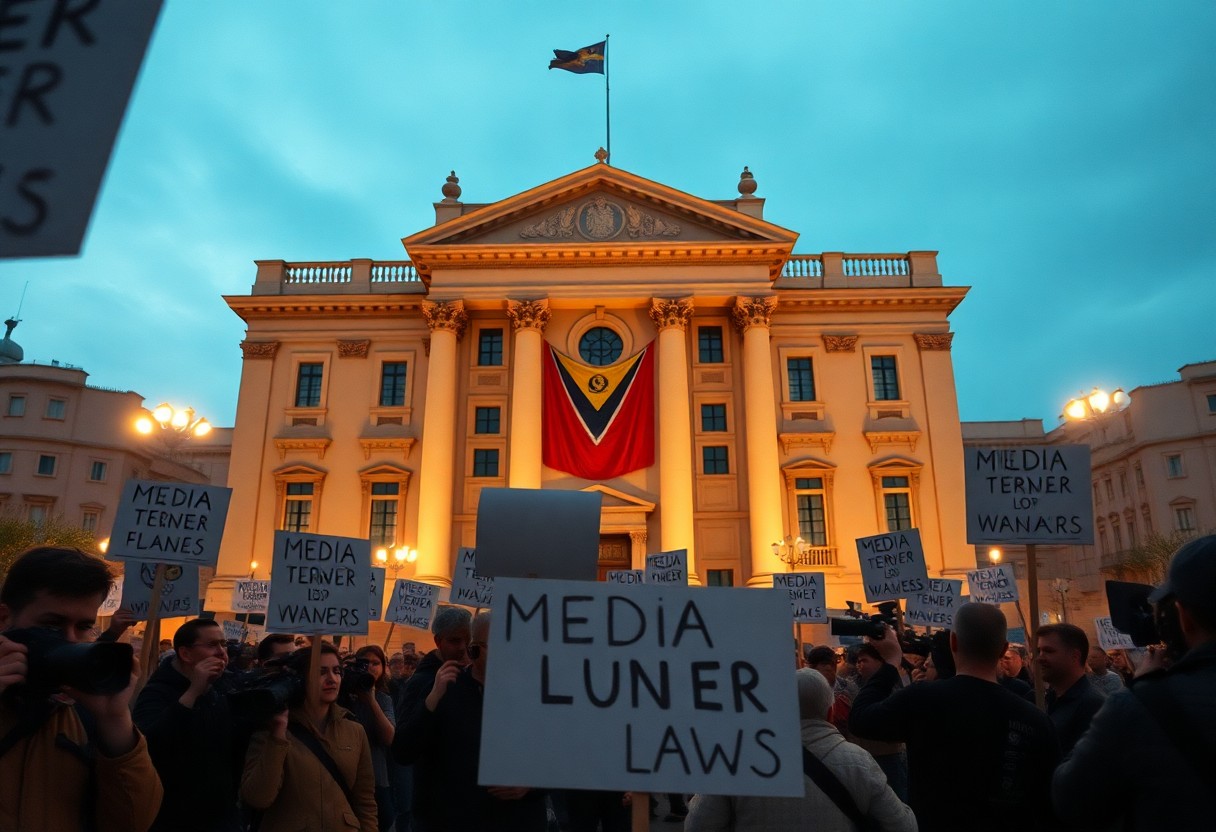
Reforms aimed at enhancing Malta's media landscape are currently facing significant delays due to mounting political pressure. Despite initial momentum towards improving press freedom and transparency, various political factions have raised concerns, resulting in a notable halt in the legislative process. This stalling threatens comprehensive improvements intended to safeguard journalistic independence and fortify democratic values in the country. As discussions continue, the implications of these reforms on Malta's media environment remain a critical point of consideration for policymakers, journalists, and citizens alike.
Background of Malta's Media Legislation
For several years, media legislation in Malta has been under scrutiny, with various efforts aimed at reforming the sector to better align it with contemporary democratic standards. The existing media regulatory framework has often been criticized for its insufficient protections for journalistic freedom and a lack of independence from political influence. This situation has raised concerns about the quality of information disseminated to the public and has ignited debates on the vital role media plays in a democracy, particularly in safeguarding the integrity of public discourse.
Historical Context
An examination of Malta's media landscape reveals a history marked by political influence and limited press freedom. In the early 21st century, media in Malta operated within an environment heavily impacted by party politics, which fostered a culture of bias and intimidation. The assassination of prominent journalist Daphne Caruana Galizia in 2017 served as a stark reminder of the dangers facing critical journalism and highlighted systemic deficiencies in the protection of media workers. These events catalyzed calls for comprehensive reforms to strengthen independence and accountability within Malta's media sector.








Key Reforms Proposed
Contextually, the proposed media reforms in Malta seek to address long-standing issues by introducing measures that enhance the independence of the regulatory bodies overseeing media operations. Key proposals include establishing more robust frameworks for protecting journalists against harassment, ensuring transparency in media ownership, and creating safeguards to prevent political interference in public broadcasting. In addition, improvements in digital media regulation are imperative to provide a framework that secures the rights of content creators while holding platforms accountable for their role in information dissemination.
Plus, the suggested reforms aim to create an enabling environment for a diverse and pluralistic media ecosystem. By advocating for stronger self-regulatory mechanisms and ensuring that regulatory decisions are made transparently, Malta can better protect journalistic practices while fostering a climate of trust between the media, the public, and the government. These reforms are imperative not only for enhancing media freedom but also for enriching democratic engagement within the Maltese society.
Political Landscape and Pressures
If one examines the current political framework in Malta, it becomes clear that the environment is marked by significant tension between media institutions and governmental authorities. Over recent years, the island nation has witnessed a range of media law reforms intended to enhance press freedom and journalistic integrity. However, these attempts have often been overshadowed by looming political influences, which have created a climate of apprehension among journalists and media outlets. The interplay between government agendas and media operations is a defining characteristic of Malta's political landscape, making the pursuit of reform far more complex than it may appear on the surface.
Government Influence
Before exploring the ramifications of government pressure on media reforms, it is crucial to understand the extent of this influence. The Maltese government has been known to exert its authority over various sectors, including journalism, through legislation and institutional oversight. Direct interventions often manifest in funding allocations or regulatory scrutiny, further complicating the relationship between media entities and the state. This influence raises concerns about the independence of media outlets and the freedom in which they operate, ultimately stalling reforms aimed at ensuring a more transparent and accountable media landscape.
Opposition Reactions
Across the political spectrum, the opposition parties in Malta have voiced strong criticisms against the government's handling of media reforms. This divergence in perspectives highlights the inherent tensions where the ruling party seeks to maintain control, while the opposition calls for greater accountability and press freedom. These reactions stem not only from a need to protect journalistic integrity but also from a broader desire to ensure that democratic principles are upheld within the nation. The opposition often highlights instances where government actions have led to perceived attacks on press freedom, reflecting the growing fears about the safety of reporters and the integrity of information in Malta.
Also, opposition figures have underscored the importance of establishing an independent regulatory framework that challenges government encroachments on media activities. They argue that without meaningful oversight mechanisms, the potential for censorship and control will persist, hampering the evolution of a vibrant press landscape. By actively engaging in dialogues surrounding media reform, the opposition aims not only to shed light on these pressing issues but also to mobilize public support towards securing greater freedoms for journalists in Malta, reinforcing their stance as advocates for democratic values.
Stakeholder Perspectives
There's a diverse landscape of opinions surrounding the stalled media law reforms in Malta, each reflecting the unique interests and concerns of various stakeholders involved in the media ecosystem. The interplay between political dynamics and regulatory changes has left many questioning the direction of press freedom and the overall health of democratic discourse in the country.
Journalists and Media Organizations
To many journalists and media organizations, the proposed reforms represent an necessary step toward safeguarding press freedoms and ensuring accountability within the industry. They argue that current legislative frameworks are outdated and do not adequately protect journalists from intimidation or legal repercussions when reporting on sensitive issues. Advocacy groups are particularly vocal about the need for reforms that will foster an environment where journalists can operate without fear, thereby enhancing the quality of journalism and public discourse.
Public Opinion
With a growing awareness of the importance of media independence, public opinion appears to be shifting in favor of reform. Surveys indicate that a significant portion of the Maltese population values a free and diverse media landscape, seeing it as fundamental to democracy. However, some segments express skepticism regarding the intentions behind the proposed changes, fearing that political interests may overshadow the genuine benefits of reform.
Perspectives within the public sphere highlight a dichotomy between those advocating for media freedom and those who fear that reforms could become tools for political manipulation. Discussions among citizens often unveil a desire for more transparency and accountability from both media entities and political leaders. This feedback underscores the complexity of navigating media law reforms in a politically charged environment, emphasizing the need for collaborative dialogue between stakeholders to develop a framework that serves the public interest effectively.
Impacts of the Stalled Reforms
All eyes have been on Malta in recent years as the nation struggles with the implications of stalled media law reforms. The lack of progress in this area has raised significant concerns regarding the concentration of media ownership and the potential for government influence over journalistic integrity. Many observers argue that the absence of robust reforms threatens to undermine the independence of the press, ultimately impacting the quality of information available to the public and the ability of journalists to investigate and report freely on issues of public interest.
Freedom of Press Concerns
Above all, the stagnation in media reform initiatives has amplified fears about freedom of press in Malta. Advocates for journalistic rights contend that without concrete legislative changes, the current environment may foster self-censorship among reporters who fear backlash from political entities or powerful business interests. This climate not only hampers investigative reporting but also diminishes public trust in the media, as citizens might perceive the press as a mouthpiece for certain political factions rather than independent watchdogs of democracy.
International Reactions
Stalled reforms have not gone unnoticed on the international stage. Various human rights organizations and press freedom watchdogs have condemned Malta's political landscape, calling into question the government's commitment to safeguarding media independence. The European Union has also expressed concern, emphasizing that a healthy democracy relies on a robust and independent press, which is currently at risk due to the prevailing political pressures.
In addition to organizational critiques, prominent international figures have weighed in, urging the Maltese government to revitalize its commitment to media reform. Observers emphasize that international scrutiny can be a powerful catalyst for change. The global community is rallying for Malta to align its media practices with European standards, asserting that the health of its democracy depends on transparent, diverse, and independent media channels that serve to inform and empower the public.
Future Outlook for Media Law in Malta
Despite the challenges faced by media law reforms in Malta, there remains a potential for future advancements in this area. The growing awareness of media freedom and the increasing demands from civil society for greater transparency and accountability suggest that there may be a shift in political will. As public discourse becomes more engaged, there is hope that lawmakers will be urged to prioritize the establishment of a robust legal framework that protects journalistic independence. Moreover, international scrutiny may also play a role in driving future reforms, especially as Malta continues to position itself within the European Union context.
Potential Developments
Any developments in Malta's media law landscape could hinge on various factors, including changes in the political climate and public opinion. The upcoming elections could present an opportunity for new parties or candidates to advocate for reform. Additionally, growing support for civil society organizations dedicated to protecting press freedom may catalyze legislative changes focused on safeguarding journalists from political interference. Enhanced engagement with international organizations and frameworks can also inspire progress in media legislation, prompting authorities to align local laws with global standards for press freedom.
Long-term Implications
After the dust of current political tensions settles, the long-term implications of media law reforms in Malta could have significant effects on the overall health of democracy within the nation. Establishing protective mechanisms for journalism would not only enhance the quality of public debate but also help mitigate corruption and promote government accountability. An empowered media landscape—characterized by freedom of expression—can lead to a more informed citizenry, capable of making decisions based on transparent information and diverse perspectives.
But meaningful reforms require sustained commitment from both policymakers and the public. If Malta successfully navigates the current political complexities and prioritizes media freedom, it could foster a cultural shift that emphasizes respect for journalistic integrity. Conversely, failure to enact suitable legislation could lead to increased media suppression, which might have a lasting impact on Malta's democratic fabric, stifling the very discourse that underpins a healthy society.
Comparative Analysis
To understand the implications of Malta's media law reforms, it is imperative to compare them with the media regulations in other EU countries. Such an analysis highlights the disparities, challenges, and advancements within the European Union's media landscape. The following table summarizes key differences and similarities between Malta's approach and other EU countries.
Media Law Comparison Across Selected EU Countries
| Country | Key Features of Media Law |
|---|---|
| Malta | Focus on balancing press freedom and government regulations, with notable concerns about political influence on media. |
| Germany | Strong protections for press freedom, a legal framework supporting public broadcasting, and restrictions on government oversight. |
| Sweden | Robust freedom of information laws, emphasizing transparency and a diverse media ecosystem. |
| France | Regulations to support cultural diversity in media but stricter laws on misinformation and hate speech. |
Media Law in Other EU Countries
For an effective analysis, it is important to examine how other EU countries address media laws, especially in areas such as press freedom, ownership regulations, and the influence of political powers. Countries like Germany and Sweden have implemented more protective measures that safeguard the independence of the press, reducing the likelihood of political interference. This contrast points towards a possible framework from which Malta could derive insights to enhance its legal stability and media integrity.
For instance, Germany's media law includes not only strict conditions to prevent monopolization but also comprehensive guidelines to ensure transparency in media ownership. Moreover, Sweden stands out with its long-standing commitment to free press and public access to information, ensuring that media serves as a watch-dog rather than a mouthpiece for governmental agendas. These successful models could inspire Malta in adopting similar provisions, thereby fostering a more resilient media environment.
Best Practices and Lessons Learned
Any examination of best practices regarding media law can draw imperative lessons for Malta and similar jurisdictions struggling with political pressures on media freedom. Countries that have successfully navigated these challenges often employ a multi-faceted approach that integrates independent regulatory bodies and public engagement. By incorporating diverse stakeholder voices and emphasizing accountability, these nations can better achieve a delicate balance between freedom of expression and necessary restrictions to prevent misuse.
But it is important to recognize that reforms need to be tailored to each nation's unique political context and societal needs. Malta could greatly benefit from studying the resilience demonstrated by its EU counterparts—leveraging their experiences to foster an environment that prioritizes transparency, accountability, and the protection of journalistic endeavors from undue influence. This can be achieved through the establishment of independent oversight bodies, transparent funding mechanisms, and legal frameworks that prioritize the public interest in media operations. Implementing these best practices could significantly enhance the prospects of Malta's media law reforms in overcoming current political constraints.
Summing up
Presently, Malta's media law reforms are facing significant obstacles primarily due to political pressures and inconsistencies in governance. These reforms, initially proposed to enhance journalistic freedoms and ensure media plurality, have been stalled as various political factions vie for influence over legislative processes. This impasse raises concerns about the integrity of Malta's media landscape and its alignment with European standards for press freedom, underscoring the challenges of enacting effective policy changes amidst a politically charged environment.
The stagnation of these reforms indicates a broader issue within the Maltese political framework, where the interests of political leaders may take precedence over the necessary institutional advancements. As the media continues to play an crucial role in informing the public and holding power accountable, the delay in reforming media laws poses risks to democratic practices and citizen engagement in Malta. The situation demands urgent and sustained dialogue among various stakeholders to ensure that media reforms are revived and successfully implemented for the benefit of all citizens.
FAQs
What is the purpose of the proposed media reforms in Malta?
The proposed reforms aim to enhance press freedom, protect journalists from harassment, ensure transparency in media ownership, and reduce political interference.
Why are Malta’s media reforms currently delayed?
They are stalled due to mounting political pressure and disagreements among political factions, which have halted legislative progress.
How has political influence affected media freedom in Malta?
Political influence has historically undermined media independence through regulatory control, funding pressures, and legislative oversight.
What triggered the recent push for media reform in Malta?
The 2017 assassination of journalist Daphne Caruana Galizia highlighted systemic flaws in media protection and galvanized calls for reform.
What are key features of the proposed reforms?
Key features include independent regulatory oversight, digital media accountability, ownership transparency, and stronger protections for journalists.
What is the role of the Maltese opposition in the media reform debate?
Opposition parties are advocating for greater press freedom and accountability, criticizing the government’s perceived attempts at media control.
How have journalists and advocacy groups responded?
They strongly support the reforms, emphasizing the need for legal protections and less interference in journalistic work.
How does Malta compare to other EU countries on media freedom?
Malta lags behind nations like Germany and Sweden, which have more robust legal protections for press freedom and public transparency.
What are the consequences of stalled reforms on democracy?
Delays risk undermining democratic integrity by enabling media censorship, reducing journalistic independence, and limiting public access to unbiased information.
Can international pressure influence media reform in Malta?
Yes, the EU and global watchdogs have called for change, and international scrutiny may help drive reform efforts forward.

Lisa
Welcome. I am an experienced writer and I am ready to help you with all forms of writing needs you require. Education B.A. - linguistics, University of Wisconsin-Whitewater, United States, Graduated 2006.
Related Posts


Rosi Bremec joins Malta Media as VP Partnerships
July 14, 2026