The True Impact of MGA Investigations
For related analysis, read our regulatory investigations coverage and consult the Malta Gaming Authority for current official information. Assessments should distinguish documented findings from perception or interpretation.
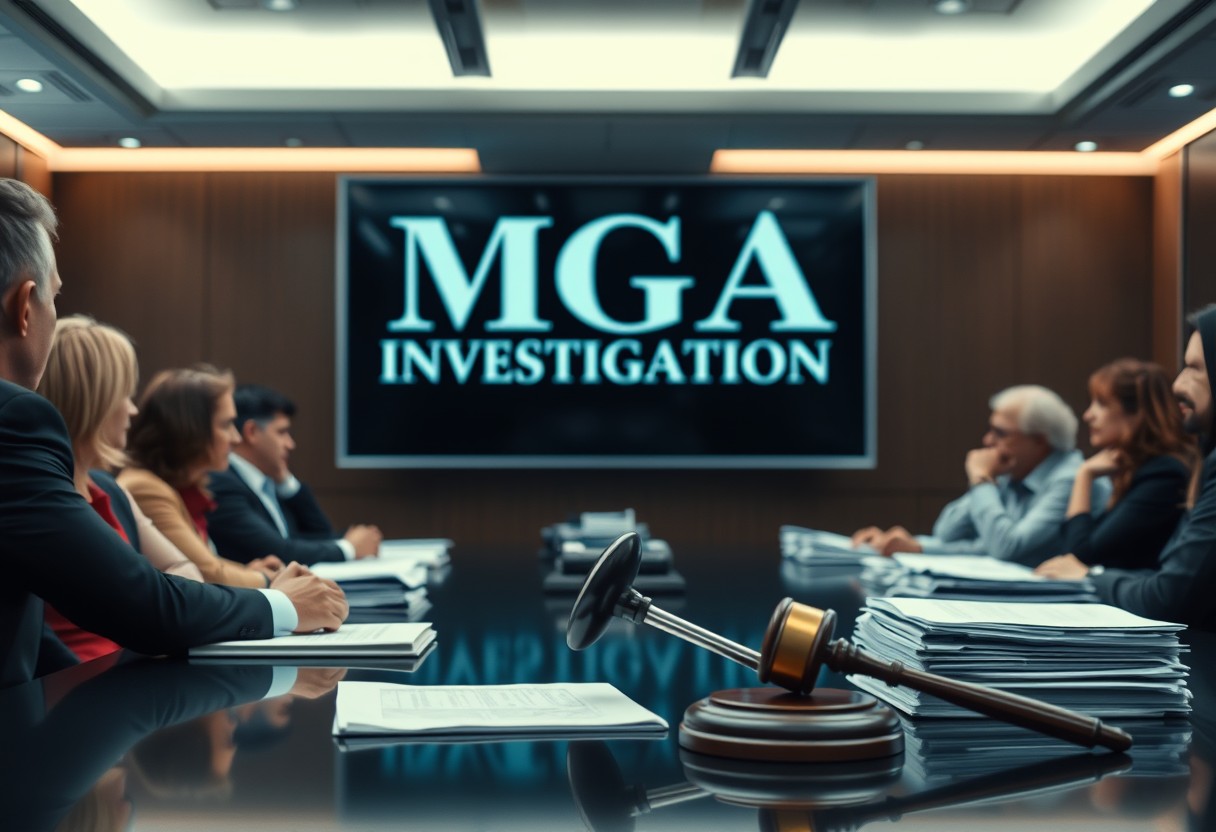
It's important to scrutinize the true motivations behind the investigations conducted by managing general agents (MGAs) in today's complex insurance landscape. They often present themselves as thorough and unbiased, yet some argue that these inquiries frequently prioritize public perception over concrete results. By examining case studies and industry practices, one can discern whether these investigations are genuinely aimed at improving outcomes or simply enhancing credibility. She, he, and they navigate a delicate balance between accountability and reputation, prompting an important discussion about the effectiveness of MGA investigations in achieving lasting change.
Understanding MGA Investigations
For many, MGAs (Managing General Agents) serve as conduits for insurance underwriting and claims processes. Understanding the intricacies of MGA investigations is crucial to comprehending their real significance in the insurance industry. These investigations often aim to evaluate risk, ensure compliance, and ultimately protect the interests of both carriers and policyholders.










Definition and Purpose
On a fundamental level, MGA investigations are designed to scrutinize various aspects of underwriting and claims handling. They aim to identify potential fraud, mitigate risks, and promote adherence to regulatory standards. Ultimately, their purpose is to maintain the integrity of the insurance process, ensuring fair and transparent operations for stakeholders involved.
Historical Context
Context plays a significant role in understanding the evolution of MGA investigations. Historically, MGAs emerged in the insurance landscape as specialized entities tasked with managing underwriting and claims processing for insurers. Over the years, the complexity of regulations and the rise of fraudulent activities led to the necessity of more robust investigative processes within MGAs, shaping their current functions.
Another notable point is that the evolution of technology and data analytics has transformed MGA investigations, enabling them to become more sophisticated and efficient. As the insurance industry faces growing challenges like emerging risks and regulatory changes, MGAs have adapted their investigative practices to better address these complex dynamics. This evolution reflects not only the changing landscape of the insurance sector but also the increasing importance of transparency and accountability in MGA operations.
The Role of Optics in Investigative Processes
Now, the importance of optics in investigative processes cannot be understated. Investigative bodies often find themselves balancing the need for thoroughness with public scrutiny. As they navigate these complexities, their decisions may be influenced more by the perception of fairness and transparency than by the actual outcomes of their investigations. Understanding this dynamic is crucial for assessing the effectiveness of these inquiries.
Public Perception and Media Influence
Influence from public perception and media coverage plays a pivotal role in shaping the narrative surrounding investigations. The way an investigation is reported can significantly impact how stakeholders view its legitimacy and outcomes. Media portrayal can amplify concerns or highlight successes, affecting public trust and engagement in the process.
Stakeholder Expectations
One key aspect of investigations involves managing stakeholder expectations effectively. Stakeholders, including victims, communities, and regulatory bodies, often desire swift and conclusive results. Their expectations can create pressure on investigative bodies, which may lead to prioritizing speed over depth in inquiries. This dynamic raises questions about the overall integrity and intent of the process.
Role of effective communication is paramount in addressing stakeholder expectations. Investigative bodies must carefully outline their methodologies and timelines, ensuring stakeholders are kept informed at every step. By providing transparency and fostering trust, they can align outcomes with stakeholder sentiments, ultimately enhancing the perceived value and credibility of the investigation. This strategic engagement may also prevent perceptions that investigations prioritize optics over substantive results.
Outcomes of MGA Investigations
Clearly, the primary goal of MGA investigations is to deliver tangible outcomes that enhance governance, accountability, and public trust. However, the effectiveness of these investigations is often scrutinized, leading to questions about whether they achieve their intended objectives or focus more on public perception.
Measuring Effectiveness
Investigations into MGA practices are often assessed based on established criteria, including resolution rates, timeliness, and stakeholder satisfaction. They must create mechanisms to evaluate their efficiency, often relying on both quantitative and qualitative metrics to demonstrate success and identify areas for improvement.
Impact on Policy and Regulation
Policy influences shaped by MGA investigations can lead to significant shifts in regulatory frameworks. The insights gained from these investigations often inform future policies, contributing to more robust governance structures and enhancing compliance measures across sectors.
Understanding the implications of MGA investigations is crucial, as they can lead to legislative changes that reflect the findings. For instance, when investigations uncover systemic issues, they may prompt lawmakers to enact new regulations or amend existing policies aimed at preventing similar occurrences. These changes are often seen as a direct response to investigation outcomes, showcasing the potential for real governance reform based on investigative findings.
Balancing Optics and Outcomes
After analyzing the focus of MGA investigations, it is crucial to balance both optics and outcomes to ensure effective resolutions. While public perception plays a significant role in these investigations, the ultimate goal should remain on fostering genuine improvements within organizations. Evaluating the practical implications of investigations alongside societal expectations can guide MGA efforts toward meaningful change, rather than merely conforming to external pressures.
Strategies for Improvement
For organizations seeking to enhance their investigative processes, a multi-faceted approach is vital. Implementing transparent communication, establishing clear metrics for success, and fostering a culture of accountability can empower teams to prioritize outcomes while also addressing optics. Training staff to navigate these dynamics effectively can bolster resilience and promote constructive engagement with stakeholders.
Ethical Considerations
With increasing scrutiny surrounding MGA investigations, ethical considerations play a crucial role. Organizations must prioritize integrity and fairness to ensure that their processes are not merely performative but lead to substantial change.
Optics matter, but they should not overshadow the ethical responsibility of organizations to conduct thorough and impartial investigations. Failure to prioritize ethical considerations can lead to reputational harm and undermine public trust. Organizations are encouraged to engage external parties when needed, ensuring transparency and mitigating biases, thus fostering a genuine commitment to both optics and meaningful outcomes.
Implications for the Future of MGA Investigations
Not addressing the core issues within MGA investigations may lead to a cycle of superficial findings and lack of meaningful change. As stakeholders become increasingly aware of these shortcomings, there is potential for a significant shift towards transparency and accountability. The future of MGA investigations will likely hinge on the extent to which organizations can prioritize substantive outcomes over mere optics, ensuring that investigations result in genuine improvements and trust rebuilding.
Trends and Predictions
An emerging trend suggests that MGA investigations will evolve toward more comprehensive frameworks that emphasize social impact. Stakeholders are likely to demand that investigations not only highlight apparent discrepancies but also effectively address the underlying causes of misconduct. This shift may lead to increased collaboration among regulatory bodies, experts, and affected communities to foster a more holistic approach to addressing issues.
Recommendations for Practice
Practice should involve a more strategic approach to MGA investigations, focusing on sustainable outcomes rather than temporary fixes. Organizations ought to implement comprehensive training for investigators and establish clear guidelines that prioritize transparency and accountability. This means fully engaging with affected communities and stakeholders during the investigative process to ensure that findings are relevant and actionable.
Plus, creating a culture of continuous improvement can enhance the effectiveness of MGA investigations. This includes regular audits of investigation processes, feedback loops from stakeholders, and open dialogues about the findings. Organizations must prioritize not only the completion of the investigations but also the implementation of recommendations that ensure lasting change. By doing so, they can transform investigations from being mere exercises in optics to meaningful tools for accountability and reform.
Final Words
With this in mind, it becomes clear that the effectiveness of MGA's investigations may often hinge more on public perception than on tangible results. They focus on presenting a narrative that addresses immediate concerns, yet the depth of the outcomes can be called into question. He, she, and they must consider whether these investigations genuinely foster change or simply serve to maintain a facade of accountability. Ultimately, the examination of such practices reveals the necessity for deeper scrutiny and ongoing dialogue about the true impact of quintnecessary investigations versus their perceived effectiveness.
FAQs
What are MGA investigations and why are they important?
MGA investigations examine underwriting, claims handling, and compliance to identify fraud, mitigate risks, and ensure regulatory adherence.
How do MGA investigations contribute to the insurance industry?
They maintain the integrity of insurance processes by protecting policyholders and insurers from fraudulent activities and ensuring transparency.
What factors influence the effectiveness of MGA investigations?
Effectiveness is influenced by thoroughness, timeliness, stakeholder satisfaction, and the balance between optics and substantive outcomes.
How does public perception impact MGA investigations?
Media and public opinion can shape the narrative of an investigation, influencing its legitimacy and the trust placed in the outcomes.
Can MGA investigations lead to changes in insurance policies?
Yes, findings from MGA investigations can prompt shifts in regulatory frameworks and contribute to stronger governance and compliance standards.
What are the ethical considerations in MGA investigations?
MGA investigations should prioritize fairness, integrity, and transparency to avoid undermining public trust and ensure meaningful outcomes.
How do MGA investigations evolve over time?
Technological advances and increased scrutiny have led to more sophisticated investigative processes, focused on both immediate outcomes and long-term change.
What role do stakeholder expectations play in MGA investigations?
Stakeholder demands for swift results can sometimes pressure investigators to prioritize speed over depth, affecting the quality of the outcomes.
How can MGA investigations be improved?
A multi-faceted approach involving transparent communication, clear success metrics, and a culture of accountability can enhance the effectiveness of investigations.
What is the future of MGA investigations?
The future will likely emphasize social impact and transparency, with a focus on addressing underlying causes of misconduct and fostering collaboration among regulatory bodies.

Michael Schmitt
Michael Schmitt is the founder of TRIDER.UK and Editor of Malta Media. He writes about iGaming, gambling regulation, corporate structures, financial services and market integrity, combining investigative journalism with nearly three decades of experience in corporate services and international business.
Related Posts

Ms Wittmann celebrates Berlin ruling despite MGA hacking findings
October 12, 2026
Advanced Compliance Technology launches Fraud Rings for smarter detection
September 23, 2026
mkodo’s GeoLocs launches Fraud Shield to strengthen player risk controls
September 16, 2026