















Openora AI framework for iGaming platforms
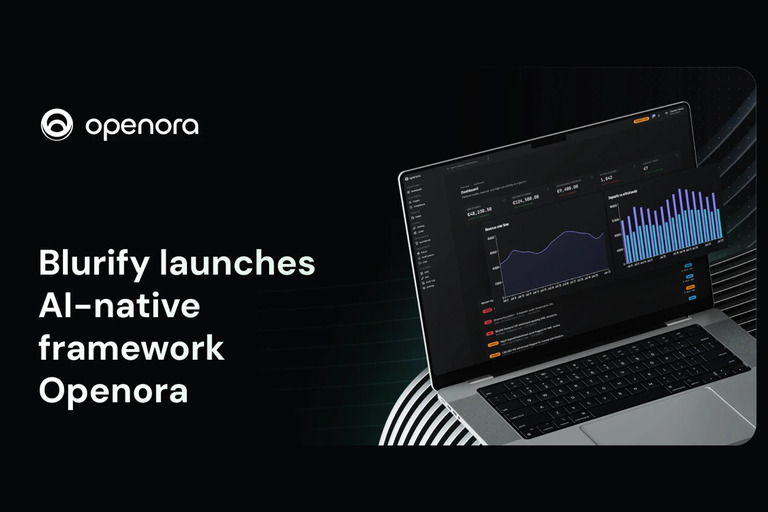
Blurify has introduced Openora, a new AI-native framework created to help iGaming operators modernise their technology infrastructure while maintaining control over their existing platforms. The software development company, which specialises in bespoke technology solutions for the iGaming sector, designed the framework to support businesses that want to expand, migrate or improve their technology without replacing every component of their current systems.
The launch reflects growing demand across the gaming industry for technology that can adapt more quickly to changing commercial objectives, regulatory expectations and customer requirements. Rather than requiring operators to complete expensive full platform replacements, Openora has been developed as a modular framework that can work alongside existing infrastructure.
This approach allows operators to introduce new functionality gradually while reducing operational disruption and preserving investments already made in their technology environments.










A modular framework designed for long-term flexibility
Openora has been built around an open and composable architecture that gives operators greater flexibility over how their platforms evolve. Instead of relying on a fixed technology stack, businesses can introduce new modules, integrations and features according to their own priorities.
This modular approach supports a wide range of businesses including online casinos, sportsbooks, affiliate platforms and prediction markets. Engineering teams can customise front-end experiences, integrate third-party services and develop business logic that reflects their operational objectives.
By allowing new capabilities to be added alongside existing systems, Openora helps reduce the complexity often associated with large technology migration projects. Operators can modernise selected areas of their platforms while continuing to operate their current infrastructure.
This incremental development strategy may also reduce implementation risks by enabling technology teams to introduce improvements through phased deployment rather than large-scale system replacements.
AI sits at the centre of the framework
One of the defining characteristics of Openora is its AI-native architecture. Blurify has integrated artificial intelligence into the framework from the beginning instead of treating AI as an additional feature.
The platform includes AI-readable project context together with structured development rules, instructions and specialised task skills. These components allow AI agents to understand platform architecture more efficiently and assist software development teams during day-to-day engineering work.
According to Blurify, these capabilities can support developers when implementing new features, maintaining existing modules, updating platform components and accelerating software development workflows.
As artificial intelligence becomes increasingly important within enterprise software development, frameworks that provide structured AI integration may help engineering teams improve productivity while maintaining consistent development standards.
Supporting platform modernisation without complete replacement
Many established gaming operators continue to rely on legacy technology that has expanded over several years. While these systems often remain stable, introducing new products, entering additional regulated markets or integrating modern services can become increasingly difficult.
Openora has been developed to address these challenges by allowing operators to extend existing platforms instead of replacing them entirely.
Businesses can gradually introduce modern services while preserving core operational systems that continue to meet their requirements. This allows development teams to focus resources on areas that deliver the greatest commercial value while avoiding unnecessary disruption across the wider platform.
The framework is intended to support organisations seeking to modernise their technology roadmap without committing to large-scale replatforming projects that may require significant time, financial investment and operational planning.
Greater ownership through self-hosting
Another important feature of Openora is its self-hosting capability.
Operators choosing this deployment model can manage their own infrastructure while retaining control over player data, business logic, security configurations and operational environments. This model also provides an alternative to commercial arrangements that may include recurring gross gaming revenue sharing or transaction-based platform fees.
For operators with established internal technology teams, self-hosting may provide greater flexibility when configuring infrastructure according to business requirements or regulatory obligations.
The framework's composable design also allows businesses to integrate selected components without affecting other areas of their existing technology stack.
Designed for evolving regulatory environments
The global iGaming market continues to develop across multiple regulated jurisdictions, each with its own licensing requirements and technical standards.
Openora has been designed with flexibility in mind so operators can adapt their technology according to local market requirements. Rather than creating separate platforms for each jurisdiction, businesses can extend existing systems with modules and integrations that support changing compliance expectations.
This flexibility may help operators respond more efficiently as regulatory frameworks evolve while maintaining consistency across their wider technology ecosystem.
Blurify explains the vision behind Openora
Adam Mateja, founder and CEO of Blurify, explained the thinking behind the company's latest product.
“Over the past few years, we’ve worked with operators across multiple markets and kept encountering the same problem. Businesses wanted to move faster, launch new capabilities and enter new markets, but their platforms couldn’t always keep pace. Too often, the choice was between living with legacy technology or committing to a costly, high-risk replatforming project.
“We believe there should be a better option. One that gives operators the freedom to modernise, innovate and grow without surrendering control of their technology. That’s what Openora is designed to deliver. Whether they’re looking to build, extend, modernise or migrate, Openora gives operators the flexibility to move forward on their own terms.”
His comments highlight the company's focus on providing operators with additional flexibility while reducing dependence on large technology transitions.
Responding to changing technology demands
Technology expectations within the iGaming industry continue to evolve as operators seek faster product development, improved scalability and greater operational efficiency.
Development teams increasingly require platforms that support continuous updates while integrating with existing services across payments, customer management, gaming content and compliance systems.
Frameworks such as Openora are designed to support these objectives by allowing operators to extend capabilities over time instead of rebuilding entire platforms. This approach can provide greater agility while preserving existing investments in technology infrastructure.
As artificial intelligence becomes more closely integrated into software engineering processes, AI-native development environments may also help businesses improve development efficiency and accelerate innovation.
Conclusion
The launch of Openora represents Blurify's latest effort to provide flexible technology solutions for the iGaming industry. By combining modular architecture with AI-native development capabilities, the framework offers operators an additional option for building, extending, modernising or migrating their platforms without requiring complete technology replacement.
Its emphasis on self-hosting, composable architecture and gradual platform evolution reflects the growing demand for solutions that provide greater operational control while supporting future innovation. As operators continue adapting to changing market conditions and regulatory requirements, flexible frameworks such as Openora may play an increasingly important role in supporting long-term technology strategies.
FAQs
What is Openora?
Openora is an AI-native modular framework developed by Blurify to help iGaming operators build, modernise, extend and migrate their platform technology.
Who developed Openora?
Openora was developed by Blurify, a software development company that provides bespoke technology solutions for the iGaming industry.
What makes Openora different from traditional gaming platforms?
Openora is designed with AI at the core of its architecture and supports modular deployment, allowing operators to introduce new capabilities without replacing their entire platform.
Can Openora work with existing platforms?
Yes. The framework is designed to integrate alongside existing technology so operators can modernise their systems gradually.
Does Openora support self-hosting?
Yes. Operators can self-host Openora, giving them greater control over infrastructure, player data, business logic and security settings.
Which businesses can benefit from Openora?
The framework is intended for online casinos, sportsbooks, affiliates, prediction markets and other businesses operating within the iGaming sector.
How does Openora use artificial intelligence?
Openora includes AI-readable project context, development rules and task-specific instructions that help AI agents support software engineering tasks.
Can operators customise Openora?
Yes. Its modular architecture allows engineering teams to customise integrations, front-end experiences and business logic according to business needs.
Does Openora support regulatory adaptation?
Yes. The framework is designed to help operators adapt their platforms to changing market and regulatory requirements through modular development.
What is the main objective of Openora?
Its primary objective is to help operators modernise and expand their technology while maintaining control over their platforms and avoiding unnecessary full system replacements.

Lela
I have over 10 years' experience proofreading and editing where spelling and grammar were paramount. This includes newspaper publication and designing advertisements. I personally write all my articles.This allows me to do in-depth research and provide premium content.
Related Posts

PopOK Gaming Announces Partnership with Bitville Gaming
October 9, 2026


