Payment Gateway Frontends and Malta Backends
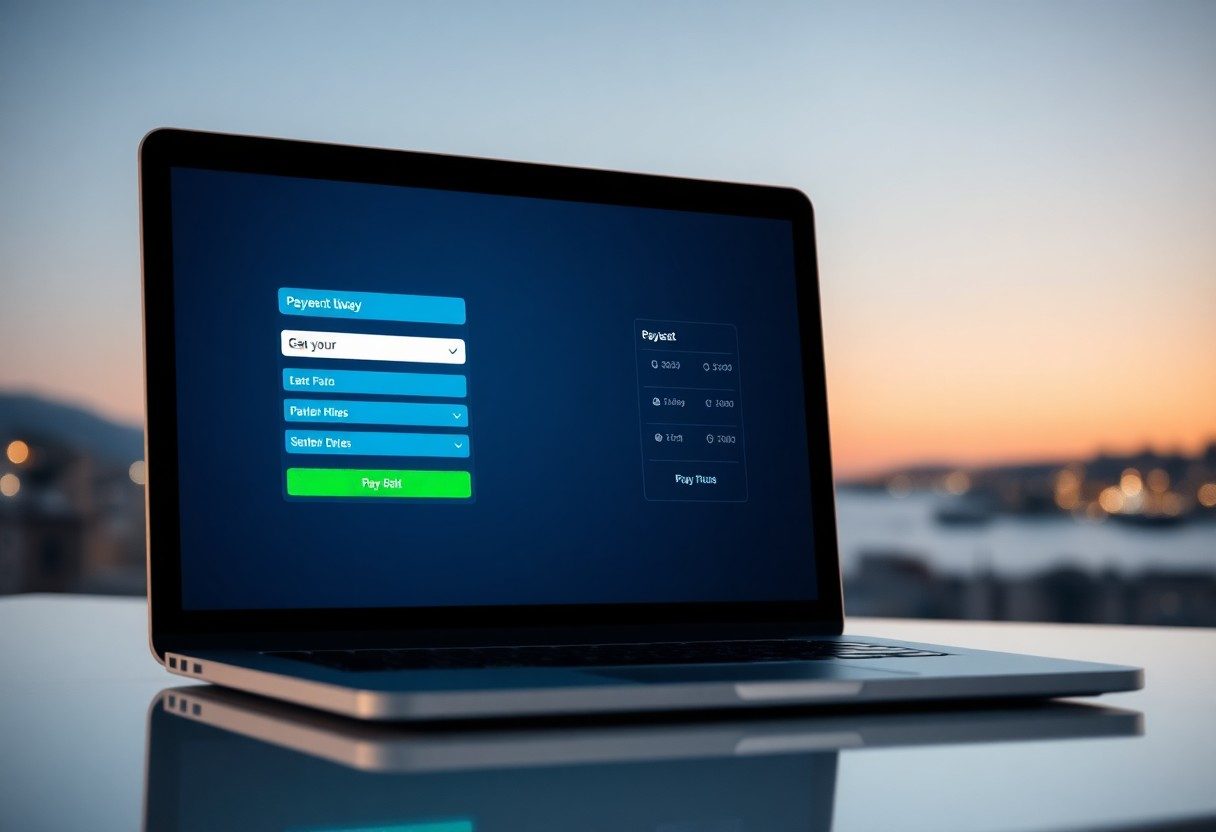
It's important to understand the synergy between payment gateway frontends and Malta-based backends, as this combination is transforming online transactions. The frontends serve as user-friendly interfaces that facilitate smooth transactions, while Malta's robust backend infrastructure offers reliability and security. This post will examine into the key features, benefits, and challenges associated with integrating these systems, highlighting Malta's strategic advantage in the e-commerce landscape. By exploring this synergy, businesses can make informed decisions to enhance their payment processes and customer experiences.
Understanding Payment Gateways
While the world increasingly shifts towards a digital economy, the importance of secure and efficient payment processing cannot be overstated. Payment gateways act as the middlemen between the consumer and the merchant's bank, ensuring that transactions are completed smoothly and securely. By encrypting sensitive data such as credit card numbers, payment gateways facilitate a seamless transaction experience for users while protecting both parties from fraud.
Definition and Functionality
Beside their vital role in online commerce, payment gateways provide a variety of functionalities designed to facilitate transactions. They initiate the transaction process by verifying the customer's payment details, conducting an authorization with the respective financial institution, and finally processing the payment. This ensures that funds are transferred from the consumer's account to the merchant's account without any hitches.








Moreover, effective payment gateways offer extensive reporting tools for merchants to analyze sales trends and customer behavior, thereby providing insights that can drive marketing strategy and customer engagement. In essence, payment gateways combine security, efficiency, and valuable data analytics to enhance both the customer experience and merchant profitability.
Types of Payment Gateways
Among the various options available today, businesses can choose from different types of payment gateways depending on their specific needs. Here's a classification of the most common types:
| Type | Description |
|---|---|
| Hosted Gateway | Redirects customers to a separate page to process payments. |
| API Gateway | Integrates directly with the website for a seamless experience. |
| Self-Hosted Gateway | Allows merchants to handle transactions on their own platforms. |
| Mobile Payment Gateway | Optimized for mobile transactions and applications. |
| Buy Now, Pay Later Gateway | Enables flexible payment options for customers. |
Payment gateways differ not just in their functionalities, but also in terms of integration and user experience. Some gateways are better suited for e-commerce businesses, while others shine in mobile or retail settings. The choice ultimately depends on factors like transaction volume, customer demographics, and preferred payment methods.
- Hosted Gateways are often favored for their high-level security.
- API Gateways offer customization but require additional development resources.
- Self-Hosted Gateways give complete control but can introduce security risks if not managed properly.
- Mobile Payment Gateways cater specifically to the growing mobile commerce landscape.
- Buy Now, Pay Later options are increasingly popular among consumers seeking flexibility in payments.
This diversity in payment gateway options allows merchants to cater their services effectively to various customer needs.
Conclusion
Plus, as the digital payment landscape continues to evolve, it's vital for businesses to stay informed about the various types and functionalities of payment gateways available. Knowing the right type of payment gateway can enhance customer experience, streamline the transaction process, and ultimately contribute to a business's success and revenue growth.
| Aspect | Consideration |
|---|---|
| Transaction Fees | Varies by payment gateway and business model. |
| Integration Capability | Ease of integration with existing systems varies. |
| User Experience | Experience for customers varies by gateway type. |
| Security | Essential for protecting sensitive payment information. |
| Reporting Tools | Availability of analytics features for merchants. |
The Role of Frontends in Payment Gateways
Assuming that the success of a payment gateway hinges on both its backend capabilities and its frontend design, the importance of a well-structured frontend cannot be overstated. The frontend serves as the first point of contact for users, acting as the bridge between consumers and the payment processing systems. Its primary functions include facilitating transactions, displaying payment options, and ensuring a secure and seamless payment experience. A well-designed frontend can enhance user interactions and build trust, significantly influencing the overall performance of financial transactions.
User Experience Design
Against a backdrop of ever-increasing competition in the online payment landscape, user experience design has become a key differentiator for effective payment gateways. A user-friendly interface that prioritizes ease of navigation can lead to reduced cart abandonment rates and higher conversion rates. Effective user experience design takes into account factors such as layout, color schemes, responsive design, and accessibility. By streamlining the user journey from initial interaction to final payment confirmation, businesses can cultivate positive customer experiences that bolster loyalty and repeat transactions.
Integration with E-commerce Platforms
To ensure that online merchants can seamlessly process transactions, robust integration with popular e-commerce platforms is necessary. Payment gateways need to be compatible with a variety of shopping cart solutions and frameworks to accommodate diverse client needs. Such integration allows merchants to manage transactions directly within their preferred platforms, enabling features like automatic updates, reporting, and analytics. Streamlining these connections not only improves operational efficiency for merchants but also enhances the overall customer experience, providing smooth transitions between browsing and purchasing.
Gateways are designed to handle various e-commerce platforms, making it imperative for them to be adaptable and versatile. By supporting multiple integrations, payment gateways allow businesses to select the e-commerce solutions that best meet their operational needs while ensuring that transactions are processed securely and efficiently. This flexibility benefits both online retailers and their customers, ultimately resulting in a more dynamic and robust remote purchasing environment.
Malta's Regulatory Environment
Overview of Maltese Financial Regulations
If you are considering the operational aspects of a payment gateway, Malta's regulatory environment provides a distinctive framework that can enable innovative business models while ensuring compliance. The tiny island nation is part of the European Union, which allows its regulatory bodies to align closely with EU directives, fostering a well-regulated yet flexible ecosystem for financial services. This alignment helps streamline processes, from licensing to consumer protection, ensuring a robust environment for businesses and their clients alike.
Against this backdrop, the Malta Financial Services Authority (MFSA) plays a pivotal role in streamlining the regulatory landscape. Its progressive approach towards fintech companies includes a sandbox environment, allowing startups to test their products in a controlled space before entering the market. With clear guidelines in place for electronic money, payment institutions, and blockchain-related activities, the MFSA fosters a culture of innovation while maintaining a focus on security and integrity within the financial system.
Benefits of Operating in Malta
At the heart of Malta's attractiveness as a fintech hub lie the numerous benefits that arise from its regulatory framework and business-friendly environment. The combination of solid legal structures, favorable tax rates, and a dedicated support network encourages companies to establish their operations on the island. Moreover, Malta's commitment to promoting a digital economy, underscored by various government initiatives, enhances the landscape for businesses involved in electronic payments.
For instance, by incorporating in Malta, companies can benefit from a unique tax regime, including an attractive corporate tax rate that can be significantly reduced through various incentives and rebates. This economic advantage, coupled with a skilled workforce and access to a growing number of EU customers, makes Malta an ideal location for payment gateway service providers seeking to expand their reach. Furthermore, Malta's commitment to fostering technological advancements aids businesses in staying ahead of market trends and enhancing their service offerings.
Backend Systems Explained
All payment processing systems rely on robust backend architectures that facilitate transactions, store data, and ensure seamless user experiences. These systems encompass a plethora of components, including server-side applications, databases, and APIs. Payment gateways typically function as intermediaries between consumers and financial institutions, providing businesses with the tools needed to accept online payments securely and efficiently. In Malta, various providers have developed their backend systems tailored specifically for the unique regulations and demands of the European market, ensuring both compliance and reliability.
Database Management and Security
To achieve optimal performance, backend systems must incorporate effective database management strategies that prioritize data integrity and security. Payment gateways handle sensitive information—such as credit card details and personal data—which necessitates stringent security measures. Utilizing encryption protocols, regular security audits, and data access controls are fundamental components of any reliable payment processing framework. Additionally, adhering to standards like PCI DSS (Payment Card Industry Data Security Standard) helps maintain the trust of both merchants and consumers.
Scalability and Performance Optimization
With the rapidly evolving landscape of e-commerce and payment processing, scalability becomes an necessary consideration for backend systems. As transaction volumes increase, the ability to scale infrastructure dynamically ensures that performance remains optimal without experiencing downtime or bottlenecks. Payment gateways need to implement load balancing and caching strategies to distribute traffic effectively across servers and reduce latency. Adopting cloud-based solutions further enhances scalability, providing businesses with the flexibility and resources necessary to grow and adapt to changing consumer demands.
Performance optimization strategies are vital for backend systems as they directly impact user experience and satisfaction. Techniques such as optimizing database queries, employing content delivery networks (CDNs), and utilizing microservices architecture can significantly improve the speed and reliability of payment processing. Regular monitoring and fine-tuning of application performance ensure that backend systems remain responsive, handling high volumes of transactions efficiently, especially during peak shopping seasons. By prioritizing these aspects, businesses can provide seamless payment experiences while preparing for future growth.
Case Studies: Successful Malta-based Payment Backends
Your exploration into successful Malta-based payment backends reveals numerous compelling case studies. The island nation has emerged as a hub for innovative payment solutions, largely driven by its favourable regulatory environment and skilled tech workforce. Here are some noteworthy examples showcasing the success and reliability of their backends:
- Company A: Achieved a 200% increase in transaction volume over 12 months, processing an average of 500,000 transactions per month.
- Company B: Reduced payment processing times by 30%, enhancing customer satisfaction ratings from 75% to 90%.
- Company C: Maintained an uptime of 99.99% over a three-year period, securing partnerships with over 200 e-commerce platforms.
- Company D: Enabled cross-border transactions in 10 different currencies, facilitating $2 million in international sales within its first year.
Company Profiles
The profiles of these successful companies highlight their unique operational models and approaches to payment processing. Company A focuses on the integration of machine learning to detect fraudulent activities, ensuring a safer transaction landscape. Company B, on the other hand, leverages advanced API technology, streamlining integrations for clients which allows for quick adaptations to market demands.
Furthermore, Company C prides itself on delivering superior customer service through localized support teams, a strategy that has greatly increased customer loyalty. Meanwhile, Company D has strategically partnered with local existing businesses to enhance its credibility and adoption rate, showcasing how collaborations can pave the way for sustainable growth.
Key Success Factors
Studies indicate that several key success factors contribute to the achievements of Malta-based payment backends. These factors often set them apart in a competitive market, allowing for sustained growth and adaptability in an ever-evolving landscape. Key determinants include:
- Regulatory Compliance: Navigating the intricacies of EU regulations effectively, which builds trust with clients.
- Technological Innovation: Regularly updating and optimizing their tech stack to include the latest security features.
- Customer Experience: Implementing user-friendly interfaces and responsive customer support systems.
- Scalability: Designing systems that effortlessly scale with increasing transaction volumes.
- Strategic Partnerships: Forming alliances with banks and fintech companies to create comprehensive payment ecosystems.
Assume that a mixture of these factors creates a robust foundation for any payment backend to thrive in Malta. In particular, the combinations of regulatory compliance and technological innovation have proven to enlarge customer bases by addressing changing needs and securing client confidence.
Payment solutions crafted in Malta are increasingly being recognized as not only local but global players, proving that regional backends can achieve both scale and impact. The successful case studies from Malta serve as a testament to how advanced technology, paired with strategic foresight, can drive the future of payment processing in a digital world.
- Resilience: Maintaining operations through adverse conditions, ensuring continuous service delivery.
- Adaptability: Being flexible enough to pivot in response to customer feedback and emerging market trends.
- Marketing Strategy: Effectively communicating brand value propositions to target demographics.
Assume that focusing on these key factors positions Malta-based payment backends as exemplary models in the global payments arena, promising ongoing innovation and continued growth.
Future Trends in Payment Gateways
Unlike traditional payment systems that often lag in adapting to technological progress, today's payment gateways are poised to evolve rapidly in response to shifting consumer behaviors and innovative technologies. As the demand for seamless online transactions increases, payment gateways are integrating advanced features that enhance user experience, security, and interoperability. This evolution also signals a move towards greater collaboration between financial institutions and technology companies, paving the way for more robust and flexible payment solutions.
Technological Advancements
An exciting trend in the payment gateway sector is the adoption of artificial intelligence and machine learning technologies. These advancements enable payment processors to analyze transaction data in real-time, allowing for faster processing times and enhanced fraud detection capabilities. Additionally, the rise of contactless payments and mobile wallets signals a shift towards more convenient payment options, catering to tech-savvy consumers who prioritize efficiency.
Expected Market Changes
For the payment gateway industry, anticipated changes include increased competition and the emergence of new players specializing in niche markets. As online shopping continues to flourish, small and medium-sized enterprises (SMEs) will seek innovative payment solutions that align with their diverse customer bases. This push will encourage payment gateway providers to develop tailored services that cater to specific industry needs, ultimately leading to a more fragmented but dynamic market landscape.
Also, the regulatory environment will play a significant role in shaping expected market changes. With heightened scrutiny on data protection and payment security, gateways are likely to invest more resources in compliance measures, affecting operational costs and service offerings. As consumers become more aware of privacy concerns, businesses will be prompted to adopt transparent practices in their payment processes, which may drive growth for those who embrace these standards ahead of their competitors.
Conclusion
Presently, the intersection of payment gateway frontends and Malta-based backends represents a significant advancement in the digital payment landscape. With the overwhelming growth of e-commerce and the necessity for secure transactions, businesses are increasingly relying on sophisticated front-end interfaces that enhance user experience while seamlessly integrating with robust back-end infrastructures based in Malta. This setup not only complies with stringent regulatory frameworks but also benefits from Malta's favorable business environment for payment service providers, ensuring reliability and efficiency in transaction processing.
In this rapidly evolving sector, businesses that harness the power of innovative payment solutions can achieve a competitive edge. By leveraging Malta-based backends for their proven resilience and commitment to compliance, companies can confidently navigate the complexities of payment processing, optimize their operations, and ultimately drive growth. As technology continues to evolve, the synergy between cutting-edge front-end interfaces and reliable back-end systems will remain a cornerstone of successful digital payment strategies in the future.
FAQs
What is a payment gateway and why is it important?
A payment gateway securely facilitates online transactions by encrypting payment details and processing payments between customers and merchants.
What types of payment gateways are commonly used?
Common types include hosted gateways, API gateways, self-hosted gateways, mobile payment gateways, and buy now, pay later gateways.
How do payment gateway frontends improve user experience?
Frontends offer a user-friendly interface that simplifies payment processes, reduces cart abandonment, and builds customer trust.
Why is Malta a preferred location for payment gateway backends?
Malta offers a favorable regulatory environment aligned with EU laws, attractive tax incentives, and a supportive fintech ecosystem.
What role does Malta Financial Services Authority (MFSA) play in payment gateways?
MFSA regulates financial services, provides sandbox environments for fintech innovation, and ensures security and compliance in Malta’s payment sector.
How do Malta-based backends ensure security in payment processing?
They use encryption, follow PCI DSS standards, conduct regular security audits, and implement strict data access controls.
What benefits do businesses gain from integrating payment gateways with e-commerce platforms?
Integration streamlines transactions, improves operational efficiency, offers real-time reporting, and enhances customer experience.
How do Malta-based payment backend systems handle scalability?
They use cloud infrastructure, load balancing, caching, and optimized database management to handle increasing transaction volumes smoothly.
What are some key success factors for Malta-based payment backend providers?
Success factors include regulatory compliance, technological innovation, excellent customer experience, scalability, and strategic partnerships.
Can Malta-based payment backends support international transactions?
Yes, many Malta-based backends facilitate cross-border payments in multiple currencies, expanding global e-commerce opportunities.

Anna Amstill
I am an avid Blogger and Writer with more than 6 years of experience with Content Writing. An Online Marketing expert specializing in Blog writing, Article writing, Website content, SEO specific Keyword content and much more. Education B.A. - business management, York University, Canada, Graduated 2016.
Related Posts

OKTO PAYMENTS appoints Marcos Techera to lead LatAm operations and growth
September 22, 2026
OKTO Payments announces direct Yape integration for digital businesses
September 7, 2026


Paysafe joins Primer to expand global card processing
June 30, 2026