

















Why many gambling operators prefer unregulated payment processors

With the ever-evolving landscape of online gambling, many operators are increasingly turning to unregulated payment processors. This preference stems from the need for enhanced privacy, reduced fees, and faster transaction times, which can be critical for maintaining a competitive edge. Additionally, unregulated options often allow for higher transaction limits and fewer compliance hurdles, appealing to both operators and bettors seeking discretion. However, this trend raises important questions about security and consumer protection in the gambling industry.
The Regulatory Landscape of Gambling Payments
Before delving into the motivations behind the preference for unregulated payment processors by gambling operators, it is important to understand the constrained regulatory environment concerning gambling payments. Regulatory frameworks vary significantly across jurisdictions, imposing stringent requirements on payment methods to combat problems such as fraud, money laundering, and underage gambling. These regulations often lead to a complex interplay between compliance demands and the operational flexibility desired by gambling operators, creating unique challenges in selecting payment solutions.
Traditional Banking Restrictions
Banking institutions often implement strict policies regarding the processing of transactions associated with gambling activities. Due to concerns about the legal implications and risks involved, many banks may refuse to facilitate payments linked to online gambling sites or impose additional scrutiny on such transactions. As a result, operators frequently encounter challenges while attempting to secure traditional banking services, which can deter potential players looking to fund their accounts and can lead to increased friction in the user experience.








Licensed Payment Processor Requirements
An additional layer of complexity arises from the requirements set forth by licensed payment processors. These entities typically undergo rigorous vetting processes to ensure adherence to regional regulations and global financial compliance standards. This often entails providing detailed transactional data, maintaining high-security protocols, and facilitating authentication processes that may deter certain gambling operators, especially those seeking to operate with greater anonymity or less oversight.
Requirements for licensed payment processors are diverse, focusing on transparency, security, and the ability to conduct thorough KYC (Know Your Customer) checks. Many operators face challenges in meeting the compliance standards set by these processors, which can involve extensive documentation, regular audits, and ongoing monitoring of financial activities. Consequently, these constraints can push operators to seek alternatives that offer greater flexibility and fewer regulatory obligations, even if such options carry inherent risks.
Advantages of Unregulated Payment Processors
Clearly, the appeal of unregulated payment processors to gambling operators lies in the myriad advantages they offer over traditional banking systems and regulated payment solutions. One of the most significant benefits is their ability to streamline transactions while providing a multitude of options that meet the specific needs of gambling businesses. These alternative processors often tailor their services to cater specifically to the requirements of the industry, allowing for enhanced flexibility and user experience.
Lower Transaction Fees
After assessing the cost structure of various payment processors, many gambling operators find that unregulated processors impose substantially lower transaction fees. Traditional bank systems and regulated providers often charge higher fees due to the additional compliance measures they implement. In contrast, unregulated processors can offer more competitive rates, ultimately benefiting both the operators and their customers by allowing more funds to remain within the gaming platform, thereby increasing profitability.
Faster Processing Times
Around the world of online gambling, time is of the essence when it comes to processing payments. Unregulated payment processors generally provide significantly faster transaction times compared to their regulated counterparts. This quick turnaround enhances users' experience, as players are more likely to continue wagering when they see prompt availability of their funds. Moreover, speedy payment processing can also contribute to improved loyalty and retention rates for operators, as customers appreciate the convenience of instantaneous transactions.
Faster processing is paramount in the gambling industry, where the demand for immediate access to funds can dictate user satisfaction and, subsequently, the success of a platform. Unregulated processors often employ agile systems designed to expedite transactions without the delays typically associated with regulated banking routes. By minimizing wait times for deposits and withdrawals, operators can cultivate a more engaging and seamless gaming experience, making it easier for players to participate actively and frequently.
Risk Management and Compliance
The landscape of gambling operations is rife with complexities, particularly in the realms of risk management and compliance. Many operators prefer unregulated payment processors primarily because they provide a workaround to stringent regulatory requirements. This preference can lead to an increased risk of financial crime, as these operators may not implement adequate Know Your Customer (KYC) protocols or Anti-Money Laundering (AML) measures mandated by regulatory bodies. By choosing unregulated payment processors, gambling operators can potentially expedite transactions and minimize operational costs, but they also expose themselves to greater scrutiny and the possibility of hefty penalties if any illegal activities surface under their watch.
KYC and AML Challenges
Across the gambling industry, the challenge of implementing effective KYC and AML processes is significant. Unregulated payment processors may bypass many of the checks that legitimate entities must utilize to verify their customers' identities or track suspicious activity. As a result, the reliance on these payment processors can facilitate money laundering and fraud, rendering regulatory compliance increasingly difficult. For gambling operators who lean towards these processors, it can be tempting to overlook the potential risks associated with less stringent verification methods.
Regulatory Oversight Avoidance
Beside the issues surrounding KYC and AML, many gambling operators also prefer unregulated payment processors to avoid the regulatory oversight that comes with traditional banking systems. The presence of regulatory bodies requires operators to follow rigorous guidelines that can include extensive reporting requirements, regular audits, and compliance checks. Using unregulated processors enables gambling operators to sidestep these obligations, creating a faster and seemingly more efficient operational model. However, this often comes at the expense of their long-term sustainability and reputation, as evasion of regulatory scrutiny can result in severe legal consequences.
In fact, the lack of regulatory oversight can lead to a false sense of security for operators who might underestimate the risks involved. While these unregulated payment processors may appear to offer lower transaction fees and quicker access to funds, they can expose operators to volatile market conditions, fraud, and reputational damage. The allure of seamless financial transactions can quickly turn sour if subsequent investigations reveal a pattern of non-compliance, thus putting operators at risk of facing substantial fines, losing their operating licenses, or even criminal prosecution for facilitating illicit activities.
Market Access and Global Reach
Many gambling operators are constantly seeking ways to expand their market presence and tap into new jurisdictions. The ability to work with unregulated payment processors allows them to efficiently manage transactions in regions where traditional banking options may be limited or heavily regulated. This flexibility enables operators to cater to a wider customer base, ensuring that they can facilitate payments across multiple countries without the stringent barriers that often accompany regulated financial services.
Furthermore, the global nature of online gambling means that operators must be adaptable to varying regulatory environments. Unregulated payment processors can offer them the agility needed to enter and operate in markets with different legal frameworks. By leveraging these processors, operators can maintain a competitive edge as they navigate the complexities of international laws and customer preferences.
Cross-border Transaction Capabilities
With the increasing integration of global markets, the ability to conduct cross-border transactions efficiently has become a significant factor for gambling operators. Unregulated payment processors often provide services that facilitate these seamless transactions, allowing operators to receive and disburse funds without the delays commonly associated with regulated channels. This advantage is especially important for online gambling operators who must respond quickly to ensure customer satisfaction and maintain their operational momentum.
Alternative Payment Methods Integration
On top of cross-border transaction capabilities, the integration of alternative payment methods is another reason that gambling operators lean toward unregulated payment processors. These processors typically offer a broad range of payment options beyond traditional credit and debit cards, including mobile wallets, cryptocurrency, and other innovative payment solutions. This variety not only enhances the convenience for users but also helps operators adapt to the preferences of diverse customer demographics.
Plus, by integrating alternative payment methods, operators can attract a wider customer base that prefers non-traditional payment forms. Offering these options can significantly improve customer experience, leading to higher conversion rates and increased loyalty. As gambling continues to evolve, having the ability to accept various payment methods will be vital for operators aiming to remain competitive in a rapidly changing landscape. This adaptability enables them to cultivate relationships with players around the globe, making them more appealing to users from different regions or those who prefer anonymity and security in their transactions.
Financial Implications
All gambling operators operate within a landscape of financial complexities, where every decision can significantly impact their bottom line. Unregulated payment processors often present operators with options that lower transaction fees and expedite fund transfers. This shift allows operators to retain a larger portion of their revenues, which is particularly appealing in a highly competitive market where profit margins are often thin. By avoiding traditional banking systems that impose high fees and lengthy processing times, operators can enhance their cash flow and strategically allocate resources to other areas of their business.
Cost-Benefit Analysis
After evaluating the financial implications of using unregulated payment processors, operators frequently conduct a cost-benefit analysis to justify their choices. The savings on transaction costs become particularly significant when aggregating over thousands or millions of transactions. Operators may find that even small reductions in processing fees can lead to substantial increases in overall profitability. Furthermore, the potential for faster access to funds allows them to reinvest in marketing strategies or enhance customer experiences, ultimately leading to increased player retention and acquisition.
Revenue Optimization Strategies
CostBenefit analysis is just the starting point; gambling operators also look into revenue optimization strategies that capitalize on the advantages offered by unregulated payment processors. By streamlining payment processes and reducing barriers for players, operators can create a more seamless gaming experience, which can lead to higher player engagement and spending. This approach not only increases the average revenue per user (ARPU) but also helps in scaling operations more effectively, as operators can cater to a larger demographic without the encumbrance of regulatory complications.
Another significant advantage of unregulated payment processors is their ability to offer flexible solutions tailored to the specific needs of gambling operators. This flexibility can include alternative payment methods, cryptocurrency options, or instant payment approvals, which are important for catering to varying player preferences. By leveraging these diverse payment solutions, operators can optimize their offerings, enhance user experience, and thus drive revenue growth more effectively than if they were restricted to traditional payment processing methods.
Operational Flexibility
Not all payment processors offer the same level of operational flexibility, which is often a determining factor for gambling operators. Unregulated payment processors typically come with fewer restrictions, allowing operators to manage transactions more freely according to their business strategies. This flexibility enables them to adapt to shifts in market trends, adjust their services to meet customer demands, and implement new promotions or payment options without being bogged down by stringent compliance regulations.
Payment Method Diversification
Above all, the ability to diversify payment methods is imperative for gambling operators who seek to attract a broader clientele. Unregulated payment processors provide access to a wider range of payment options, including cryptocurrencies and alternative payment methods, that might not be available through regulated channels. This increased variety allows operators to cater to different customer preferences, enhancing the overall user experience and potentially leading to higher conversion rates.
Technical Integration Simplicity
Flexibility in technical integration is another significant benefit of using unregulated payment processors. These processors are generally designed to offer simpler APIs and solutions that make it easier for gambling operators to integrate their systems without extensive technical resources. Such simplicity can lead to shorter implementation times and less overhead in terms of ongoing maintenance, enabling operators to focus on their core business rather than being bogged down by complex integration processes.
In addition, the streamlined integration offered by unregulated payment processors reduces the risks associated with technical failures, which can be detrimental in the fast-paced gambling environment. Operators can quickly incorporate new technologies or adapt to changes in payment trends, ensuring they remain competitive and responsive to their users' needs. This ease of integration can be a significant advantage, especially for newer operators looking to establish themselves in the market with minimal friction.
Final Words
Hence, many gambling operators opt for unregulated payment processors due to the greater flexibility they provide. These processors often do not adhere to stringent financial regulations, allowing operators to transact with fewer barriers and obstacles. This can result in faster processing times and lower fees, appealing to businesses looking to maximize profits without getting bogged down by the complexities of regulatory compliance. Additionally, unregulated processors can facilitate transactions across borders more easily, accommodating a global clientele that may otherwise face restrictions with traditional banks and payment systems.
Moreover, the lack of oversight in unregulated payment processing allows gambling operators to maintain a level of anonymity that can be highly advantageous. This discretion can protect business models from scrutiny and regulations that might inhibit operations. While this preference for unregulated options can pose risks, such as potential for fraud or limited recourse during disputes, operators often weigh these challenges against the benefits of operational efficiency and cost-effectiveness. Ultimately, these dynamics contribute to a landscape where unregulated payment processors continue to be a favored choice among gambling businesses.
FAQs
Why do gambling operators prefer unregulated payment processors?
Gambling operators prefer them for lower fees, faster transactions, and fewer regulatory constraints, enhancing user experience.
Are unregulated payment processors legal?
Their legality depends on jurisdiction; some regions prohibit them, while others have no explicit regulations in place.
Do unregulated payment processors pose risks to users?
Yes, they may lack consumer protections, increasing risks of fraud, money laundering, and potential loss of funds.
How do unregulated payment processors affect transaction speeds?
They often process payments faster than traditional banks due to fewer compliance checks and streamlined operations.
Can unregulated payment processors impact gambling site reputations?
Yes, using them can lead to regulatory scrutiny and reputational damage if linked to illegal financial activities.
What payment methods do unregulated processors support?
They typically accept cryptocurrencies, e-wallets, and alternative digital payment methods not supported by traditional banks.
Do gambling regulators monitor unregulated payment processors?
Regulators may attempt oversight, but lack of compliance requirements makes enforcement difficult in many cases.
Are players at risk when using unregulated payment processors?
Players face risks such as untraceable transactions, lack of chargeback options, and exposure to potentially illicit activities.
How do unregulated payment processors benefit gambling operators financially?
They lower transaction fees, reduce banking restrictions, and provide greater access to global markets.
What is the future of unregulated payment processors in online gambling?
Their role may decline with stricter regulations, but demand for alternative payment solutions will likely persist.

Lela
I have over 10 years' experience proofreading and editing where spelling and grammar were paramount. This includes newspaper publication and designing advertisements. I personally write all my articles.This allows me to do in-depth research and provide premium content.
Related Posts



Germany’s gambling blocking system struggles with obvious targets
September 19, 2026
Gambling Commission reports growth across Great Britain’s gambling market
September 18, 2026

mkodo’s GeoLocs launches Fraud Shield to strengthen player risk controls
September 16, 2026
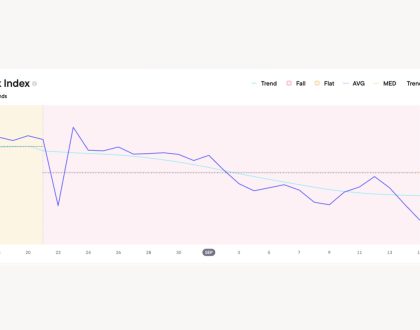
Blask reports Vietnam iGaming demand fell 26.2% amid XoilacTV case update
September 16, 2026
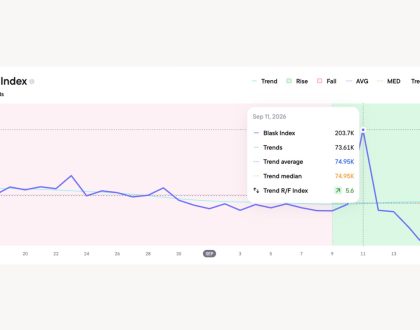
Belarus iGaming demand jumps as Lukashenko targets Maxline advertising
September 16, 2026

GGL court defeats expose weaknesses in German gambling enforcement
September 15, 2026

Germany intensifies enforcement against illegal online gambling operators
September 11, 2026