

















Switzerland Expands List of Blacklisted iGaming Domains
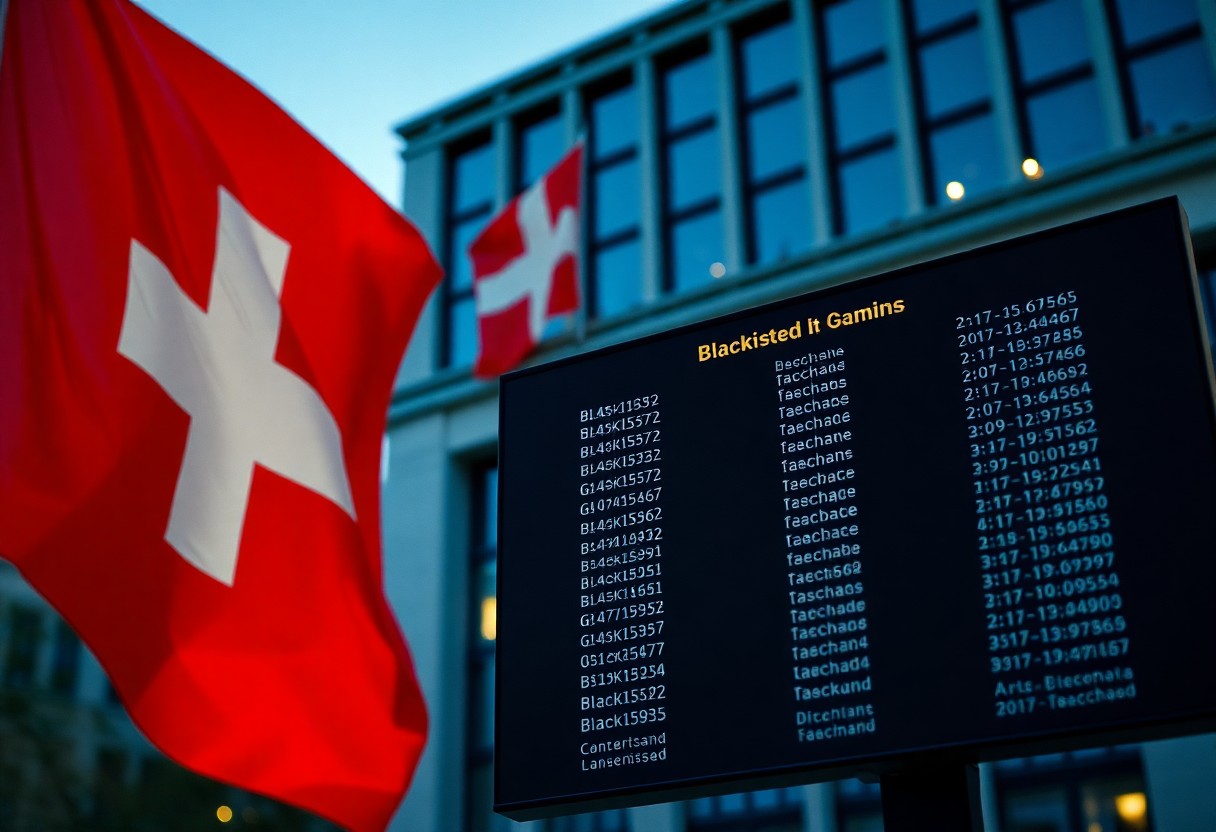
Over recent months, Switzerland has intensified its regulation of online gambling by expanding its list of blacklisted iGaming domains. This move aims to shield consumers from unregulated platforms and ensure compliance with Swiss gambling laws. By identifying and blocking these unauthorized sites, the Swiss government seeks to maintain market integrity and protect players from potential fraud. This post will research into the ramifications of this expanded blacklist, the specific domains affected, and what it means for both gamers and the industry as a whole.
Switzerland's Regulatory Landscape: A Historical Context
Switzerland's approach to iGaming regulation has evolved significantly over the past decade, with a pronounced shift towards modernization and compliance. The Federal Act on Gambling, implemented in 2019, marked a new era in setting stringent guidelines for online gaming activities. This legislation paved the way for regulated online casino and sports betting markets, aligning them with traditional, land-based gambling frameworks, and ensuring consumer protection and revenue generation for the Swiss economy.
Evolution of iGaming Regulations in Switzerland
The evolution of iGaming regulations in Switzerland can be traced back to the early 2000s when online gambling began surging in popularity. Initially, the legal landscape was quite fragmented, but as the demand grew, the government recognized the need for a more cohesive regulatory framework. The landmark 2019 Federal Act on Gambling finally brought clarity, legalizing online gambling while imposing strict licensing requirements to filter out operators without proper oversight.








The Role of the Federal Gaming Board
The Federal Gaming Board (FGB) plays a pivotal role in overseeing and enforcing Switzerland's iGaming regulations. This independent authority ensures that licensed operators comply with the established legal framework, protecting players while maintaining the integrity of the gambling market. Additionally, the FGB actively monitors unlicensed operators, facilitating the blacklisting of domains that fail to meet regulatory standards, thus safeguarding Swiss consumers from illegal gambling activities.
Beyond enforcement, the Federal Gaming Board also engages in public education and awareness campaigns, clarifying the risks associated with unregulated gambling. It is tasked with responding to market changes, conducting assessments of social impacts, and fostering collaboration between the gambling industry and regulatory authorities. Through its comprehensive approach, the FGB not only maintains lawful operations but also contributes to a sustainable gaming environment in Switzerland, balancing revenue generation with consumer protection and social responsibility.
Expanding the Blacklist: Recent Actions and Implications
Switzerland's recent efforts to enhance its controls over online gambling have led to a broader blacklist of iGaming domains. This initiative aims to protect consumers from unauthorized gambling sites and uphold the integrity of the national gaming market. As gambling continues to migrate online, the Swiss government seeks to create a safer betting environment while ensuring that only licensed operators can service the local populace.
Criteria for Inclusion on the Blacklist
The criteria for blacklisting domains involve several factors, including operating without a valid Swiss license, engaging in aggressive marketing tactics, or promoting illegal betting options. Domains that have repeatedly violated Swiss gambling laws or have been reported for fraudulent activities are also prime candidates for exclusion, emphasizing the nation's commitment to consumer protection and regulatory compliance.
The Latest Domains Affected by the Ban
Recent actions have led to the inclusion of several notable domains on Switzerland's blacklist, significantly impacting how online gambling operates within the country. Websites such as Bet365.com and Unibet.com, both known for their extensive reach and popularity, have been cited for non-compliance with local regulations. These exclusions not only demonstrate Switzerland's rigorous enforcement but also signal the importance of adhering to national guidelines for any iGaming operators wishing to engage with Swiss customers.
The domains currently affected by the ban represent some of the largest international gambling brands, illustrating the Swiss government's intent to assert control over its online gaming market. The list encompasses various operators, including those providing casino games, sports betting, and poker, which underscores the comprehensive nature of Switzerland's enforcement actions. This expansion of the blacklist aims to deter non-compliant behavior and reinforce the importance of licensing, ultimately fostering a safer gambling environment for Swiss players while counteracting illegal operations.
Stakeholders React: Perspectives from Operators and Regulators
Reactions to Switzerland's expanded blacklist of iGaming domains reveal a polarized landscape among stakeholders, particularly operators and government officials. Casino operators express concerns over the potential decline in customer traffic and revenue losses, while regulators argue that the measures are crucial for protecting consumers and maintaining the integrity of the gaming market.
Casino Operators' Concerns and Responses
Casino operators are voicing their frustrations, emphasizing the financial implications of the blacklisting. Many fear that the ban on certain domains will push players towards unregulated markets, undermining established operators' position. Some have initiated discussions with regulators to seek a more balanced approach that includes clearer communication on compliance and the rationale behind the bans.
Governmental Justifications and Public Sentiment
The Swiss government defends its expanded blacklist by highlighting the necessity of safeguarding players from fraudulent websites and ensuring responsible gaming practices. Public sentiment largely supports the government's stance, as a recent survey indicated that over 70% of respondents favor stricter regulations to combat illegal gambling activities. Many citizens believe that a tighter grip on the industry is vital for protecting vulnerable populations.
This strong public backing for regulatory actions stems from increasing awareness of the potential risks associated with unregulated gambling, including addiction and financial losses. As the government emphasizes consumer protection, the popularity of online gambling continues to rise across Europe, creating a pressing need for effective oversight. The ongoing dialogue between stakeholders could drive improvements that enhance responsible gaming while delivering a safer environment for players in Switzerland.
The Impact on Players: Access to Online Gaming and Safety Concerns
Players in Switzerland now face significant challenges in accessing their preferred online gaming sites due to the government's expanded blacklist. While these measures aim to protect players from unregulated operators, they simultaneously limit access to platforms that might offer more diverse gaming experiences and potentially better odds. Moreover, many players may seek workarounds to bypass restrictions, leading to an increased risk of engaging with unverified and unregulated sites that can compromise their personal data and finances.
Player Access to Restricted Platforms
The stringent new blacklist has created a noticeable impact on players' ability to access certain online gaming platforms. Many well-known brands have been added to the list, leaving players frustrated and searching for alternatives. They may resort to lesser-known or unregulated sites, increasing exposure to potential scams or security breaches, ultimately compromising their gaming experience.
Enhanced Security Measures and Responsible Gaming
On the brighter side, the expansion of the blacklist contributes positively to the safety and regulation of online gaming in Switzerland. With only licensed platforms allowed to operate, players can expect increased security measures, including better data protection protocols and responsible gaming resources. The regulatory framework encourages licensed operators to implement tools that promote safer gambling practices, like deposit limits and self-exclusion options.
This shift towards enhanced security measures not only aims to safeguard players from fraud but also emphasizes the importance of responsible gaming. Licensed operators are encouraged to provide support services, such as educational content on gambling risks and access to counseling for those struggling with addiction. For example, by integrating responsible gaming alerts and providing easy access to help resources, these operators can create a safer betting environment that prioritizes player welfare while still offering an enjoyable gaming experience.
Future Prospects: What's Next for iGaming in Switzerland?
As Switzerland refines its online gambling regulations and expands its blacklisting efforts, the future of iGaming appears both promising and challenging. Establishing a robust regulatory framework is imperative as operators seek compliance, while the Swiss government aims to protect consumers and curb illegal gambling activities. The country's focus on transparency and responsible gaming could set a precedent, attracting reputable international operators while protecting local interests.
Trends in Gambling Legislation and Compliance
The ongoing evolution of gambling legislation in Switzerland reflects a broader global shift towards increased oversight and consumer protection. Regulatory bodies are prioritizing compliance, enhancing enforcement strategies against unlicensed operators, and implementing measures to safeguard players' interests. Collaborative efforts with international jurisdictions are becoming more common, further improving the regulatory environment while promoting responsible gaming practices.
Predictions for the iGaming Market Landscape
Forecasts suggest that Switzerland will witness significant growth in its iGaming sector, particularly as more operators seek to enter the regulated market. Increased investment in technology and infrastructure, along with ongoing consumer demand for innovative gaming experiences, will drive this expansion. As competition intensifies, operators will focus on standout offerings, enhancing player engagement and retention strategies tailored to the Swiss market.
The iGaming market landscape is poised for transformation, underpinned by a combination of regulatory support and technological advancements. With over 80% of the adult population already engaged with some form of online gambling, the potential for market growth is substantial. By adopting advanced technologies such as artificial intelligence and blockchain, operators can enhance user experiences, streamline compliance, and ensure secure transactions, ultimately reshaping the way players interact with online gaming platforms. As the marketplace matures, niche offerings centered around local culture and preferences will likely enhance player loyalty and market penetration, solidifying Switzerland's position as a leading iGaming destination in Europe.
Final Words
From above, it is evident that Switzerland's recent expansion of its blacklisted iGaming domains reflects a stringent regulatory approach to online gambling. This move aims to protect consumers and maintain the integrity of the gaming industry. By targeting illegal operators, Swiss authorities are reinforcing their commitment to fostering a safe and fair gambling environment within the nation. Stakeholders must stay informed about these developments to navigate the evolving landscape effectively.

Lisa
Welcome. I am an experienced writer and I am ready to help you with all forms of writing needs you require. Education B.A. - linguistics, University of Wisconsin-Whitewater, United States, Graduated 2006.
Related Posts

Maxxi Labs launches six-studio collective for differentiated casino content
September 11, 2026

Wazdan expands UK operations through Jupiter Gaming deal across six sites
September 11, 2026

Aviatrix launches Aviatrix Fortunes slot game for its iGaming Metaverse
September 11, 2026

Felix Gaming Enters a New Chapter with MGA License
September 10, 2026

Digitain powers LuckyBet.ee launch in Estonia with new iGaming platform
September 10, 2026

Galaxsys launches Egyptian Legends slot with ancient Egyptian features
September 10, 2026

Playson releases Golden Penny x1000: Super Wheel with new bonus feature
September 10, 2026
Swintt introduces Buffalo Thunderstorm slot in its Elysium Studios lineup
September 10, 2026

ICONIC21 sponsors BC Rytas as part of wider expansion plans in Lithuania
September 10, 2026