

















Top 10 trends shaping the future of iGaming
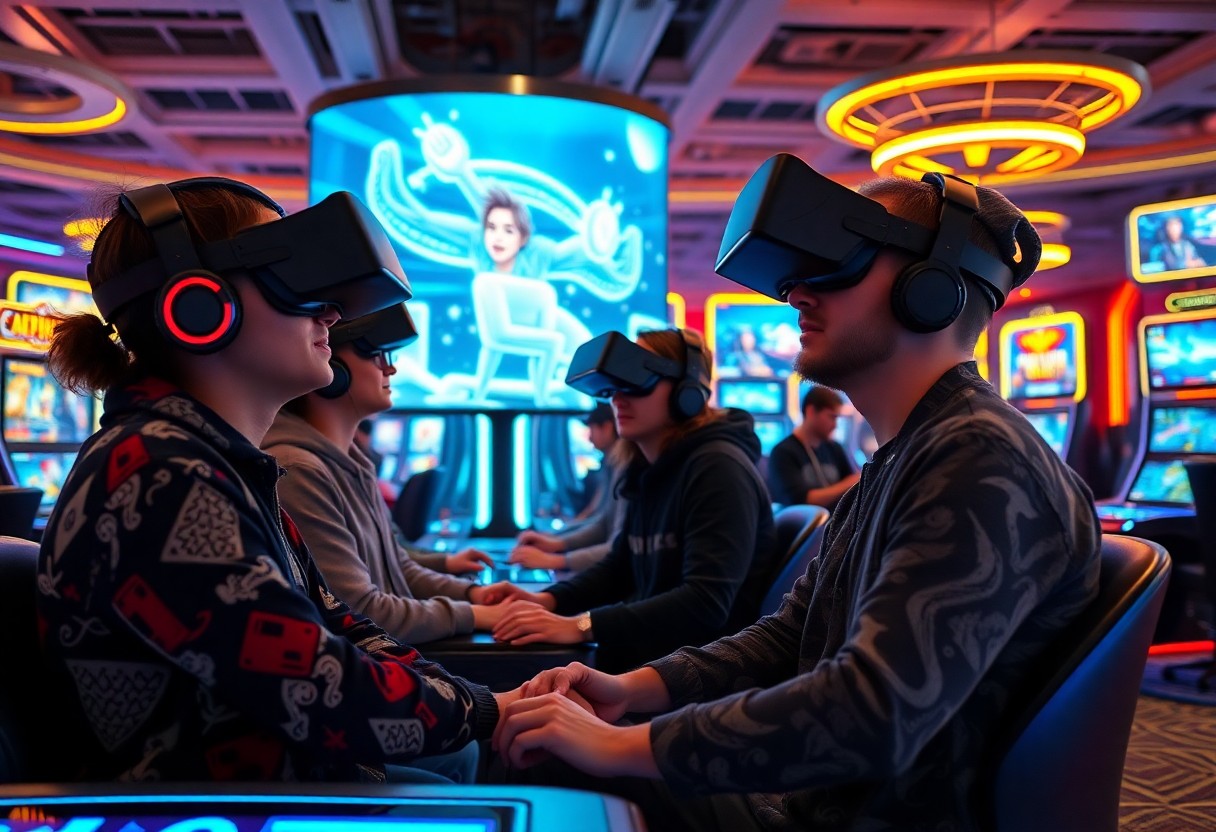
There's a rapidly evolving landscape within the iGaming industry, driven by technological advancements and shifting player preferences. As we look ahead, several key trends are set to transform how online gaming operates, enhancing user experiences and reshaping market dynamics. From the integration of artificial intelligence to the rise of virtual and augmented reality, these developments will not only impact gameplay but also influence regulatory approaches and monetization strategies. Join us as we explore the top 10 trends that will shape the future of iGaming over the next decade.
Mobile Gaming Dominance
Your engagement with mobile gaming is no longer a fleeting trend; it's quickly becoming the backbone of the iGaming industry. With advancements in technology, mobile platforms are leading the shift in how players interact with their favorite games. As smartphones and tablets continue to advance, players are expecting more from their gaming experiences. The next decade is set to enhance user engagement through immersive features and innovative designs aimed at elevating the overall experience in mobile gaming.
Enhanced user experiences
Assuming that the mobile gaming trend continues its rapid ascent, developers are focusing on creating richer and more immersive user experiences. Enhanced graphics, intuitive interfaces, and interactive elements are all becoming standard in mobile games. The integration of augmented reality (AR) and virtual reality (VR) also plays a significant role in reshaping how players interact with games on their mobile devices. As these technologies become more widespread, players will find increasingly enjoyable and engaging ways to experience gaming, making mobile platforms a preferred choice.








Cross-platform compatibility
Even as mobile gaming takes center stage, the importance of cross-platform compatibility cannot be overlooked. Players desire the flexibility to access their favorite games seamlessly across multiple devices, whether on smartphones, tablets, or desktop computers. Developers are prioritizing this feature to provide a unified gaming experience, ensuring that progress, purchases, and interaction remain consistent regardless of the device. This capability not only enhances user satisfaction but also expands the potential player base, as gamers are more likely to try out a game if they know they can play it whenever and wherever they want.
Mobile gaming is transcending previous boundaries, with innovative solutions enabling games to be launched simultaneously across different platforms. This shift means that whether a player is on their mobile device during a commute or on their desktop at home, their experience remains uninterrupted, fostering greater engagement and loyalty to the game and the brand. Such compatibility is increasingly becoming a standard expectation within the iGaming community, as it enhances user accessibility and satisfaction.
Live Dealer Games
If you are exploring the future of iGaming, one cannot overlook the significant impact of live dealer games. As technology evolves, players are increasingly drawn to immersive experiences that blur the line between online and traditional gaming. Live dealer games provide an interactive and engaging way to enjoy table games, offering an authentic casino atmosphere right from the comfort of home. This modality has quickly gained popularity due to its unique blend of convenience and social interaction, marking a shift in how players engage with online gambling platforms.
Immersive Interaction
Live dealer games bring the casino experience to life with real dealers operating from professional studios or actual casino floors, streamed directly to players' screens. This setup allows for real-time interaction between players and dealers, enhancing the sense of presence and engagement. It creates an environment where participants can feel part of a community, as they can interact with the dealer and other players through chat functions, fostering social connections that are often missing in conventional online gaming.
Moreover, technological advancements, including augmented reality (AR) and virtual reality (VR), are poised to elevate immersive interaction even further. These innovations could enable players to not just watch the action unfold but also to feel as though they are physically present at the gaming table, thus enhancing the sensory experience and creating a more compelling platform for social engagement.
Real-time Gaming
Interaction in live dealer games epitomizes real-time gaming, where actions unfold instantaneously. Players can place bets, chat with dealers, and make decisions in a fluid environment, replicating the rush of being in a physical casino. This immediacy appeals to players who appreciate the thrill of live gaming while enjoying the convenience of online access.
A key aspect of real-time gaming is the seamless integration of high-quality streaming technology. Live dealer setups utilize advanced video broadcasting, ensuring crystal-clear visuals and minimal latency. This not only enhances player experience but also builds trust, as participants can see every action as it occurs. With an emphasis on transparency and accessibility, live dealer games are set to redefine the standards of online gaming, offering experiences that are as engaging and interactive as their brick-and-mortar counterparts.
Virtual Reality Integration
Now, the world of iGaming is ever-evolving, and the integration of virtual reality (VR) is set to redefine the player experience. As technological advancements continue to blur the lines between the physical and digital realms, VR represents a significant shift in how games are played, offering immersive and interactive experiences that were previously unimaginable. This integration is not only an enhancement of gameplay but also a pathway to creating entire ecosystems where players can interact with one another on a more personal level than in traditional gaming environments.
Engaging Environments
To fully appreciate the impact of VR in iGaming, one must consider the engaging environments that it fosters. VR allows developers to create richly detailed, three-dimensional worlds that draw players in and keep them invested in the game. These environments can be tailored to suit a wide variety of themes, from vibrant casinos to fantastical landscapes. The realistic graphics, spatial audio, and 360-degree perspectives enhance the sense of presence, making players feel as though they are truly part of the action. This level of immersion transforms mundane tasks like playing poker or spinning a slot machine into thrilling adventures, encouraging longer play sessions and greater user engagement.
Realistic Simulations
Realistic simulations are another key component of virtual reality in the iGaming space. With advanced VR technologies, players can experience gaming scenarios that mirror real-life situations, from placing bets at a live dealer table to engaging in complex strategy games. This simulation of reality brings a level of authenticity that traditional online games simply cannot replicate. Players can interact with virtual dealers and other participants in real time, making decisions and strategizing as they would in a physical casino.
Engaging with simulated environments has the potential to elevate the psychological aspects of gaming. Elements like social interaction and competition can become more pronounced, impacting how players make decisions and perceive their stakes within the game. This heightened realism not only adds depth to the gameplay experience but also positions VR as a transformative force in the iGaming landscape, likely to shape player expectations and standards for years to come.
Blockchain Technology
After witnessing significant advancements in numerous sectors, the iGaming industry is poised to leverage blockchain technology for transformation. This decentralized ledger technology stands to reshape how online gambling operates, ensuring increased security, transparency, and trust between operators and players. By incorporating blockchain systems, iGaming platforms can guarantee fair play and bolster user confidence, key components in retaining and attracting customers.
Enhanced security
Enhanced security is one of the most compelling advantages of blockchain technology within the iGaming landscape. By utilizing a decentralized framework, it significantly reduces the risk of hacking and fraud, as transactions are recorded across a distributed network rather than relying on a single vulnerable point. Each transaction is encrypted and linked to previous entries, creating a secure chain that is nearly impossible to alter without detection. This provides players with a sense of assurance that their data and funds are protected while they engage in online gaming.
Transparent transactions
The introduction of transparent transactions is another groundbreaking feature that blockchain technology brings to the iGaming industry. Blockchain effectively eliminates the opacity that often shrouds traditional gambling processes. Every transaction, be it a deposit, withdrawal, or bet, is publicly verifiable and immutable, ensuring that players can easily audit their interactions with the platform. This transparency not only fortifies the trust players have in the operators but also curbs instances of fraud and manipulation.
This commitment to transparent transactions empowers players by allowing them to independently verify the integrity of games and payment processes. As the iGaming sector adopts blockchain, players will likely see an increase in trust and loyalty, knowing they can confirm their stakes and winnings with immutable proof. This shift towards transparency sets a new standard and encourages responsible gaming practices while enhancing the overall user experience.
Artificial Intelligence
Many industries are harnessing the power of artificial intelligence (AI), and iGaming is no exception. Over the next decade, AI is expected to significantly shape the way players interact with online casinos and gaming platforms. From creating more realistic gaming environments to automating processes, the use of AI will become increasingly prevalent, enhancing gameplay, security, and customer experiences.
Personalized experiences
There's a growing demand among gamers for tailored experiences that resonate with their individual preferences. By utilizing AI algorithms, iGaming operators can analyze players' behaviors, preferences, and past actions to curate recommendations specifically designed for them. This means that a player who enjoys strategy-based games will receive suggestions that align with that interest, making their gaming experience not only more enjoyable but also more engaging.
Furthermore, personalized gaming experiences can extend to customized promotions and bonuses. AI can help identify the best incentives for individual players, maximizing their engagement while also optimizing the operator's marketing strategies. In an increasingly competitive market, offering such tailored experiences can significantly enhance customer loyalty and improve overall player satisfaction.
Efficient customer support
One of the most promising applications of AI in iGaming is the enhancement of customer support systems. AI-powered chatbots and virtual assistants are becoming an integral part of how online casinos handle player inquiries and issues. These tools can provide immediate responses to common questions, offering 24/7 support that greatly improves user experience. Through machine learning, these chatbots continuously evolve, learning from previous interactions to provide more accurate and personalized assistance over time.
This shift towards AI-driven customer support not only enhances efficiency but also allows human agents to focus on more complex issues that require personal attention. By streamlining the support process, operators can ensure that players receive prompt and effective assistance, ultimately fostering a sense of trust and reliability in the gaming platform. As technology continues to develop, we can expect even more innovative solutions for customer engagement and support in the iGaming realm.
Gamification Strategies
Unlike traditional gaming experiences, the world of iGaming is rapidly evolving to incorporate gamification strategies that aim to enhance player engagement and retention. By infusing game-like elements—such as points, levels, challenges, and leaderboards—into the gaming environment, operators are creating a more interactive and compelling experience for users. This shift is vital for standing out in a crowded market and catering to a more sophisticated audience that seeks not just passive entertainment but an immersive and rewarding journey through their gaming activities.
Increased Player Engagement
The integration of gamification strategies has fostered a new era of player engagement in the iGaming sector. Through features like achievement badges, skill levels, and daily quests, players are encouraged to not only play more frequently but also explore various game offerings. This interactivity leads to a more fulfilling experience, where users feel a sense of accomplishment and progression. When players are actively involved, they are more likely to form a lasting relationship with the platform, which in turn, significantly boosts overall retention rates.
Reward-Driven Systems
If operators implement reward-driven systems effectively, they can transform gaming experiences into an enticing adventure for users. By providing incentives such as bonuses, free spins, or unique prizes for completing certain tasks, players are motivated to engage more deeply with the platform. This approach not only increases their time spent on games but also encourages them to try out new offerings within the ecosystem. The use of well-structured reward systems can create a loyalty loop where the more players participate, the more they benefit, fostering a vibrant community around the gaming platform.
Increased focus on reward-driven systems means that operators must continually innovate their offerings to keep players excited and engaged. By analyzing player behavior and preferences, companies can tailor rewards that resonate with their audience, leading to more personalized experiences. As a result, operators can expect higher conversion rates and increased customer satisfaction, helping them maintain a competitive edge in the ever-evolving landscape of iGaming.
Esports Betting Growth
All indicators point towards a significant growth trajectory for esports betting in the coming decade. As esports has transcended from niche hobbies to a mainstream phenomenon, the betting industry is keenly aware of the opportunities this presents. Traditionally dominated by a small group of favorite games, esports is now encompassing a wider variety of titles, appealing to diverse demographics. Additionally, the age group of the typical esports fan skews younger, making esports an attractive market for betting platforms looking to engage a new generation of bettors.
Expanding audience appeal
Some of the factors contributing to the expanding audience appeal include mainstream media coverage, the recognition of esports as a legitimate sporting event, and the involvement of traditional sports organizations. As major leagues and franchises invest in esports, they help validate its potential as a competitive field. Furthermore, live streaming platforms have boosted the visibility of esports events, attracting a wider array of spectators who may also be inclined to place bets. This increasing visibility is transforming esports from a subculture into a significant player within the larger entertainment landscape.
Diverse betting options
Even as interest in esports continues to rise, the diversification of betting options offers unique opportunities for engagement. Unlike traditional sporting events, the unpredictability of esports matches, influenced by player skills, team strategies, and real-time decision-making, allows for a variety of betting styles. Gamblers can engage in match-winner bets, over/under totals, or even more nuanced prop bets concerning player performances, kills, or in-game strategies. This allows companies to create tailored experiences to meet the unique demands of esports fans.
Expanding on the diversity of betting options, the integration of real-time data and analytics is enhancing the betting experience in esports. With platforms providing live betting opportunities and instant updates, bettors can make informed decisions dynamically as games unfold. This element of immediacy not only makes betting more engaging but also attracts novice bettors who may be turned off by the complexity of traditional sports betting. By tailoring betting experiences that accommodate the nuances of various esports titles, the industry is poised for significant growth in participation and revenue over the next decade.
Cryptocurrency Adoption
Despite traditional banking systems often imposing limitations on online gambling transactions, the rise of cryptocurrency is transforming how players engage with iGaming platforms. The decentralized nature of cryptocurrencies allows users to participate in transactions without the need for intermediaries, significantly streamlining the process and appealing to a broader audience. As more players seek out accessible and innovative payment methods, cryptocurrency adoption has emerged as a game changer, offering new opportunities for operators and players alike.
Flexible payment solutions
Any iGaming operator looking to stay competitive in the evolving landscape must recognize the importance of offering flexible payment solutions. Cryptocurrencies like Bitcoin, Ethereum, and Litecoin provide users with various options to fund their accounts with minimal fees and faster transaction times compared to traditional banking methods. This flexibility not only enhances the user experience but also helps operators reduce costs typically associated with payment processing.
Moreover, incorporating multiple cryptocurrencies into payment options opens the door to a diverse international player base. Some iGaming platforms are already experimenting with stablecoins, which are pegged to traditional currencies, to mitigate volatility concerns while offering a seamless gambling experience. The freedom and efficiency associated with cryptocurrency transactions are driving their rapid integration into the iGaming sector.
Anonymity and security
If adopting cryptocurrencies for online gambling, players benefit from enhanced anonymity and security. Traditional payment methods often require personal and financial information that can be susceptible to breaches or identity theft. In contrast, cryptocurrency transactions are pseudonymous, allowing users to engage without disclosing sensitive information. This means that players can enjoy their favorite games with peace of mind regarding their privacy.
Adoption of cryptocurrencies also incorporates advanced security features inherent to blockchain technology. Each transaction is securely recorded and immutable, significantly reducing the risk of fraud or chargebacks. As the iGaming industry embraces these secure and private methods of payment, players find themselves better protected in an online environment that continues to grow and evolve.
Regulatory Evolution
For the iGaming industry, regulatory evolution will play a foundational role in shaping its future. As more markets acknowledge the economic benefits of regulated online gambling, the framework governing these games is likely to become more sophisticated and standardised. This evolution is not just about compliance with existing laws, but also about adapting to the rapidly changing technological landscape, consumer behaviours, and social attitudes towards gaming. Operators will need to stay informed and agile to navigate various jurisdictions, ensuring they meet local regulatory requirements while providing attractive offerings to users.
Improved Compliance Standards
Clearly, enhanced compliance standards are becoming a central focus for many iGaming regulators across the globe. As jurisdictions become more competitive in attracting operators and players, there is a growing emphasis on creating a robust framework that not only protects consumers but also promotes fair play. Regulators are implementing stricter checks and balances to ensure that operators comply with responsible gaming practices, anti-money laundering regulations, and data protection laws. This trend towards higher standards leads to a healthier industry, reducing the risk of fraudulent activities and improving consumer trust.
Furthermore, enhanced compliance not only assists in fostering confidence among players but also enables operators to operate more efficiently across multiple markets. By adhering to strict guidelines, companies can streamline their processes, minimize legal risks, and enhance their reputational standing, making them more attractive to potential partners and players alike. This shift towards improved compliance will not only future-proof the industry but also support sustainable growth as more players engage with trustworthy platforms.
Global Market Expansion
Little doubt exists that global market expansion is set to reshape the iGaming landscape significantly over the next decade. With numerous countries gradually embracing legislation to regulate online gambling, the market opportunities are multiplying. This creates a fertile ground for companies to penetrate new demographic segments and introduce innovative gaming experiences tailored to local preferences. As technology continues to break down geographical barriers, platforms must adapt to cater to diverse markets, while also aligning with each region's regulatory requirements.
Regulatory frameworks are evolving not just locally, but also globally. As countries become more interconnected through trade agreements and digital commerce initiatives, operators can expect a smoother regulatory process when expanding. This trend will likely lead to more harmonised regulations across regions, allowing iGaming companies to operate on a broader scale while still maintaining compliance with local laws. As countries streamline their regulatory processes, it might encourage more jurisdictions to consider embracing regulated iGaming, fostering competition and driving innovation within the sector.
Final Words
With this in mind, the future of iGaming is positioned for transformative growth driven by technological advancements, evolving consumer behaviors, and regulatory adaptations. Emerging trends such as the integration of artificial intelligence, augmented reality, and blockchain technology are poised to revolutionize player experiences, enhancing personalization, security, and innovation in gameplay. Furthermore, the increasing acceptance of mobile gaming and a growing focus on social gaming elements suggest that the industry will continue to attract a diverse audience, fostering community engagement and interaction.
As we look ahead to the next decade, iGaming operators must remain agile and proactive in adopting these trends to stay competitive in a rapidly evolving market. The integration of sustainable practices and a commitment to responsible gaming will not only address regulatory requirements but also resonate with the socially conscious consumer base. Ultimately, by embracing these developments, businesses within the iGaming sector are not just setting themselves up for immediate success but are also establishing a foundation for long-term growth in an increasingly dynamic landscape.

Paula Nancy
Hello and Welcome to my profile. I'm a UK based entrenched full-time Blogger, Journalist, columnist and a certified writer with many years of sound writing experience. If you need a high-quality and original content, I'm here to provide you with the best writing services.
Related Posts

Maxxi Labs launches six-studio collective for differentiated casino content
September 11, 2026

Wazdan expands UK operations through Jupiter Gaming deal across six sites
September 11, 2026

Aviatrix launches Aviatrix Fortunes slot game for its iGaming Metaverse
September 11, 2026
Felix Gaming Enters a New Chapter with MGA License
September 10, 2026

Digitain powers LuckyBet.ee launch in Estonia with new iGaming platform
September 10, 2026
Galaxsys launches Egyptian Legends slot with ancient Egyptian features
September 10, 2026

Playson releases Golden Penny x1000: Super Wheel with new bonus feature
September 10, 2026
Swintt introduces Buffalo Thunderstorm slot in its Elysium Studios lineup
September 10, 2026

ICONIC21 sponsors BC Rytas as part of wider expansion plans in Lithuania
September 10, 2026