

















Trust Companies and Casino Money Laundering in Curacao

Over the past few decades, Curacao has emerged as a prominent hub for online gaming and casinos, attracting operators worldwide. However, this burgeoning industry has also gained notoriety for facilitating money laundering activities, often through trust companies that serve as intermediaries. These entities exploit regulatory loopholes and operate with minimal oversight, allowing illicit funds to flow seamlessly through the gaming ecosystem. In this blog post, we will investigate into the role of trust companies in Curacao and their unsettling association with casino money laundering, highlighting the challenges faced in regulatory enforcement.
Understanding Trust Companies
Definition and Functionality
The trust company is a specialized financial institution that acts as a fiduciary for individuals and businesses, offering services such as estate planning, asset management, and providing financial custodianship. These companies are typically established to manage trusts and estates, functioning as intermediaries to ensure that client assets are handled according to the stipulations outlined in trust documents or estate plans. Furthermore, trust companies frequently provide administrative services, including bookkeeping and tax preparation.
For many clients, the primary appeal of using a trust company lies in the professional management and protection of their assets. By delegating responsibilities to a trust company, individuals and entities can benefit from expertise in wealth management and financial planning, especially for complex or high-net-worth situations. The trust company serves a critical role in ensuring compliance with local laws and regulations, maintaining the integrity of trust arrangements, and facilitating smooth asset transitions for beneficiaries.









Types of Trust Companies
There are several types of trust companies, each serving unique functions and catering to different client needs. They can be broadly classified based on their services and clientele. Here's a closer look at these classifications:
| Type | Description |
| Private Trust Companies | Established for a single family to manage family wealth and trusts. |
| Corporate Trust Companies | Required by large businesses and municipalities to manage specific trust arrangements. |
| Independent Trust Companies | Offer trust management services across a broad client base without any banking functions. |
| Institutional Trust Companies | Affiliated with financial institutions, providing extensive investment and trust administration services. |
| Offshore Trust Companies | Based in jurisdictions like Curacao, they offer tax and privacy advantages to international clients. |
This classification helps to structure the services offered by trust companies, ensuring that clients select the type of organization best suited to their individual needs. Each type plays a vital role in facilitating financial strategies for secure wealth management and preservation. They also differ significantly in terms of regulatory requirements and the specific services they can provide.
- Private Trust Companies allow wealthy families to maintain greater control over their assets.
- Corporate Trust Companies are imperative for businesses looking to manage their complex financial obligations.
- Independent Trust Companies provide a customized approach tailored to individual client needs.
- Institutional Trust Companies often have access to a wide range of investment options.
- Offshore Trust Companies offer privacy and tax benefits for international wealth management.
The wide variety of trust company types enables clients to navigate their wealth management choices and better align with their financial strategies.
Regulatory Framework
Regulatory oversight of trust companies is critical to ensuring that these entities operate within the bounds of the law and uphold their fiduciary responsibilities to clients. Regulatory frameworks vary by jurisdiction, with each country or region having specific laws that govern trust companies and their operations. In Curacao, the Central Bank oversees the activities of trust companies, ensuring compliance with legislation focused on anti-money laundering (AML) and combating the financing of terrorism (CFT).
Regulatory measures are designed to protect clients from malpractice while maintaining the integrity of the financial system. Trust companies in Curacao must adhere to strict licensing requirements, undergo regular audits, and report significant financial transactions to relevant authorities. Failures in compliance can lead to severe penalties, including the revocation of licenses, which emphasizes the need for trust companies to maintain robust governance practices and operational transparency.
Understanding the regulatory framework and compliance requirements is imperative, as it helps clients assess the credibility and reliability of trust companies operating in Curacao. They must navigate a complex environment of laws and regulations, aiming to safeguard their assets while mitigating risks associated with money laundering and other financial crimes.
The Regulatory Environment in Curacao
Some may find it surprising that the regulatory environment in Curacao is often perceived as lenient, particularly when it comes to the burgeoning online gaming industry. This island jurisdiction has attracted numerous operators seeking an ideal licensing framework that allows for a relatively easier entry into the gaming market. Yet, beneath the surface lies a complex interplay of financial legislation that governs how trust companies operate and interact with these casinos.
Overview of Financial Legislation
Any consideration of Curacao's financial legislation must begin with its foundational laws concerning gaming and financial services. The legal framework surrounding these sectors includes the Gaming Act and various regulations that dictate not only the licensing requirements for online casinos but also the obligations of financial intermediaries such as trust companies. This regulatory structure aims to keep the industry competitive while ostensibly ensuring that adequate protections are in place to prevent financial malpractice.
Anti-Money Laundering (AML) Standards
An important aspect of the regulatory environment is the Anti-Money Laundering (AML) standards established in Curacao. Given the casino industry's propensity for large cash transactions, the regulatory authorities impose stringent obligations on both gaming operators and trust companies to report suspicious activities and implement robust customer due diligence processes. These AML protocols aim to mitigate risks associated with money laundering activities and to uphold Curacao's reputation as a reputable financial center.
Plus, despite the existence of laws and guidelines, there are still challenges in enforcing these standards effectively. Some operators may exploit loopholes or lack the necessary resources to comply fully, leading to potential vulnerabilities in the system. Investigations into these weaknesses reveal that the enforcement of AML measures often falls short, which raises red flags about the effectiveness of the current regulatory landscape.
Role of the Central Bank of Curacao and Sint Maarten
Standards set by the Central Bank of Curacao and Sint Maarten play a crucial role in the financial oversight of trust companies and their relationships with the casino industry. The Central Bank is responsible for maintaining the stability of the financial system and ensuring compliance with applicable laws designed to combat financial corruption. Their approach combines regulatory vigilance with oversight mechanisms that aim to ensure that financial institutions meet both operational and ethical requirements.
Laundering efforts continue to be a concern, and the Central Bank is working to enhance its AML framework in tandem with international standards. Efforts include heightened scrutiny of transactions involving trust companies, as they act as intermediaries in the movement of funds in and out of online casinos. While progress has been made, ongoing vigilance and cooperation among regulatory bodies are crucial for effectively combating financial crime in this vibrant sector.
The Casino Industry in Curacao
Now that we have established the context of trust companies in Curacao, it's crucial to probe into the vibrant casino industry that thrives within this jurisdiction. This industry not only plays a critical role in the local economy but also raises questions about compliance and regulation. Understanding the landscape of casinos in Curacao is vital for grasping how they can attract both legitimate gaming operations and potential illicit activities.
Overview of the Casino Landscape
On the surface, Curacao boasts a diverse casino landscape comprising numerous online and land-based establishments. The island has positioned itself as a popular hub for online gambling, due in part to its favorable tax regime and streamlined licensing process. Its casinos range from luxurious resorts to small gaming establishments, catering to a wide audience of both local and international players.
On the regulatory side, Curacao's casinos are generally perceived as offering a permissive environment. This atmosphere has led to a notable influx of online gambling sites that operate under the Curacao eGaming license, allowing operators to reach global markets while reaping benefits from local incentives.
Licensing and Regulation of Casinos
One of the key elements that define Curacao's casino industry is its licensing and regulatory framework. The jurisdiction operates under a single licensing authority, allowing various online gaming operations to obtain licenses more efficiently than in many other countries. This simplified process has made Curacao a favorite among gaming developers and operators looking to navigate the complexities of regulation in other jurisdictions.
One of the significant challenges with the current licensing framework is that it can sometimes create a loophole for less scrupulous operators. While the intention was to encourage growth and attract investment, the absence of rigorous oversight may permit some businesses to engage in activities that could facilitate money laundering and other illicit financial practices.
Casino operators contribute significantly to Curacao's economy, providing jobs and generating tax revenues that aid in the development of local infrastructure and services. For many local businesses, the presence of casinos translates into increased foot traffic and income opportunities. This financial infusion, while substantial, exists amid ongoing scrutiny about the ethical practices of the entities involved.
For many local residents, the impact of casinos is mixed; while they appreciate the economic benefits, there are concerns about the social implications of gambling. The growth of the casino industry has made Curacao a lucrative destination for tourists and a beneficial source of employment, illustrating the complexity of evaluating the overall impact of casinos on the island's society.
With this context, it is crucial to look at how the intertwining of casinos and trust companies in Curacao may create an environment conducive to money laundering activities, raising crucial questions about compliance and governance in the sectors involved.
The Relationship Between Trust Companies and Casinos
To understand the dynamics between trust companies and casinos in Curacao, it is important to analyze the role these firms play as intermediaries in financial transactions. Trust companies serve as facilitators in the complex network of financial operations that casinos require to thrive. By providing services such as asset management, financial planning, and compliance assistance, they enable casinos to navigate the often labyrinthine path of legal and regulatory frameworks. These relationships can lead to the establishment of a financial ecosystem that, while ostensibly legal, may harbor opportunities for illicit activities, including money laundering.
Trust Companies as Financial Intermediaries
Relationship dynamics in this context can be characterized as a partnership where trust companies provide important services that allow casinos to remain operational and compliant with local laws. Trust companies often possess extensive knowledge of international financial regulations and can help casinos manage their operations in a way that minimizes legal exposure. This collaboration can sometimes create a gray area where the intersection of legitimate business operations and potential financial misconduct occurs, raising significant concerns about accountability and governance.
Client Relationships and Confidentiality
With casinos requiring strong client relationships built on trust and confidentiality, trust companies play a crucial role in maintaining these connections. They often serve high-profile clients or enterprises with complex financial needs, necessitating a discreet approach to financial handling and management. This demand for confidentiality can lead to practices that obscure source of funds, making it challenging for authorities to trace monetary flows—an environment ripe for money laundering activities.
Intermediaries, such as trust companies, are crucial to preserving client confidentiality while managing vast sums of money. This often includes setting up intricate layers of ownership and establishing complex corporate structures that mask the ultimate beneficiaries. As a result, those with nefarious intentions may exploit these frameworks to disguise illicit funds within casino operations, effectively obscuring the trail of money from regulatory scrutiny.
How Trust Companies Facilitate Casino Operations
Companies often provide the necessary infrastructure that allows casinos to operate legally and efficiently within Curacao's regulatory landscape. This includes establishing corporate entities, offering banking services, and ensuring compliance with local and international regulations. Trust companies act as a bridge between casinos and financial institutions, making it easier for these gaming establishments to access important financial resources without attracting undue attention.
Trust companies are also adept at navigating complex international tax laws, creating an advantageous environment for casinos looking to optimize their financial standings. By leveraging various financial instruments and structures, these firms can facilitate smoother transactions and investment opportunities for casinos, ultimately enhancing their operational efficiency while remaining under the radar of stringent oversight.
Money Laundering Mechanisms in Casinos
Once again, the intersection of casinos and money laundering presents a complex issue, particularly in jurisdictions such as Curacao where regulation may be less stringent. The casino environment, with its high cash turnover and anonymity, creates an ideal landscape for illicit activities. Criminal organizations often exploit these establishments as effective channels for integrating dirty money within the legitimate financial system.
Common Techniques for Money Laundering
Techniques employed for money laundering in casinos take various forms, often tailored to exploit the unique characteristics of the gaming industry. One common approach involves using small-scale bets with large cash transactions, allowing gamblers to claim winnings in the form of legitimate casino chips while disguising the source of their funds. Another method includes the use of “shill” players who place bets on behalf of the launderers, facilitating the transfer of illicit funds under the guise of legitimate gambling activities.
The Role of Cash Transactions
Techniques based on cash transactions are particularly notorious in casino settings, where the allure of anonymity can create significant opportunities for money laundering. Cash transactions allow individuals to deposit large sums without attracting attention, as they can simply claim these funds to be from legitimate gambling. This practice circumvents many regulatory checks that might otherwise flag suspicious activity, making it a favored tactic for those aiming to cleanse dirty money.
Laundering activities often capitalize on the high volume of cash circulating within a casino. The rapid exchange of cash for chips, frequently untraceable once in the form of chips, enables individuals to distance their funds from the original criminal source. The integration and conversion processes are further complicated by the fast-paced nature of gambling, making it challenging for surveillance systems to detect illicit transactions.
Gaming Chips and Their Functionality
Money laundering through gaming chips is particularly insidious, as these tokens serve as a bridge between illicit cash and purportedly legitimate gambling activities. Chips can be purchased with cash, making it easy for a player to appear to have won legitimate money at the tables. By playing briefly and cashing out the chips, individuals are able to claim large sums as winnings and reintroduce these funds into the financial system without arousing suspicion.
This cycle of gambling and cashing out chips effectively obscures the origins of the funds being laundered. The conversion of cash into casino chips, and ultimately back into cash again, creates a deceptive layer of legitimacy around what is imperatively a mechanism for laundering. In jurisdictions where oversight may be minimal, this procedure can facilitate the unobstructed movement of illegal gains into the mainstream economy.
Regulatory Loopholes
Your understanding of the regulatory landscape in Curacao is crucial for recognizing how trust companies may inadvertently facilitate money laundering in the casino industry. The existing framework has several gaps that make it possible for illicit activities to thrive, particularly in online gaming. As casinos continue to flourish, the accompanying financial transactions often evade stringent scrutiny thanks to these inefficiencies in oversight.
Gaps in Current Legislation
For many years, the regulatory environment in Curacao has been marred by significant gaps in legislation that inherently allow for exploitation. The lack of standardized guidelines across different sectors has led to inconsistencies in how money laundering is approached and regulated. These loopholes permit trust companies to operate with relative ease, often overlooking vital checks and balances that would typically accompany transactions of this nature.
Furthermore, the ambiguity in defining what constitutes suspicious activity has left room for interpretation, enabling businesses to exploit these definitions for their gain. This absence of clarity hampers the enforcement of existing laws, culminating in a landscape ripe for abuse, particularly in relation to casino money flows.
Weaknesses in Implementation and Enforcement
To truly grasp the extent of the issue, it's vital to approach the weaknesses present not only in legislation but also in its implementation. Regulatory authorities in Curacao often lack the necessary resources to execute rigorous oversight. Such limitations result in inadequate training for personnel tasked with enforcing compliance, further exacerbating the vulnerability of the gambling sector to money laundering activities.
Weaknesses in compliance monitoring systems have also been observed, which allow for irregularities to go unchecked. Without consistent audits and a proactive stance toward monitoring transactions, the potential for launders to integrate illicit funds into the financial system increases significantly, making it an alluring environment for those wishing to exploit casino revenues for nefarious purposes.
Factors Encouraging Non-compliance
Loopholes in legislation and weak enforcement mechanisms have cultivated a fertile ground for non-compliance among trust companies operating in Curacao. Various factors contribute to this trend, such as the following:
- Ambiguities in regulatory guidelines that allow for multiple interpretations.
- Lack of penalties for non-compliance, which diminishes the deterrent effect.
- Limited law enforcement resources devoted to overseeing gaming transactions.
Thou observes that these factors create an environment in which it is far too easy for trust companies to flout regulations without severe consequences.
The incentive to choose convenience over compliance is amplified by the financial rewards associated with facilitation of gambling activities. Trust companies often prioritize client retention and profitability over adherence to anti-money laundering protocols, further perpetuating the cycle of non-compliance.
- High competition among trust companies encourages leniency in compliance checks.
- Profit-driven motives often overshadow ethical considerations within businesses.
- Low likelihood of law enforcement intervention leads to complacency in operations.
Thou can clearly see how such factors serve to undermine the regulatory integrity of trust companies within Curacao's gaming sector.
Compliance Challenges for Trust Companies
Keep in mind that the landscape of regulatory compliance is continuously evolving, particularly for trust companies in jurisdictions like Curacao, which are often scrutinized due to their association with the gaming industry. Trust companies typically serve as intermediaries for assets and financial management, but their operations can become entangled in regulatory complexities, especially when dealing with clients from various sectors. The compliance obligations they encounter can vary significantly, influenced by local laws, international standards, and specific industry requirements. As such, navigating these obligations is paramount for trust companies to maintain their reputation and operational legitimacy.
Understanding Compliance Obligations
Compliance with regulatory frameworks requires trust companies to have a comprehensive understanding of their obligations. These include adhering to Anti-Money Laundering (AML) guidelines, conducting due diligence procedures, and implementing effective Know Your Customer (KYC) practices. Furthermore, trust companies must report suspicious transactions, keep accurate records, and regularly update their compliance policies to reflect changes in the regulatory environment. Ignoring these requirements can lead to significant penalties, including fines and the potential loss of operating licenses.
Risks of Non-compliance
On the other hand, the risks associated with non-compliance can be severe. Trust companies that fail to meet regulatory obligations may expose themselves to legal action and reputational harm, undermining client trust and potentially disrupting business operations. In an industry already vulnerable to scrutiny, falling short in compliance can lead to investigations and audits by regulatory bodies, ultimately jeopardizing not only the company's standing but also the stability of the broader financial ecosystem in which they operate.
Obligations extend beyond fines; non-compliance can result in criminal charges against individuals, forced shutdowns, and restrictions on business activities. Therefore, trust companies must prioritize compliance and align their business practices with both local and international compliance obligations to safeguard their operations and reputation.
Strategies for Enhancing Compliance
Understanding the multifaceted nature of compliance is the first step for trust companies looking to enhance their risk management frameworks. Establishing a robust compliance culture is imperative, which can be accomplished through comprehensive training programs, regular internal audits, and the implementation of advanced technology solutions that monitor transactions effectively. Furthermore, maintaining open lines of communication with regulatory authorities can facilitate an understanding of evolving compliance expectations and foster a cooperative relationship.
Understanding that compliance is not merely a checkbox exercise but a continuous effort allows trust companies to adopt a proactive rather than reactive stance. Leveraging technology, such as data analytics and machine learning, can help detect and prevent potential compliance breaches. Additionally, engaging with external compliance experts can provide valuable insights and benchmarks that enhance internal practices, ensuring that trust companies are not only meeting but exceeding their regulatory obligations.
Compliance is ultimately a critical component of operational integrity for trust companies in Curacao, as well as a safeguard against potential risks associated with the gaming industry. By prioritizing compliance and implementing effective strategies, trust companies can enhance their resilience against the myriad challenges they face in a complex regulatory environment.
The Role of Beneficial Ownership
After examining the intricacies of trust companies in Curacao, it becomes clear that one pivotal element in the discussion of casino money laundering is the concept of beneficial ownership. Beneficial ownership refers to the individuals or entities that ultimately own or control an asset, even if the asset is held in another person's name. In the context of casinos, this often involves complex ownership structures designed to obscure the true nature of the financial activities taking place. The anonymity afforded by these structures presents significant challenges for regulatory bodies and law enforcement agencies aiming to combat money laundering activities.
Importance of Transparency in Ownership Structures
An emphasis on transparency within ownership structures is crucial for preventing illicit activities, including money laundering. When ownership details are obscured, it becomes incredibly challenging for regulators and enforcement agencies to track the flow of funds and identify the individuals who may be complicit in wrongdoing. Transparency ensures that those behind the scenes can be held accountable for their financial decisions, allowing for a more thorough financial auditing process. Furthermore, it cultivates a sense of trust among investors and stakeholders, who are more likely to engage in business environments where ownership is clear and well-documented.
The Impact of Anonymous Beneficial Ownership
With the rising trend of anonymous beneficial ownership, regulatory frameworks face increasing difficulty in curtailing financial crimes such as money laundering. The use of legal entities to mask the identities of real owners has facilitated the establishment of a robust underground economy within the casino sector, involving complex financial transactions that are hard to trace. Such obfuscation allows bad actors to exploit the system, transferring illicit gains without fear of detection. This not only undermines the integrity of the financial system but also diminishes public confidence in regulatory oversight.
Ownership structures designed to maintain anonymity create a breeding ground for illicit activities. The lack of clarity regarding who ultimately controls funds means that money laundering operations can be carried out with relative impunity. Furthermore, these anonymous entities can use multiple layers of shell companies to create hurdles for investigators attempting to unveil the real beneficiaries of suspicious financial activities, making it nearly impossible to enforce anti-money laundering measures.
International Efforts to Combat Beneficial Ownership Abuse
On the global stage, there has been a concerted push towards combating the challenges posed by anonymous beneficial ownership. International organizations, such as the Financial Action Task Force (FATF), have set guidelines aimed at enhancing transparency in ownership structures. These efforts involve promoting the establishment of beneficial ownership registers that mandate the disclosure of real beneficiary identities. By implementing stringent requirements for transparency, these initiatives aim to close the loopholes that facilitate money laundering and other illegal activities.
A notable example of these international efforts is the pressure being applied on jurisdictions with minimal accountability measures, such as Curacao. By advocating for the adoption of robust beneficial ownership legislation that aligns with global standards, international coalitions aim to curb the misuse of companies for illicit financial transactions. As a result, governments around the world are increasingly cooperating in information sharing to ensure that ownership data is accurate and readily accessible to enforcement authorities.
Investigative Mechanisms for Uncovering Money Laundering
Not surprisingly, the complexities surrounding money laundering in the casino industry have prompted the need for robust investigative mechanisms. These mechanisms are important to ensure compliance with regulatory frameworks and to protect the integrity of financial systems in jurisdictions like Curacao. Investigators often utilize a variety of approaches, including internal audits, collaboration with law enforcement, and the implementation of whistleblower protections, to address the challenges posed by illicit financial activities.
Internal Audits and Due Diligence
Diligence is a crucial element in identifying and preventing money laundering schemes. Internal audits play a significant role in maintaining a casino's adherence to anti-money laundering (AML) regulations. Regular audits can uncover inconsistencies in financial records, highlight unusual transactions, and assess whether due diligence procedures are being properly implemented by casino operators. By rigorously scrutinizing processes and transactions, casinos can better gauge their exposure to money laundering risks and take necessary corrective actions.
Moreover, due diligence involves verifying the identities of customers and understanding their financial activities. It is critical for casinos to implement thorough Know Your Customer (KYC) processes to bolster their defenses against money laundering. When casinos maintain vigilance through ongoing monitoring of customer transactions and behaviors, they can identify red flags that may indicate potential illicit activities.
Whistleblower Protections and Their Importance
Internal protections for whistleblowers are important in the fight against money laundering. By encouraging employees to report suspicious activities without fear of retribution, casinos can foster a culture of transparency and accountability. Whistleblower protections not only empower individuals to come forward with critical information, but they also serve as a deterrent against potential misconduct within the organization.
Money laundering often thrives in environments where illicit activities can go unnoticed. By implementing strong whistleblower protections, casinos can enhance their investigative capabilities. Protected reporting channels allow staff to share concerns about unethical practices or potential money laundering without the risk of losing their job or facing harassment, thereby increasing the likelihood of uncovering hidden schemes.
Collaboration with Law Enforcement
Investigative mechanisms also involve collaboration with law enforcement agencies to ensure effective enforcement of anti-money laundering regulations. By establishing solid relationships with authorities, casinos can facilitate access to vital intelligence and resources necessary for thorough investigations. Law enforcement agencies, in turn, can provide crucial training and guidance regarding compliance measures that casinos should adhere to.
Laundering operations can be complex and often cross multiple jurisdictions, making collaboration important for successful investigations. When casinos work hand-in-hand with law enforcement, they can not only report suspicious activities more effectively but also contribute to broader regional efforts aimed at combating money laundering and protecting the financial integrity of the gambling industry.
The International Context
Unlike many jurisdictions that have instituted stringent controls and compliance mechanisms to combat money laundering, Curacao's relationship with trust companies creates a unique environment that may facilitate illicit activities. The island's regulatory framework has allowed casinos to thrive, and with that, the potential for misuse of financial systems becomes evident. As international scrutiny increases, it is crucial to examine how global trends influence local operations.
Global Trends in Money Laundering through Casinos
One emerging trend in the global landscape of money laundering is the increased use of casinos as vehicles for laundering illicit funds. As gambling becomes more accessible and widespread, criminal enterprises exploit the anonymity that casinos can provide. The use of chips, high-stakes games, and cash transactions creates layers of complexity that allow for obscured trails of illicit financial flows.
One notable trend is the use of online casinos, which has grown exponentially and brings additional challenges for law enforcement and regulators. The borderless nature of online gambling creates opportunities for international crime syndicates to integrate their operations, further complicating preventive measures and international cooperation.
The Role of International Bodies (FATF, Egmont)
Casinos play a significant role in the global fight against money laundering, but their effectiveness is heavily influenced by the oversight of international bodies like the Financial Action Task Force (FATF) and the Egmont Group. These organizations have established guidelines and frameworks to help countries implement and enforce anti-money laundering (AML) measures. The FATF's recommendations, for instance, provide a robust foundation for jurisdictions around the world to mitigate risks associated with casinos and other high-risk industries.
The establishment of these frameworks enables better coordination among nations, as many money laundering operations exploit jurisdictional loopholes. By promoting international collaboration and sharing intelligence, the FATF and Egmont Group aim to close the gaps that criminals frequently exploit.
Comparisons with Other Jurisdictions
Bodies like FATF analyze various jurisdictions to assess their AML frameworks, especially in relation to the casino sector. Below is a comparative look at Curacao alongside a few other jurisdictions known for their gambling activities:
Comparison of AML Frameworks in Casino Jurisdictions
| Jurisdiction | AML Compliance Level |
|---|---|
| Curacao | Moderate |
| Las Vegas, USA | High |
| Monaco | High |
| Macau | Moderate |
Money laundering regulations vary significantly between jurisdictions, impacting operational integrity within casinos. For instance, while both Las Vegas and Monaco have rigorous systems and frameworks in place to monitor casino transactions, Curacao and Macau display varying levels of compliance. This disparity allows criminals to take advantage of less regulated environments, raising concerns among international regulators.
The differences highlighted above underline the critical need for nations like Curacao to adopt best practices from jurisdictions with robust AML measures. Enhanced regulations and proactive compliance can discourage illicit activities and reinforce the integrity of the casino sector globally.
Implications for Trust Companies
All trust companies in Curacao must recognize the complex implications of their role within the casino industry, especially concerning money laundering activities. As enablers of financial transactions, they have the potential to either facilitate illicit funds or uphold robust compliance practices. Acknowledging this duality is paramount for maintaining integrity in their business operations while navigating a highly regulated environment. Trust companies must be proactive in understanding the legal framework surrounding gaming activities and strive to implement effective risk management strategies to prevent any involvement in criminal activities.
Ethical Considerations
Any organization operating within the trust sector must grapple with the ethical implications of their business decisions. For trust companies in Curacao, this often means balancing profit goals with the responsibility to prevent financial crimes, including money laundering. By allowing or inadvertently facilitating illegal transactions, trust companies put their ethical standing and moral responsibilities in jeopardy, which could lead to severe repercussions, both legally and within the broader community. Companies that fail to address these ethical dilemmas risk not only their credibility but also the trust of their clients and stakeholders.
Reputation Risk Management
Trust companies must invest in robust reputation risk management strategies to mitigate the potential fallout associated with facilitating casino money laundering. Institutions involved in such activities can quickly find themselves embroiled in scandals that threaten their credibility and viability in the industry. Therefore, it is critical for these companies to develop comprehensive due diligence processes and to maintain open communication with regulatory bodies. Proactive engagement with stakeholders is important in demonstrating a commitment to ethical practices and risk management.
Understanding the importance of reputation risk management allows trust companies to navigate the complexities of compliance while safeguarding their business interests. By regularly assessing their risk exposure and implementing preventive measures, trust companies can fortify their position in the market. Failure to adopt such practices could lead to significant monetary penalties, loss of clients, and ultimately, a tarnished reputation that may take years to rebuild.
Best Practices for Mitigating Risks
One effective strategy for trust companies in Curacao is to adopt best practices that focus on thorough reporting and transparent operations. This may include implementing stringent anti-money laundering (AML) policies, conducting comprehensive client background checks, and actively monitoring financial transactions for any suspicious activity. These measures help ensure compliance with local and international regulations aimed at preventing money laundering within the gaming sector.
Plus, trust companies should invest in training their employees to identify and respond to potential money laundering risks actively. This creates a culture of compliance within the organization and fosters a commitment to ethical standards. Regular audits and updates on regulatory changes can further empower trust companies to adjust their strategies effectively, ensuring they remain vigilant against the risks associated with casino money laundering. By prioritizing a proactive approach, trust companies can help protect their integrity while contributing to the overall health of the financial ecosystem in Curacao.
Recommendations for Policy Reforms
For addressing the significant issues presented by trust companies in Curacao as enablers of casino money laundering, a series of policy reforms should be prioritized. These reforms are not merely suggestions but imperative steps to enhance the integrity of the financial system and combat illicit activities. The following recommendations aim to provide a framework for dealing with the vulnerabilities exposed by the current regulatory environment.
Necessary Legislative Changes
Legislative changes are imperative to close the loopholes that currently enable trust companies in Curacao to facilitate money laundering, particularly through their associations with casinos. This could include the introduction of stricter laws that specifically address the accountability of trust companies, requiring them to perform extensive due diligence on their clients and report suspicious transactions promptly. Furthermore, expanding the definitions and scope of what constitutes money laundering within the existing legal framework would help prosecutors effectively target problematic behaviors.
Legislative efforts should also emphasize the necessity of aligning Curacao's laws with international standards on anti-money laundering (AML) compliance. By incorporating best practices and guidelines from organizations like the Financial Action Task Force (FATF), Curacao can strengthen its legal framework and promote an environment that discourages illicit financial activities. This alignment will not only enhance local legislation but also improve Curacao's global standing as a responsible jurisdiction.
Strengthening Enforcement Mechanisms
Legislative supports the idea of strengthening enforcement mechanisms to ensure that existing laws are effectively applied, and violations are dealt with rigorously. A dedicated task force that focuses on monitoring and regulating trust companies operating within the casino sector could provide a targeted approach. This would enable quicker responses to suspicious activities, effectively deterring potential money laundering schemes by showcasing robust enforcement capabilities.
Understanding the importance of streamlined enforcement, it becomes clear that technology can play a crucial role. Utilizing advanced data analytics and monitoring systems can assist regulatory bodies in tracking financial activities more efficiently, thus identifying potentially illicit transactions before they escalate. Enhanced training for law enforcement and regulatory personnel in recognizing red flags related to money laundering within casino operations will also be vital for maintaining an effective oversight mechanism.
Engaging with Stakeholders for Comprehensive Solutions
Recommendations for effective policy reforms should include engaging with a broad range of stakeholders, including government agencies, financial institutions, and civil society organizations. By fostering collaboration between these entities, Curacao can develop comprehensive solutions that address the multifaceted issues tied to money laundering. This dialogue should allow for the sharing of insights and best practices to create a united front against financial crimes linked to trust companies and casinos.
Necessary collaboration among stakeholders will also facilitate the development of educational campaigns aimed at raising awareness about money laundering risks related to trust companies in the casino sector. Such initiatives can equip businesses and the general public with the tools and knowledge needed to recognize and report suspicious activities, thereby creating a culture of compliance and accountability.
Future Trends in the Casino and Trust Company Landscape
Many industry analysts are now focusing on the future landscape of casinos and trust companies, particularly in jurisdictions like Curacao, where both sectors are intertwined. As regulations evolve and societal attitudes towards gambling and money laundering shift, stakeholders must adapt to the changing environment. This adaptation will likely require a multifaceted approach that encompasses technology, regulatory adjustments, and evolving financial schemes.
Technological Innovations and Their Impact
Technological advancements are reshaping many industries, and the casino sector is no exception. Innovations such as blockchain technology and artificial intelligence are being recognized as critical tools in enhancing transparency and security in financial transactions. Casinos can leverage these technologies to track monetary flows with unprecedented precision, potentially reducing the risk of money laundering. Moreover, the integration of advanced analytics can help identify suspicious transactions in real-time, thus improving compliance measures within the industry.
As trust companies also begin to embrace these technological innovations, the implications become even more pronounced. The use of smart contracts can simplify complex financial dealings, while encrypted ledger systems offer enhanced confidentiality and security for both casinos and their patrons. This convergence of technology may empower both sectors to bolster their defenses against illicit financial activities while maintaining operational efficiency.
Shifts in Regulatory Focus
Any discussion of the future trends in casinos and trust companies must include the increasing scrutiny from regulatory bodies. Governments around the world are tightening their oversight on financial transactions, particularly those linked to gambling, due to the rising concerns over money laundering and fraud. As regulations become more stringent, trust companies in Curacao may face pressures to adopt stronger compliance protocols, which could fundamentally alter how these entities operate.
Plus, as international entities push for greater transparency, Curacao's regulatory framework could see significant modifications in response to global standards. This could effectively redefine the trust company landscape, compelling firms to invest in compliance technology and training. Consequently, these shifts not only influence operational practices but may also impact the attractiveness of Curacao as a jurisdiction for gambling and financial services.
The Evolution of Money Laundering Techniques
With the transformation of the casino and trust company sectors, money laundering techniques are also evolving in response to increased vigilance and new technologies. Criminals continuously adapt their strategies, employing innovative ways to obfuscate the origin of ill-gotten gains. As casinos enhance their compliance measures, money launderers may turn to more sophisticated methods, such as using anonymous cryptocurrencies or exploiting international transactions' complexities to circumvent detection.
Casino operators and trust companies must remain vigilant and proactive in addressing these evolving risks. By staying abreast of emerging laundering techniques and investing in advanced compliance technologies, they can safeguard their operations against illicit activities. Ultimately, both sectors will likely engage in a continuous arms race with money launderers, necessitating an ongoing commitment to regulatory adherence and technological investment.
Final Words
Upon reflecting on the role of trust companies in Curacao and their relation to the casino industry, it becomes evident that these financial entities have the potential to act as enablers of money laundering. The unique regulatory environment in Curacao, combined with a lack of stringent oversight, creates a favorable landscape for illicit financial activities. Trust companies can facilitate the movement of potentially ‘dirty' money through various legal structures, effectively shielding the origin of funds and obscuring financial transactions under a veil of legitimacy. As the casino industry in Curacao continues to thrive, the need for enhanced regulatory frameworks and vigilance becomes increasingly critical to safeguarding the integrity of both the financial sector and the broader economy.
In summation, while trust companies in Curacao play a significant role in the local economy and attract international business, their operations must be closely monitored to prevent misuse. It is vital for regulators, financial institutions, and law enforcement agencies to collaborate in strengthening compliance measures and improving transparency within this sector. Only through a concerted effort can the risks of money laundering be mitigated, ensuring that legitimate businesses flourish in a secure and trustworthy environment, free from the shadow of illicit activities.
FAQs
What are trust companies in Curacao?
Trust companies in Curacao are specialized financial institutions that act as fiduciaries, managing trusts and estates, and providing services like asset management and estate planning.
How do trust companies facilitate casino operations?
Trust companies help casinos navigate regulatory frameworks by providing essential services such as compliance assistance, corporate structuring, and banking services.
What are the types of trust companies in Curacao?
Types of trust companies include private, corporate, independent, institutional, and offshore trust companies, each serving distinct client needs.
How do trust companies contribute to money laundering in casinos?
Trust companies can inadvertently facilitate money laundering by providing layers of confidentiality and complex corporate structures that obscure the source of funds.
What is the regulatory framework for trust companies in Curacao?
Trust companies in Curacao are regulated by the Central Bank, which enforces anti-money laundering (AML) standards and compliance requirements to prevent financial misconduct.
Why is the casino industry in Curacao considered permissive?
Curacao's relatively lenient regulatory environment has attracted numerous online gambling operators seeking easier licensing, although this can lead to potential vulnerabilities.
How do casinos in Curacao manage compliance with AML standards?
Casinos are required to implement strict customer due diligence processes and report suspicious activities to comply with AML standards set by local authorities.
What challenges exist in enforcing AML measures in Curacao's casino industry?
Enforcement challenges arise due to regulatory loopholes and inadequate resources, making it difficult to ensure compliance and prevent illicit financial practices.
What role does the Central Bank of Curacao play in regulating trust companies?
The Central Bank oversees trust companies' operations, ensuring compliance with anti-money laundering laws and maintaining the integrity of the financial system.
What are common money laundering techniques used in casinos?
Common techniques include small-scale bets with large cash transactions, the use of “shill” players, and exploiting the anonymity of cash transactions to disguise illicit funds.

Michael Schmitt
Michael Schmitt is the founder of TRIDER.UK and Editor of Malta Media. He writes about iGaming, gambling regulation, corporate structures, financial services and market integrity, combining investigative journalism with nearly three decades of experience in corporate services and international business.
Related Posts

SPRIBE appoints Luva de Pedreiro as Aviator brand ambassador in Brazil
September 24, 2026

MERKUR Casino UK appoints Dan Whitlam to strengthen compliance leadership
September 22, 2026

Gaming Corps signs Loto-Québec deal to supply casino content in Q4 2026
September 17, 2026

Grupo Codere delivers stronger Q2 as online growth drives profitability
September 12, 2026

Wazdan expands UK operations through Jupiter Gaming deal across six sites
September 11, 2026
1xPartners wins Best Affiliate Program 2026 at the SiGMA North America
September 8, 2026
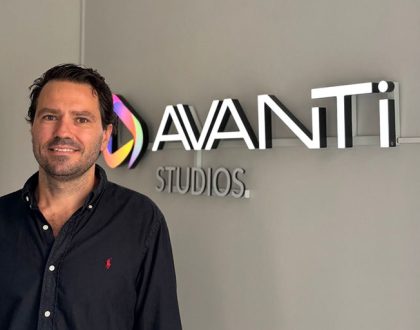
Avanti Studios appoints Jonas Ericson as Chief Financial Officer
September 2, 2026

GoldenRace partners with Bwinners to expand virtual gaming across Africa
September 2, 2026
Bally’s Intralot debt climbs as Evoke acquisition moves forward
September 2, 2026