















Romania as a Hub for European iGaming Licensing
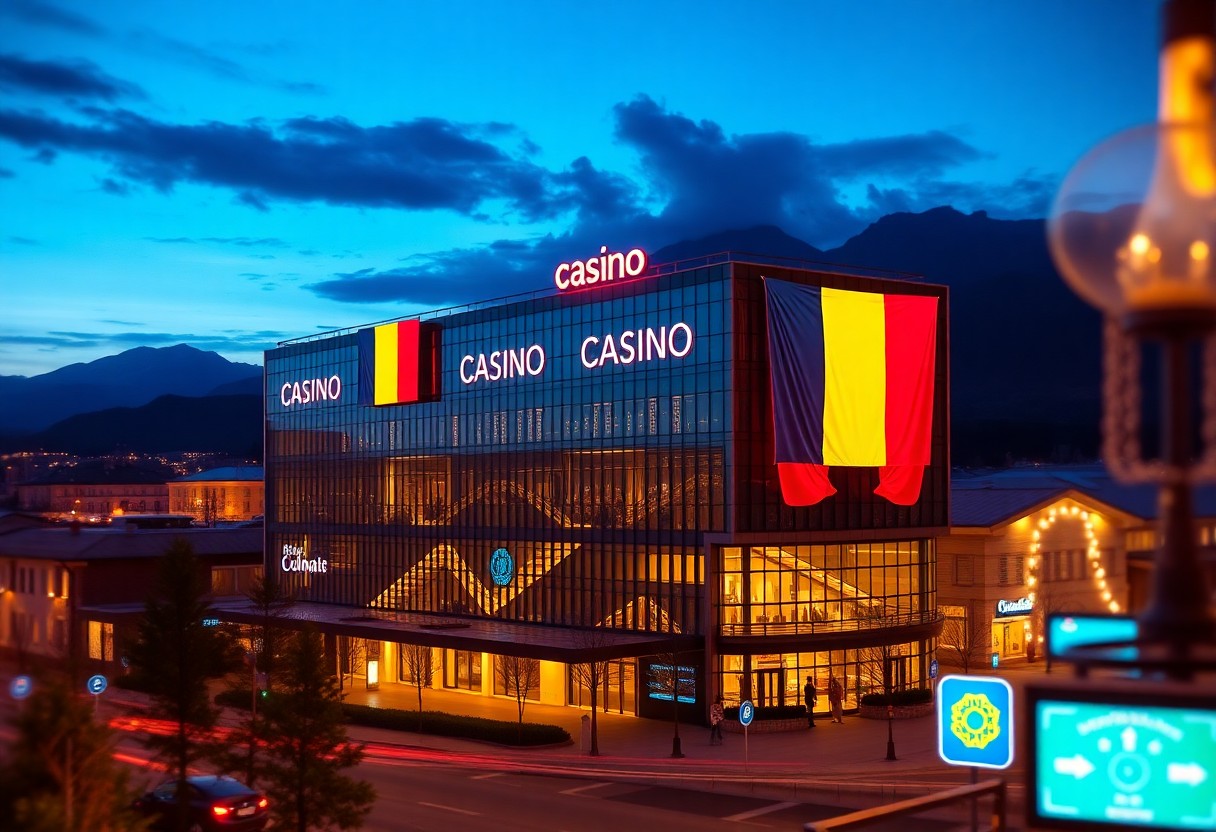
Romania has emerged as a prominent hub for iGaming operators seeking licensure in Europe. They are drawn to the country's favorable regulatory framework, which offers a stable and secure environment for online gaming businesses. She notes that the Romanian regulatory body has established clear guidelines, making it easier for operators to navigate the licensing process. They view Romania as an ideal location due to its strategic position and growing market, allowing operators to expand their reach in the European region.
Overview of iGaming in Europe
Before venturing into the specifics of Romania's iGaming landscape, it is important to understand the broader context of the European market. The European iGaming industry has experienced significant growth over the past decade, driven by advancements in technology, changing consumer behaviors, and the increasing popularity of online gaming. As a result, Europe has become a hub for iGaming operators, with many countries establishing regulatory frameworks to oversee the industry. They have been working to create an environment that balances player protection with business growth, and this has led to a proliferation of licensed operators across the continent.
The European iGaming market is characterized by its diversity, with different countries having their own unique regulatory requirements and market conditions. Despite these differences, the industry as a whole is driven by a common goal: to provide a safe and enjoyable experience for players while generating revenue for operators. They have been achieving this through the development of innovative products, investment in responsible gaming initiatives, and collaboration with regulatory bodies. As the industry continues to evolve, it is likely that Europe will remain a key region for iGaming, with new markets emerging and existing ones continuing to grow.










Current Market Trends
For instance, the current market trends in European iGaming are marked by a shift towards mobile gaming, with an increasing number of players accessing online casino and sports betting services through their smartphones and tablets. They are also seeing a rise in the popularity of live dealer games, esports, and virtual sports, which are providing new revenue streams for operators. Furthermore, the use of artificial intelligence and machine learning is becoming more prevalent, enabling operators to offer personalized experiences and improve player retention. As the industry continues to innovate, it is likely that these trends will continue to shape the European iGaming landscape.
For the most part, the European iGaming industry is driven by a combination of factors, including technological advancements, changing consumer behaviors, and regulatory developments. They are seeing a growing demand for online gaming services, particularly among younger demographics, and operators are responding by investing in new products and marketing campaigns. Additionally, the increasing importance of responsible gaming is driving innovation in this area, with operators developing new tools and strategies to promote safer gaming practices. As the industry continues to grow, it is likely that these trends will continue to influence the European iGaming market.
Regulatory Environment
One of the key factors influencing the European iGaming industry is the regulatory environment, which varies significantly from country to country. They have established different regulatory frameworks, ranging from restrictive to liberal, and operators must navigate these complex regulations to operate successfully. In general, the regulatory environment is designed to protect players, prevent problem gaming, and ensure the integrity of games. However, the diversity of regulatory frameworks can create challenges for operators, particularly those seeking to operate in multiple jurisdictions. They must ensure compliance with different regulatory requirements, which can be time-consuming and costly.
One of the main challenges facing the European iGaming industry is the need for greater regulatory harmonization, which would facilitate the creation of a more level playing field for operators. They are currently required to comply with a patchwork of different regulations, which can create confusion and complexity. Despite these challenges, the regulatory environment is continually evolving, with many countries reviewing and updating their laws and regulations to reflect changing market conditions. They are seeking to create a more effective and efficient regulatory framework, one that balances player protection with business growth and innovation.
A key aspect of the regulatory environment in European iGaming is the role of regulatory bodies, which are responsible for overseeing the industry and ensuring compliance with relevant laws and regulations. They have been working to establish clear guidelines and standards for operators, and to enforce these requirements through auditing and enforcement actions. As the industry continues to grow and evolve, the importance of effective regulation will only increase, and regulatory bodies will play a critical role in shaping the future of European iGaming. They will need to balance the need for player protection with the need for business growth and innovation, and to create a regulatory environment that is both effective and efficient.
Advantages of Romanian iGaming Licensing
Even though there are several options for iGaming licensing in Europe, Romania stands out due to its well-regulated and stable environment. They have established a clear and comprehensive framework that allows operators to conduct their business with confidence. The National Gambling Office (ONO) is the regulatory body responsible for issuing licenses and ensuring compliance with the relevant laws and regulations. He oversees the licensing process, monitors the activities of licensed operators, and takes enforcement action when necessary. This level of oversight provides a secure environment for both operators and players, making Romania an attractive destination for iGaming companies.
They have implemented measures to prevent money laundering, protect minors, and promote responsible gaming. The regulatory framework is designed to be flexible and adaptable, allowing it to keep pace with the evolving iGaming industry. She notes that the licensing process is relatively straightforward, with clear requirements and timelines, making it easier for operators to obtain the necessary licenses and start operating in the market. Additionally, the Romanian government has established a favorable tax regime, which is an vital factor for iGaming companies when choosing a jurisdiction.
Favorable Legal Framework
One of the primary advantages of Romanian iGaming licensing is the country's favorable legal framework. They have enacted specific laws and regulations that cater to the needs of the iGaming industry, providing a clear and stable environment for operators. The laws are designed to protect players, prevent fraud, and ensure fair gaming practices. He points out that the regulatory framework is based on European Union (EU) directives, which ensures compliance with EU standards and guidelines. This alignment with EU regulations provides an additional layer of security and credibility for iGaming companies operating in Romania.
They have also implemented measures to ensure the integrity of the gaming process, including requirements for random number generators, game testing, and certification. She notes that the National Gambling Office (ONO) works closely with international regulatory bodies to stay up-to-date with the latest developments and best practices in iGaming regulation. This collaborative approach enables the ONO to maintain a high level of regulatory excellence, making Romania an attractive destination for iGaming companies seeking a well-regulated environment.
Competitive Taxation
The taxation regime in Romania is another significant advantage for iGaming companies. They have implemented a competitive taxation system that allows operators to maintain a high level of profitability. The tax rates are relatively low compared to other EU countries, making Romania an attractive destination for iGaming companies seeking to minimize their tax liabilities. He points out that the tax regime is designed to encourage investment and growth in the iGaming sector, with incentives for operators to establish themselves in the country.
Even with the competitive tax rates, the Romanian government still generates significant revenue from the iGaming industry. They have implemented a gross gaming revenue (GGR) tax, which is a percentage of the operator's revenue, rather than a tax on profits. This approach allows operators to deduct their costs and expenses before calculating the tax liability, resulting in a more favorable tax environment. She notes that the GGR tax rate is relatively low, ranging from 5% to 20%, depending on the type of game and the operator's revenue, making Romania an attractive destination for iGaming companies seeking a favorable tax regime.
Technical Requirements for Licensing
There's a comprehensive set of technical requirements that operators must fulfill to obtain an iGaming license in Romania. They must demonstrate a robust and reliable infrastructure, capable of supporting a high volume of transactions and users. The operator's system must also be designed to prevent fraud and money laundering, with measures in place to detect and prevent suspicious activity. Furthermore, they must ensure that their platform is secure, with adequate protection for players' personal and financial information. The Romanian regulator, the National Gambling Office (ONJN), conducts regular audits to ensure that operators are complying with these technical requirements.
The technical requirements for iGaming licensing in Romania are strict, and operators must be able to demonstrate that they have the necessary expertise and resources to meet them. They must have a good understanding of the regulatory framework and be able to implement the necessary measures to comply with it. The ONJN provides guidance and support to operators, but ultimately, it is up to the operator to ensure that they are meeting the technical requirements. He or she must be able to demonstrate a commitment to responsible gaming practices and a dedication to protecting players.
Infrastructure and Security
By investing in a robust infrastructure, operators can ensure that their platform is stable and secure. They must have a reliable server and network infrastructure, capable of supporting a high volume of traffic and transactions. Additionally, they must have adequate disaster recovery and business continuity measures in place, to ensure that their platform can quickly recover in the event of an outage or disaster. The operator's infrastructure must also be designed to prevent unauthorized access, with robust firewalls and intrusion detection systems in place. They must also ensure that their platform is regularly updated and patched, to prevent exploitation of known vulnerabilities.
By having a secure infrastructure, operators can protect their players' personal and financial information. They must implement robust encryption measures, to protect data both in transit and at rest. The operator's platform must also be designed to prevent fraud and money laundering, with measures in place to detect and prevent suspicious activity. They must have a team of experienced professionals, who can monitor the platform and respond quickly to any security incidents. They must also have a incident response plan, to ensure that they can quickly respond to and contain any security breaches.
Compliance and Auditing
An imperative aspect of iGaming licensing in Romania is compliance with the regulatory framework. Operators must ensure that they are complying with all relevant laws and regulations, including those related to anti-money laundering and know-your-customer. They must also comply with technical standards, such as those related to software and infrastructure. The ONJN conducts regular audits to ensure that operators are complying with these requirements, and operators must be able to demonstrate that they have the necessary measures in place. They must have a compliance team, who can monitor the platform and ensure that it is complying with all relevant regulations.
An operator's compliance program must be robust and effective, with measures in place to detect and prevent non-compliance. They must have a risk-based approach, to identify and mitigate potential risks. And Also, they must have a culture of compliance, where all employees understand the importance of compliance and are committed to following the relevant laws and regulations. And they are able to demonstrate that their compliance program is effective, through regular auditing and monitoring. And by doing so, operators can ensure that they are meeting the technical requirements for iGaming licensing in Romania, and can maintain their license to operate in the country.
Market Opportunities in Romania
Many European countries have been vying for attention as attractive destinations for iGaming licensing, but Romania has managed to stand out due to its favorable regulatory environment and growing market. They have established a robust framework that allows operators to offer their services to players in a secure and regulated manner. This has led to an increase in the number of operators seeking to obtain a license in Romania, and as a result, the country has become a hub for iGaming activity in Eastern Europe. The Romanian market offers a significant opportunity for growth, with a large and tech-savvy population that is eager to engage in online gaming activities.
They have also invested heavily in their infrastructure, with high-speed internet connectivity and a well-developed payment processing system. This has made it easier for operators to provide their services to players, and for players to access a wide range of games and betting options. As a result, the Romanian iGaming market is expected to continue growing in the coming years, making it an attractive destination for operators and investors alike. The country's location in Eastern Europe also provides a strategic advantage, allowing operators to tap into a large and underserved market.
Growing Demand
Opportunities abound in the Romanian iGaming market, driven by a growing demand for online gaming services. He notes that the country's young population is driving the demand for online gaming, with many players seeking out new and exciting ways to engage in their favorite games. They are also looking for operators that can provide a safe and secure gaming environment, with a wide range of games and betting options. As a result, operators that can meet these demands are well-positioned to succeed in the Romanian market.
She points out that the growth in demand is also being driven by the increasing popularity of mobile gaming, with many players using their smartphones and tablets to access online gaming services. They are looking for operators that can provide a seamless and intuitive gaming experience, with easy-to-use interfaces and fast payment processing. Operators that can meet these demands are likely to see significant growth in the Romanian market, and are well-positioned to take advantage of the opportunities that it presents.
Emerging Trends
Behind the growth in the Romanian iGaming market are a number of emerging trends that are shaping the industry. He notes that one of the key trends is the increasing use of artificial intelligence and machine learning to personalize the gaming experience. They are using these technologies to provide players with personalized recommendations and offers, and to detect and prevent problem gaming behavior. This is helping to create a safer and more enjoyable gaming environment, and is driving growth in the market.
At the heart of these emerging trends is a focus on innovation and technology, with operators seeking to use the latest advancements to improve the gaming experience and drive growth. They are investing heavily in research and development, and are working to stay ahead of the curve when it comes to the latest trends and technologies. As a result, the Romanian iGaming market is likely to continue evolving and growing in the coming years, with new and exciting developments on the horizon. At the forefront of this evolution are operators that are committed to providing a safe and enjoyable gaming environment, and that are using technology to drive innovation and growth.
Challenges and Considerations
After obtaining an iGaming license in Romania, operators must navigate various challenges to maintain their licensure and remain competitive. They must comply with the country's regulatory framework, which includes strict rules and guidelines. The National Gambling Office (ONJN) is the regulatory body responsible for overseeing the iGaming industry in Romania, and they ensure that all licensed operators adhere to the regulations. The ONJN conducts regular audits and monitors operators' activities to prevent money laundering, ensure fair gaming, and protect players. Operators who fail to comply with the regulations risk facing fines, penalties, or even license revocation.
They must also consider the market conditions and competition in Romania. The iGaming market in Romania is growing rapidly, with many international operators entering the market. This increase in competition can make it challenging for new operators to establish themselves and attract players. Additionally, the market is subject to changes in regulation, taxation, and player behavior, which can impact operators' revenue and profitability. As such, operators must be prepared to adapt to these changes and evolve their strategies to remain competitive.
Regulatory Compliance
The regulatory compliance requirements in Romania are stringent, and operators must ensure they meet all the necessary standards. They must implement robust anti-money laundering (AML) and know-your-customer (KYC) procedures to prevent illicit activities and protect players. The ONJN requires operators to maintain detailed records of player transactions, gaming activity, and other relevant data. They must also ensure that their games and software are fair, random, and compliant with the regulatory requirements. The ONJN conducts regular audits to ensure operators are complying with the regulations, and any non-compliance can result in severe penalties.
The cost of compliance can be significant, and operators must factor this into their business plans. They must invest in staff training, technology, and infrastructure to ensure they meet the regulatory requirements. The ONJN provides guidance and support to operators to help them comply with the regulations, but ultimately, it is the operators' responsibility to ensure they are meeting the necessary standards. By prioritizing regulatory compliance, operators can maintain their licensure, protect their reputation, and build trust with players.
Market Competition
The market competition in Romania's iGaming industry is intense, with many established operators competing for market share. They must differentiate themselves through innovative products, attractive bonuses, and excellent customer service. The market is also subject to changes in player behavior, with players increasingly demanding more variety, convenience, and personalization. Operators must be prepared to adapt to these changes and evolve their strategies to meet player demands. The rise of mobile gaming and esports has also created new opportunities for operators to reach a wider audience and increase their revenue.
The competition is not limited to established operators, as new entrants are continually emerging in the market. They must be prepared to compete with these new operators, who often bring innovative products and aggressive marketing strategies. The market competition in Romania's iGaming industry is expected to continue growing, with more operators entering the market and existing operators expanding their offerings.
A key aspect of market competition in Romania's iGaming industry is the importance of localization. Operators must tailor their products and services to meet the specific needs and preferences of Romanian players. This includes offering games and content that are popular in the local market, providing customer support in the local language, and accepting local payment methods. By localizing their offerings, operators can build trust with players, increase their market share, and establish themselves as major players in the Romanian iGaming market.
Success Stories and Examples
Despite the competitive nature of the iGaming industry, Romania has emerged as a preferred destination for many operators seeking to establish a strong presence in the European market. They are drawn to the country's favorable regulatory framework, which provides a stable and secure environment for their operations. The Romanian regulatory body, responsible for overseeing the industry, has implemented a licensing system that is both stringent and transparent, ensuring that only reputable operators are granted licenses to offer their services to players in the country. This has led to a significant increase in the number of applications from both established operators and new entrants looking to tap into the growing Romanian iGaming market.
The success of Romania's iGaming industry can be attributed to the government's efforts to create a favorable business environment, coupled with the country's strategic location in Eastern Europe. They have positioned themselves as a hub for iGaming operations, with many international operators setting up shop in the country. The industry has also created a significant number of jobs, both directly and indirectly, contributing to the country's economic growth. As a result, Romania has become an attractive destination for investors and operators alike, looking to capitalize on the growing demand for iGaming services in the region.
Established Operators
With the likes of top-tier operators such as Bet365, William Hill, and Unibet already holding licenses to operate in Romania, it is clear that the country has become a key market for established iGaming companies. They have been able to leverage their experience and expertise to navigate the regulatory framework and establish a strong presence in the country. The success of these operators has also helped to attract other established players to the market, further increasing competition and driving innovation in the industry. As a result, players in Romania have access to a wide range of high-quality iGaming services, with many operators offering a suite of products and services tailored to the local market.
With a strong focus on player protection and responsible gaming, established operators in Romania have been able to build trust with their customers, which has been imperative in establishing a loyal player base. They have also invested heavily in marketing and advertising, helping to raise awareness of their brands and services among the Romanian public. This has contributed to the growth of the industry as a whole, with more players than ever before accessing iGaming services in the country. As the industry continues to evolve, it is likely that established operators will play an increasingly important role in shaping the market and driving innovation.
New Entrants
Around the same time that established operators began to enter the Romanian market, a number of new entrants also started to appear on the scene. They were attracted by the country's favorable regulatory framework and the growing demand for iGaming services among players. New entrants have been able to leverage the latest technology and innovative marketing strategies to establish themselves in the market, often targeting niche areas or demographics that were previously underserved. This has helped to increase competition and drive innovation, pushing established operators to improve their services and offerings.
Around the launch of new iGaming regulations in Romania, the number of new entrants in the market increased significantly, with many startups and smaller operators looking to capitalize on the growing demand for iGaming services. They have been able to navigate the regulatory framework and establish themselves in the market, often with the help of experienced partners or advisors. As a result, the Romanian iGaming industry has become a hub for innovation and entrepreneurship, with many new and exciting operators emerging all the time.
Examples of new entrants in the Romanian iGaming market include operators such as Superbet and Fortuna, which have been able to establish themselves as major players in the industry. They have leveraged the latest technology and innovative marketing strategies to build a strong presence in the market, often targeting younger players and those who are looking for a more modern iGaming experience. The success of these new entrants has helped to drive growth and innovation in the industry, pushing established operators to improve their services and offerings. As a result, players in Romania have access to a wide range of high-quality iGaming services, with many operators offering a suite of products and services tailored to the local market.
Conclusion
Summing up, Romania has established itself as a notable destination for iGaming licensing in Europe. They have achieved this through a combination of factors, including a favorable regulatory environment, a strong economy, and a highly skilled workforce. The country's National Gambling Office (ONJN) has implemented a clear and comprehensive framework for licensing and regulating online gaming operators, which provides a sense of security and stability for investors. He notes that this framework is continually updated to reflect the evolving nature of the industry, ensuring that Romania remains competitive and attractive to potential operators. Furthermore, the country's geographic location and cultural ties to both Eastern and Western Europe make it an ideal hub for companies looking to expand their reach across the continent.
She observes that the growth of the iGaming sector in Romania is also driven by the country's highly developed IT infrastructure and its large pool of skilled IT professionals. They have a strong foundation in software development, cybersecurity, and data analysis, which are necessary skills for the online gaming industry. As a result, many international operators are drawn to Romania's talent pool when looking to establish or expand their operations in Europe. Overall, the combination of a favorable business environment, a skilled workforce, and a well-regulated market makes Romania an attractive destination for iGaming licensing in Europe, and it is likely that the country will continue to be a key player in the industry for years to come. They expect that the sector will experience significant growth, driven by the increasing demand for online gaming services and the country's ability to adapt to the changing needs of the market.
FAQs
What makes Romania an attractive location for iGaming operators?
Romania offers a favorable regulatory framework, competitive taxation, and a stable environment, making it a prime choice for iGaming operators.
Who is responsible for regulating iGaming in Romania?
The National Gambling Office (ONO) is responsible for overseeing the iGaming industry and issuing licenses in Romania.
What is the licensing process in Romania like?
The licensing process in Romania is clear, straightforward, and relatively quick, with clear requirements and timelines for operators.
How does Romania ensure player protection in iGaming?
Romania has implemented strict regulations for player protection, including measures to prevent money laundering and protect minors.
What are the tax advantages of obtaining an iGaming license in Romania?
Romania offers a competitive tax regime, with a gross gaming revenue (GGR) tax rate ranging from 5% to 20%, which is more favorable than other EU countries.
Are there technical requirements for iGaming licensing in Romania?
Yes, operators must meet technical requirements such as robust infrastructure, secure systems, and measures to prevent fraud and money laundering.
What steps does Romania take to promote responsible gaming?
Romania has established regulations to encourage responsible gaming, including tools for self-exclusion and gaming limits.
How does Romania align with European Union regulations in iGaming?
Romania’s regulatory framework is aligned with EU directives, ensuring compliance with EU standards for player protection and business practices.
How often are audits conducted for iGaming operators in Romania?
The National Gambling Office (ONJN) conducts regular audits to ensure operators comply with technical and regulatory standards.
Can iGaming operators in Romania expand into other European markets?
Yes, Romania’s favorable legal framework and regulatory standards make it easier for iGaming operators to expand their reach in Europe.

Lela
I have over 10 years' experience proofreading and editing where spelling and grammar were paramount. This includes newspaper publication and designing advertisements. I personally write all my articles.This allows me to do in-depth research and provide premium content.
Related Posts


PopOK Gaming Announces Partnership with Bitville Gaming
October 9, 2026


