

















Blask reports Vietnam iGaming demand fell 26.2% amid XoilacTV case update
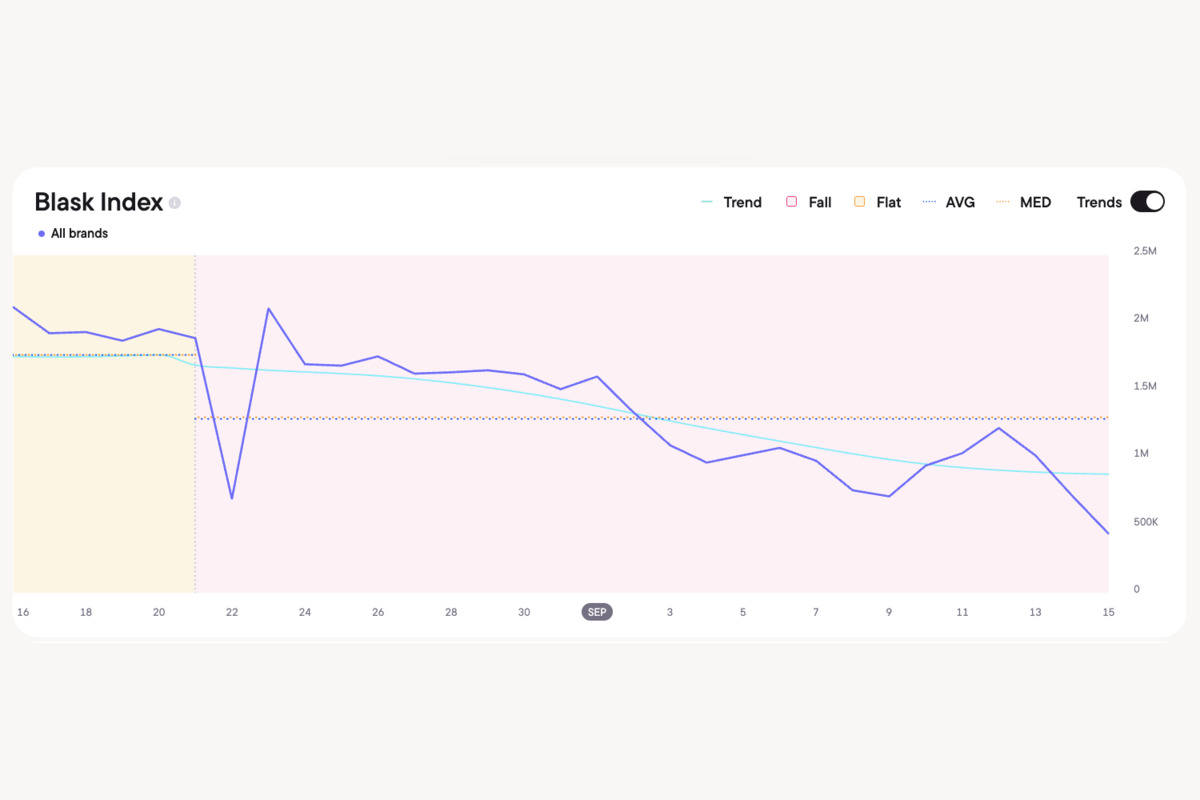
Vietnam iGaming demand recorded a 26.2% week-on-week decline during the September 7 to 13 reporting period, according to Blask Index data. The decline coincided with developments surrounding the XoilacTV investigation in Hung Yen, where authorities recommended prosecution of 74 suspects following an investigation into a network associated with unauthorized football streaming and gambling advertising.
The figures come from Blask's weekly market analysis, which tracks changes in online search interest associated with iGaming activity. The company identified Vietnam as one of the largest decliners during the week and linked the movement to continued attention around the XoilacTV case.
The correlation is notable but should not be treated as proof that the investigation directly caused the entire decline in Vietnam iGaming demand. Blask measures search-based market interest rather than confirmed betting activity, player registrations or wagering revenue. As a result, changes in public attention can reflect regulatory developments, news coverage, seasonal factors and wider market conditions.








Investigation leads to prosecution recommendation
The XoilacTV case has been under investigation since authorities moved against the network earlier in 2026. In the latest stage of the proceedings, the Hung Yen police investigation concluded with a recommendation that 74 suspects be prosecuted.
The recommendation concerns alleged offenses including infringement of copyright and related rights, organizing gambling, gambling and dissemination of obscene materials. At this stage, the individuals involved should be described as suspects or defendants subject to legal proceedings rather than as convicted offenders.
According to the investigation findings reported by Vietnamese authorities, the system was structured around a number of websites and related projects. Two of the projects specifically identified in the investigation were “90 Phut” and “Cakhia”.
The authorities' findings stated that the systems were used to distribute football broadcasts without permission from relevant rights holders. The investigation covered activity involving a substantial number of football recordings and also examined the commercial model used to generate income.
1,529 football recordings identified
Investigators stated that websites associated with the “90 Phut” project streamed 1,529 football match recordings without permission between January 1, 2025 and February 5, 2026.
The investigation linked the broadcasts to football content for which rights were protected in Vietnam. The findings referenced rights connected with the English Premier League, K+ and FPT Telecom.
The reported number illustrates the scale of the content operation examined by investigators. It also demonstrates why the case extends beyond a conventional copyright dispute, as authorities examined the relationship between unauthorized sports content and the commercial promotion of online gambling platforms.
The legal consequences will ultimately depend on the judicial process. A recommendation for prosecution is an important procedural stage, but it does not by itself establish guilt.
Gambling advertising formed part of the business model
Investigators also reported that gambling advertising generated significant revenue through the two projects.
The “90 Phut” system was reported to have generated more than VND69 billion, equivalent to about US$2.6 million, from advertising for online gambling websites during the period from April 2025 to January 2026.
The “Cakhia” project was reported to have generated more than VND64 billion, or roughly US$2.4 million, during a similar period.
Combined, the investigation attributed more than VND133 billion to gambling advertising connected with the two projects. That total is approximately US$5 million based on the conversion used in reporting around the case.
These figures are allegations and investigative findings rather than independently established financial results. Their significance within the case is that they indicate how online sports audiences were allegedly monetized through advertising connected with gambling platforms.
The case therefore highlights a regulatory issue involving several layers at once. Copyright protection, unauthorized content distribution and gambling-related promotion can intersect where streaming websites attract large audiences and use those audiences for advertising revenue.
Why the case matters to Vietnam iGaming demand
The timing of the enforcement developments is particularly relevant to the latest Vietnam iGaming figures because Blask reported the 26.2% decline during the same weekly window in which the prosecution recommendation received attention.
Blask Index is designed to measure iGaming market demand through search activity. The methodology uses large-scale search data to assess market engagement and changes in brand interest. The metric is therefore different from conventional gambling statistics such as gross gaming revenue, player deposits or total betting turnover.
This distinction is essential when interpreting the Vietnam result. A decline in the Blask Index does not necessarily mean that gambling participation declined by the same percentage.
Instead, the figure indicates a reduction in the level of measured search interest during the reporting period. News events can influence such interest quickly, particularly when major enforcement actions generate substantial public attention.
Blask states that its Index is based on AI-analyzed Google search data and is updated hourly. The company also describes the measure as a barometer for engagement and interest across brands in individual markets.
Enforcement can affect online visibility
The XoilacTV investigation also illustrates how enforcement action can alter the digital environment surrounding gambling promotion.
Unauthorized streaming websites may attract audiences through live sports content while displaying advertisements, links or other promotional mechanisms. When authorities disrupt such networks, some of the channels through which users encounter gambling-related promotions can disappear or become less visible.
That does not automatically mean that demand has been eliminated. Users may shift to different websites, brands or search terms. Other operators may also continue to attract attention through separate channels.
For that reason, the decline recorded by Blask should be understood as a market-interest measurement rather than a definitive assessment of the size of Vietnam's gambling economy.
The broader regulatory impact may become clearer over time as authorities move from investigation and prosecution recommendations toward judicial decisions and any related enforcement measures.
Legal process remains the key factor
The recommendation involving 74 suspects marks a significant procedural development, but the legal process is not complete simply because investigators have concluded their work.
Prosecutors and courts have separate roles in determining how the case proceeds. Individual defendants may also face different allegations and different charges depending on the evidence attributed to their activities.
Vietnamese reporting on the investigation has indicated that different individuals were linked to different functions within the broader system, including operational, technical and managerial activities.
Such distinctions matter from a legal perspective because responsibility is determined according to the evidence and the alleged conduct of each individual. Broad descriptions of a network should therefore not be interpreted as proof that every person associated with it had the same role or legal exposure.
The same principle applies to the financial figures cited in the investigation. Reported amounts describe sums that investigators say were generated through the activities under examination. They should not be presented as final judicially established amounts unless a court ultimately confirms them.
Implications for the digital gambling market
The case also raises broader questions for businesses operating in or around Vietnam's digital gambling ecosystem.
For legitimate market participants, the enforcement action demonstrates the legal and reputational risks associated with advertising channels that may not have clear licensing or rights arrangements.
For consumers, the investigation reinforces the importance of distinguishing legitimate digital services from websites operating outside the established legal framework.
For advertisers and technology providers, the case may encourage greater scrutiny of traffic sources, promotional placements and the ownership of digital properties. Advertising partnerships can create regulatory exposure when the surrounding website is alleged to facilitate unlawful conduct.
The development may also influence the way Vietnam iGaming demand is interpreted by analysts. In fast-moving markets, search data can respond rapidly to enforcement, publicity and changing consumer awareness.
A single week of negative movement therefore provides a useful signal but cannot establish a long-term trend on its own.
What the 26.2% decline actually indicates
The most important analytical point is that the 26.2% decline refers to Blask's measured market demand indicator rather than a verified 26.2% reduction in wagering.
The distinction protects against overinterpreting search-based data. Search behavior can rise or fall for numerous reasons and public-interest events can have an outsized short-term effect.
The Vietnam result should consequently be considered alongside longer-term Index movements, regulatory developments and broader consumer trends.
Blask's own Vietnam market data continues to track market engagement across the country and provides a wider context for evaluating short-term movements. Looking beyond one reporting week can help determine whether the decline represents a temporary reaction to enforcement coverage or part of a more sustained change in market interest.
Conclusion
The latest Vietnam iGaming data places a measurable decline alongside a major enforcement development involving the XoilacTV network. Blask reported a 26.2% week-on-week fall in Vietnam during September 7 to 13 while Vietnamese authorities advanced a case involving 74 suspects and alleged unauthorized streaming, gambling-related activity and other offenses.
The reported investigation findings include 1,529 football recordings allegedly streamed without permission and more than VND133 billion attributed to gambling advertising across the “90 Phut” and “Cakhia” projects. Those figures help explain why the case has attracted attention within the broader digital gambling and online media environment.
At the same time, the available evidence does not establish that the enforcement action was solely responsible for the decline in Vietnam iGaming demand. Blask Index measures search interest, not confirmed gambling expenditure or revenue, meaning the 26.2% movement should be interpreted as an indicator of changing attention rather than a direct measure of consumer wagering.
The next stage of the legal process will provide further clarity on the allegations and individual responsibilities. From a market perspective, continued monitoring of search demand alongside regulatory and legal developments will be important in assessing whether the September decline was temporary or reflected a wider change in Vietnam's online gambling landscape.
FAQs
What happened in the XoilacTV case?
Vietnamese authorities in Hung Yen recommended prosecution of 74 suspects following an investigation into a network associated with unauthorized football streaming and gambling advertising.
How many football recordings were allegedly streamed without permission?
Investigators reported that 1,529 football match recordings were streamed without authorization through websites associated with the “90 Phut” project during the period examined.
How much revenue was reportedly generated from gambling advertising?
Investigators attributed more than VND133 billion, approximately US$5 million, to gambling advertising connected with the “90 Phut” and “Cakhia” projects.
What is Blask Index?
Blask Index is a market-demand measurement that uses search data to assess interest in iGaming brands and markets across different countries.
Did Vietnam iGaming demand fall by 26.2%?
Blask reported a 26.2% week-on-week decline in Vietnam iGaming demand during the September 7 to 13 reporting period.
Does the 26.2% decline mean gambling revenue fell by 26.2%?
No. The Blask Index measures search-based market interest rather than confirmed wagering revenue, deposits or betting turnover. The figure should therefore not be interpreted as a direct measurement of gambling revenue.
What were “90 Phut” and “Cakhia”?
“90 Phut” and “Cakhia” were two projects identified in the investigation into the broader streaming network. Authorities examined their alleged use of unauthorized football broadcasts and gambling advertising.
What charges were reported in the investigation?
The reported allegations include copyright infringement and related offenses, organizing gambling, gambling and distributing obscene material. The legal status and responsibility of individual suspects remain subject to the judicial process.
Could the enforcement action have affected iGaming search demand?
The timing of the enforcement developments and the reported decline in search demand overlap. However, the available data does not establish that the investigation was solely responsible for the 26.2% movement in the Blask Index.
What could happen next in the XoilacTV case?
Following the investigation and prosecution recommendation, the relevant legal authorities will determine how proceedings continue. Any individual liability or final findings will depend on the subsequent legal process and judicial decisions.

Claire
A highly motivated, results-driven, enthusiastic and ambitious writer. I can offer you well researched and high-quality article writing on any topic for your website or blog and can as well re-write your existing web content.
Related Posts
Belarus iGaming demand jumps as Lukashenko targets Maxline advertising
September 16, 2026

Alea Brings ‘Luck Decoded’ to SBC Summit Lisbon
September 16, 2026
GGL court defeats expose weaknesses in German gambling enforcement
September 15, 2026

BetConstruct AI to Exhibit Full Ecosystem at G2E Vegas 2026
September 14, 2026

Ace Games enters iGaming with 25+ titles and real-player testing model
September 14, 2026

Uplatform launches ‘Zoom In’ reports to decode the global iGaming market
September 14, 2026

BetConstruct AI Heads to SBC Summit Lisbon 2026
September 14, 2026

BETER secures Ontario supplier registration for Canadian market expansion
September 14, 2026

Donald Tusk raises gambling tax proposal during EU budget debate
September 11, 2026