Crypto Wallets – A Double-Edged Sword for Digital Transactions
Payment agents can create financial-crime risks where transaction monitoring, due diligence and oversight are inadequate. For related analysis, read our payment service provider coverage and consult the FATF recommendations. The position depends on the business model, jurisdiction and current controls.
Crypto wallets can support digital transactions while creating security, custody, fraud and compliance risks that depend on how the wallet and service are operated. For related analysis, read our crypto payment coverage and consult the FATF recommendations. This article distinguishes general risks from facts about particular services.
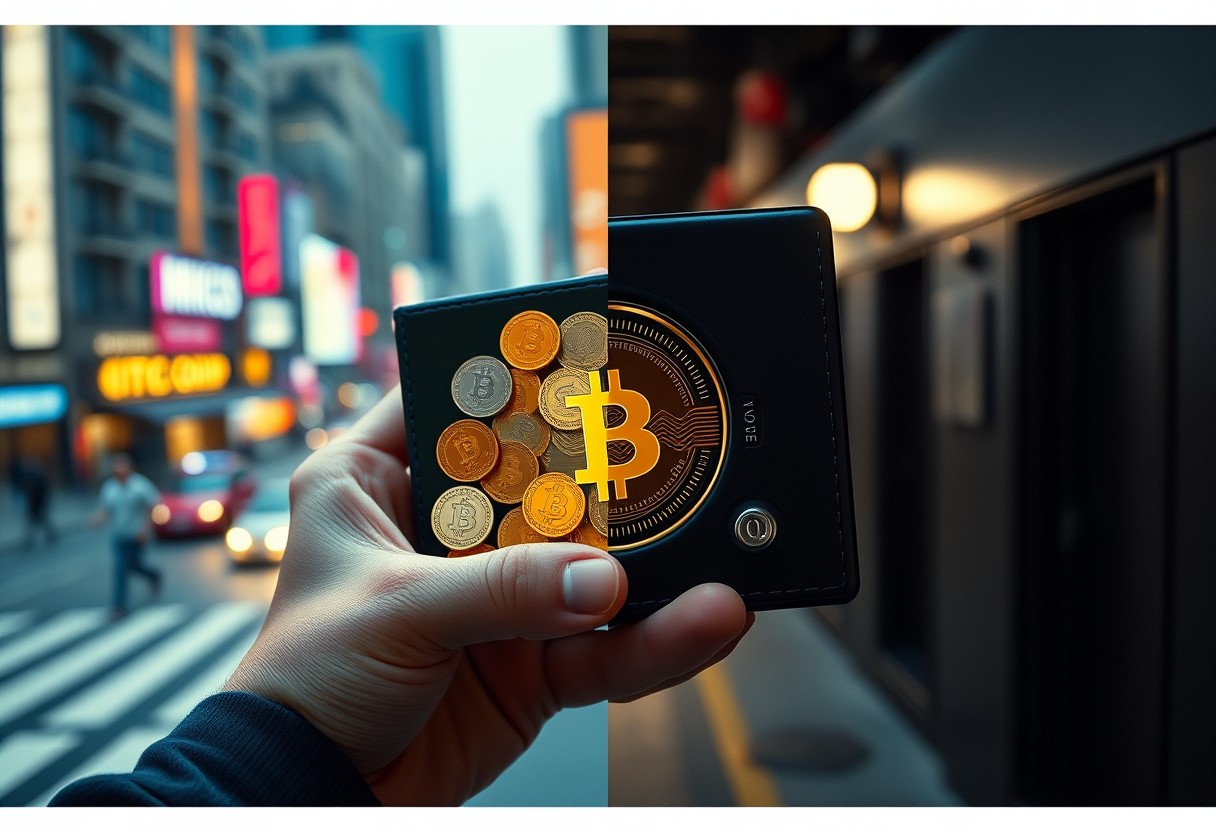
Privacy is one of the most compelling reasons to adopt cryptocurrencies, but it comes with its own complexities. As I research into the world of crypto wallets, I recognize how they serve as vital tools for managing digital assets while also posing potential risks. You may find yourself grappling with choices that affect your security and anonymity in transactions. In this post, I will explore the dual nature of crypto wallets—highlighting their advantages and dangers to help you navigate the intricate landscape of digital finance.








Understanding Crypto Wallets
Before stepping into the world of crypto transactions, it's necessary to understand what crypto wallets are and how they function. A crypto wallet is a digital tool that allows you to store, send, and receive cryptocurrencies. Unlike traditional wallets, they do not hold physical currency; instead, they store your cryptographic keys that unlock your digital assets. Understanding the nuances of these wallets is crucial for anyone looking to navigate the cryptocurrency landscape safely.
Types of Crypto Wallets
I believe it is important to familiarize yourself with the different types of crypto wallets available. Each type has its unique features, benefits, and drawbacks:
- Hot Wallets
- Cold Wallets
- Hardware Wallets
- Software Wallets
- Paper Wallets
Perceiving these distinctions can help you make informed choices for securing your digital assets.
| Type | Description |
|---|---|
| Hot Wallet | Connected to the internet for quick access and transactions. |
| Cold Wallet | Offline storage, safer from hacks but less convenient. |
| Hardware Wallet | Physical devices that store private keys securely. |
| Software Wallet | Applications that enable you to manage your crypto easily. |
| Paper Wallet | A physical copy of your keys, useful for long-term storage. |
How Crypto Wallets Work
With an understanding of wallet types, let's explore how crypto wallets function. Essentially, these wallets generate and manage your cryptographic keys: a public key for receiving funds and a private key for signing transactions. When you initiate a transaction, your wallet uses your private key to create a digital signature, verifying your ownership of the funds. The completed transaction is then broadcasted to the blockchain network to confirm the transfer of assets.
Types of wallets operate differently based on their design and storage method. Hot wallets are user-friendly but less secure, while cold wallets prioritize security but require more steps to access your assets. Knowing how your wallet interacts with the blockchain gives you more control over your digital assets. I recommend evaluating your needs carefully, ensuring that you choose a wallet that balances convenience and security based on your transaction habits.
Benefits of Using Crypto Wallets
Some of the key benefits of using crypto wallets include enhanced security, user control over funds, and ease of transactions. Crypto wallets allow individuals to manage their digital assets without relying on third-party services, which can be vulnerable to hacks and fraud. Moreover, wallets come in various forms, such as hardware and software options, providing flexibility based on your needs and preferences.
Security Features
Wallets provide a multitude of security features that can help protect your digital assets. From strong encryption and two-factor authentication to multi-signature functionalities, these safety measures significantly reduce the risk of unauthorized access. I find that investing in a reputable wallet not only offers peace of mind but also safeguards my investments in the volatile world of cryptocurrencies.
Anonymity and Privacy
Crypto transactions often allow for a higher degree of anonymity compared to traditional banking methods. This can be a double-edged sword, but it can also provide you with more privacy in your financial dealings.
Privacy is paramount in today's digital age, especially as cyber threats become more sophisticated. By using crypto wallets, you can control how much information you choose to disclose while conducting transactions. While blockchain technology ensures transparency among users, it also permits a level of anonymity that can protect your financial privacy. By managing your transactions through a crypto wallet, you can keep your financial activity discreet, making it an attractive option for privacy-conscious individuals.
Risks Associated with Crypto Wallets
Little do many users realize that while crypto wallets offer convenience and security, they also harbor significant risks. The decentralized nature of cryptocurrency can leave individuals vulnerable to a myriad of threats, from hacking attempts to losing access to their funds. Understanding these risks is crucial for anyone seeking to participate in the world of digital transactions, as having a crypto wallet can feel like balancing on a razor's edge.
Vulnerability to Hacks
The increasing popularity of cryptocurrency wallets has made them prime targets for hackers. Sophisticated cyber attacks can exploit weak passwords, outdated software, or even social engineering tactics to gain unauthorized access to your funds. The stakes are high, and the impact of a successful hack can be devastating: losing your hard-earned cryptocurrency often comes with little to no recourse for recovery.
Loss of Access
On many occasions, users find themselves locked out of their wallets due to lost passwords or misplaced recovery keys. This scenario can be particularly disheartening, especially if you've invested significant time and resources into your digital assets. As your wallet is the key to accessing your cryptocurrency, losing this access effectively means losing your investment.
Another factor that exacerbates the issue of loss of access is the limited support from wallet providers. Unlike traditional banks, most crypto wallet services do not offer customer support for recovering lost accounts. If you've neglected to create proper backups or securely store your recovery phrases, you might find yourself permanently locked out of your funds. This underscores the importance of being proactive and diligent about your wallet management to safeguard your cryptocurrency investments effectively.
Best Practices for Managing Crypto Wallets
Not maintaining best practices when managing your crypto wallets can lead to significant risks, including loss of funds and identity theft. To ensure your assets remain secure, I recommend adopting a comprehensive strategy that includes selecting the right wallet, performing regular backups, and consistently updating your security measures. These steps will strengthen your defenses and provide you with peace of mind as you navigate the world of cryptocurrencies.
Choosing a Reliable Wallet
Choosing the right wallet is crucial for safeguarding your digital assets. I suggest researching various wallet options, including hardware, software, and paper wallets, to determine which best aligns with your security needs and usage habits. Look for features like two-factor authentication, encryption methods, and a reputable track record, as these can significantly enhance your wallet's overall security.
Regular Backups and Updates
Regular backups and updates are vital for maintaining wallet integrity. I always make it a point to back up my wallet's recovery phrases and private keys in secure locations, ensuring I can recover my assets if needed. Additionally, keeping your wallet software up to date helps mitigate vulnerabilities and ensures you have the latest security features to protect your funds.
Updates to your wallet's software should not be overlooked, as they often include important security patches that protect against emerging threats. I recommend checking for updates regularly and enabling automatic updates whenever possible. By staying proactive, you ensure that your wallet remains secure and efficient, allowing you to focus on your digital transactions without unnecessary worry.
The Future of Crypto Wallets
Many experts believe the future of crypto wallets will involve greater integration with traditional financial systems. As digital currencies become more mainstream, wallets will likely evolve to support a wider array of assets and offer enhanced security features. Moreover, user experience will significantly improve, making it easier for casual users to navigate the complexities of digital transactions and maintain ownership of their assets in a secure and efficient manner.
Emerging Technologies
Any discussion about the future of crypto wallets must consider the role of emerging technologies such as artificial intelligence and blockchain interoperability. These innovations can enhance user security, streamline transaction processes, and provide advanced analytics for better asset management. As these technologies develop, they have the potential to reshape how we perceive and utilize crypto wallets.
Regulation and Compliance
An increasingly critical aspect of the future of crypto wallets is regulation and compliance. As governments worldwide seek to implement standardized measures for digital currencies, wallet providers will need to adapt to fulfill legal requirements while ensuring user privacy and security.
This regulatory landscape can create both challenges and opportunities for wallet users. Compliance with regulations may lead to enhanced security features and consumer protections, while also potentially limiting certain functionalities. It's crucial for you to stay informed about ongoing regulatory changes to navigate the complexities of your digital transactions effectively and to choose wallet providers that prioritize compliance without sacrificing usability.
Summing up
Now that we've examined the advantages and disadvantages of crypto wallets, it's clear that these tools serve as a double-edged sword for digital transactions. I urge you to consider both the security and accessibility they provide against the potential risks and complexities that can arise. Your choice of wallet can significantly impact your cryptocurrency experience, so it's necessary to stay informed and choose wisely. By understanding these dynamics, you can navigate the crypto landscape with greater confidence and security.

Michael Schmitt
Michael Schmitt is the founder of TRIDER.UK and Editor of Malta Media. He writes about iGaming, gambling regulation, corporate structures, financial services and market integrity, combining investigative journalism with nearly three decades of experience in corporate services and international business.