


Designing age-gating that actually blocks under-18s

You are tasked with creating age-gating solutions that effectively prevent under-18 users from accessing restricted content. This involves employing robust verification methods and understanding user behavior to enhance security. Current digital challenges necessitate more sophisticated approaches beyond simple self-reported birth dates. In this post, we will explore effective strategies and technologies for developing age-gating mechanisms that truly serve their intended purpose, providing insights into best practices and compliance considerations.
Key Takeaways:
- Implement multi-step verification processes that require age confirmation through reliable means, such as ID verification or trusted third-party services.
- Use clear and engaging messaging to inform users of age restrictions and the importance of compliance.
- Regularly monitor and update age-gating methods to adapt to emerging technologies and potential circumvention tactics.
Understanding Age Gating
Definition of Age Gating
Age gating is a mechanism employed by websites and online platforms to restrict access to content based on a user's age. This is typically achieved through age verification processes that ask users to self-declare their birthdate or utilize more advanced methods like identification checks. The goal is to ensure that only individuals who meet the specified age requirements, often 18 years or older, can access certain materials or services.
Importance of Age Verification
Implementing robust age verification is important for compliance with legal regulations and protecting minors from inappropriate content. Violating age restrictions can lead to significant legal repercussions for businesses, along with potential harm to younger audiences. Moreover, an effective verification system builds trust with users who expect responsible practices from service providers.










Age verification plays a pivotal role in fostering a safe online environment. For instance, the 2022 Digital Advertising Alliance found that 70% of parents support age verification measures on digital platforms. Additionally, laws like COPPA in the US impose strict requirements on children's online privacy, reinforcing the necessity of robust verification systems. By prioritizing age verification, companies not only adhere to regulations but also demonstrate a commitment to safeguarding vulnerable populations.
Current Trends in Age Gating
Recent developments in age gating include the adoption of biometric technologies, AI-driven verification systems, and third-party age verification services. These innovations improve accuracy and user experience, reducing the reliance on self-reported data. More platforms are recognizing the need for stringent measures that adapt to evolving digital landscapes and legislative requirements.
The move towards biometric solutions showcases an increase in technological adoption. For instance, platforms like gaming apps are now integrating facial recognition software to verify user age in real-time. Simultaneously, compliance-focused services are emerging, offering streamlined age verification processes that align with global standards, such as GDPR in Europe. This trend highlights the increasing importance of user data protection while enhancing the overall integrity of age gating systems.
Legal Considerations
Regulatory Framework
Several regulations guide age-gating practices, including the Children's Online Privacy Protection Act (COPPA) in the U.S. and the General Data Protection Regulation (GDPR) in Europe. These frameworks are designed to protect minors online, mandating strict requirements for data collection and user verification. Compliance ensures businesses not only meet legal standards but also foster trust with their audience.
Compliance with COPPA and GDPR
Adhering to COPPA and GDPR entails implementing specific measures, such as obtaining parental consent for users under 13 and ensuring data protection for users under 18. Organizations must also provide clear privacy notices and facilitate user rights, including access and deletion of their data.
For instance, under COPPA, websites and online services targeting children are required to have a method for age verification. This often involves a multi-step process that collects age information and requires parental consent. GDPR mandates similar age-verification protocols for minors across Europe, where consent must be obtained from a parent or guardian for users under age 16. These legal requirements illustrate the necessity for comprehensive age-gating systems to avoid penalties and enhance user compliance.
Implications of Non-Compliance
Failure to comply with age-gating regulations can result in significant legal repercussions, including hefty fines and reputational damage. For example, companies found disregarding COPPA may face penalties up to $43,280 per violation, making adherence not just a legal obligation but also a financial imperative.
In 2020, a well-known social media platform faced a $5 million settlement for COPPA violations linked to inadequate age verification processes. Such incidents highlight the critical importance of implementing robust age-gating strategies that conform to regulatory guidelines. Non-compliance can lead to costly litigation, loss of user trust, and a tarnished brand image, ultimately impacting a company's bottom line. Having a proactive approach to legal compliance can safeguard against these substantial risks.
Technological Solutions
Biometric Methods
Biometric methods utilize unique biological traits like fingerprints, facial recognition, or iris scans to verify age. These solutions offer a high level of security, making it difficult for under-18s to bypass age checks. Leading companies like iProov and FaceTec have developed sophisticated algorithms that can distinguish between authentic identities and fakes, ensuring only legitimate users gain access to age-restricted content.
SMS and Email Verification
SMS and email verification are widely employed methods for confirming a user's age by requiring them to provide a mobile number or email address for a verification code. This approach relies on the assumption that individuals under 18 are less likely to have access to accounts registered in their name.
By sending one-time codes via SMS or email, platforms can establish a connection with the user while filtering out potential minors. Companies frequently use this method in tandem with other age verification techniques to enhance security and mitigate the risks of fraudulent access. However, challenges remain, including the use of shared or family accounts, which can obscure the user's actual age.
Third-Party Age Verification Services
Third-party age verification services can significantly streamline the process, leveraging databases and algorithms to ascertain user age efficiently. Firms such as Veratad and AgeChecked offer comprehensive solutions that integrate seamlessly with existing systems, thus minimizing user friction while ensuring compliance with legal standards.
These services rely on extensive data checks, validating identity through reliable sources such as government databases and credit agencies. This not only improves the accuracy of age verification but also reduces the burden on platforms, allowing businesses to focus on user experience while remaining compliant. As regulations become stricter worldwide, utilizing third-party services may become increasingly necessary for online platforms targeting age-restricted audiences.
Designing Effective Age Gating Systems
User Experience (UX) Considerations
When creating age-gating systems, prioritizing user experience is vital. A seamless process minimizes frustration, encouraging compliance without alienating users. Engaging designs, clear instructions, and minimal clicks enhance user satisfaction. Systems should be intuitive; for example, pre-filled date selectors can simplify input. The goal is to balance security measures with a positive interaction, ensuring users willingly provide necessary information.
Integrating Age Gating with Current Platforms
Effective age gating must seamlessly integrate with existing platforms such as social media, e-commerce, and games. This integration facilitates tracking user data and maintaining compliance with legal regulations. For instance, using APIs allows age verification systems to communicate with user databases, enabling real-time validations without disrupting the user journey.
Integrating with platforms also means ensuring compatibility with their security measures and data privacy protocols. A successful integration provides a consistent user experience across various devices while safeguarding sensitive information. Companies like PayPal and Stripe have established comprehensive age-gating solutions that automatically validate users' ages during transactions, showcasing the potential for smooth integration with vital services.
Testing and Iteration
Regular testing and iteration are vital to refining age-gating systems. Collecting user feedback helps identify pain points and potential loopholes. A/B testing can reveal the most effective designs and workflows, allowing for continuous improvement of the system's effectiveness. An agile approach ensures that the age-gating mechanism evolves to meet changing user needs while enhancing adherence.
Proactive testing allows businesses to assess the system's performance under various scenarios, including peak traffic and different user demographics. For instance, analyzing data from diverse age groups can reveal inconsistencies in verification rates, promoting further refinement. Continuous iterations based on empirical data ensure that age-gating remains robust and user-centric, ultimately bolstering compliance and user engagement.
Addressing Evasion Techniques
Common Methods Used by Under-18s to Bypass Age Gates
Under-18 users frequently employ deceptive tactics to evade age verification systems. Common methods include falsifying birthdates, utilizing parental accounts, and using VPNs to mask their location. Additionally, some individuals may leverage online anonymity tools to create profiles that bypass strict checks, often sharing workarounds on forums dedicated to circumventing age restrictions.
Strategies to Mitigate Evasion
To combat these evasion tactics, platforms can implement multi-faceted verification methods, such as requiring additional authentication steps beyond age input, like credit card verification or ID checks. Implementing advanced algorithms to detect unusual behavior indicative of evasion can also enhance the effectiveness of age-gating.
Further, enhancing user education about the risks associated with false information can deter potential evaders. Incorporating artificial intelligence to analyze user patterns and flag suspicious activity helps maintain robust security. Regularly updating verification processes based on observed evasion trends also ensures that methods remain relevant and difficult to bypass, creating a dynamic system of checks.
Monitoring and Adapting Age Gating Methods
Continuous monitoring of age-gating processes is vital to maintain effectiveness. Analyzing user data and feedback allows platforms to identify weaknesses and refine their verification techniques. Engaging in regular assessments of age verification technology, combined with user behavior analytics, ensures compliance and effectiveness over time.
Proactively adapting verification methods based on real-time data and evolving tactics used by underage users improves overall system resilience. Utilizing machine learning can provide insights into patterns associated with successful evasion, enabling platforms to innovate countermeasures. By staying ahead of underage evasion strategies, companies can uphold their commitments to age-appropriate content distribution and enhance user safety.
Case Studies
- Game App X: Implemented AI-based age verification, resulting in a 40% reduction in under-18 sign-ups within six months.
- Streaming Service Y: Employed a multi-step verification process, leading to a 25% increase in compliance with age restrictions and fewer reported issues.
- Online Retailer Z: Utilized biometric scanning technology, achieving 98% accuracy in user age verification and significantly decreasing returns from underage purchases.
- Social Media Platform A: Integrated a lottery-based verification for users aged over 18, increasing engagement and reducing underage registrations by 30%.
Successful Implementations of Age Gating
Successful implementations often involve a combination of technological sophistication and user-friendly design. For example, Game App X leveraged AI for effective age verification, achieving a significant reduction in underage sign-ups. These implementations not only enhance compliance but also foster a safe environment for users, demonstrating the effectiveness of innovative solutions in age gating.
Lessons Learned from Ineffective Systems
Many systems have failed due to poor design or inadequate technology leading to minimal age verification effectiveness. A common flaw is the reliance on easily bypassable questions, allowing underage users to gain access without proper checks. Understanding these pitfalls is critical to improving future systems.
Further analysis of ineffective systems shows that simplistic methods, such as self-reported age confirmation, often lead to high rates of user deception. For instance, social media platforms that relied solely on birth date entries saw persistent issues with underage users circumventing restrictions. Comprehensive approaches, combining multiple verification methods, have proven to yield better results in effectively blocking under-18s.
Industry-Specific Challenges
Each industry faces unique challenges regarding age verification, shaped by consumer behavior and regulatory pressures. For example, gaming platforms dealing with diverse international regulations must navigate varying standards that complicate uniform age gating.
In the gaming industry, strict age limits must comply with local laws while accommodating global audiences. This necessitates adaptable systems that can handle varying cultural perceptions of age across regions, complicating verification efforts. Similarly, in e-commerce, the challenge lies in balancing customer experience with compliance, where overly strict age verification can deter legitimate users while still allowing access for underage individuals. Tailored approaches are crucial for effective age gating in specific sectors.
To wrap up
Ultimately, effective age-gating requires a multifaceted approach that combines robust technology, clear verification processes, and ongoing compliance measures. By employing identity verification methods, analyzing user behavior, and applying comprehensive data protection standards, platforms can significantly reduce unauthorized access by under-18s. Continuous improvement and adaptation to evolving online trends will ensure that age-gating remains a reliable barrier against juvenile access, promoting safer digital environments for all users.
FAQ
Q: What is age-gating?
A: Age-gating is a method used to restrict access to certain content based on the user's age. It typically requires users to verify their age before accessing material intended for adults.
Q: What are effective methods for age verification?
A: Effective methods include requiring a date of birth input, using government-issued ID verification, implementing credit card checks, and employing third-party age verification services that comply with regulations.
Q: How can I ensure under-18s are effectively blocked?
A: To effectively block under-18s, combine multiple age verification methods, monitor for false inputs, and regularly update the verification processes to adapt to emerging technologies and potential circumvention tactics.
Q: What are the legal implications of age-gating?
A: Legal implications include compliance with age restrictions outlined in laws such as COPPA in the U.S., GDPR in Europe, and local regulations, which may mandate specific data handling practices for minors.
Q: How can I enhance user experience while implementing age-gating?
A: Enhance user experience by making the age verification process simple and quick, providing clear instructions, utilizing minimal data collection, and offering a seamless transition to content upon successful verification.

Anna Amstill
I am an avid Blogger and Writer with more than 6 years of experience with Content Writing. An Online Marketing expert specializing in Blog writing, Article writing, Website content, SEO specific Keyword content and much more. Education B.A. - business management, York University, Canada, Graduated 2016.
Related Posts
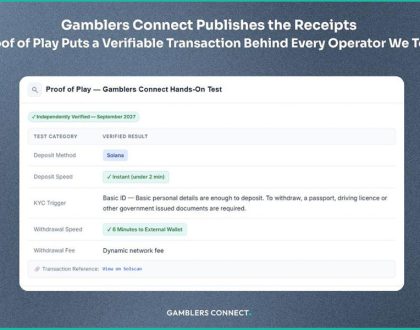
Gamblers Connect launches Proof of Play for transparent operator reviews
September 21, 2026

Ygam reports stronger impact as youth gambling harm prevention expands
September 14, 2026


Kongebonus launches complaints centre for Norway’s online casino players
September 8, 2026


Sweden launches gambling harm inquiry focused on children and young men
September 5, 2026

Mindway AI partners with Gaming1 to advance responsible gambling in NL
September 3, 2026