

















Norway’s Strict Casino Regulations
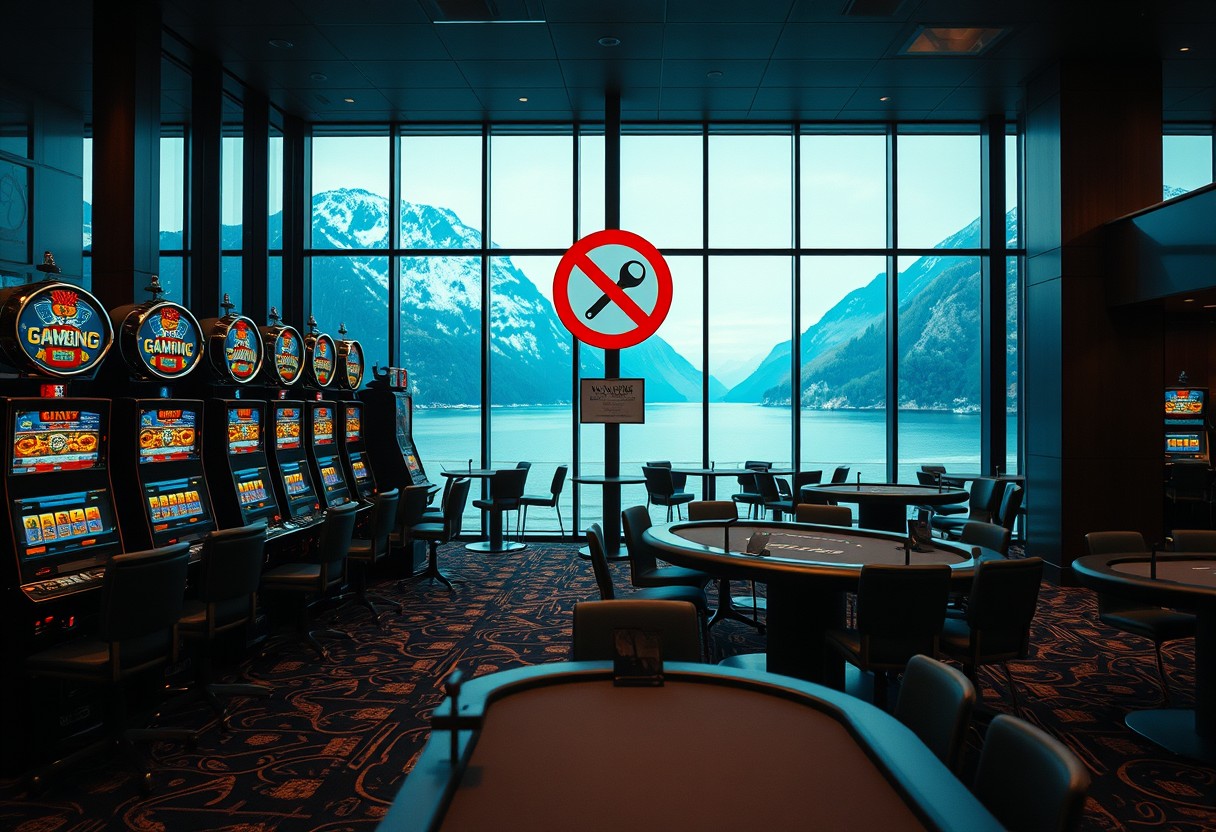
Just how effective are Norway's stringent casino regulations in promoting responsible gambling and curbing illegal activities? As you explore the complexities of the Norwegian gambling landscape, you will discover how these laws aim to protect citizens while also creating a unique environment for gaming. This blog post will examine into the impact of these regulations, their enforcement, and whether they genuinely succeed in addressing the potential risks associated with gambling. Prepare to gain a comprehensive understanding of Norway's approach to casino regulation and its implications for players and operators alike.
Overview of Norway's Casino Regulations
Your understanding of Norway's casino regulations will provide you with insight into how they maintain a safe gambling environment. These regulations aim to prevent gambling addiction while strictly limiting the number of gambling options available to residents.
Historical Context of Gambling Laws in Norway
Regulations surrounding gambling in Norway have evolved significantly since the early 1900s, reflecting the country's socio-cultural stance on gaming. The first serious gambling laws were implemented in 1902, leading to a gradual tightening of regulations over the decades to address emerging concerns regarding addiction and public welfare.









Current Regulatory Framework
Laws surrounding gambling in Norway are primarily governed by the Gambling Act of 2007, which established strict guidelines to regulate access and availability of gaming. This framework restricts most forms of gambling to state-owned enterprises, ensuring that profits benefit the Norwegian public.
To further understand Norway's regulations, here's a breakdown of the current legal structure:
| Aspect | Details |
| Gambling Act | Data is from 2007 |
| State Monopoly | Most gambling is managed by state entities |
| Preventative Measures | Focus on addiction prevention |
| Advertising Restrictions | Strict limits on gambling advertisements |
| Licensing | Only a few entities are permitted |
Types of Gambling Permitted
To engage with gambling opportunities in Norway, you need to be aware of the types of gambling that are allowed under current laws. These include state-operated lotteries, sports betting through Norsk Tipping, and regulated online games exclusively by licensed operators.
- State Lotteries
- Sports Betting
- Online Casino Games
- Charity Gambling
- Slot Machines (limited access)
After reviewing the permitted forms of gambling, it's necessary to recognize the limitations imposed on private enterprises in the gaming sector.
Permitted gaming options are further detailed below:
| Type | Description |
| State Lotteries | Operated by Norsk Tipping |
| Sports Betting | Legally available through national channels |
| Online Casino Games | Only from licensed providers |
| Charity Gambling | Regulated by the government |
| Limited Slot Machines | Available under stringent regulations |
After exploring the types of permitted gambling, you are better equipped to comprehend how the regulations shape the gaming landscape in Norway.
Objectives of Strict Regulations
Some of the primary goals of Norway's stringent casino regulations are to foster a safe environment for gambling enthusiasts while addressing the potentially harmful effects of gambling. These regulations aim to create a balanced approach that prioritizes public welfare and minimizes risks associated with gambling.
Minimizing Gambling Addiction
Strict regulations are in place to combat gambling addiction, ensuring that mechanisms such as self-exclusion and deposit limits are enforced. This proactive approach allows you to engage in gambling activities while maintaining control over your spending and minimizing the risks of developing harmful habits.
Protecting Vulnerable Populations
Objectives of these regulations include safeguarding those who might be prone to gambling-related issues, such as individuals with mental health conditions or financial vulnerabilities. By prioritizing well-being, these regulations create a safer gambling environment for everyone.
Vulnerable populations, such as those struggling with addiction or mental health issues, may find themselves more susceptible to the negative impacts of gambling. The regulations aim to implement specific support systems, such as awareness campaigns and counseling services, that help these individuals manage their gambling habits effectively while reducing the potential for harm.
Curbing Illegal Gambling Activities
Regulations are also established to curtail illegal gambling activities, which can proliferate in an unregulated environment. By enforcing strict oversight, you can feel more secure knowing that legitimate options exist and that illegal practices are being actively addressed.
Addiction and illegal gambling often go hand in hand, with unregulated venues providing no protection for players. Stricter measures serve to dismantle these illicit operations, focusing law enforcement efforts on identifying and shutting down illegal gambling rings that exploit vulnerable individuals who might seek a quick escape or thrill, thereby promoting a healthier gambling landscape.
Promoting Responsible Gambling Practices
Protecting responsible gambling practices is another paramount objective of the strict regulations. They encourage operators to adopt ethical practices and promote safe gambling as a standard to protect your interests while enjoying gaming activities.
With a focus on education and awareness, these regulations aim to create an environment where you can make informed decisions about your gambling behavior. Initiatives that highlight the importance of moderation, alongside tools to assess your gambling habits, are developed to empower you to gamble responsibly while minimizing risks and enhancing your overall experience.
Impact on the Gambling Market
Despite Norway's stringent casino regulations, the gambling market has evolved significantly, showcasing both the adaptability of players and the challenges faced by regulatory authorities. The impact on consumer behavior and market dynamics has become increasingly complex, necessitating a closer examination of various aspects.
Changes in Player Behavior
Player engagement levels have shifted, as many individuals seek alternative avenues to satisfy their gambling desires. The restrictive environment has led some players to develop more cautious gambling habits, while others have turned to unregulated online platforms, illustrating a dichotomy in behavior that poses unique challenges for regulators.
The Rise of Online Gambling
Market trends indicate a notable shift towards online gambling options, with many players opting for digital platforms to circumvent local restrictions.
A significant number of players are increasingly drawn to online gambling due to its convenience and the variety of options available. As regulations limit land-based casino operations, there has been a marked increase in players exploring offshore online casinos. This movement not only highlights consumer demand but also raises concerns about gambling addiction and protection for players that the regulated market traditionally offers.
Financial Implications for the State
Rise in unregulated gambling activities means the state faces potential losses in tax revenue, alongside challenges in enforcing regulations.
Implications of these financial losses are considerable, as revenues that could have supported public services are instead funneled into unregulated markets. The state's efforts to uphold existing regulations could inadvertently lead to a larger underground gambling economy, depriving Norway of the financial influx that could have been generated through appropriately taxed, regulated gambling in reputable establishments.
Influence on Land-Based Casinos
Gambling establishments are feeling the pressure as online gambling continues to attract a significant portion of your potential clientele, forcing them to rethink their strategies.
Plus, with online platforms gaining popularity, land-based casinos may need to innovate to maintain their relevance. This includes enhancing their customer service, offering exclusive in-person experiences, and potentially incorporating online gaming options into their business models. The competition from digital platforms compels casinos to create a unique value proposition to retain their clientele while navigating the evolving landscape of gambling in Norway.
Comparisons with Other Countries
Once again, it's important to view Norway's casino regulations within a broader context. By examining how other countries approach gambling, we can evaluate the effectiveness of Norway's strict regulations. Below is a summary comparison:
| Country | Gambling Regulations |
|---|---|
| Norway | Strictly regulated, state-controlled, minimal private sector involvement. |
| Sweden | Recently reformed to allow more private operators under strict licensing. |
| Finland | State monopoly, with a focus on responsible gambling initiatives. |
| UK | More liberalized market with comprehensive regulations for operator accountability. |
Sweden's Gambling Regulations
Countries like Sweden have taken a different route, recently reforming their gambling laws to allow private operators while ensuring strict licensing and regulation. This shift aims to provide a safer gambling environment while still generating tax revenue.
Finland's Approach to Gambling
With Finland's gambling model centered around a state monopoly, it aims to maintain control and promote responsible gambling. The government operates all gambling activities through Veikkaus, a state-run corporation.
A significant aspect of Finland's approach is its emphasis on public health and social responsibility. By strictly regulating gambling and allocating a portion of profits to social programs, Finland seeks to mitigate gambling-related harm and protect vulnerable populations.
Lessons from the UK Gambling Framework
Lessons from the UK illustrate a different gambling landscape, where the focus is on self-regulation and operator accountability in a more liberalized market. This framework encourages responsible gambling while allowing various operators to compete.
Gambling in the UK has undergone considerable scrutiny, particularly regarding the gambling industry's impact on society. The UK framework prioritizes consumer protection, responsible advertising, and the need for operators to take accountability for their practices, providing valuable insights that Norway could learn from.
The Role of European Union Policies
Approach to gambling within the European Union emphasizes regulatory frameworks that can vary significantly among member states. EU policies aim to promote fairness and consumer protection while recognizing the sovereignty of individual nations.
Policies enforced by the EU encourage member states to harmonize their gambling regulations to some extent, allowing for better cross-border cooperation and consumer protection. However, the diversity of national approaches, like those of Norway and Sweden, presents challenges for establishing a unified model that works for everyone.
Challenges of Enforcement
All efforts to regulate casinos in Norway are often challenged by various enforcement issues. These challenges undermine the effectiveness of stringent regulations, making it crucial to explore the resources required, the complexities of online gambling, public perception, and the reality of cross-border gambling activities.
Resources Required for Regulation Enforcement
One major concern is the resources required for regulation enforcement. Effective oversight demands substantial financial and human resources, including trained personnel and advanced technology. Limited budgets and staffing shortages can hinder the capability to monitor compliance and respond to violations adequately.
Issues with Online Gambling Regulation
Enforcement of online gambling regulation presents unique hurdles. Many players may access unauthorized international sites, undermining Norway's stringent regulatory framework. These unregulated platforms often offer more appealing options, making it difficult for authorities to enforce local laws consistently.
With the growing popularity of online gambling, you may find that regulatory authorities are facing a battle against foreign operators that exploit digital loopholes. These operators can easily bypass Norwegian regulations by operating outside the jurisdiction, making it challenging for regulatory bodies to ensure compliance and protect users from potential harm.
Public Perception of Regulatory Effectiveness
Issues surrounding public perception of regulatory effectiveness also play a crucial role. Many individuals perceive that the regulations fail to adequately protect players from emerging online gambling threats, leading them to question the efficacy of local laws.
This skepticism towards Norway's gambling regulation can lead to a lack of trust in authorities. When the public believes regulations are ineffective, it may encourage individuals to seek out unregulated options, further complicating enforcement efforts and undermining the intended protections.
Cross-Border Gambling Challenges
Challenges also arise from cross-border gambling, where regulations struggle to keep pace with fast-evolving international online platforms. These challenges are intensified by the ease with which individuals can access foreign gambling websites from within Norway.
Public authorities often contend with the difficulty of monitoring and regulating these cross-border activities. As online gambling becomes increasingly globalized, you may notice that Norwegian regulations struggle to enforce compliance, leaving gaps that foreign operators can exploit, which ultimately compromises intended consumer protections.
Future Considerations
Unlike many other nations, Norway's stringent casino regulations have prompted ongoing debates regarding their effectiveness and adaptability. As the landscape of gambling evolves, it becomes necessary for policymakers to assess whether existing frameworks continue to serve their intended purpose in protecting the public interest.
Potential for Policy Revisions
For you, understanding that potential revisions to gambling policies may arise in response to changing societal values and technological advancements is crucial. The need for adaptability could lead to a re-evaluation of regulations that currently govern casino operations in Norway.
Technological Advances in Gambling
Potential advancements in technology could reshape the landscape of gambling, presenting both challenges and opportunities. You should consider how new platforms and tools might impact the effectiveness of existing regulations.
A variety of technological innovations, such as virtual reality casinos and mobile gaming applications, is revolutionizing how players engage with gambling. These advancements enable you to access gambling from virtually anywhere, blurring the lines between regulated environments and illicit options. In response, regulators may need to develop more sophisticated mechanisms to ensure compliance and protect consumers in this fast-evolving market.
Impact of Social Media and Online Communities
An increasing number of online communities and social media platforms influence gambling behavior, creating new challenges for regulation. You must recognize how these digital arenas can foster both healthy discussions and unhealthy gambling practices.
Technological integration within social media allows for the rapid sharing of gambling experiences and strategies, creating communities that can affect behaviors significantly. As you engage with these platforms, it's necessary to be aware of the potential risks and rewards, prompting regulators to consider how these influences might necessitate tailored interventions to ensure responsible gambling practices are maintained.
Balancing Economic Growth with Regulation
Regulation is a key factor in balancing the potential economic benefits of a thriving gambling industry with the need for consumer protection. You might find that while Norway aims to support economic growth, it is necessary to tread carefully to avoid detrimental impacts on society.
Policy adjustments will be vital as authorities navigate this tension, recognizing the revenue potential from a regulated casino sector while implementing safeguards for vulnerable individuals. Investing in public awareness campaigns and responsible gaming initiatives can help you support a balanced approach, ensuring that economic gains do not come at the expense of social welfare.
To wrap up
Conclusively, as you navigate the landscape of Norway's strict casino regulations, it's crucial to understand their dual role—protecting players while potentially limiting your options for entertainment and gambling. While these laws aim to minimize addiction and ensure fair play, you might find that their effectiveness varies depending on individual circumstances and enforcement. Ultimately, it is crucial for you to remain informed and consider how these regulations impact your gaming experiences, whether domestically or abroad.
FAQs
What are Norway's primary gambling regulations?
Norway's gambling laws are governed by the Gambling Act of 2007, limiting most gambling to state-owned entities.
Why does Norway have such strict casino regulations?
These regulations aim to prevent gambling addiction, protect vulnerable populations, and curb illegal gambling activities.
Can private companies operate casinos in Norway?
No, most gambling operations in Norway are restricted to state-controlled entities like Norsk Tipping.
What forms of gambling are legal in Norway?
Legal forms include state lotteries, sports betting, regulated online games, and charity gambling.
How does Norway prevent gambling addiction?
Norway enforces deposit limits, self-exclusion mechanisms, and public awareness campaigns to minimize addiction risks.
Are online casinos allowed in Norway?
Only state-licensed providers can operate online casino games in Norway. Unregulated platforms are illegal.
What is the impact of Norway's gambling regulations on illegal gambling?
While the regulations aim to curb illegal gambling, some players turn to unregulated offshore sites.
How does Norway's gambling market compare to other countries?
Norway's market is more restrictive compared to countries like the UK, where private operators are licensed.
How does Norway enforce its gambling laws?
The government monitors gambling activities through strict licensing, advertising restrictions, and law enforcement efforts.
Can Norwegians gamble on international websites?
While technically illegal, many Norwegians access international gambling sites that are outside the jurisdiction of local regulations.

Lela
I have over 10 years' experience proofreading and editing where spelling and grammar were paramount. This includes newspaper publication and designing advertisements. I personally write all my articles.This allows me to do in-depth research and provide premium content.
Related Posts
Gamblers Connect launches Proof of Play for transparent operator reviews
September 21, 2026
Targetlocal Ltd faces UK Gambling Commission remote licence suspension
September 21, 2026
Irish Bookmakers Association warns as Ireland considers gambling tax rise
September 21, 2026

Germany’s gambling blocking system struggles with obvious targets
September 19, 2026
Gambling Commission reports growth across Great Britain’s gambling market
September 18, 2026

mkodo’s GeoLocs launches Fraud Shield to strengthen player risk controls
September 16, 2026
Blask reports Vietnam iGaming demand fell 26.2% amid XoilacTV case update
September 16, 2026
Belarus iGaming demand jumps as Lukashenko targets Maxline advertising
September 16, 2026