













Discover Malta’s Hidden Villages
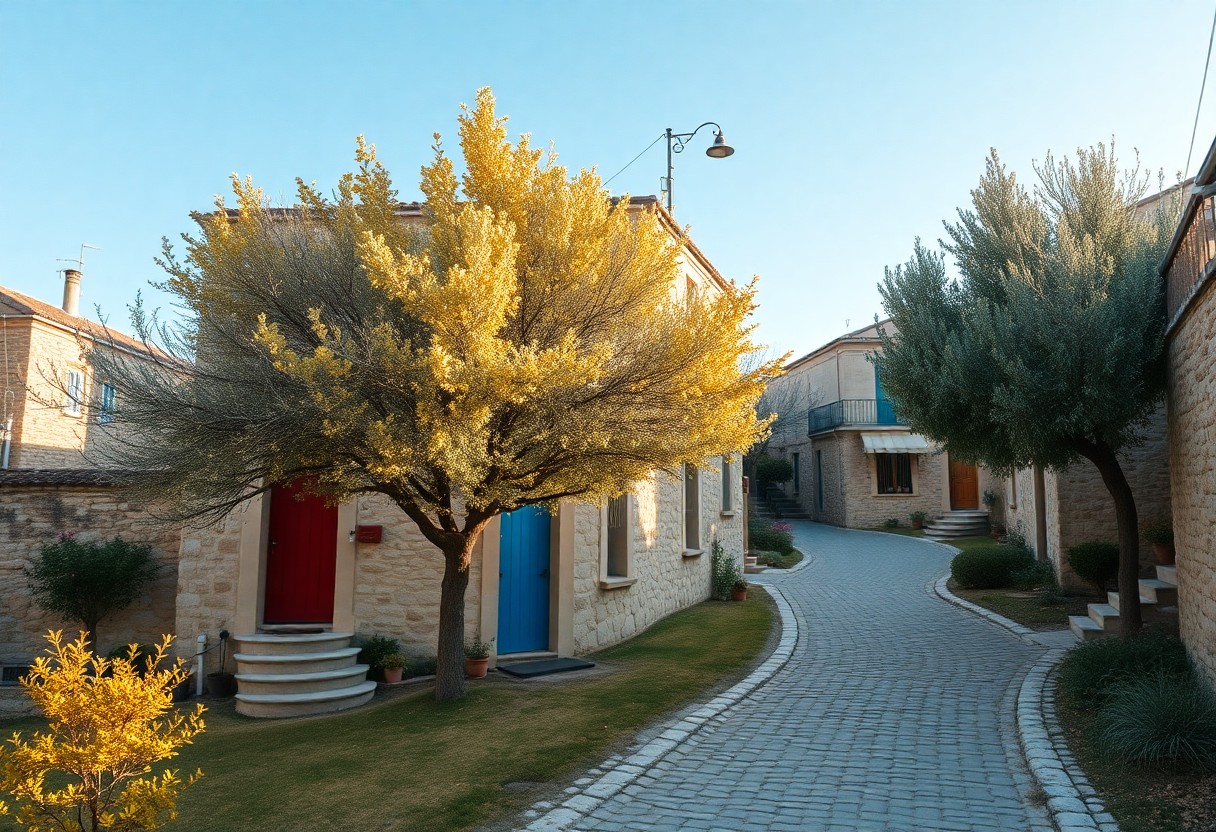
While most travelers flock to Malta's bustling cities and popular tourist spots, I find myself drawn to the island's lesser-known villages, especially during the tranquil months of autumn and winter. These enchanting locales offer a unique glimpse into the island's rich tapestry of history and culture, away from the hustle and bustle. Wandering through narrow streets adorned with charming architecture, you can feel the authentic spirit of Malta permeate the air, providing a refreshing counterpoint to the more commercialized areas. The allure of these villages lies not only in their scenic beauty but also in the stories they tell and the experiences they offer.
Historical Significance
Maltas lesser-known villages are often steeped in history, with roots that trace back hundreds of years. As you explore, you'll notice ancient churches, old stone buildings, and remnants of fortified walls, all of which provide a tangible connection to the past. Each village has its own narrative, reflecting significant events that shaped the island's history. Visiting places like Marsaxlokk or Mgarr gives you the opportunity to learn about Malta's diverse history, from the arrival of the Phoenicians through to the Knights of St. John.
The architecture in these villages is also a testament to their historical significance. You can often find traditional Maltese townhouses, characterized by their brightly colored balconies and intricately designed facades. These buildings are not just aesthetically pleasing; they represent the labor and artistry of previous generations, inviting you to appreciate the craftsmanship and heritage that have endured through time.


















Cultural Diversity
Around each corner of Malta's lesser-known villages, you'll discover a vibrant blend of cultures that reflect the island's rich history as a crossroads of civilizations. I often find myself captivated by the myriad of influences that have shaped local customs, traditions, and even cuisine. From the Arabic and Italian influences seen in dialects and culinary staples to the British legacy evident in street names and governance, these villages embody Malta's unique cultural mosaic.
Another enriching aspect of this cultural diversity is the charming festivals that occur during the autumn and winter months, often unique to each village. Engaging with locals during these celebrations allows you to witness firsthand the vibrant traditions and communal spirit that define their way of life. It offers a beautiful opportunity to experience cultural festivities that might be less commercialized than those found in city settings, creating a more intimate connection with the community.
Natural Beauty
Maltas lesser-known villages are often surrounded by breathtaking landscapes that showcase the island's natural beauty. As I meander through these picturesque locations, I am struck by the simplicity of rural life. Rolling hills, lush fields, and stunning coastal views create a serene backdrop, making the villages even more enchanting. The air is infused with the scent of wild herbs and blooming flowers, enhancing the tranquility of these hidden gems.
With every visit, I become increasingly enamored by the diverse ecosystems that encompass these villages, including rugged cliffs and serene beaches. This natural richness not only presents countless opportunities for exploration and adventure but also adds a layer of serenity that complements the historical and cultural aspects of the villages. Whether you choose to hike, bike, or simply stroll along the coast, you will undoubtedly find peace in the beautiful, unspoiled landscapes of Malta's quieter corners.
Autumn in Malta: A Transformative Experience
Assuming you are considering a trip to Malta during the autumn months, you are in for a transformative experience. This period marks the transition from the sweltering summer heat to a cooler climate, revealing vibrant landscapes brimming with seasonal changes that add to the island's charm. The lush Mediterranean countryside evolves into a tapestry of golden fields, lush green hills, and blossoming wildflowers, creating a picturesque setting perfect for exploration.
Seasonal Changes and Climate
Below the surface of Malta's vibrant culture lies an array of seasonal changes that are particularly evident in the autumn. The temperature begins to drop, moving from the high 30s°C in summer to more pleasant daytime highs of around 25°C. Evenings cool down considerably, providing a refreshing contrast, ideal for outdoor activities and enjoying the natural beauty of the Maltese landscape.
Additionally, the autumn months often bring with them occasional rain, contributing to the renewal of foliage and the flourishing agriculture that Malta is famed for. The rich, arable lands come to life as farmers harvest their crops, filling the markets with fresh produce. The scent of ripe figs and the sight of citrus fruits hanging heavy on the trees are just some of the key highlights that will envelop your senses during this enchanting season.
Festivals and Events
Any trip to Malta in the autumn would be incomplete without immersing yourself in the local festivals and events that celebrate the harvest season. One of the most notable events is the Feast of Our Lady of Victories, which takes place in September. This festival marks the end of the harvest season and features parades, traditional music, and local delicacies, giving you a taste of Maltese culture at its finest.
Indeed, you will find that autumn is dotted with a variety of local festivities across the lesser-known villages. Events such as the Marsaxlokk fish market, bustling with life and flavor, or the various harvest festivals held in rural towns allow you to connect with the locals in a vibrant and authentic atmosphere. Engaging with these events not only enriches your experience but allows you to witness the deep-rooted traditions cherished by the Maltese people.
Culinary Delights of Autumn
After exploring the seasonal changes and festivals, you cannot overlook the culinary delights that autumn has to offer. Malta's food scene is markedly influenced by the season, pushing local ingredients to the forefront of traditional dishes. Restaurants and eateries often showcase menus that spotlight hearty seasonal produce, featuring dishes rich in flavor and warmth, perfect for the cooler evenings.
Culinary experiences in Malta during autumn offer a unique blend of flavors that reflect the island's diverse heritage. From savory pumpkin ravioli to hearty rabbit stew steeped in local wine, each dish tells a story of tradition and craft. Additionally, you may want to try the numerous street food offerings available during festivals, such as stuffed vegetables or freshly baked pastries, which truly capture the essence of Maltese culture during this festive season.
Winter in Malta: The Hidden Gems
Many travelers might only consider Malta during its bustling summer months, but winter unveils a quieter, more authentic side of the archipelago with its lesser-known villages. This season allows you to experience Malta away from the usual tourist traps, where charm and serenity reign supreme. Rustic landscapes, historical architecture, and the warmth of local communities offer a delightful backdrop for an off-the-beaten-path adventure. As I explore these hidden gems, I'm always struck by the unique character of each village, especially when dressed in the soft glow of winter light.
The Quietude of the Season
The first thing I notice during winter is the tranquil atmosphere that envelops the islands. The crowded streets that define Malta's summer give way to peaceful walkways, where the gentle sounds of nature take center stage. Here in these quaint villages, you can meander through narrow alleys, admire the stunning stone facades, and fully immerse yourself in the local culture without feeling rushed. The quietude invites you to linger, to explore at your own pace without the distractions of summer tourism.
As the days grow shorter and a backdrop of blue sky meets the golden hues of the landscape, winter in Malta brings an enchanting vibe that's perfect for a reflective escape. This is the ideal time to connect with locals who are more than happy to share their stories, traditions, and recommendations. I often find myself basking in these serene moments, allowing the beauty of deserted beaches and peaceful squares to fill my senses.
Winter Festivals and Local Traditions
Quietude may characterize the season, but the vibrant festivals that pop up throughout winter add a delightful touch to the local atmosphere. One of my favorite experiences is attending local festivities where you can witness authentic Maltese culture come to life. These celebrations are brimming with music, dance, and a strong sense of community, showcasing traditions passed down through generations. It's during this time that you can engage with local artisans showcasing their crafts and even taste some traditional winter delicacies that are often hard to find during busier months.
Winter festivals, such as the feast of St. Paul's Shipwreck in Valletta, see villagers gather for a parade that honors their history. The local traditions captured at these events paint a vivid picture of Malta's rich heritage and invite you to participate in centuries-old customs while forming lasting connections with the friendly locals.
Seasonal Food and Drink
Between leisurely strolls through the villages, winter also offers a wonderful opportunity to indulge in Malta's seasonal food and drink. This is the perfect moment to explore local eateries and sample traditional recipes prepared with winter ingredients. I delight in trying hearty soups, rich stews, and the beloved pastizzi—flaky pastry filled with ricotta or peas—these warm treats are especially satisfying during the cooler months. Not to mention, wine tasting during this season showcases the island's exquisite local varieties that pair beautifully with comforting winter meals.
Hidden within the villages are superb restaurants and family-run bistros that serve up these local dishes with a warmth that is unmistakably Maltese. The convivial atmosphere often includes friendly conversations with the restaurant owners, who are eager to share their culinary secrets and stories, making your dining experience not just about the food, but about the connections formed around the table.
Getting to Know the Villages
Despite being one of Europe's smallest countries, Malta is brimming with hidden gems. The island's lesser-known villages offer an authentic glimpse into its rich cultural tapestry and tranquil lifestyle, particularly during the autumn and winter months. As I explored these charming locations, I found myself enveloped in a warm, inviting atmosphere that stands in contrast to the busier tourist districts. From rustic architecture to beautiful landscapes, each village holds its own unique story waiting to be uncovered.
Overview of Malta's Landscape
Overview of Malta's landscape is a blend of breathtaking coastlines, rolling hills, and peaceful countryside. Autumn and winter unveil a verdant side of Malta, as the fields come alive with blossoming wildflowers and lush green grass. You can take in the enchanting scenery while strolling through the narrow streets lined with ancient stone buildings, often adorned with vibrant wooden balconies, which add a pop of color to the serene backdrop.
The varied landscape features cliffs that cradle the sparkling Mediterranean Sea and valleys that cradle quaint farmhouses and local vineyards. Each village offers stunning vistas, inviting you to pause and breathe in the fresh air. As I wandered through these picturesque locales, I appreciated the way nature and culture intertwine, creating an atmosphere that feels like a step back in time.
Transport Options for Village Exploration
Beside the beauty of these hidden villages, getting there is easier than you may think. Malta's public bus system is extensive and affordable, allowing you to reach even the most remote areas with ease. Additionally, renting a car provides you with the flexibility to explore at your own pace. If you prefer a guided experience, several local tour operators offer tailored packages that include visits to multiple villages in one trip.
Exploration of the villages can also be supplemented with various transportation methods, including bicycles, which many locals utilize, offering an eco-friendly option that allows you to connect with your surroundings. Whether you opt for public transport or prefer the independence of driving, the roads are generally well-maintained, making your journey enjoyable and straightforward.
Villages to Include on Your Itinerary
The diversity among Malta's lesser-known villages is astounding, and each has its own distinctive charm. Some highlights include the quiet village of Mgarr, famous for its agricultural produce, and the picturesque town of Marsaxlokk, known for its vibrant fishing boats and bustling market. While these villages may be off the beaten path, they promise an authentic Maltese experience that should not be overlooked.
Even as you map out your itinerary, don't hesitate to explore beyond the usual tourist hotspots. Each village presents a unique opportunity to research into local traditions, taste homemade delicacies, and engage with friendly residents who are proud to share their way of life. I found that the beauty of these hidden villages lies not just in their sights but also in the stories and experiences they offer to those willing to venture off the main roads.
Village Spotlight: Mdina
Your exploration of Malta's hidden gems would be incomplete without a visit to the enchanting village of Mdina. This fortified city is steeped in history and charm, making it a captivating destination for those who venture beyond the more popular tourist spots. As autumn and winter unfold, the cool, crisp air adds a delightful backdrop to your journey through this timeless enclave. I encourage you to immerse yourself in the tranquil ambiance that envelops Mdina, particularly as the crowds thin out during these seasons.
Historical Overview
Against the backdrop of sprawling fields and majestic cliffs, Mdina holds a prominent place in Malta's history. Founded by the Phoenicians over 2,500 years ago, this ancient city served as the island's capital for centuries. Its strategic location atop a hill provided security and visibility, important for a settlement that witnessed the rise and fall of various civilizations, including the Romans, Arabs, and Knights of St. John. The city's rich historical tapestry is reflected in its architecture, streets, and overall layout, making it a fascinating study for both history buffs and casual visitors alike.
As you stroll through Mdina's narrow, winding streets, you will discover the remnants of its storied past. The city's status as a former capital is evident in its impressive palaces and churches, each telling a tale of its own. In the cooler months, you can truly appreciate the peacefulness of this village, allowing its historical treasures to reveal themselves without the distractions often found in busier seasons.
Unique Architectural Features
Historical architecture takes on a character of its own in Mdina, with a unique blend of medieval and baroque styles that create a stunning urban landscape. As I walk through its streets, I am often captivated by the intricate stonework and decorative elements found in its prominent structures. The imposing bastions that encircle the city provide a breathtaking view of the surrounding countryside, while the winding alleyways lead you to charming squares and beautifully adorned buildings, each rich with stories of the past.
The architectural diversity within Mdina reflects its historical significance and cultural influences over the centuries. From the magnificent St. Paul's Cathedral, which stands as a masterpiece of baroque design, to the charming Norman houses with their ornate balconies, every corner offers a visual feast. I always find myself pausing to take in the details, allowing the past to come alive through the artistry that surrounds me.
Local Attractions
Features of Mdina's allure extend beyond its architecture and history; this village is home to a variety of local attractions that draw visitors in. The Mdina Dungeons provide an intriguing glimpse into the darker aspects of medieval life, while the National Museum of Natural History showcases Malta's diverse ecosystem. You can also relish the serenity of the gardens at Villa Bologna, where the beauty of nature complements the city's historical charm. I particularly enjoy visiting the quieter spots during autumn and winter, allowing me to connect more intimately with the surroundings.
It's a delight to explore Mdina's local attractions at a leisurely pace, especially when the cooler weather enhances your experience. The quiet streets create a peaceful atmosphere that invites contemplation and appreciation. Whether you choose to sample the local cuisine in one of my favorite eateries or simply wander the streets, you're bound to uncover hidden treasures that make Mdina an unforgettable part of your Maltese adventure.
Village Spotlight: Rabat
For those seeking an off-the-beaten-path experience in Malta during the autumn and winter months, Rabat is a village that offers rich historical significance and a warm local atmosphere. Nestled adjacent to the ancient capital of Mdina, Rabat is known for its stunning architecture and archaeological sites that date back thousands of years. This charming village is a hidden treasure where cobbled streets echo tales of the past, inviting visitors to explore its many layers of heritage.
Historical Significance Overview
Before delving into Rabat's cultural wonders, it's important to grasp the village's historical context. Rabat is proudly home to some of the oldest remnants of human civilization in Malta, including the magnificent St. Paul's Catacombs, which date back to the 3rd century AD. These underground burial sites provide a glimpse into the early Christian community that thrived here, offering a place of reverence and reflection amidst the changing seasons.
Moreover, the village boasts several significant landmarks, such as the Church of St. Paul and the Domus Romana, which showcases the Roman heritage of the island. Walking through the narrow streets of Rabat is akin to stepping back in time, allowing you to appreciate its historical depth while still immersing yourself in the buzzing life of the village.
Cultural Experiences
Above all, Rabat's cultural experiences are profound, as the village comes alive with local traditions and festive occasions, even during the quieter winter months. I find joy in participating in local festivals, which often celebrate religious events or harvest seasons, showcasing the artistic talents of residents through music, dance, and art displays. Such occasions create a sense of community, drawing visitors and locals together for shared joy and celebration.
Another way to immerse yourself in Rabat's rich culture is by engaging in local workshops and classes. These experiences offer opportunities to learn traditional Maltese crafts, such as lace-making or pottery, directly from skilled artisans. Participating in these hands-on sessions not only enhances your understanding of the island's cultural heritage but allows you to create a unique souvenir that tells a story long after your visit.
Hidden Gems
Before I stumbled upon some hidden gems in Rabat, I was unaware of the wealth of small shops, cafés, and quiet gardens that showcase the authentic daily life of the locals. As I wandered through winding alleys, I discovered delightful family-run eateries that serve traditional Maltese dishes made from locally sourced ingredients—perfect for warming up on a chilly day. Moreover, the tranquil beauty of lesser-known gardens, such as the Wignacourt Museum Gardens, provides a peaceful retreat from the busier tourist spots.
Even beyond these charming locations, Rabat is sprinkled with artistic murals and sculptures that reflect the village's cultural palette. Strolling through the streets, you can uncover the work of local artists, bringing a modern touch to the ancient surroundings. These quiet corners and local art pieces enhance the authentic village experience, making Rabat not just a place to visit but a destination to embrace and discover.
Village Spotlight: Siggiewi
Keep an open mind as we explore into the enchanting village of Siggiewi. Known for its scenic landscapes and rich cultural heritage, this village is often overlooked by travelers seeking the hustle and bustle of Malta's more famous spots. However, I believe that Siggiewi deserves your attention, especially in the crisp autumn and winter months when its natural beauty can be seen in a different light.
Natural Landscapes Surrounding the Village
Between rolling hills and ancient rock formations, Siggiewi is embraced by nature. The lush countryside becomes particularly captivating during the autumn when the leaves change colors, creating a vibrant tapestry. You can stroll along the scenic trails that lead to stunning viewpoints, where you can take in the serene beauty of the surrounding valleys and fields, often dotted with grazing livestock and wildflowers.
The winter months offer a different perspective, with the landscape taking on a tranquil vibe that invites reflection. As the air turns crisp, the earthy aromas of the region are amplified, providing a sensory experience that complements the stunning visuals. This is the perfect time for you to explore hidden gems, like the nearby cliffs of the Wied iż-Żurrieq, making Siggiewi not just a village, but a gateway to nature's artistry.
Arts and Crafts in Siggiewi
Arts and crafts have a deep-rooted connection to the community in Siggiewi. The artisanal talent flourishes here, with a variety of craftspeople showcasing their skills in traditional pottery, weaving, and local food production. I often find myself wandering through local markets and workshops, where you can witness artisans at work and discover unique pieces that reflect the culture and heritage of the island.
Spotlight shines on the local ceramics, often crafted using centuries-old techniques. You'll find exquisite hand-painted items that capture the essence of Maltese culture. Supporting local artisans in Siggiewi not only allows you to bring home a piece of Malta but also helps sustain the traditions that make this village so special.
Noteworthy Churches and Historical Sites
Around every corner in Siggiewi, you'll encounter significant churches and historical sites that tell the story of Malta's past. One of the most prominent structures is the parish church dedicated to St. Nicholas, featuring stunning architecture and intricate altarpieces that are worth your visit. This church stands as a testament to the village's deep-rooted faith and artistic heritage.
Further exploration reveals the ruins of the ancient Roman villa, showcasing the village's long-standing historical significance. I find the serene environment surrounding these locations enhances the experience, allowing you to reflect on the history and culture behind these notable landmarks. It's a reminder that Siggiewi is not just a quaint village; it's a tapestry of stories waiting to be discovered.
Village Spotlight: Naxxar
All the charm of Malta is encapsulated in its lesser-known villages, and Naxxar is a prime example. Nestled in the central part of the island, this village offers a unique blend of history, culture, and natural beauty that captures the essence of Maltese life. As I wander through its narrow streets, I often feel as if I've stepped back in time, with its traditional architecture and vibrant community that welcomes visitors with open arms.
Architecture and Heritage
An exploration of Naxxar's architecture reveals a rich tapestry of styles influenced by various cultures over the centuries. The magnificent Baroque design of the Parish Church of St. Catherine is a true highlight, boasting stunning interior frescoes that dive deep into Malta's religious history. As I step inside, I am often captivated by the grand altar and ornate decorations that reflect the village's spiritual significance. Alongside the church, you can find a mix of ancient palazzos and quaint homes that together tell the story of the village's evolution.
In addition to its churches, I also find numerous historic towers scattered throughout Naxxar, which once served as watchtowers for pirate invasions. These remnants of the past not only provide a glimpse into the village's defensive needs but also offer panoramic views of the surrounding landscape. I often take a moment to appreciate these vantage points, connecting the depths of history with the breathtaking vistas that Naxxar has to offer.
The Local Art Scene
Before plunging into Naxxar's vibrant local art scene, it's important to appreciate how much creativity flourishes within this relatively small village. Artists often gather in small studios and workshops, where they showcase their passion and craft. As I stroll around, I find that the atmosphere is alive with artistic energy, reflecting the culture and heritage of the surrounding community. Local art events frequently take place, allowing you to engage with talented local artists and experience the essence of their work first-hand.
Spotlight exhibitions featuring local talent often take place in unique venues around Naxxar. When I attend these exhibitions, I feel a strong sense of connection to the artists and their inspirations drawn from the village itself. The creativity that flourishes here is a testament to Naxxar's ability to blend its rich history with contemporary art forms, making each visit a new experience filled with surprises.
Outdoor Activities and Parks
Parks and open spaces in Naxxar offer a wonderful opportunity for relaxation and recreation. As I explore the village, I often find myself wandering through the beautiful gardens and tranquil parks, which provide an oasis amidst the hustle and bustle of daily life. These green spaces are perfect for enjoying a peaceful afternoon, making them ideal for anyone looking to unwind and enjoy nature.
Activities such as jogging, picnicking, or simply taking a leisurely stroll are perfect in these serene environments. Whether it's a sunny autumn afternoon or a crisp winter morning, you can always find something to do in Naxxar's parks. Engaging in outdoor pastimes here enriches your experience of the village, allowing you to immerse yourself in the beauty that this hidden gem has to offer.
Village Spotlight: Birkirkara
Not many travelers venture into the heart of Malta, missing out on the vibrant village of Birkirkara. Located just a few kilometers from Valletta, this village pulses with life and tradition, offering a striking contrast to the typical tourist hotspots. In autumn and winter, Birkirkara's streets reveal a charm that is often overlooked, making it a perfect destination for exploring Malta's cultural heritage amid fewer crowds.
The Historical Context
Against the backdrop of Malta's rich history, Birkirkara has played a unique role as a central hub of economic and social activity. With its origins dating back to the Roman period, the village has seen various rulers and influences that have shaped its evolution over the centuries. The name “Birkirkara” itself is believed to have derived from the Arabic “Birkar,” referencing a water source, which was vital to its early inhabitants.
As Malta's largest village, Birkirkara boasts several historical sites, including the stunning Church of St. Helen, built in the 17th century. Each corner of the village tells a story, as I often find when I stroll through its narrow streets, in awe of the deep-rooted traditions that echo through its architecture and local customs.
Cultural Activities and Arts
Activities abound in Birkirkara, particularly when it comes to celebrating local culture and the arts. The village hosts numerous events throughout the year, but autumn and winter offer a particularly vibrant calendar of activities. The art scene here is incredibly accessible, with local galleries showcasing the work of both established and emerging artists who reflect the community's unique perspectives.
It's not just visual arts to be found in Birkirkara; local theaters and cultural organizations actively present plays, concerts, and exhibitions that highlight Malta's diverse artistic heritage. I have often been captivated by the performances in the quaint venues, where the community supports and celebrates their own talent.
Modern Developments
With Birkirkara embracing modernity, the village wonderfully blends the old with the new. Recent developments have introduced trendy cafes and boutiques, which harmoniously coexist with the traditional architecture that characterizes the area. The local markets are a treasure trove of artisanal products, providing an authentic taste of Maltese life that's both modern and deeply rooted in tradition.
Indeed, the village has become a center for innovation, attracting a younger generation eager to reinvigorate Birkirkara's commercial life while respecting its historical elegance. As you explore the village, you'll find that this juxtaposition creates a distinctive atmosphere, making Birkirkara a remarkable place to discover Malta's charm during the quieter seasons.
Experiencing Local Culture in the Villages
Now, visiting Malta's lesser-known villages offers an intimate glimpse into the heart and soul of Maltese culture, especially during the tranquil months of autumn and winter. Here, you can connect with locals and participate in the daily rhythms of life—giving you an authentic experience far removed from the tourist trappings found in larger cities. Every interaction, whether over a shared meal or a casual chat in the village square, brings with it an opportunity to learn more about the history and traditions that define these communities.
Language and Community Interaction
Culture thrives in the vibrant interactions among the locals, and the Maltese language plays a significant role in this experience. While many residents speak English, engaging with villagers in their native tongue can enrich your interactions and deepen your understanding of their heritage. I encourage you to use simple Maltese phrases; even a polite greeting can spark a genuine conversation and show respect for their culture. This connection to the language transforms what may seem like a superficial visit into a more meaningful exploration.
The Role of Festivals in Daily Life
Among the many ways to experience local culture in these villages, festivals stand out as vibrant expressions of community spirit. During the autumn and winter months, you can witness traditional celebrations that might not make the tourist brochures. These festivals often revolve around religious observances, local harvests, or historical commemorations. I find participating in these events provides a fascinating perspective on Malta's rich traditions, where you can see how communal bonds are strengthened through shared rituals and festivities.
Local festivals are not just events; they are an important part of the living narrative of Maltese life. You might be lucky enough to join in the vibrant parades, enjoy local delicacies at stalls, or hear the stirring music that accompanies these celebrations. It's a beautiful way to see how the rhythm of life in these villages is interwoven with their heritage, illustrating the importance of community and shared history.
Artisan Workshops and Tours
To experience the craftsmanship that defines Malta's cultural identity, artisan workshops and guided tours are a great way to immerse yourself in local traditions. These workshops allow you to witness skilled artisans at work, creating everything from intricate lace to beautifully crafted pottery. Not only do you get to observe their techniques, but many artisans also welcome hands-on participation, giving you a chance to create your own piece of Malta to take home.
But, it's not just about the craft—these workshops are enriched with stories and insights from artisans who have dedicated their lives to preserving these traditional skills. You'll find that they are often eager to share their knowledge and passion for their art. Moreover, many of these artisans are part of family-run businesses, emphasizing a longstanding tradition of passing down skills from generation to generation, all while keeping the spirit of the community alive.
Outdoor Activities in Autumn and Winter
To fully appreciate the captivating charm of Malta's lesser-known villages during autumn and winter, you should probe the outdoor activities available. The cooler weather invites you to explore nature in a more comfortable way, and these villages provide a serene backdrop for your adventures. From hiking breathtaking trails to capturing exquisite photography opportunities, the peaceful ambiance allows for a refreshing escape from the hustle and bustle of daily life.
Hiking and Walking Trails
On Malta, the hiking and walking trails uncover a variety of landscapes, from rugged coastlines to rolling hills. In the cooler months, you can initiate on scenic routes like the one leading to the ancient village of Rabat or the picturesque paths around Mdina. The golden autumn leaves and mild winter weather create an ideal setting for both seasoned hikers and casual walkers alike.
On your hikes, you will find that the lesser-known villages offer unique insights into the local culture and history. As you traverse these trails, take advantage of the stunning views that unfold before you, making it an incredible experience where nature and heritage complement each other beautifully.
Photography Opportunities in the Villages
By the time autumn settles in, the villages of Malta become picturesque canvases for any photographer. The golden hues of fallen leaves, combined with the quaint stone buildings and vibrant local life, provide an abundance of subjects to capture. As the winter months approach, soft lighting and the occasional rain create dramatic skies, presenting unique opportunities for stunning landscapes.
By walking through the cobbled streets and vibrant squares, you will encounter numerous scenes that beckon you to stop and click away. The rich history, combined with colorful traditions and local craftsmanship, provides endless inspiration for your photography portfolio.
Nature Watching and Bird Migration
Around autumn and winter, Malta becomes a magnet for nature enthusiasts, particularly bird watchers. Migratory birds stop in Malta during their journeys, and the lesser-known villages are great vantage points for spotting these exquisite creatures in their natural habitats. You can enjoy observing various species while hiking along nature trails or even just leisurely strolling along the coastline.
Around the countryside, you'll find numerous parks and open areas that welcome migratory birds, making your outdoor excursion even more fascinating. The mix of native and migratory birds creates a vibrant spectacle that nature lovers will appreciate, providing an enriching experience for both the eyes and the soul.
Bird enthusiasts will also be thrilled to know that Malta is a key stopover point for various species during migratory periods. Look out for kestrels, herons, and the stunning bee-eaters as they grace the skies above these tranquil villages, making your outdoor adventure even more rewarding.
Conclusion
Malta’s hidden villages offer a unique glimpse into the island’s rich history and culture. Away from the bustling tourist hubs, these charming villages are perfect for those seeking tranquility, authentic experiences, and a deeper connection to Malta’s heritage. Whether exploring ancient churches, quaint streets, or local markets, each village has its own story to tell. Visiting these lesser-known spots not only allows travelers to escape the crowds but also provides an opportunity to immerse themselves in the island’s true character. Malta’s hidden villages are a treasure waiting to be discovered.
FAQs
What are Malta's lesser-known villages known for?
Malta's lesser-known villages are known for their historical significance, unique architecture, cultural diversity, and stunning natural landscapes.
When is the best time to visit these villages?
The autumn and winter months are ideal for exploring Malta's lesser-known villages, offering cooler weather and fewer crowds.
How can I experience Malta's history through its villages?
Exploring the ancient churches, stone buildings, and remnants of fortified walls in these villages provides a tangible connection to Malta's rich history.
What cultural influences can be found in Malta's villages?
Malta's villages reflect a blend of Arabic, Italian, and British influences in their dialects, traditions, and cuisine.
Are there any local festivals in Malta's villages during autumn and winter?
Yes, many villages host unique festivals during autumn and winter, celebrating harvests, local traditions, and cultural customs.
What outdoor activities can I do in Malta's rural villages?
Hiking, biking, and coastal strolls are popular outdoor activities, offering peaceful exploration through Malta's serene countryside.
What can I expect in terms of Malta's culinary delights during autumn?
Traditional dishes made from seasonal ingredients, such as pumpkin ravioli and hearty rabbit stew, are highlights of autumn in Malta.
How is winter different in Malta's villages compared to summer?
Winter in Malta is tranquil, with fewer tourists, allowing you to experience the villages' authentic charm, historical sites, and local traditions.
How can I get around Malta's villages?
Malta offers public buses, car rentals, and bicycles for easy exploration of its lesser-known villages. Local tour operators also provide guided trips.
Which villages should I visit in Malta?
Villages like Mgarr, Marsaxlokk, and Mdina offer unique experiences, including historical landmarks, scenic views, and local traditions.

Michael
With nearly 30 years in corporate services and investigative journalism, I head TRIDER.UK, specializing in deep-dive research into gaming and finance. As Editor of Malta Media, I deliver sharp investigative coverage of iGaming and financial services. My experience also includes leading corporate formations and navigating complex international business structures.
Related Posts
Year round travel in Malta
May 12, 2026
Spring Adventures In Malta
May 11, 2026

Malta Early Spring Travel Boom
May 9, 2026

Budget airlines lift Malta tourism
May 8, 2026

Spring visitors spend more in Malta
May 7, 2026

Malta airport traffic rises in spring
May 6, 2026

Malta hotel occupancy trends in spring
May 5, 2026
Malta attracts new spring travelers
May 4, 2026
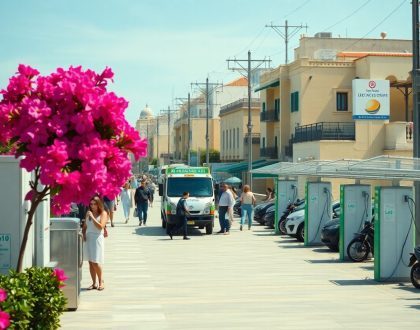
Malta tourism tests power grid
May 2, 2026